Moving can be one of the most stressful experiences in life, whether it’s relocating to a new home or shifting your office to a different location. The process involves numerous tasks, from sorting through belongings to coordinating logistics. One of the most crucial elements of a successful move is the packing process, and at the heart of this process are cardboard boxes. This article explores the importance of cardboard boxes in moving, their various types, and how to effectively use them to ensure a smooth transition.
Table of Contents
The Importance of Cardboard Boxes in Moving
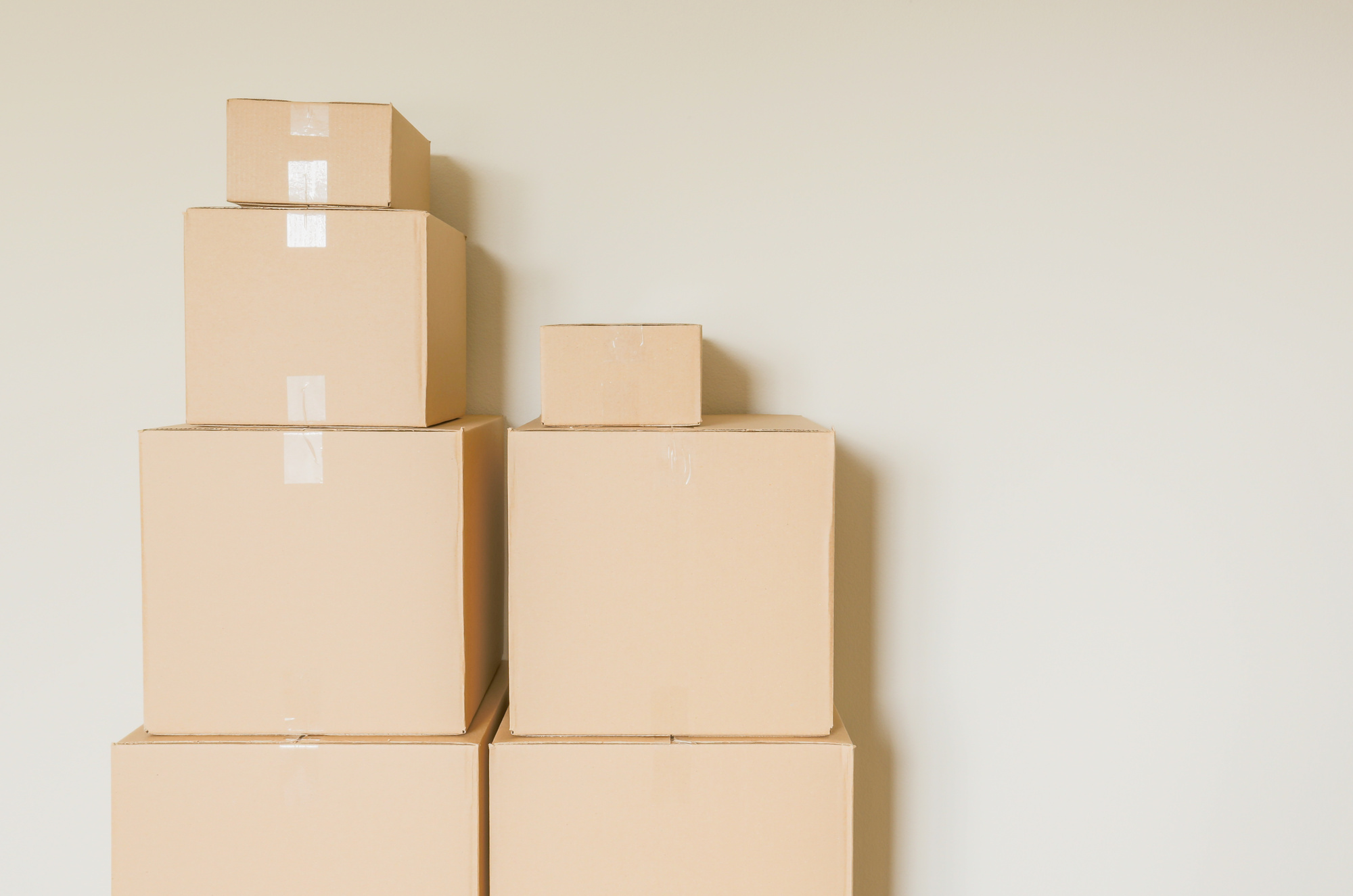
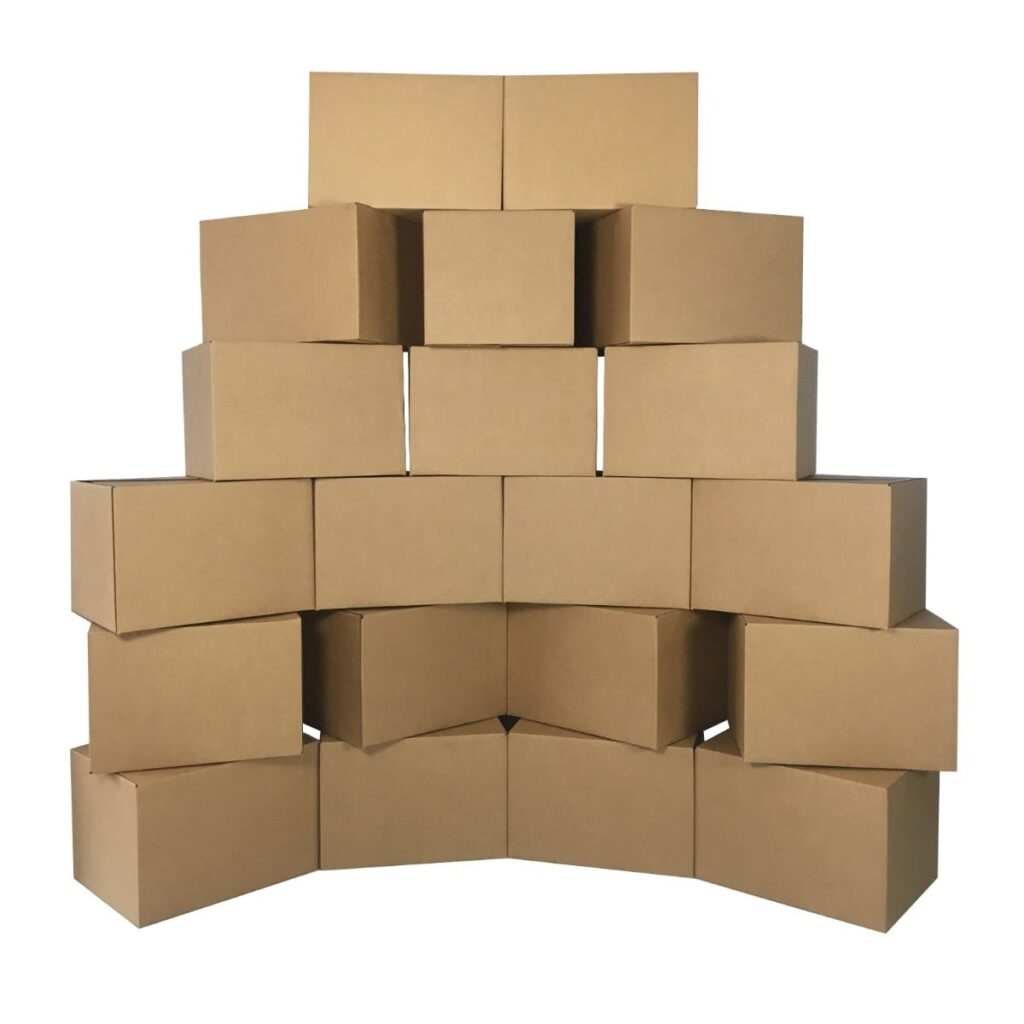
Cardboard boxes are not just simple containers; they are essential tools that facilitate the moving process. Their lightweight yet sturdy design makes them ideal for packing a variety of items, from fragile glassware to heavy books. The versatility of cardboard boxes allows them to be used for both residential and commercial moves, making them a staple in the moving industry. Without these boxes, the organization and protection of your belongings would be significantly compromised, leading to potential damage and chaos during the move.
Why Choose Cardboard Boxes?
Cardboard boxes are favored for several reasons. They are cost-effective, readily available, and environmentally friendly. Most cardboard boxes are made from recycled materials, and they can be recycled again after use. This makes them a sustainable choice for those who are environmentally conscious. Additionally, cardboard boxes come in various sizes, allowing for efficient packing of items of all shapes and sizes. Their ability to be easily stacked and stored also contributes to their popularity, as they can be conveniently transported without taking up excessive space.
Types of Cardboard Boxes
When it comes to moving, not all cardboard boxes are created equal. Understanding the different types of boxes available can help you choose the right ones for your needs. Each type of box serves a specific purpose, ensuring that your items are packed securely and efficiently.
Standard Moving Boxes
These are the most common type of cardboard boxes used for moving. They come in various sizes, typically ranging from small (1.5 cubic feet) to large (6 cubic feet). Standard moving boxes are perfect for packing clothes, books, and other household items. Their design allows for easy stacking, making them ideal for maximizing space in moving trucks or storage areas. When selecting standard boxes, consider the weight and fragility of the items you plan to pack to ensure they are adequately supported.
Specialty Boxes
Specialty boxes are designed for specific items. For example, wardrobe boxes come with a hanging rod for clothes, allowing you to transport garments without wrinkling. Dish pack boxes are reinforced to protect fragile items like dishes and glassware, featuring dividers to keep items separated and cushioned. Using specialty boxes can help ensure that your valuable items are well-protected during the move, reducing the risk of damage and making unpacking easier.
Flat Boxes
Flat boxes are ideal for packing items like artwork, mirrors, and large documents. They provide a flat surface that can help prevent damage to these items during transport. Flat boxes are particularly useful for protecting delicate or valuable pieces that require extra care. When packing flat items, it’s essential to use adequate padding to prevent movement within the box, ensuring that your belongings arrive at their destination in pristine condition.
How to Pack Cardboard Boxes Effectively
Packing cardboard boxes efficiently is key to a successful move. Here are some tips to help you pack your boxes effectively, ensuring that your items are secure and organized.
Gather Your Supplies
Before you start packing, gather all necessary supplies. This includes cardboard boxes, packing tape, bubble wrap, packing paper, and markers for labeling. Having everything on hand will streamline the packing process and prevent unnecessary delays. Consider creating a packing station where you can easily access your supplies, making it more convenient to pack items as you go.
Start with Heavy Items
When packing boxes, start with the heaviest items at the bottom. This helps create a stable base and prevents lighter items from being crushed. For example, if you are packing a box with books, place the heaviest books at the bottom and lighter ones on top. This method not only ensures the safety of your items but also makes the boxes easier to carry, as the weight is distributed more evenly.
Use Packing Materials
To protect fragile items, use packing materials such as bubble wrap or packing paper. Wrap each item individually and fill any empty spaces in the box with crumpled paper or packing peanuts to prevent movement during transit. This extra cushioning is vital for preventing breakage and ensuring that your belongings arrive safely at your new location. Additionally, consider using biodegradable packing materials to further enhance your eco-friendly moving efforts.
Label Your Boxes
Labeling your boxes is crucial for an organized move. Clearly mark each box with its contents and the room it belongs to. This will make unpacking much easier and help you locate essential items quickly. Use a color-coding system for different rooms to make identification even simpler. For example, use blue labels for kitchen items and red for living room items. This visual cue can save you time and effort when you arrive at your new home.
The Benefits of Using Cardboard Boxes
Using cardboard boxes for moving offers numerous benefits that can enhance your moving experience. Understanding these advantages can help you appreciate the role of cardboard boxes in the moving process.
Cost-Effectiveness
Cardboard boxes are generally inexpensive compared to other packing materials. Many retailers offer bulk purchasing options, allowing you to save even more. Additionally, you can often find free boxes from local businesses or online marketplaces. This affordability makes cardboard boxes an accessible option for anyone planning a move, regardless of budget constraints. By choosing cardboard boxes, you can allocate your budget to other moving expenses, such as hiring movers or renting a truck.
Easy to Stack
Cardboard boxes are designed to be stackable, which maximizes space in your moving truck or storage area. This feature is particularly beneficial when moving large quantities of items, as it allows for efficient use of space. Stacking boxes not only helps you fit more into your vehicle but also keeps your items organized and secure during transport. When stacking, be sure to place heavier boxes on the bottom and lighter ones on top to maintain stability.
Lightweight and Durable
Despite being lightweight, cardboard boxes are surprisingly durable. They can hold a significant amount of weight without breaking, making them suitable for a wide range of items. This durability ensures that your belongings remain safe during the move. Additionally, the lightweight nature of cardboard boxes makes them easier to handle, reducing the risk of injury when lifting and carrying. This combination of strength and lightness is one of the key reasons why cardboard boxes are preferred for moving.
Environmentally Friendly
As mentioned earlier, cardboard boxes are made from recycled materials and can be recycled again after use. This makes them an eco-friendly choice for those looking to reduce their environmental impact. By choosing cardboard boxes, you contribute to a more sustainable moving process. After your move, consider reusing the boxes for storage or donating them to others who may need them, further extending their lifecycle and reducing waste.
Common Mistakes to Avoid When Using Cardboard Boxes
While cardboard boxes are incredibly useful, there are some common mistakes that people make when using them for moving. Being aware of these pitfalls can help you avoid unnecessary complications during your move.
Overpacking Boxes
One of the most common mistakes is overpacking boxes. While it may be tempting to fit as much as possible into a single box, this can lead to breakage and make the box difficult to carry. It’s essential to keep weight limits in mind and distribute items evenly across multiple boxes. Overpacked boxes can also become unstable, increasing the risk of accidents during transport. To avoid this, consider the weight of each item and pack accordingly, ensuring that each box is manageable.
Not Reinforcing the Bottom
Another mistake is failing to reinforce the bottom of the box. Before packing, use packing tape to secure the bottom flaps of the box. This extra support will prevent the box from breaking open during transport. Additionally, consider adding a layer of packing paper or bubble wrap at the bottom of the box for added cushioning. This simple step can save you from potential disasters and protect your belongings.
Forgetting to Label
Many people forget to label their boxes, which can lead to confusion during unpacking. Always take the time to label each box clearly, indicating its contents and the room it belongs to. This practice not only helps you stay organized but also allows anyone assisting with the move to know where to place each box in your new home. A well-labeled box can save you time and frustration when you’re trying to locate essential items after the move.
Conclusion
Cardboard boxes are an indispensable part of the moving process. Their versatility, cost-effectiveness, and eco-friendliness make them the ideal choice for packing and transporting your belongings. By understanding the different types of boxes available and how to pack them effectively, you can ensure a smooth and organized move. Embracing the use of cardboard boxes not only simplifies the logistics of moving but also contributes to a more sustainable approach to relocation.
How to Purchase:https://looperbuy.com/search?keywords=cardboard+boxes
Frequently Asked Questions
1. What types of items can I pack in cardboard boxes?
You can pack a wide range of items in cardboard boxes, including clothes, books, kitchenware, and electronics. However, for fragile items, consider using specialty boxes for added protection. This ensures that delicate items are safeguarded during the move, reducing the risk of damage.
2. How do I find free cardboard boxes for moving?
You can often find free cardboard boxes at local grocery stores, liquor stores, or online marketplaces like Craigslist or Facebook Marketplace. Many businesses receive shipments in boxes and are willing to give them away rather than recycling them, making it a great way to save money.
3. Can I use cardboard boxes for long-distance moves?
Yes, cardboard boxes are suitable for long-distance moves. Just ensure that you pack them securely and use appropriate packing materials to protect your items. Proper packing techniques will help ensure that your belongings arrive safely, regardless of the distance.
4. How do I recycle cardboard boxes after moving?
After your move, you can recycle cardboard boxes by breaking them down and placing them in your recycling bin. Many recycling centers also accept cardboard. This practice not only helps reduce waste but also supports recycling efforts in your community.
5. What should I do if I run out of boxes while packing?
If you run out of boxes, consider purchasing additional boxes from local retailers or online. Many stores offer moving supplies, including boxes, packing tape, and bubble wrap. Alternatively, you can ask friends or family if they have any spare boxes from their recent moves.