Table of Contents
The Artistic Value of Wood Carving
Wood carving stands as one of the most ancient and revered forms of artistic expression, with a rich history spanning thousands of years across diverse cultures. From the intricate temple carvings of Southeast Asia to the rustic folk art of medieval Europe, wood carving has served as a medium for storytelling, spiritual expression, and aesthetic beauty. In the modern era, this timeless craft continues to captivate artists and collectors alike, offering a tangible connection to tradition while allowing for innovative contemporary interpretations.
For beginners, wood carving provides an accessible entry point into the world of sculpture. Unlike materials such as stone or metal, wood requires less specialized and expensive tools, making it feasible for hobbyists to start creating with minimal investment. The natural grain and warmth of wood also offer a more approachable and forgiving medium for learning fundamental sculpting techniques.
Experienced artisans find wood carving valuable for its versatility and capacity for fine detail. The material’s responsiveness to various tools allows for everything from bold, abstract forms to delicate, lifelike representations. Many master carvers appreciate wood’s sustainability compared to synthetic materials, aligning with contemporary values of environmental stewardship through the use of locally sourced or reclaimed timbers.
Essential Tools and Materials for Wood Carving
Carving Tools for Different Techniques
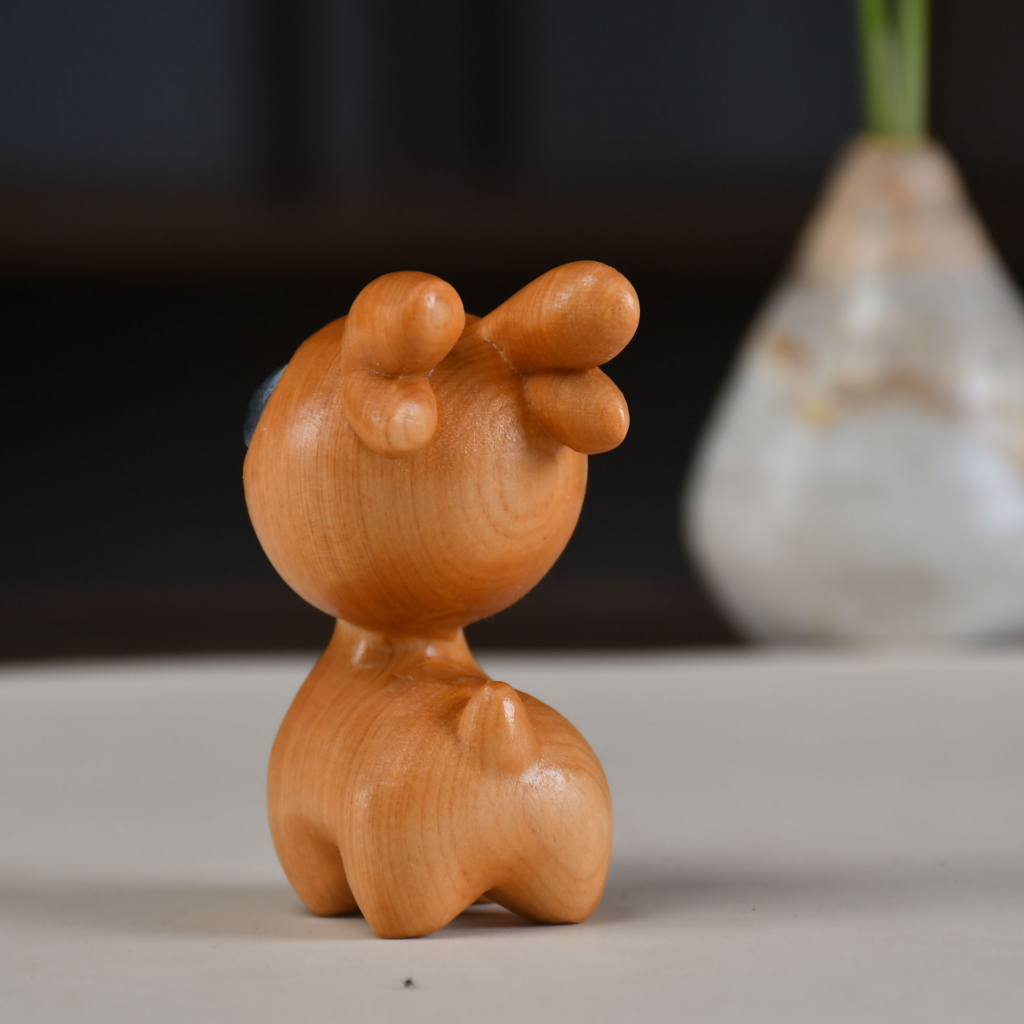
Selecting appropriate tools forms the foundation of successful wood carving. For relief carving—where figures are raised from a flat background—specialized U-shaped and V-shaped gouges create smooth contours and precise details. These tools vary in sweep (the curve of the blade) and size, with smaller sweeps suited for tight areas and larger sweeps for broader backgrounds.
Whittling, the simplest form of wood carving done with just a knife, demands a high-quality carving knife with a comfortable handle and sharp, flexible blade. The Bark River Tundra or Frost Böker Magnum knives excel in this discipline, offering balance and control for creating miniature sculptures and characterful figurines from softwoods like basswood or butternut.
Chip carving requires precision chisels with straight or angled cutting edges. The Flexcut chip carving set provides durable carbon steel tools that maintain sharp edges through extended use. This technique, often applied to decorative motifs on furniture or jewelry boxes, benefits from sharp, defined edges that create geometric patterns with crisp definition.
Wood Selection Based on Project Needs
The choice of wood significantly impacts carving outcomes and is determined by project requirements. Basswood, renowned for its fine grain and soft texture, is ideal for detailed relief work and beginner projects. Its uniform structure minimizes tool resistance, allowing even novice carvers to achieve smooth surfaces and intricate details with relatively little effort.
Black walnut offers rich, warm tones and medium density, making it suitable for dimensional carvings that benefit from natural figure and color variation. Its oily composition reduces splitting during carving but requires sharper tools due to its slightly abrasive qualities. Walnut’s dimensional stability also makes it excellent for functional items like bowls or spoons that combine artistic flair with utility.
For outdoor projects or items requiring durability, western red cedar provides rot resistance and aromatic appeal. Its straight grain and soft质地 facilitate carving, though its resinous properties can dull tools more quickly than other woods. Cedar is particularly effective for creating garden ornaments, sign boards, or culturally significant totem poles that withstand environmental exposure.
Beginner-Friendly Wood Carving Projects
Whittling Creative Figurines
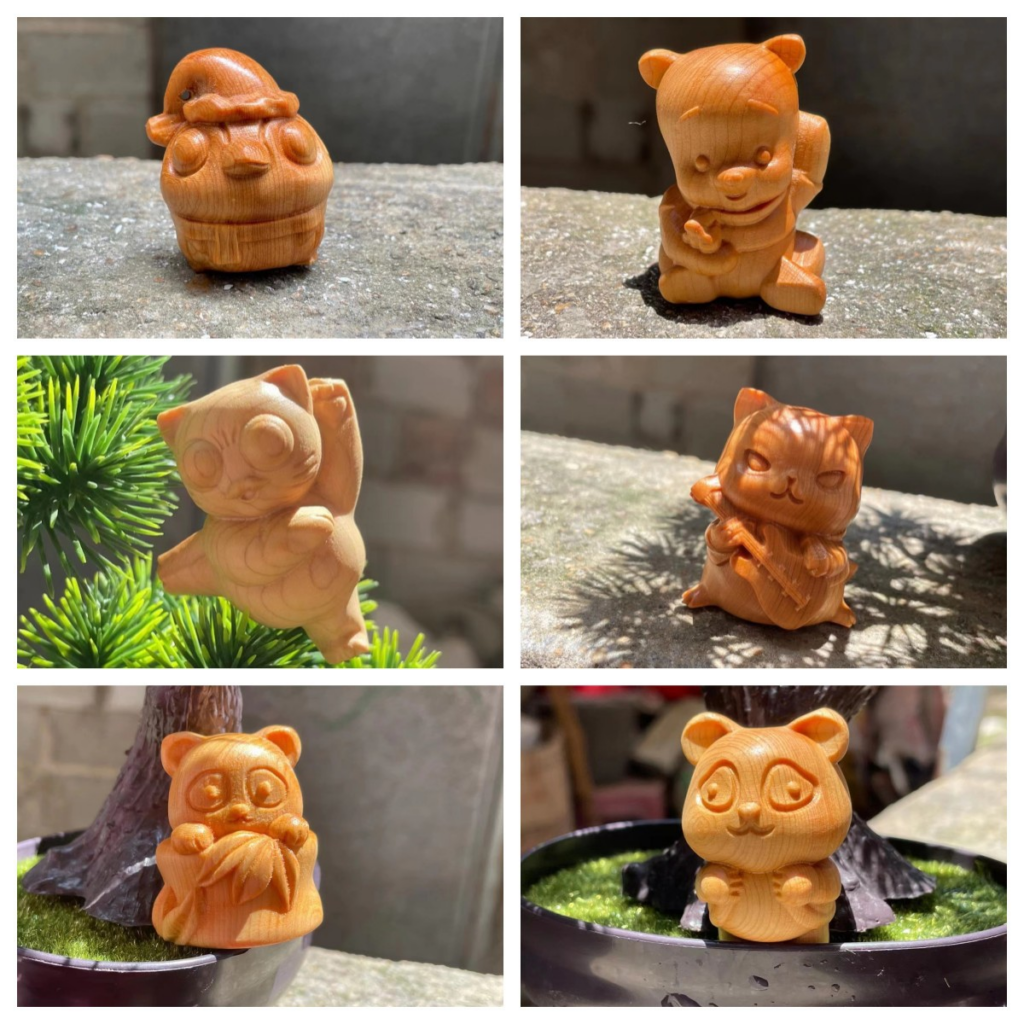
Whittling represents the most accessible introduction to wood carving, requiring minimal tools and space. Beginners can start with simple shapes like animals or human figures, gradually developing skills in creating proportional forms. The process involves roughing out the basic shape with diagonal cuts, then refining details through smaller, controlled strokes.
A popular beginner project is the “whittled spoon,” teaching fundamental carving motions while producing a functional item. Starting with a block of basswood, carvers remove material from the bowl and handle areas, focusing on ergonomics and symmetry. This project introduces understanding of grain direction critical for avoiding tool tear-out and achieving smooth surfaces.
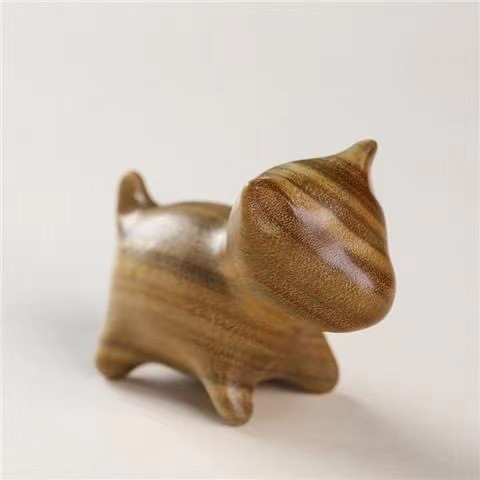
Pocket-sized animal figurines offer creative freedom while building dexterity. Carving a simple owl involves creating rounded body forms, defining wings with subtle concave cuts, and adding character through textured feather patterns. These small projects allow experimentation with tool angles and cutting pressures in contained, manageable pieces.
Simple Relief Carving Techniques
Relief carving transforms flat wood panels into visually striking artwork with figures emerging from the background. Beginners should start with low-relief projects using softwoods and simple designs. The process begins with transferring a pattern onto the wood surface, then carefully removing background areas with gouges to establish figure boundaries.
Creating depth through successive layers teaches the principle of subtractive sculpture. Each layer requires smoothing transitions between raised elements and surrounding surfaces. Practicing on practice boards with simple geometric shapes helps develop an intuitive sense of spatial relationships within the wood plane.
Decorative wall plaques serve as practical relief carving projects. Incorporating motifs such as vines, birds, or geometric patterns allows personal artistic expression while building technical skills. Finishing techniques like staining or applying food-safe oils enhance the wood’s natural beauty and protect carved surfaces.
Intermediate Wood Carving Challenges
Carving Functional Wooden Items
Progressing to functional items challenges carvers to integrate aesthetics with utility. Wooden salad bowls combine form and function, requiring understanding of bowl anatomy (rim, shoulder, belly, base) and ergonomic design. Carving from a single block of wood like maple or cherry involves symmetrical removal of material while maintaining balanced wall thickness.
Serving spoons and utensils emphasize smooth, ergonomic handles and functional bowl shapes. Intermediate carvers learn to transition between different tool angles for handles versus functional ends. Applying food-safe finishes like walnut oil or beeswax highlights the wood’s grain while ensuring safety for culinary use.
Musical instruments such as wooden flutes or decorative violins push precision carving skills. These projects require accurate internal chamber dimensions for proper sound production alongside artistic external detailing. Templates and patient, methodical material removal ensure functional acoustic properties while allowing creative ornamentation.
Developing Texture and Surface Techniques
Texture carving adds visual and tactile interest to wooden surfaces. Techniques like stippling—creating small dots with a specialized tool—produce simulated texture on smooth backgrounds. Dragging tools across the grain at varying angles generates bark-like textures effective for natural-themed projects.
Faceted carving breaks surfaces into geometric planes, creating dramatic light and shadow effects. Intermediate projects like textured vessel lids or decorative boxes showcase this technique. The method involves calculating facet angles to achieve desired contrast while maintaining structural integrity.
Carving wood grain illusions (“grain carving”) challenges artists to mimic natural wood patterns on non-wood materials or enhanced wood surfaces. Using custom chisels to create false grain lines and knots demonstrates mastery of observational skills and precise tool control, valuable for furniture restoration or artistic deception.
Advanced Wood Carving Mastery
Creating Lifelike Representations
Advanced carvers often pursue realism in figurative works, requiring deep understanding of anatomy and material properties. Carving human hands demands study of joint structures, muscle attachments, and skin folds. Iterative refinement through additive putty applications followed by subtractive carving creates natural poses.
Animal portraiture challenges artists to capture species-specific characteristics. For example, carving realistic horse heads involves studying equine skull structures, muscle groups, and expressive eye placement. Reference specimens or photographs guide proportional accuracy while artistic interpretation injects personality into each piece.
Realistic facial features require specialized tools and techniques. Micro gouges and custom straight chisels shape fine details like eyelashes or wrinkles. Sourcing high-quality finish materials like tinted waxes allows subtle flesh tone variations, bringing portraits to lifelike completion.
Architectural and Decorative Wood Carving
Architectural wood carving preserves cultural heritage while offering creative opportunities. Replicating traditional joinery elements like dentil moldings or corbels demands precision and historical knowledge. Carvers study period architecture to reproduce authentic patterns while adapting to modern structural requirements.
Furniture embellishments transform ordinary pieces into extraordinary works. Carving acanthus leaf patterns on table legs or creating scrolled armrests requires maintaining consistency across repeated elements. Templates and patient, incremental material removal ensure uniform decorative components that enhance furniture aesthetics.
Ornamental wooden screens exemplify decorative architectural carving. Incorporating lattice work, floral motifs, and scene panels challenges advanced carvers to combine multiple techniques. These projects demonstrate mastery of spatial planning within defined frameworks while creating functional room dividers with artistic presence.
Conclusion
Wood carving offers a rewarding artistic journey accessible to all skill levels, from beginners finding joy in simple whittling projects to masters creating breathtaking representational works. By selecting appropriate tools and woods for project complexity, artists can progressively build technical skills while developing personal artistic voices. The tactile connection to natural materials and meditative rhythm of carving provide both creative fulfillment and stress relief, ensuring wood carving’s enduring appeal across generations.
How to Purchase:https://looperbuy.com/search?keywords=wood+carving+ideas
Related Questions & Answers
· What are the most common mistakes beginners make in wood carving?
Beginners often rush the carving process, applying excessive pressure that leads to tool slip and unintended cuts. Another common mistake is neglecting proper sharpening techniques, resulting in jagged edges and frustrating progress. Many new carvers also overlook the importance of understanding wood grain direction, causing tear-out and uneven surfaces. Starting with overly ambitious projects before mastering basic tool control frequently leads to frustration. Additionally, inadequate safety precautions such as using improper hand positioning or skipping eye protection pose unnecessary risks that can be easily addressed with proper guidance.
· How can I select the right wood for my carving project?
Choosing the appropriate wood begins with assessing your project’s requirements regarding detail, durability, and intended use. Softer woods like basswood or butternut are ideal for detailed relief work and beginner projects due to their cooperative nature. Harder woods such as maple or walnut suit dimensional carvings or functional items that require stability. Consider the wood’s aesthetic qualities—color, grain pattern, and figure—to enhance your artistic vision. For outdoor projects, naturally decay-resistant woods like cedar or redwood provide longevity. Local availability and sustainability practices should also influence your selection, with reclaimed wood offering both environmental benefits and unique character markings that can enhance your finished piece.
· What finishing techniques best enhance wood carvings?
The ideal finishing technique depends on the wood type and carving style. Oil finishes like linseed or walnut oil penetrate the wood, enhancing grain visibility while providing moderate protection suitable for indoor items. These oils require multiple applications with sanding between coats to achieve a smooth, durable finish. Waxes, including carnauba or beeswax, create soft sheens that highlight texture and are easily renewed, making them excellent for frequently handled items like utensils or small figurines. Polyurethane or Danish oil finishes offer higher resistance to moisture and wear, ideal for functional items or outdoor carvings. For decorative high-gloss finishes, combinations of oil followed by polished wax or lacquer provide deep color saturation with protective hardness. Each finishing method requires proper surface preparation through meticulous sanding to achieve optimal results that complement the carving’s artistic intent.
· How do I transition from beginner to intermediate wood carving?
Progressing in wood carving involves deliberate skill development and project diversification. Master basic tool sharpening and maintenance to ensure consistently effective carving. Document your work through photographs and notes to track technique evolution and identify areas for improvement. Gradually incorporate more complex techniques such as carving across grain directions or creating compound curves in your projects. Join carving communities or workshops to receive constructive feedback and learn advanced methods from experienced carvers. Challenge yourself with projects requiring precision such as functional items or intricate surface textures. Establishing a regular carving practice, even for short sessions, builds muscle memory and tool control essential for advancing to more sophisticated carving endeavors.
· What resources are available for learning advanced carving techniques?
Numerous resources support advanced wood carving learning. Books such as “The Complete Guide to Woodcarving” by David rank as timeless references with detailed technique illustrations and project guidance. Online platforms like Craftsy and Woodcarving Illustrated offer video tutorials and virtual workshops taught by master carvers specializing in various styles from portraiture to architectural carving. Local woodcarving guilds provide opportunities for in-person mentoring, tool sharing, and collaborative projects that accelerate skill development through community interaction. Many universities and community colleges host intensive woodworking programs with courses dedicated to advanced sculpting techniques, offering access to specialized equipment and professional instructor oversight for serious carving enthusiasts pursuing artistic mastery.
Hot Tags: Whittling Projects; Relief Carving Techniques; Wood Selection Guide; Carving Tool Essentials; Functional Wood Art; Texture Carving Methods; Realistic Figure Carving; Architectural Wood Decoration; Sustainable Wood Sourcing