Table of Contents
The Transformative Impact of Direct Global Shipping
In the interconnected economy of the 21st century, direct global shipping has emerged as a cornerstone of international trade, revolutionizing how businesses and consumers access goods worldwide. This shipping model eliminates traditional intermediaries, creating a streamlined pathway from manufacturers directly to end-users across continents. The implications of this transformation extend beyond mere logistical efficiency into realms of cost reduction, market expansion, and consumer empowerment.
For small and medium-sized enterprises (SMEs), direct global shipping democratizes access to international markets. No longer confined by geographical boundaries, these businesses can compete on a global stage without the previously prohibitive costs of establishing overseas distribution centers. According to the International Trade Centre, SMEs utilizing direct shipping platforms experience an average 34% increase in export volumes within the first 18 months of implementation, driven by reduced operational complexities and improved profit margins.
Consumers benefit from direct global shipping through expanded product choices and competitive pricing. As shipping routes become more direct, product markups associated with multi-tier distribution systems diminish. This efficiency translates to savings passed onto consumers, who can now access niche products previously unavailable in their domestic markets. The fashion industry exemplifies this trend, with direct shipping enabling small boutique brands from countries like Peru and Morocco to reach avid fashion enthusiasts in metropolitan centers worldwide.
Core Components of Effective Direct Global Shipping
Logistics Infrastructure and Technology Integration
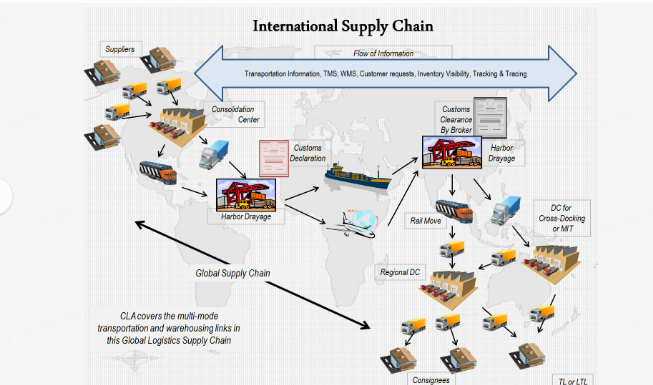
The backbone of successful direct global shipping operations lies in robust logistics infrastructure paired with cutting-edge technology. Modern shipping solutions leverage IoT-enabled tracking systems that provide real-time visibility into shipment locations, environmental conditions, and potential delays. These systems generate automated alerts when shipments deviate from scheduled routes or experience temperature fluctuations, enabling proactive interventions.
Blockchain technology has begun transforming shipping documentation processes. Smart contracts embedded within blockchain frameworks automate customs clearance procedures by ensuring all required documentation is verified and executed instantly. This reduces the average customs processing time from 2-3 days to often less than 6 hours, minimizing perishable goods spoilage and accelerating cash flow cycles.
Warehouse automation represents another critical technological advancement. Automated guided vehicles (AGVs) and robotic picking systems in strategically located global fulfillment centers decrease order processing times by up to 75%. These technologies enable same-day shipping for a growing percentage of direct global orders, enhancing customer satisfaction metrics significantly.
Regulatory Compliance and Documentation Mastery
Navigating the complex web of international shipping regulations requires specialized knowledge that directly impacts shipping success rates. Customs documentation accuracy stands as the single most critical factor influencing shipment release times. Incomplete or incorrect paperwork accounts for approximately 68% of all shipping delays, costing businesses an estimated $25 billion annually in extended storage fees and expedited handling charges.
Incoterms (International Commercial Terms) define the responsibilities of buyers and sellers regarding shipping risks and costs. Businesses engaging in direct global shipping must thoroughly understand the 11 recognized Incoterms to accurately quote prices and manage customer expectations. For example, using EXW (Ex Works) terms shifts all shipping responsibility to the buyer once goods leave the seller’s premises, while DDP (Delivered Duty Paid) requires the seller to handle all logistics until the goods reach the buyer’s door.
Trade agreement utilization provides opportunities for duty reduction or elimination. Companies should conduct comprehensive research to determine eligibility for preferential treatment under agreements such as USMCA (United States-Mexico-Canada Agreement), CPTPP (Comprehensive and Progressive Agreement for Trans-Pacific Partnership), or various bilateral treaties. Proper documentation of product origins can reduce effective tariff rates by up to 80% for qualifying shipments.
Cost Optimization Techniques and Strategies
Direct global shipping offers multiple avenues for cost optimization that sophisticated shippers exploit to maximize profitability. Freight consolidation represents one of the most effective strategies, particularly for businesses handling diverse product lines. By combining smaller shipments from multiple suppliers into consolidated containers, companies can reduce per-unit shipping costs by 30-45%. This approach requires precise shipment timing coordination to avoid storage fees but yields substantial savings for high-volume operations.
Shipping method selection significantly impacts cost structures. While air freight offers speed, sea freight generally provides cost advantages for non-time-sensitive goods. Sophisticated shipping platforms now offer predictive analytics tools that calculate the optimal shipping method based on product value, weight, customer location, and delivery time sensitivity. These tools consider variables such as inventory carrying costs alongside shipping fees to determine the most economically efficient solution.
Currency management presents another dimension of cost optimization. Businesses should evaluate currency hedging strategies to protect against exchange rate fluctuations that can erase profit margins. Additionally, selecting shipping partners who offer transparent pricing without hidden markup fees ensures budget predictability. According to industry benchmarks, businesses that actively manage currency exposure in their shipping operations reduce foreign exchange losses by approximately 22% annually.

Implementing Direct Global Shipping Solutions
Selecting the Right Shipping Partners and Platforms
Choosing appropriate shipping partners forms the foundation of successful direct global shipping operations. Reputable third-party logistics (3PL) providers offer established global networks, specialized industry knowledge, and technological integration capabilities. When evaluating partners, businesses should request detailed service level agreements (SLAs) that specify performance metrics such as on-time delivery rates, package tracking accuracy, and claims processing timelines.
Shipping platform functionality should align with business complexity. Smaller businesses may benefit from all-inclusive platforms like Loopership that handle sourcing, shipping, and customs clearance through unified interfaces. These platforms typically offer tiered pricing structures that scale with business growth, making them cost-effective solutions for startups and emerging brands.
For enterprises with established logistics operations, modular shipping platforms providing API connectivity to existing enterprise resource planning (ERP) systems offer greater flexibility. These integrations enable seamless order management, inventory synchronization, and financial reconciliation across global operations. The ideal platform should support multiple shipping carriers, compare real-time rates, and automate shipping label generation while complying with international regulatory standards.
Streamlining Your Shipping Process
Process optimization begins with order management system (OMS) configuration. The system should support multiple sales channels (eCommerce platforms, physical stores, marketplaces) while maintaining accurate inventory visibility across all locations. Real-time inventory updates prevent overselling and enable precise demand forecasting, reducing the need for safety stock buffers.
Packaging standardization reduces shipping costs and processing times. Developing brand-consistent packaging templates that accommodate various product sizes while maximizing container utilization improves warehouse efficiency. Sustainable packaging options also enhance brand image, with 76% of consumers indicating willingness to pay premium prices for environmentally responsible shipping solutions.
Returns management represents a frequently overlooked aspect of shipping processes. Implementing clear international return policies with localized return centers improves customer satisfaction while reducing return shipping costs. Some advanced shipping platforms offer reverse logistics solutions that optimize return handling, either through consolidated return shipments or partner networks in key markets.
Customer Experience Enhancement Through Shipping
Transparent communication stands as the cornerstone of exceptional shipping-related customer experiences. Providing customers with accurate estimated delivery dates and real-time tracking information reduces inquiry volumes by approximately 40%. Automated shipping confirmation emails with trackable links should be sent immediately upon shipment, followed by delivery confirmation notifications.
Proactive issue resolution demonstrates commitment to customer satisfaction. When shipping delays or problems occur, customers should receive timely notifications with revised delivery expectations and compensation offers when appropriate. Businesses that implement automated delay alert systems experience higher customer retention rates and improved net promoter scores (NPS).
Localized customer support enhances global shipping experiences. Offering customer service in local languages through multiple communication channels (chat, phone, email) builds trust in international markets. Some forward-thinking companies establish virtual customer service centers using AI translation technologies to provide 24/7 multilingual support without extensive staffing costs.
Conclusion
Direct global shipping has evolved from a logistical necessity into a strategic business advantage that shapes modern commerce. By understanding and leveraging logistics technologies, mastering regulatory frameworks, implementing cost optimization strategies, and prioritizing customer experience, businesses can harness direct shipping to expand market reach while enhancing profitability. As global supply chains continue evolving, those who adapt their shipping strategies will position themselves to thrive in increasingly competitive international markets.
If you want to ensure your goods are reliably delivered to overseas addresses despite these global logistics complexities, you can use looperbuy, a one-stop purchasing-logistics solution:https://looperbuy.com/.
Related Questions & Answers
· How can small businesses with limited resources manage the complexities of direct global shipping?
Small businesses can leverage all-inclusive shipping platforms like Loopership that consolidate shipping, customs clearance, and supplier management into user-friendly interfaces. These platforms typically offer customer support specialized for SME needs and provide educational resources to navigate regulatory requirements. Starting with a single international market to gain experience before expanding globally also helps manage complexity incrementally while building internal capabilities.
· What are the most common mistakes businesses make when implementing direct global shipping?
Common pitfalls include underestimating customs documentation requirements, leading to shipment seizures and delays; failing to account for landed costs (including duties, taxes, and local fees) when pricing products; inadequate packaging for international transit conditions; and not establishing clear communication protocols with international customers regarding delivery expectations. Additionally,ignoring the impact of exchange rate fluctuations on profit margins and failing to establish contingency plans to deal with logistics disruptions are also common mistakes.
· Can direct global shipping be integrated with existing inventory management systems?
Yes, many modern shipping platforms offer API connections that enable seamless integration with popular inventory management systems like TradeGecko, DEAR Inventory, and Cin7. These integrations automate stock level updates across sales channels, reserve inventory for processed orders, and trigger replenishment notifications based on shipping lead times. Custom development options are available for businesses using proprietary inventory systems, ensuring comprehensive visibility across the supply chain.
· How do I determine the optimal shipping frequency for my direct global operations?
Shipping frequency optimization requires analyzing order volume trends, product perishability, and carrying costs alongside shipping rate structures. For businesses with erratic order patterns, consolidating shipments weekly or bi-weekly often balances cost efficiency with inventory turnover rates. Perishable goods may necessitate more frequent, smaller shipments despite higher per-unit costs. Advanced shipping platforms provide simulation tools that model different shipping frequencies against financial outcomes, aiding in data-driven decision-making.
· What security measures should I implement to protect my shipments during international transit?
Implementing GPS-enabled shipping containers provides real-time location monitoring and alerts for unauthorized access attempts. Sealing shipments with tamper-evident security seals and utilizing shipping insurance tailored to cargo value protects against financial loss. For high-value shipments, engaging specialized security logistics providers who offer route optimization to avoid high-risk areas and conduct background checks on handling agents adds layers of protection. Regular audits of shipping partner security protocols ensure ongoing compliance with best practices.
Hot Tags: International Shipping Solutions; Global Logistics Management; Cross-Border E-commerce; Supply Chain Optimization; Customs Compliance Strategies; Freight Consolidation Methods; Shipping Cost Reduction; Real-Time Shipping Tracking; Sustainable International Shipping