Table of Contents
Introduction
In today’s creative world, marker pens have become indispensable tools for artists, designers, students, and hobbyists alike. The colours available in marker pens play a crucial role in bringing ideas to life and making visual expressions vibrant and engaging. Whether you are working on illustrations, graphic designs, fashion sketches, or simply doodling for fun, understanding marker pen colours can significantly enhance your creative output. This comprehensive guide aims to explore the fascinating world of marker pen colours, providing you with valuable insights and information to make the most of these colourful tools in your artistic endeavours.
What Are Marker Pen Colours?
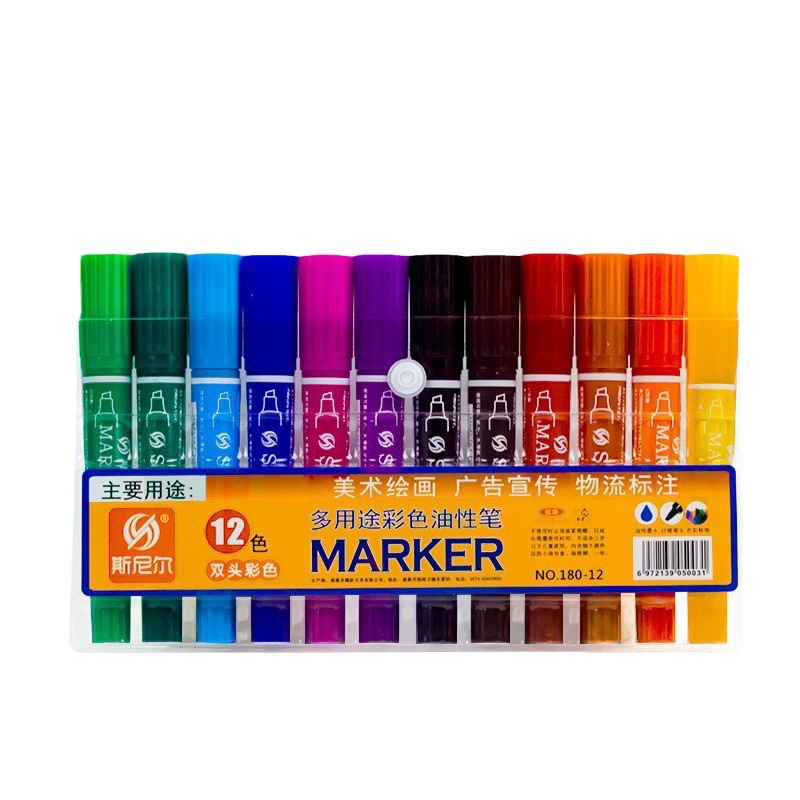
Marker pen colours refer to the various hues and shades contained within marker pens that are used for different artistic and writing purposes. These colours are produced using different combinations of pigments or dyes suspended in a solvent, typically alcohol or water. The ink is delivered through a porous tip, allowing for smooth and consistent application on various surfaces such as paper, cardstock, whiteboards, and even certain types of plastic or metal.
The vibrant and versatile nature of marker pen colours makes them suitable for a wide range of applications, from professional graphic design work to casual crafting. projects They enable users to create bold outlines, fill in large areas with colour, achieve subtle blending effects, and produce dynamic artwork that captures attention and conveys messages effectively.
Why Do Marker Pen Colours Matter?
The colours you choose in your marker pens can significantly impact the outcome of your creative projects. Different colours evoke different emotions, set particular moods, and can either make or break the overall aesthetic of your work. For instance, warm colours like reds, oranges, and yellows can create a sense of energy and excitement, while cool colours such as blues, greens, and purples can induce calmness and tranquillity.
Moreover, marker pen colours influence how your artwork is perceived and interpreted by the audience. In fields like fashion design, the right colour combination can make a sketch look trendy and appealing, whereas in technical drawings, accurate and appropriate colours can enhance clarity and understanding. Therefore, having a good understanding of marker pen colours and how to utilize them effectively is essential for achieving your desired artistic goals.
Types of Marker Pen Colours
Standard Colours
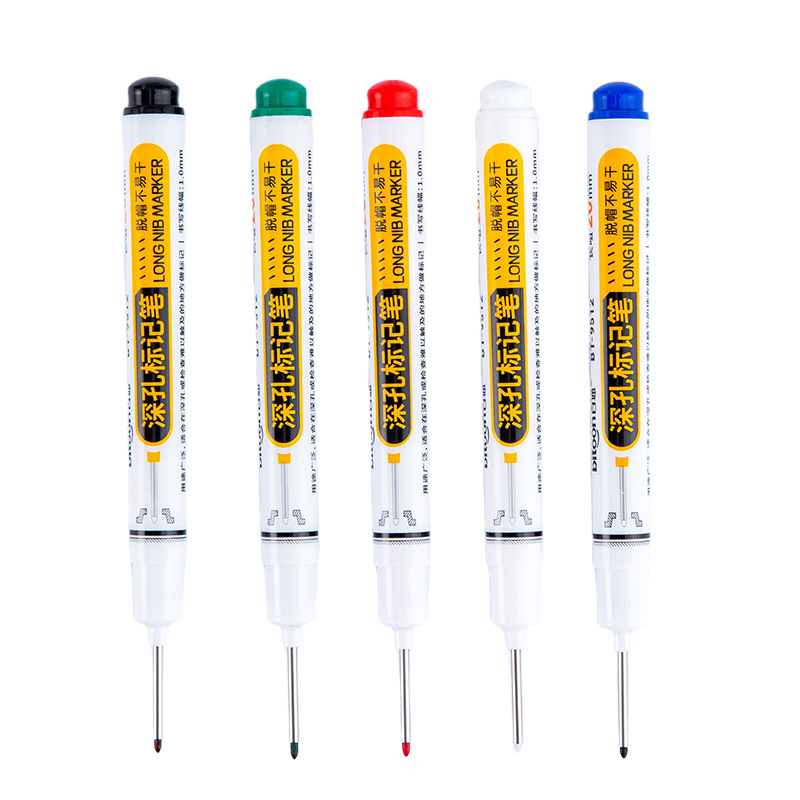
Standard marker pen colours are the basic and most commonly used hues that form the foundation of any colour collection. These include primary colours (red, blue, yellow), secondary colours (green, orange, purple), and a range of neutral colours (black, white, grey, brown). They are versatile and can be combined in various ways to create a wide array of additional colours through mixing and layering techniques.
For beginners and general users, a set of standard colours is often sufficient to explore different artistic styles and projects. They provide a good starting point for learning colour theory and experimenting with colour combinations without overwhelming the user with too many options.
Specialty Colours
Beyond the standard colours, marker pens also come in specialty colours that add unique effects and dimensions to your artwork. These include:
- Neon Colours: Bright, intense colours like neon pink, neon green, and neon orange that stand out vividly against most backgrounds. They are excellent for creating eye-catching designs, highlighting important elements, or adding a modern, energetic vibe to your creations.
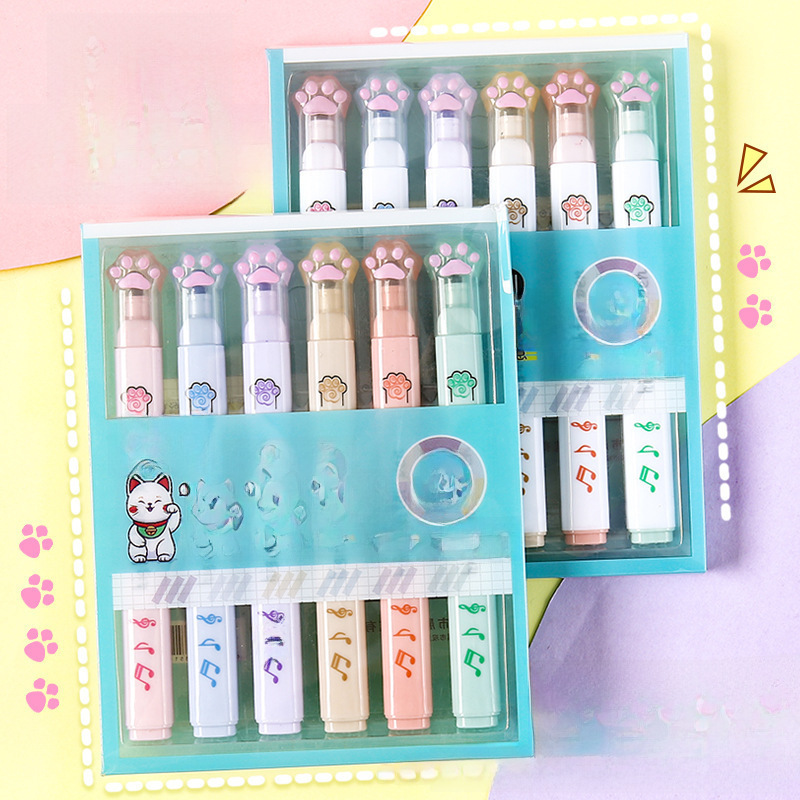
- Pastel Colours: Soft, muted hues such as pastel pink, pastel blue, and pastel yellow. These colours evoke a gentle, soothing atmosphere and are ideal for delicate illustrations, romantic themes, or projects requiring a subtle touch.
- Metallic Colours: Shiny, reflective colours like gold, silver, bronze, and copper. Metallic marker pens can simulate the appearance of metal, adding a sense of luxury, elegance, and sophistication to your artwork. They are often used for decorative purposes, accentuating specific details, or creating striking highlights.
- Fluorescent Colours: Similar to neon colours but with an even stronger glow under certain lighting conditions. Fluorescent colours can create a dramatic and bold visual impact, making them popular in graphic design, poster art, and projects aimed at grabbing attention in low-light environments.
Custom-Blend Colours
Some marker pen brands offer custom-blend colours, which are specifically formulated to meet particular artistic or industry requirements. These colours may be created based on specific colour matching systems (such as Pantone) to ensure consistency and accuracy in professional settings. Custom-blend colours are particularly valuable in fields like fashion design, product design, and marketing, where precise colour reproduction is critical for communicating ideas and maintaining brand identity.
Factors to Consider When Choosing Marker Pen Colours
Purpose of the Artwork
The intended purpose of your artwork should heavily influence your choice of marker pen colours. If you are creating pieces for commercial or professional use, such as marketing materials or technical illustrations, you may need to adhere to specific brand guidelines or industry standards regarding colour selection. In contrast, for personal or artistic projects, you have more creative freedom to experiment with different colours and express your unique style.
Target Audience
Understanding your target audience is crucial when selecting marker pen colours. Different age groups, genders, and cultural backgrounds may respond differently to certain colours. For example, marketing materials aimed at children might incorporate more bright and playful colours, while artwork targeting professionals may utilize more subdued and sophisticated colour palettes. Being mindful of your audience’s preferences and cultural sensit canivities help you create more effective and resonant artwork.
Surface and Medium
The surface or medium on which you will be applying the marker pen colours can affect how the colours appear and behave. For instance, porous surfaces like paper or cardstock may absorb the ink differently compared to non-porous surfaces such as plastic or metal. Some marker pen colours may bleed or spread more on certain surfaces, altering the final appearance of your artwork. It is advisable to test your chosen colours on the specific surface you will be using to ensure they produce the desired effects and maintain colour integrity.
Lightfastness and Durability
The lightfastness of marker pen colours refers to their resistance to fading when exposed to light over time. For artworks that will be displayed in well-lit areas or outdoors, choosing marker pens with high lightfastness ratings is essential to preserve the vibrancy and longevity of your colours. Additionally, considering the durability of the colours in terms of water resistance, smudge resistance, and abrasion resistance can help ensure your artwork remains intact and visually appealing under various conditions.
Techniques for Using Marker Pen Colours Effectively
Layering and Blending
Layering and blending are fundamental techniques for achieving depth and dimension in your marker pen artwork. By applying multiple layers of colour, you can build up intensity, create gradients, and produce smooth transitions between different hues. To blend colours effectively, use a light touch and work with the tips of the markers, gradually building up the layers and allowing each layer to dry slightly before adding the next. Some artists also use blending tools, such as cotton swabs or paper towels, to soften edges and create seamless blends.
Colour Blocking
Colour blocking involves applying bold, solid blocks of colour to create striking visual contrasts and define distinct areas within your artwork. This technique is commonly used in fashion illustration and graphic design to make bold statements and draw attention to specific elements. When using colour blocking, choose complementary or contrasting colours that work well together to achieve a harmonious yet impactful result.
Cross-Hatching and Shading
Cross-hatching is a technique where you create patterns of intersecting lines with your marker pens to add texture, depth, and shading to your artwork. By varying the pressure, spacing, and angle of the lines, you can control the intensity and appearance of the shading. This technique is particularly useful for adding dimension to illustrations, creating the illusion of form, and giving your artwork a more dynamic and three-dimensional look.
Wet-on-Wet and Wet-on-Dry Techniques
The wet-on-wet technique involves applying marker pen ink onto a wet surface or overlapping wet ink with additional layers. This can create interesting effects such as colour bleeding, diffusion, and unique texture patterns. On the other hand, the wet-on-dry technique involves applying ink onto a dry surface, allowing for more controlled and precise application. Experimenting with both techniques can help you achieve different artistic effects and expand your creative possibilities with marker pen colours.
Maintenance and Storage of Marker Pen Colours
Proper Storage
To maintain the quality and longevity of your marker pen colours, proper storage is essential. Marker pens should be stored in a cool, dry place away from direct sunlight and extreme temperatures. Prolonged exposure to heat or sunlight can cause the ink to dry out, separate, or fade, rendering the pens unusable. It is also advisable to store the pens with their caps securely fastened to prevent ink evaporation and leakage.
Extending Marker Pen Life
There are several ways to extend the life of your marker pens and maximize their usage. One effective method is to recap the pens immediately after use to prevent the ink from drying out. Avoid leaving the pens uncapped for extended periods, especially when not in active use. Some artists also recommend cleaning the pen tips periodically with appropriate solvents (as specified by the manufacturer) to remove dried ink or debris that may affect ink flow and colour application.
Reviving Dried-Out Marker Pens
If your marker pens have dried out, there are a few techniques you can try to revive them. For alcohol-based markers, you can often add a small amount of alcohol (such as rubbing alcohol) to the tip through the cap or via a designated refill hole if available. For water-based markers, a similar approach using water may work. However, success in reviving dried-out markers can vary depending on the extent of drying and the specific pen brand. It is always best to refer to the manufacturer’s guidelines for reviving procedures to avoid damaging the pens further.
Conclusion
Marker pen colours open up a world of creative possibilities, allowing artists and designers to express themselves in vibrant and dynamic ways. By understanding the different types of marker pen colours, considering key factors in colour selection, and mastering effective techniques for using these colours, you can elevate your artistic projects to new heights. Investing in quality marker pens from reputable brands and properly maintaining them ensures that you can continue to enjoy the rich and versatile colours they offer for a long time. Whether you are a professional artist or simply someone who enjoys creative expression, exploring the diverse world of marker pen colours can enhance your artistic journey and help you achieve stunning results in all your creative endeavours.
How to Purchase:https://looperbuy.com/search?keywords=marker+pen+colours
Related Questions and Answers
How do I clean marker pen stains from clothing?
Cleaning marker pen stains from clothing can be challenging but is often possible if addressed promptly. For water-based marker stains, apply a generous amount of liquid dish soap directly to the stain and gently rub it in with your fingers. Then, soak the clothing in warm water for 15-20 minutes before washing it as usual. For alcohol-based markers, you can try using rubbing alcohol. Dab the stain with a cloth soaked in rubbing alcohol to loosen the ink, then rinse with cold water and wash the clothing normally. It is important to test these methods on a small, inconspicuous area of the clothing first to ensure they do not damage the fabric or cause colour bleeding.
Can I use marker pens on all types of paper?
Marker pens can be used on various types of paper, but the results can differ based on the paper’s texture, thickness, and absorbency. Smooth paper like bristol board or marker paper is ideal for achieving clean lines and vibrant colours with minimal bleeding. Textured papers may cause the marker tips to wear out faster and can result in a more uneven application of colour. Thin paper may not handle heavy marker application well and could bleed through or wrinkle. It is advisable to experiment with different paper types to find the best match for your specific marker pens and artistic style.
Are marker pen colours permanent once applied?
The permanence of marker pen colours depends on the type of ink and the surface it is applied to. Most alcohol-based marker pens produce semi-permanent to permanent colours on paper and other porous surfaces, resisting fading and smudging once dry. Water-based marker pens can be somewhat less permanent, potentially smudging or bleeding if exposed to moisture. However, once fully dried and fixed properly, many marker pen colours can last for extended periods, especially when stored away from direct sunlight and harsh environmental conditions.
How can I achieve realistic skin tones with marker pen colours?
Achieving realistic skin tones with marker pens requires a combination of the right colours and effective blending techniques. Start with a base colour that closely matches the skin tone you are aiming for, considering factors like ethnicity and lighting conditions. Layer lighter and darker shades around the base colour to create depth and dimension, focusing on areas where shadows and highlights would naturally occur. Using blending tools or layering with a light touch can help smooth out transitions between colours. It may also be helpful to refer to colour charts or practice on scrap paper to refine your skin tone colour mixing skills.
Where can I find inspiration for marker pen colour combinations?
Inspiration for marker pen colour combinations can be found in numerous places. Observing nature, such as landscapes, flowers, and animals, provides a wealth of natural colour palettes that can be translated into your artwork. Art books, magazines, and online platforms like Pinterest and Instagram showcase a vast array of artistic works featuring diverse colour schemes. You can also explore colour theory principles and tools like colour wheels to understand how different colours interact and complement each other. Additionally, visiting art galleries or exhibitions can expose you to innovative and inspiring colour combinations used by professional artists.
Hot Tags: Marker Pen Colours; Art Marker Pens; Colour Markers; Drawing Markers; Illustration Markers; Graphic Design Markers; Fashion Sketch Markers; Manga Markers; Alcohol-Based Markers; Water-Based Markers; Dual-Tip Markers.