As parents, we always want what’s best for our children. One of the most effective ways to support their growth and development is through educational toys. These toys are not only fun but also stimulate learning and skill development. In this comprehensive guide, we will delve into the world of children’s learning toys, exploring the different types available, their benefits, and how to choose the right ones for your child.
Table of Contents
Why Children’s Learning Toys Matter
Children’s learning toys play a crucial role in a child’s development. They provide opportunities for cognitive, physical, emotional, and social growth. When children engage with educational toys, they are not just playing; they are learning valuable skills that will benefit them throughout their lives.
Cognitive Development
Educational toys help children develop cognitive skills such as problem-solving, critical thinking, and memory. Puzzles, for example, require children to figure out how pieces fit together, enhancing their spatial awareness and logical reasoning. Memory games help improve children’s ability to remember and recall information, which is essential for academic success.
Physical Development
Many learning toys also promote physical development. Building blocks, for instance, help children develop fine motor skills as they grasp, stack, and manipulate the blocks. Toys that require children to move around, such as ride-on toys or dance mats, help improve gross motor skills and coordination.
Emotional and Social Development
Playing with educational toys can also help children develop emotionally and socially. Pretend play toys, such as dolls or toy kitchens, allow children to express their emotions and practice empathy. When children play with others, they learn important social skills like sharing, cooperation, and communication.
Types of Children’s Learning Toys
There is a wide variety of children’s learning toys available in the market. Each type focuses on different aspects of a child’s development. Let’s explore some of the most popular categories.
Language Development Toys
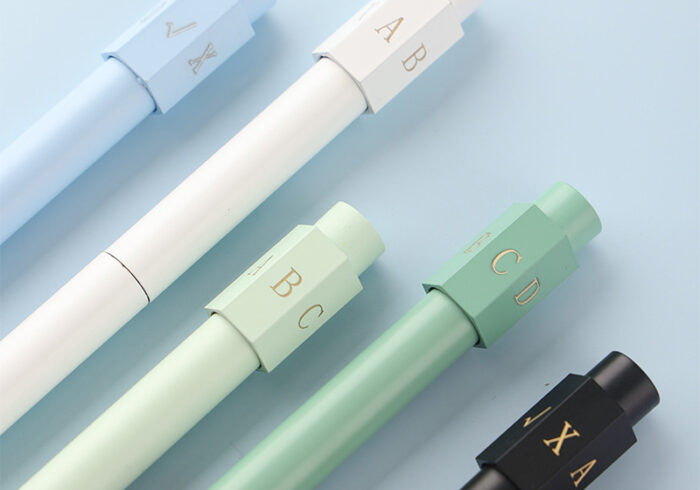
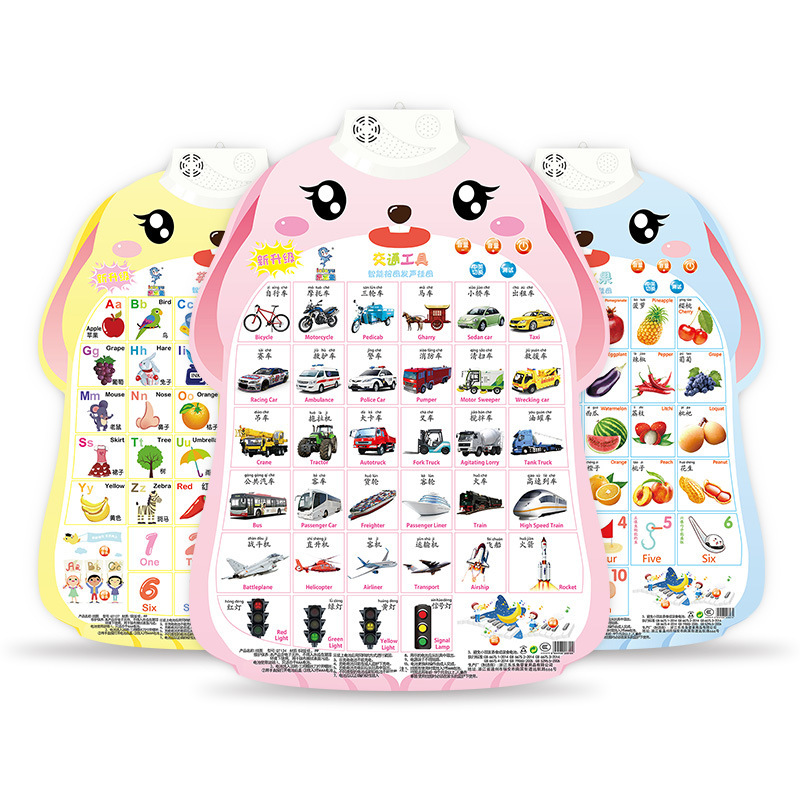
These toys are designed to enhance a child’s language skills. They include alphabet blocks, word-building games, and storytelling kits. For example, alphabet blocks allow children to learn letters and form words, while storytelling kits encourage creativity and the development of narrative skills.
STEM Toys
STEM (Science, Technology, Engineering, and Mathematics) toys are becoming increasingly popular as they prepare children for future careers in these fields. Examples include building sets, robotics kits, and science experiment kits. Building sets help children understand engineering concepts, while science experiment kits spark curiosity and a love for scientific exploration.
Art and Craft Toys
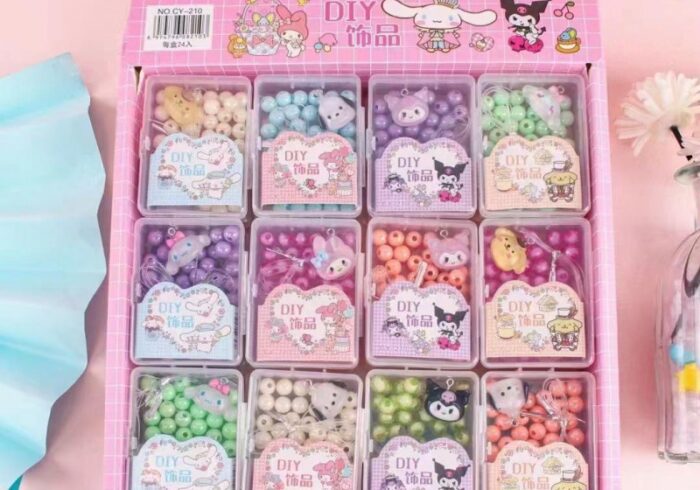
Art and craft toys encourage creativity and artistic expression. They include crayons, paint sets, modeling clay, and craft kits. These toys help children develop fine motor skills as they color, paint, and shape materials. They also allow children to express their imagination and creativity.
Musical Toys
Musical toys introduce children to the world of music and rhythm. They include instruments like drums, guitars, and xylophones, as well as music-making apps and toys. Playing musical toys helps children develop auditory processing skills and an appreciation for music.
Pretend Play Toys
Pretend play toys allow children to use their imagination and role-play different scenarios. Examples include dollhouses, toy kitchens, and dress-up costumes. These toys help children develop social skills and understand different roles in society.
How to Choose the Right Learning Toys
With so many learning toys available, it can be overwhelming to choose the right ones for your child. Here are some factors to consider:
Age Appropriateness
It’s essential to select toys that are appropriate for your child’s age. Toys that are too advanced may frustrate your child, while toys that are too simple may not provide enough challenge. Always check the recommended age range on the toy packaging.
Child’s Interests
Consider your child’s interests when choosing learning toys. If your child loves animals, a toy zoo set might be a good choice. If they are interested in space, a telescope or space-themed puzzle could be more engaging.
Learning Goals
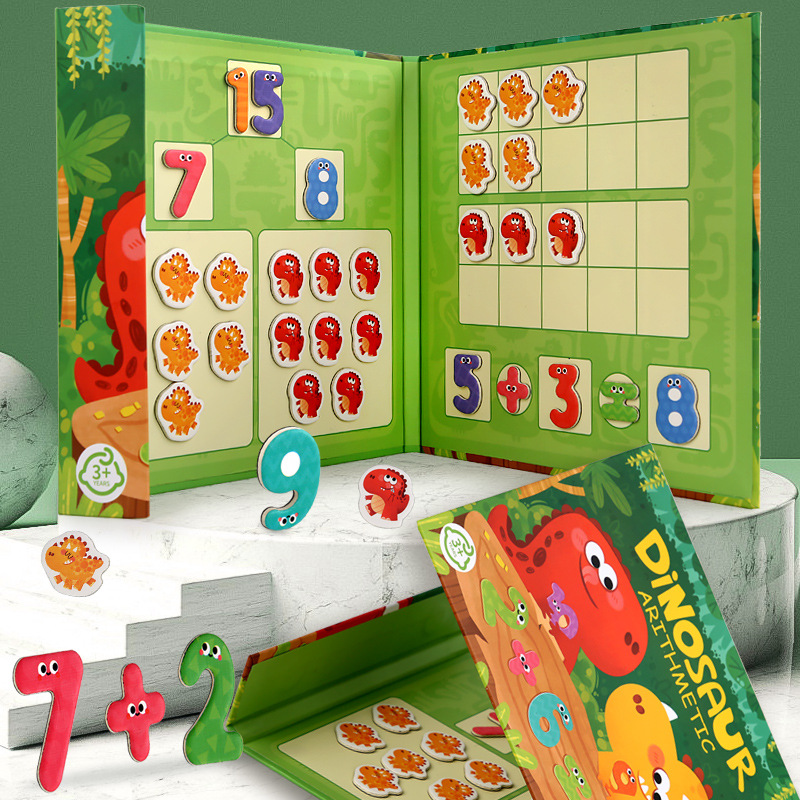
Think about the specific skills you want your child to develop. If you want to improve their math skills, look for toys that incorporate numbers and counting. If you want to enhance their creativity, art and craft toys would be more suitable.
Quality and Safety
Ensure that the toys you choose are of good quality and safe for your child. Look for toys made from non-toxic materials and with no small parts that could be choking hazards.
Durability
Invest in durable toys that can withstand rough play. High-quality toys may cost more initially but will last longer and provide better value in the long run.
Conclusion
Children’s learning toys are powerful tools for development. They offer a fun and engaging way for children to learn and grow. By understanding the different types of learning toys and how to choose the right ones, you can provide your child with valuable learning experiences that will benefit them throughout their lives.
How to Purchase:https://looperbuy.com/search?keywords=children%27s+learning+toys
Frequently Asked Questions
Q: How often should I introduce new learning toys to my child?
A: Introducing new learning toys periodically can keep your child engaged and stimulated. However, it’s not necessary to buy new toys constantly. Rotate toys every few weeks to maintain your child’s interest.
Q: Can learning toys replace traditional teaching methods?
A: Learning toys should complement traditional teaching methods rather than replace them. They provide hands-on experiences that reinforce what children learn in school.
Q: Are digital learning toys as effective as physical ones?
A: Both digital and physical learning toys have their benefits. Digital toys can offer interactive experiences, while physical toys promote hands-on play. A combination of both can provide a well-rounded learning experience.
Q: How can I encourage my child to play with learning toys?
A: Encourage your child by joining in their play, praising their efforts, and showing enthusiasm for the toys. Create a dedicated play area and limit screen time to make learning toys more appealing.
Q: Where can I find the best children’s learning toys?
A: You can find a wide selection of children’s learning toys at specialty toy stores, online retailers, and educational supply stores. Read reviews and ask for recommendations from other parents to find the best options.
Hot Tags: Best Children’s Learning Toys; Educational Toys For Kids; Stem Toys For Children; Language Development Toys; Art And Craft Toys For Kids; Musical Toys For Children; Pretend Play Toys; Quality Learning Toys; Safe Educational Toys; Durable Children’s Toys