Table of Contents
Introduction: When Bigger Isn’t Better—The Rise of Mini Earphones
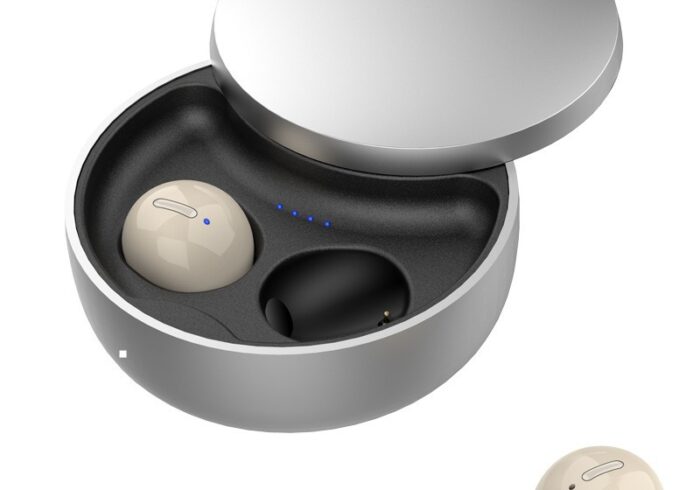
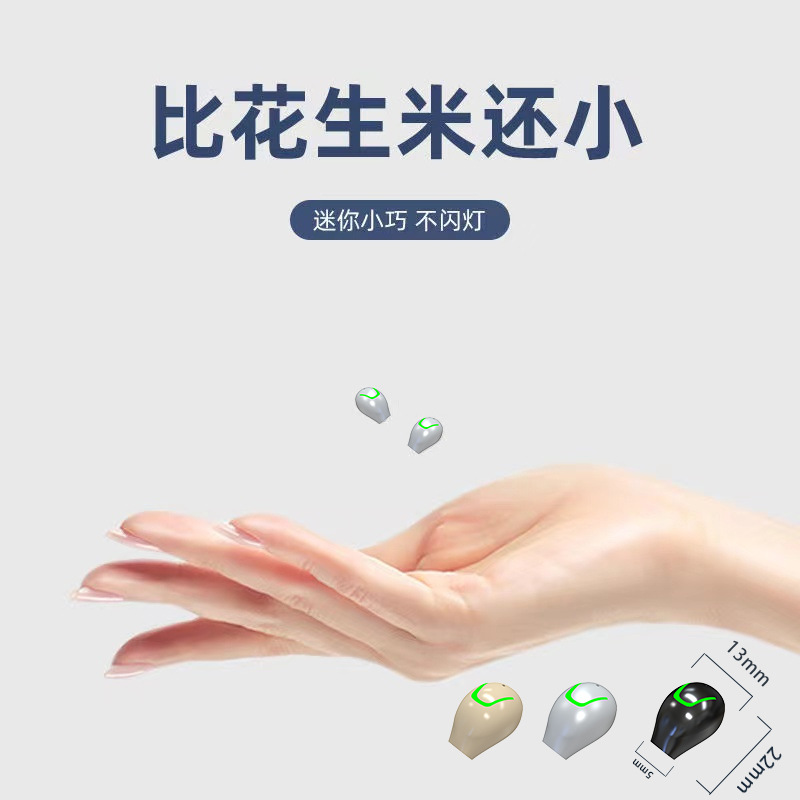
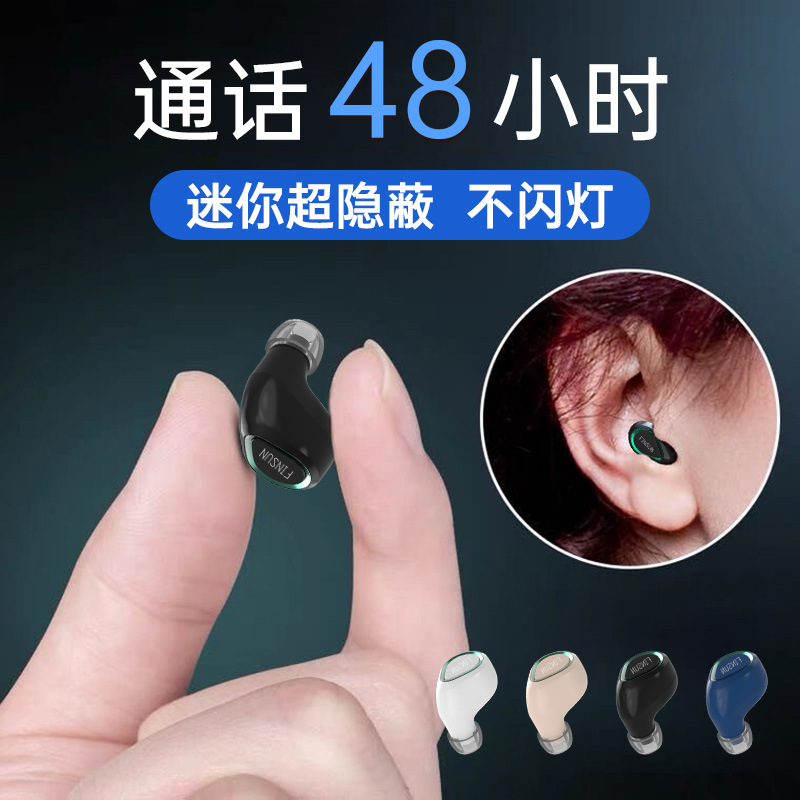
In a world where portability and style often trump size, miniature earphones have emerged as a quiet revolution in personal audio. These tiny devices—no larger than a thumbnail, yet packed with technology—have redefined what it means to listen on the go. From commuters squeezing them into pockets to athletes wearing them during workouts, mini earphones are no longer a novelty but a staple in modern life. This article explores their evolution, the technology that makes them possible, their unique design challenges, and why they’ve become a favorite among users prioritizing convenience without compromising on sound.
The Evolution of Miniature Earphones: From Novelty to Mainstream
Early Experiments: When “Mini” Meant “Novel”
The first forays into miniature earphones date back to the early 2000s, when brands like Sony and Shure experimented with compact designs. These early models were often bulky by today’s standards, with thick cables and boxy charging cases. They faced skepticism: critics argued that shrinking drivers (the components that produce sound) would sacrifice clarity and bass, while users complained about discomfort and poor battery life. Yet, their potential—unmatched portability—kept the concept alive.
Technological Breakthroughs: Making the “Impossible” Possible
By the 2010s, advancements in materials science and audio engineering transformed mini earphones from gimmicks to viable products. Key innovations included:
- Miniaturized Drivers: Engineers developed smaller, more efficient drivers (some as small as 5mm) using lightweight materials like titanium and carbon fiber, which maintained sound quality without bulk.
- Wireless Connectivity: The rise of Bluetooth 4.0 and later 5.0 allowed mini earphones to cut the cord, eliminating the need for bulky transmitters and enabling seamless pairing with smartphones and laptops.
- Battery Miniaturization: High-energy-density lithium-polymer batteries shrunk in size while increasing capacity, making it feasible to power small devices for hours on end.
These breakthroughs paved the way for mainstream adoption, with brands like Apple (AirPods Mini), Samsung (Galaxy Buds2), and Jabra (Elite 3) leading the charge.
Cultural Shift: Mini as a Lifestyle Statement
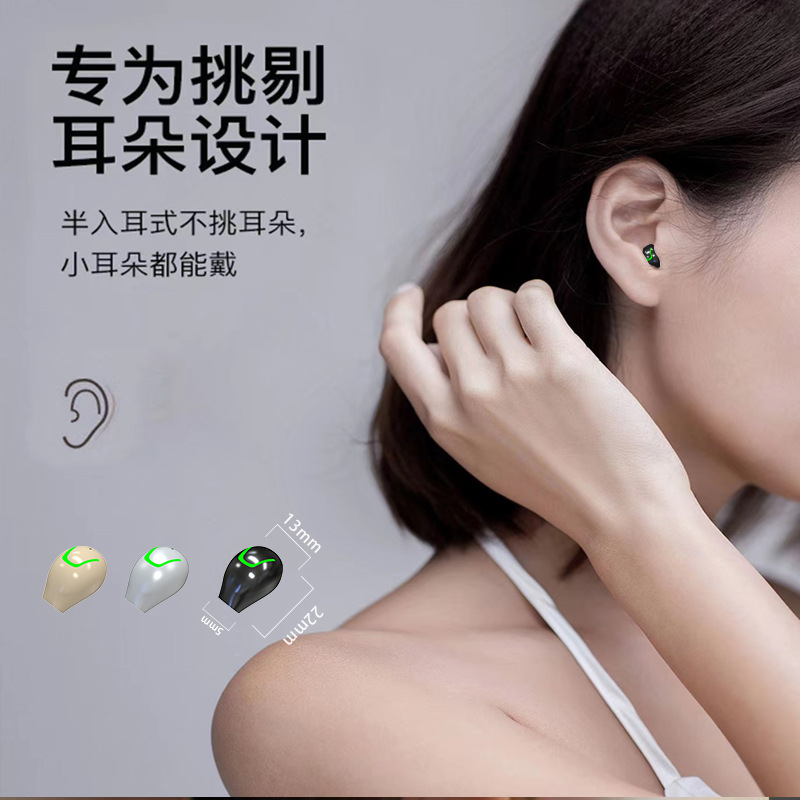
Today, mini earphones are more than just audio tools—they’re fashion accessories. Sleek, minimalist designs (think matte finishes, pastel colors, and sleek lines) appeal to users who value aesthetics as much as function. Social media has amplified their popularity, with influencers showcasing mini earphones as part of “effortlessly cool” everyday looks. For many, owning a pair is less about sound quality and more about aligning with a lifestyle that prioritizes simplicity and modernity.
How Mini Earphones Work: The Tech Behind the Small Size
Drivers: The Heart of the Sound
At the core of any earphone is its driver—a tiny diaphragm that vibrates to produce sound waves. In mini earphones, drivers are engineered to be both small and powerful. Many use a “balanced armature” design, where a lightweight diaphragm is suspended between two magnets, allowing for precise, rapid movements that reproduce high-frequency sounds (like vocals and cymbals) with clarity. Some models even include dual drivers (one for bass, one for treble) to enhance sound separation, proving that size doesn’t limit audio complexity.
Battery and Power Management: Keeping the Music Going
Mini earphones rely on compact lithium-polymer batteries, often no larger than a grain of rice. To maximize efficiency, manufacturers use low-power Bluetooth chips and optimize software to reduce energy consumption. For example, some models enter “sleep mode” when not in use, extending battery life. Even with these tricks, however, mini earphones typically offer 5-7 hours of playtime per charge (with charging cases providing an additional 15-20 hours), making them suitable for all-day use but not extended marathons.
Connectivity: Staying Linked Without Wires
Bluetooth 5.3, the latest standard, is now standard in most mini earphones, offering faster pairing, stronger signals, and lower latency (critical for gaming or video calls). Some premium models even support “true wireless stereo” (TWS), where each earbud operates independently, syncing seamlessly with the other to create a cohesive soundstage. This technology eliminates the need for a central hub, making mini earphones ideal for on-the-go use.
Design Innovations: Balancing Size and Comfort
Ergonomics: Fitting Like a Glove
Comfort is paramount for mini earphones, given their small size. Brands invest heavily in ergonomic design, using materials like soft silicone or memory foam for ear tips that conform to the shape of the ear canal. Some models feature adjustable angles or removable tips to accommodate different ear shapes, reducing the risk of discomfort during long wear.
Aesthetics: Beauty in the Details
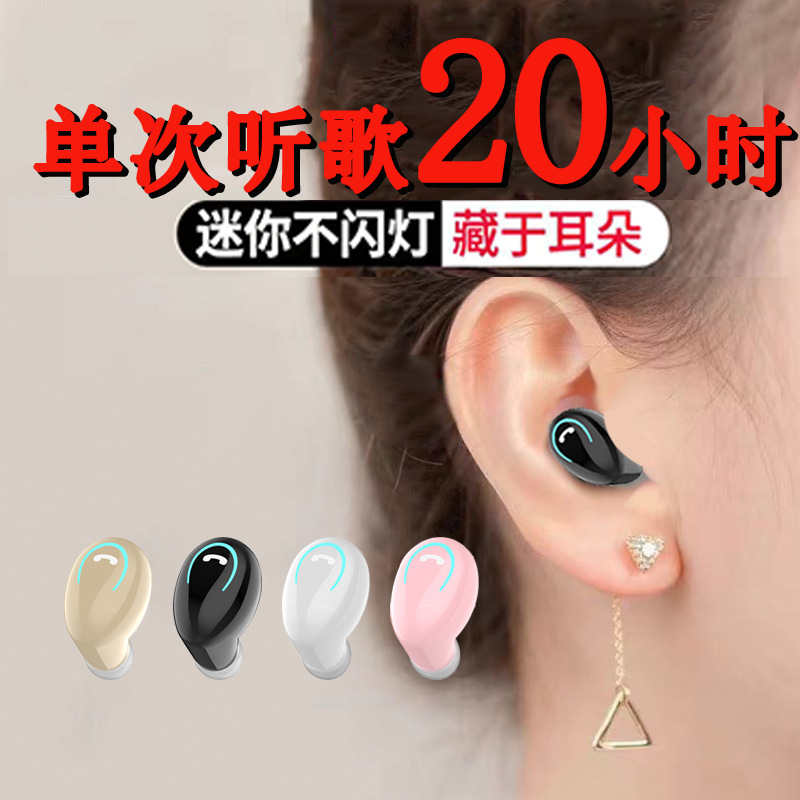
Mini earphones are designed to be noticed. Brands experiment with bold colors (neon pink, electric blue), unique textures (matte black, glossy white), and minimalist shapes (sleek ovals, geometric triangles). Many also include customizable elements, like interchangeable ear cuffs or LED lights, allowing users to personalize their look.
Durability: Surviving Daily Wear and Tear
To withstand daily use, mini earphones are built with rugged materials. Cases are often made from impact-resistant polycarbonate, while earbuds feature scratch-resistant coatings. Water resistance is another key feature—most models carry an IPX4 or IPX5 rating, meaning they can handle sweat, rain, or accidental spills.
Market Trends: Who’s Buying Mini Earphones?
Commuters and Travelers: On-the-Go Convenience
For busy professionals and frequent travelers, mini earphones are a game-changer. Their small size fits easily into pockets or purses, and wireless connectivity means no more tangled cords. Many users report using them during commutes, flights, or waits in line—moments where carrying larger headphones would be impractical.
Fitness Enthusiasts: Sweat-Proof and Secure
Athletes and gym-goers love mini earphones for their sweat resistance and secure fit. Models with ear hooks or wingtips stay in place during intense workouts, while water-resistant designs survive sweat and rain. Some even feature built-in microphones for taking calls mid-run.
Fashion-Conscious Users: Style Over Size
For many, mini earphones are a fashion statement. Brands like Gucci and Balenciaga have released luxury versions, while streetwear labels collaborate with audio brands to create trendy designs. Social media platforms like Instagram and TikTok have amplified this trend, with users showcasing their mini earphones as part of their “OOTD” (outfit of the day).
Challenges and Limitations: The Downside of Going Small
Sound Quality: A Trade-Off for Size
While mini earphones have improved dramatically, they still lag behind larger models in bass response and soundstage. Smaller drivers struggle to reproduce deep, resonant bass, and the lack of a dedicated amplifier (common in over-ear headphones) limits dynamic range. For audiophiles, this is a dealbreaker—but for casual listeners, the trade-off in portability is often worth it.
Battery Life: Limited by Size
Even with advanced battery technology, mini earphones can’t match the stamina of larger headphones. Most last 5-7 hours per charge, with charging cases adding 15-20 hours. Frequent travelers or long-day users may need to carry a portable charger, adding to the bulk.
Durability: Fragile by Design
Their small size makes mini earphones more susceptible to damage. Dropping them can crack the casing or dislodge the driver, and prolonged exposure to moisture (despite water resistance) can degrade internal components over time.
Conclusion: Mini Earphones—Small in Size, Big in Influence
Miniature earphones have come a long way from their early days as novelties. Today, they’re a testament to human ingenuity, blending cutting-edge technology with sleek design to meet the demands of modern life. Whether you’re a commuter, athlete, or fashion enthusiast, mini earphones offer a unique blend of portability, style, and performance. While they may not replace larger headphones for audiophiles, their impact on how we listen—and how we present ourselves—cannot be overstated.
How to purchase: https://looperbuy.com/search?keywords=smallest+earphones&globalType=1688
Frequently Asked Questions (FAQs)
1. Are mini earphones as good as larger ones for sound quality? Mini earphones have improved significantly, but they generally can’t match the bass depth and soundstage of larger over-ear or on-ear headphones. However, advances in driver technology (like balanced armatures) and software optimization (e.g., noise cancellation apps) have narrowed the gap, making them more than sufficient for casual listening.
2. How long do mini earphones typically last on a single charge? Most mini earphones offer 5-7 hours of playtime per charge. With their charging cases, total battery life ranges from 15-25 hours, depending on usage. Some premium models (e.g., Apple AirPods Pro 2) even support wireless charging for added convenience.
3. What materials are used to make mini earphones? Common materials include silicone (for ear tips), polycarbonate (for cases), and titanium or carbon fiber (for lightweight, durable drivers). Many brands also use recycled plastics or eco-friendly coatings to reduce environmental impact.
4. Are they durable enough for daily use? Yes, most mini earphones are built to withstand daily wear. They feature scratch-resistant coatings, water resistance (IPX4/IPX5 ratings), and sturdy cases. However, extreme conditions (e.g., submersion in water, heavy impacts) can still cause damage.
5. Can I use mini earphones for sports? Absolutely. Many mini earphones are designed for fitness, with sweat-resistant coatings, secure ear hooks, and stable fits. Look for models labeled “sweatproof” or “water-resistant” for best results during workouts.
Hot Tags: Smallest earphones; Miniature headphones; Portable audio; Wireless earbuds; Compact design; Fitness earphones; Fashion tech; Audio innovation