Table of Contents
Introduction: Beyond Perfection—The Charisma of Baroque Pearls
In a world obsessed with symmetry and flawlessness, baroque pearls stand as a rebellious celebration of imperfection. These irregularly shaped, organic gems—born from the unpredictable dance of nature and human craftsmanship—have captivated jewelry lovers for centuries. Unlike their perfectly round, cultured counterparts, baroque pearls wear their quirks proudly, embodying a raw, organic beauty that feels both timeless and deeply human. This article explores the history, craftsmanship, cultural significance, and enduring appeal of baroque pearls, inviting readers to rediscover their magic in an era of mass-produced perfection.
The History of Baroque Pearls: From Royal Treasures to Cultural Icons
Origins in the Age of Exploration
Baroque pearls trace their roots to the 16th and 17th centuries, a time of global exploration and trade. As European explorers ventured into the Indian and Pacific Oceans, they encountered oyster beds teeming with natural pearls—many of which bore irregular shapes, pits, or ridges. These “flawed” pearls, deemed “baroque” (from the Italian barocco, meaning “irregular” or “bizarre”), quickly became status symbols among European royalty and aristocracy. Kings and queens adorned themselves with baroque pearl necklaces, earrings, and brooches, valuing them not despite their imperfections but because of them—a testament to nature’s artistry over human control.
The Golden Age of Baroque Pearls
By the 18th century, baroque pearls reached the height of their popularity. They were featured in elaborate court jewelry, painted into portraits of nobility, and even referenced in literature as symbols of wealth and mystery. In France, Marie Antoinette’s obsession with baroque pearls—she owned a necklace said to contain over 2,000 irregular pearls—cemented their reputation as a luxury item. Meanwhile, in Asia, baroque pearls were treasured for their spiritual significance; in Japan, they were believed to ward off evil spirits, while in India, they symbolized fertility and prosperity.
Decline and Resurgence
The 20th century saw a decline in baroque pearl popularity, as cultured pearls (created by inserting a nucleus into an oyster) became more accessible and uniform. By the mid-1900s, baroque pearls were often dismissed as “second-rate” or “imperfect.” Yet, their fortunes reversed in the 21st century. As consumers grew weary of mass-produced homogeneity, baroque pearls experienced a renaissance. Designers and collectors rediscovered their unique charm, celebrating their irregularities as a form of authenticity in an age of artificiality.
The Craftsmanship of Baroque Pearls: Nature’s Imperfection, Human Mastery
How Baroque Pearls Are Born
Baroque pearls form when an irritant (like a grain of sand or a parasite) accidentally lodges itself inside an oyster’s shell. Over time, the oyster secretes nacre—a calcium carbonate substance—around the irritant, gradually forming a pearl. Unlike cultured pearls, which are intentionally nucleated, baroque pearls are entirely natural, with their shape, size, and surface texture determined by chance. This randomness means no two baroque pearls are alike, making each one a one-of-a-kind work of art.
From Raw Pearl to Jewelry: The Artisan’s Touch
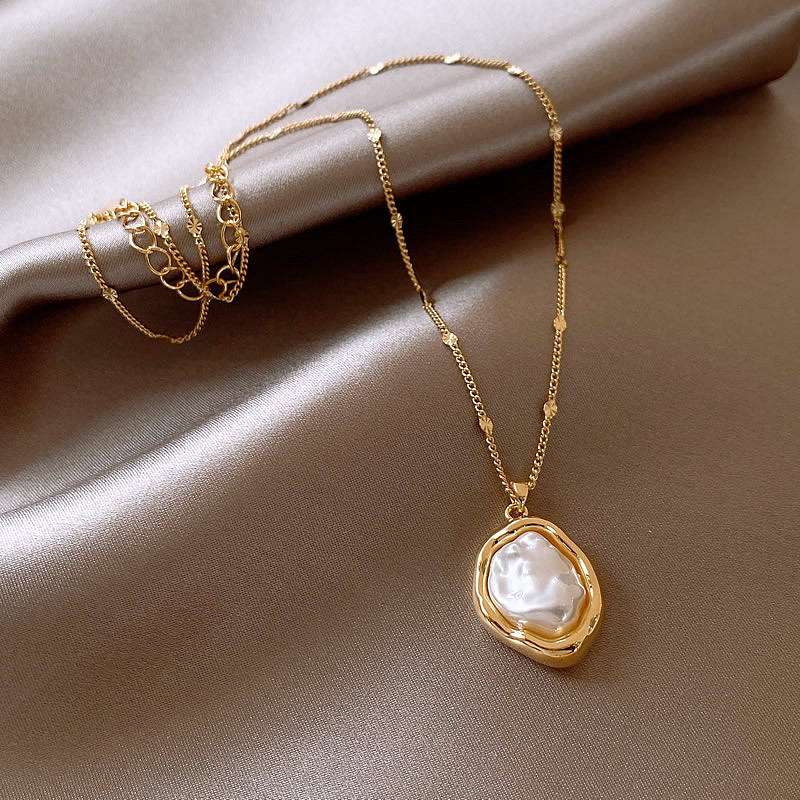
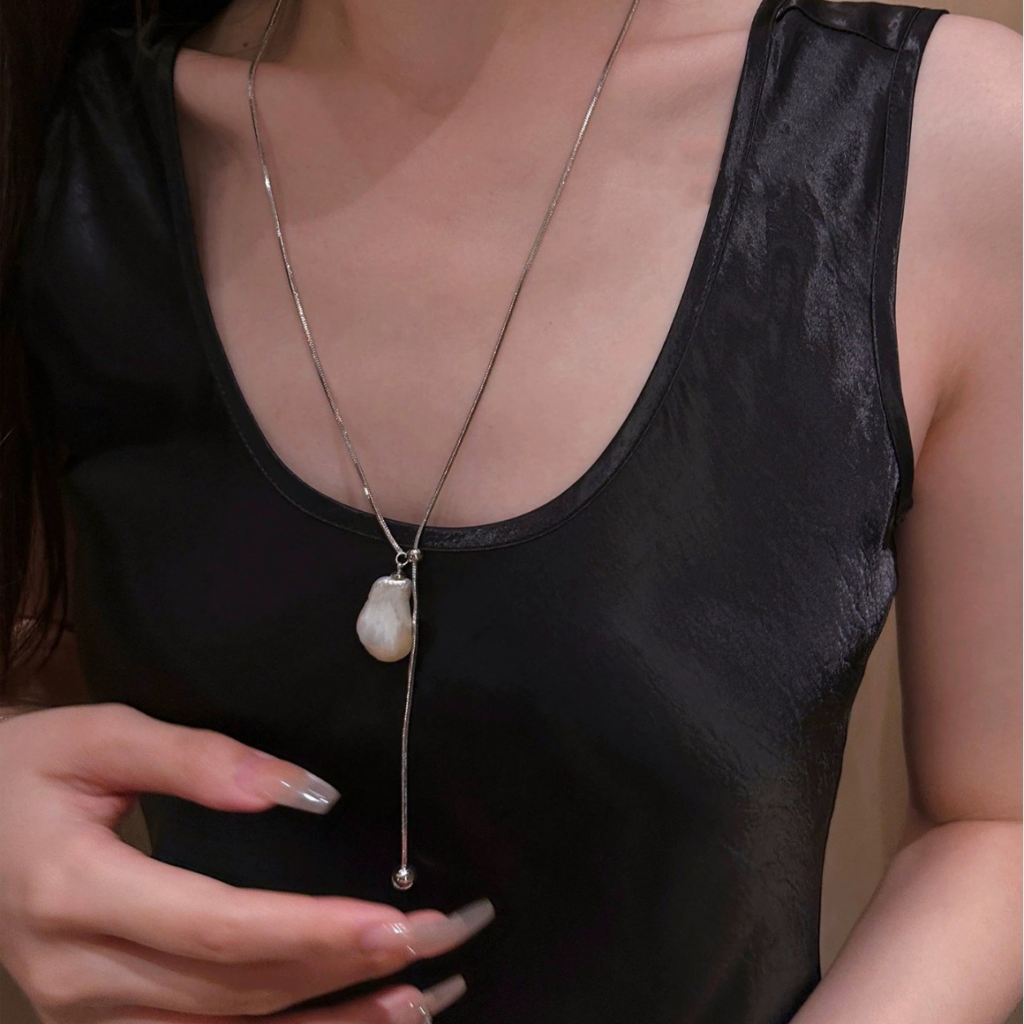
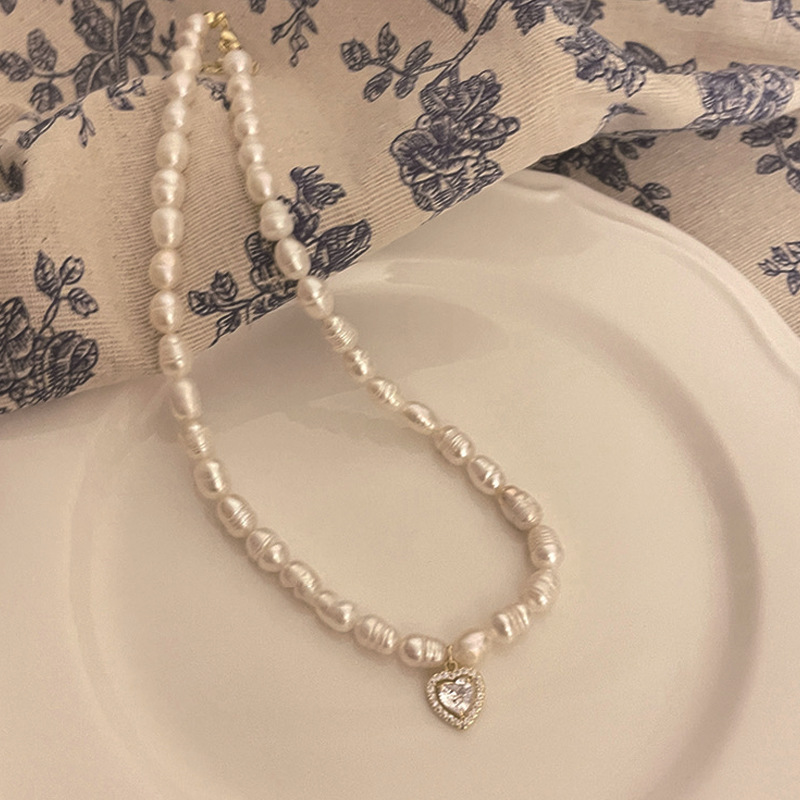
Transforming a raw baroque pearl into a necklace requires exceptional skill. Artisans must first assess the pearl’s shape, color, and luster, then decide how to highlight its unique features. For example, a pearl with a pronounced ridge might be paired with a simple gold setting to emphasize its texture, while a pearl with a soft, rounded shape could be strung with delicate seed pearls to enhance its organic flow. Many jewelers also incorporate vintage or antique elements—like 18th-century gold filigree or Art Deco clasps—to add historical depth to their designs.
The Role of Imperfection in Design
Baroque pearls thrive on contrast. Their irregular surfaces (which may include pits, ridges, or uneven coloration) are often accentuated with complementary materials, such as polished silver, oxidized brass, or even blackened gold. This intentional use of imperfection transforms what might be seen as a “flaw” into a design feature, creating pieces that feel dynamic, lived-in, and deeply personal.
Cultural Significance: Baroque Pearls as Symbols of Identity
Royalty and Nobility: A Legacy of Power
Throughout history, baroque pearls have been worn by figures of immense power and influence. Queen Elizabeth I of England owned a famous baroque pearl necklace said to have been a gift from the King of Portugal, symbolizing her status as a global monarch. In Russia, Empress Catherine the Great amassed a collection of baroque pearls, which she wore in public to project an image of opulence and sophistication. These pieces were more than jewelry—they were tools of diplomacy, signaling wealth, taste, and political alliances.
Spirituality and Mythology: Pearls as Sacred Objects
In many cultures, baroque pearls are imbued with spiritual meaning. In Hinduism, they are associated with the moon and the goddess Lakshmi, symbolizing purity and abundance. In Native American traditions, pearls are believed to carry the energy of the ocean, making them powerful talismans for healing and protection. Even today, baroque pearls are often used in ceremonial jewelry, bridging the gap between ancient traditions and modern spirituality.
Modern Culture: From Runways to Social Media
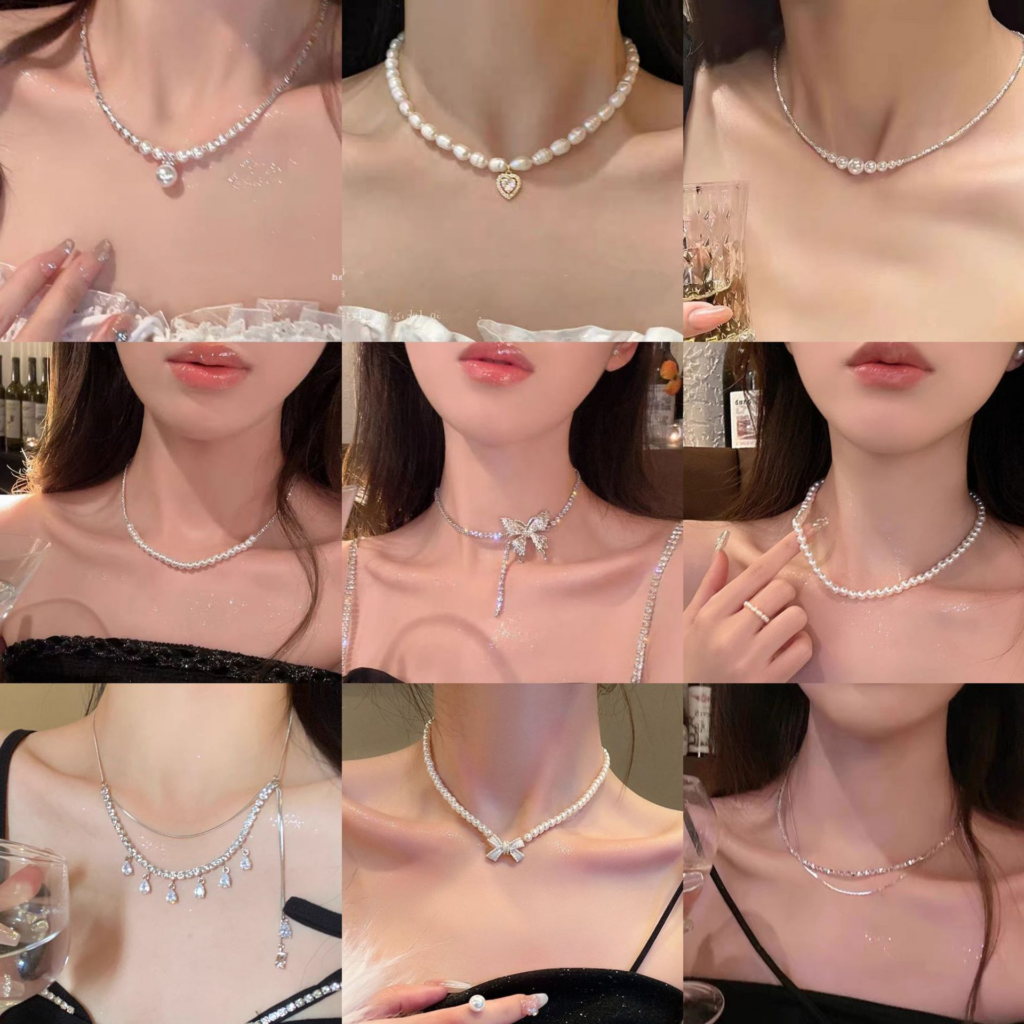
Baroque pearls have found new life in contemporary fashion. Designers like Gucci, Chopard, and Cartier have featured them in recent collections, pairing them with bold colors and modern silhouettes to create a fresh, unexpected aesthetic. On social media, influencers and celebrities have embraced baroque pearls as a “vintage-chic” accessory, showcasing them in OOTDs (outfits of the day) and “aesthetic” flat lays. This resurgence reflects a broader cultural shift toward valuing uniqueness and sustainability—baroque pearls, after all, are a renewable resource (oysters can produce multiple pearls over their lifetime) and each carries a story of natural and human collaboration.
The Market for Baroque Pearls: Rarity, Value, and Investment
Why Baroque Pearls Are Rare
Natural baroque pearls are far less common than cultured pearls. Only a small percentage of oysters produce pearls, and even fewer of those are baroque. Additionally, many baroque pearls are damaged during harvesting or lose luster over time, further reducing their availability. This scarcity has driven up their value, with high-quality specimens selling for thousands of dollars per pearl.
Factors That Determine Value
The value of a baroque pearl necklace depends on several factors:
- Luster: The most prized baroque pearls have a deep, mirror-like luster that seems to glow from within.
- Surface Quality: While imperfections are celebrated, pearls with excessive blemishes or damage are less valuable.
- Size: Larger baroque pearls (over 10mm in diameter) are rarer and more sought after.
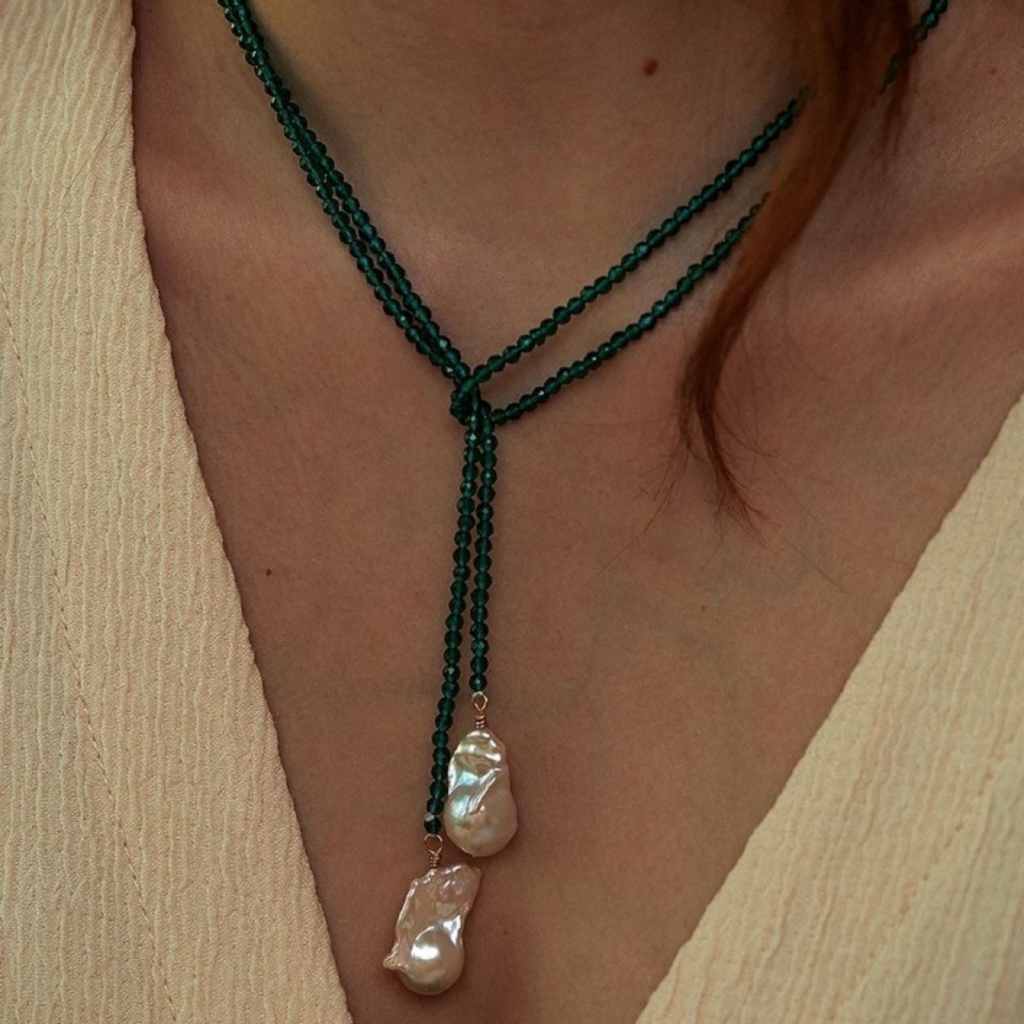
- Color: Neutral tones (white, cream, gold) are classic, but unique colors like pink, lavender, or peacock green can command higher prices.
- Provenance: Pearls with a documented history (e.g., from a royal collection or a renowned jeweler) often appreciate in value over time.
Investing in Baroque Pearls
For collectors, baroque pearls offer a unique investment opportunity. Unlike gold or stocks, they are tangible, beautiful, and culturally significant. However, buyers should exercise caution: the market for baroque pearls is less regulated than that of cultured pearls, so it’s essential to work with reputable dealers and verify a pearl’s authenticity (via gemological testing) before purchasing.
Conclusion: The Enduring Magic of Baroque Pearls
Baroque pearls are more than just jewelry—they are a testament to nature’s creativity, human craftsmanship, and the beauty of imperfection. From their royal origins to their modern resurgence, these irregular gems have transcended time, appealing to those who value authenticity, storytelling, and a connection to the natural world. In an era where “perfect” often equates to “mass-produced,” baroque pearls remind us that true luxury lies in the unique, the unexpected, and the beautifully imperfect.
How to purchase: https://looperbuy.com/search?keywords=baroque+pearl+necklace&globalType=1688
Frequently Asked Questions (FAQs)
1. What’s the difference between a baroque pearl and a cultured pearl? Baroque pearls are natural, formed when an irritant accidentally enters an oyster, while cultured pearls are intentionally created by inserting a nucleus into an oyster. Baroque pearls are irregular in shape and surface texture, whereas cultured pearls are typically round and uniform.
2. How do I clean and maintain a baroque pearl necklace? To clean baroque pearls, gently wipe them with a soft, dry cloth. Avoid harsh chemicals, ultrasonic cleaners, or steamers, as these can damage the nacre. Store them in a soft pouch or jewelry box to prevent scratches, and avoid exposing them to prolonged moisture or extreme temperatures.
3. Are baroque pearls valuable? Yes, high-quality baroque pearls can be quite valuable. Their rarity, unique imperfections, and historical significance contribute to their worth. However, value depends on factors like luster, size, color, and provenance.
4. Can baroque pearls be used in everyday jewelry? Absolutely. Baroque pearls are durable enough for daily wear, though they should be protected from harsh chemicals (like perfume or lotion) and physical impacts. Many people pair them with casual outfits for a touch of elegance.
5. How do I know if a baroque pearl is authentic? Authentic baroque pearls should have a natural, irregular shape and a luster that shifts with light. Gemological testing (using tools like a refractometer or microscope) can confirm their origin, but reputable dealers often provide certificates of authenticity.
Hot Tags: Baroque pearl necklace; Natural pearls; Jewelry history; Artisan craftsmanship; Vintage jewelry; Imperfect beauty; Royal treasures; Spiritual symbolism; Sustainable luxury; Gemological authentication