Table of Contents
Introduction: More Than Utensils—A Catalyst for Connection
In a world where shared spaces—from community kitchens to boutique hotels—play an increasingly vital role in fostering connection, hall kitchenware has emerged as more than just functional tools. These are the pots, pans, utensils, and serving dishes that turn a room into a hub of warmth, collaboration, and joy. Whether used by neighbors gathering for a potluck, chefs prepping for a dinner service, or families hosting holiday meals, hall kitchenware bridges the gap between practicality and intentionality. This article explores how these everyday items have evolved into design statements, their impact on community dynamics, and what makes them indispensable in modern shared environments.
Design Philosophy: Beauty Meets Utility in Shared Spaces
Hall kitchenware transcends the mundane by blending aesthetics with purpose. Unlike kitchen tools designed solely for home use, these pieces are crafted to withstand high traffic, diverse cooking styles, and the unique demands of public or semi-public settings. Here’s what defines their design:
1. Aesthetic Versatility
Hall kitchenware is often designed to complement the ambiance of its environment. For community centers, rustic wooden spoons or ceramic bowls add a cozy, organic touch. In boutique hotels, sleek stainless-steel utensils or minimalist glass serving platters align with a modern, sophisticated vibe. Many brands even offer customizable finishes—like matte black, sage green, or gold-accented edges—to match a space’s decor.
2. Ergonomic Functionality
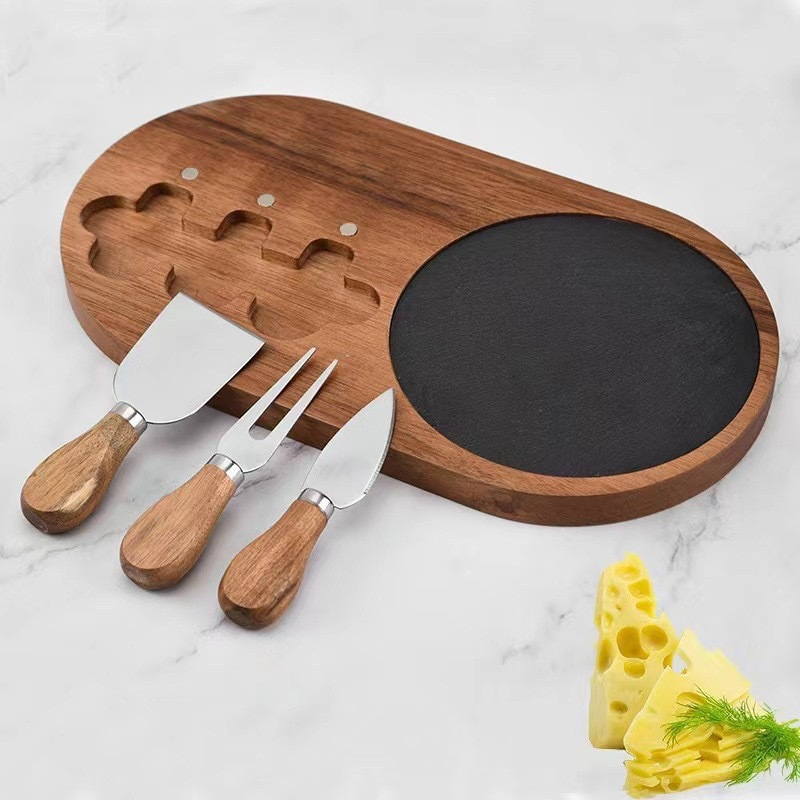
Usability is key. Handles are contoured for a comfortable grip, even during prolonged use; utensils are weighted to prevent slipping; and serving dishes feature raised edges to keep food secure. For example, a hall pan might have a wide, flat base for even heat distribution and a low lip for easy pouring—features that matter when multiple people are cooking simultaneously.
3. Durability for High Traffic
Public spaces demand resilience. Hall kitchenware is often made from materials like:
- Stainless Steel: Resistant to rust, scratches, and stains, ideal for busy kitchens.
- Ceramic or Stoneware: Heat-resistant and easy to clean, perfect for serving hot dishes.
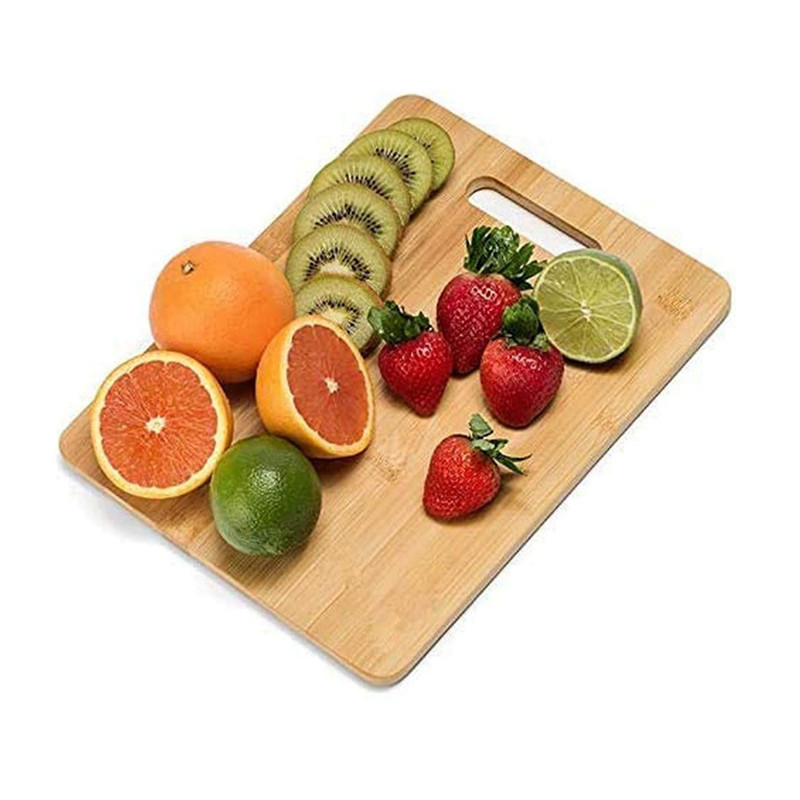
- Bamboo or Wood: Lightweight and eco-friendly, though less common in high-use areas due to maintenance needs.
Core Functions: Beyond the Basics
Hall kitchenware isn’t just about holding or heating food—it’s about enhancing the entire experience of sharing meals. Here’s how these tools elevate community and hospitality:
1. Facilitating Collaboration
In community kitchens, shared utensils encourage teamwork. A set of wooden spoons, for instance, becomes a bridge between neighbors who might not otherwise interact. Similarly, large serving platters or communal bowls make it easy to pass dishes around, fostering a sense of collective effort.

2. Elevating Presentation
The right kitchenware can turn a simple meal into an event. A ceramic casserole dish with a decorative glaze, for example, makes a homemade lasagna feel like a restaurant-quality dish when brought to a potluck. For hotels, elegant silverware or crystal glasses add a touch of luxury to breakfast buffets or evening receptions.
3. Ensuring Safety and Hygiene
Hall kitchenware is designed with safety in mind. Many pieces feature:
- Food-Grade Materials: Non-toxic, BPA-free plastics or stainless steel that won’t leach chemicals into food.
- Smooth Surfaces: Easy-to-clean finishes that prevent bacteria buildup, critical in shared spaces.
- Heat Resistance: Utensils that can withstand high temperatures without warping, ensuring they remain safe to use.
Application Scenarios: Where Hall Kitchenware Shines
These versatile tools find purpose in a range of shared environments, each with unique needs:
1. Community Kitchens
From urban co-ops to rural community centers, hall kitchenware is the backbone of shared cooking. Large stockpots for soups, colanders for rinsing vegetables, and baking sheets for roasting vegetables are staples here. Their durability ensures they can handle daily use by multiple cooks, while their design keeps the space organized and inviting.
2. Hotel and Restaurant Back-of-House
In hospitality settings, efficiency and presentation matter. Chefs rely on hall kitchenware like:
- Sous Vide Machines: For precise, temperature-controlled cooking.
- Commercial-Grade Pans: With thick bases that distribute heat evenly, reducing scorching.
- Serving Trays: Designed to carry multiple dishes without spills, ideal for banquets or room service.
3. Event Spaces and Catering
For weddings, corporate dinners, or pop-up markets, hall kitchenware transforms temporary spaces into culinary hubs. Portable induction cooktops, collapsible mixing bowls, and stackable storage containers make setup and teardown a breeze, while elegant platters and utensils impress guests.
4. Family Gatherings and Holidays
Even in private homes, hall kitchenware (or “multi-family” sets) bridges generational gaps. Grandparents, parents, and kids can cook together using tools that are easy for all ages to handle—like lightweight wooden spoons or non-slip silicone mats.
The Market: Trends and Innovations
The hall kitchenware market is thriving, driven by demand for sustainability, customization, and smart technology:
Eco-Conscious Design
Brands like EcoKitch and GreenPan prioritize recycled materials (e.g., post-consumer stainless steel) and minimal packaging, appealing to environmentally aware buyers. Some even offer repair services to extend product lifespans.
Customization
Many manufacturers now let customers choose finishes, sizes, or even monogramming. For example, a community center might order a set of pots in its logo colors, or a hotel could opt for utensils engraved with its name.
Smart Features
High-end hall kitchenware is integrating technology:
- Temperature-Controlled Pans: With digital displays to monitor heat levels.
- Self-Cleaning Utensils: Coated with nanomaterials that repel food residue.
- App-Connected Devices: That sync with smart home systems to track usage or send cleaning reminders.
Choosing the Right Hall Kitchenware for Your Space
Selecting the perfect set depends on your space’s unique needs:
For High-Traffic Public Kitchens
Prioritize durability: Look for stainless steel or heavy-duty ceramic. Avoid delicate materials like porcelain, which chip easily.
For Stylish Hospitality Venues
Focus on aesthetics: Choose pieces with sleek lines, neutral tones, or decorative accents that match the venue’s brand.
For Community or Family Use
Emphasize ease of use: Opt for lightweight, non-slip tools with large handles that accommodate varying hand sizes.
For Events
Invest in versatility: Stackable storage containers, collapsible bowls, and multi-functional utensils (e.g., a spatula that doubles as a serving spoon) save space and streamline setup.
Conclusion: Tools That Bring People Together
Hall kitchenware is far more than a collection of pots and pans—it’s a bridge between individuals, fostering connection, collaboration, and joy in shared spaces. Whether in a bustling community kitchen, a chic hotel dining room, or a family holiday gathering, these tools transform ordinary meals into memorable experiences. As the demand for sustainable, smart, and beautiful kitchenware grows, one thing remains clear: hall kitchenware will continue to evolve, bringing people closer together, one meal at a time.
How to purchase: https://looperbuy.com/search?keywords=hall+kitchenware&globalType=1688
Frequently Asked Questions (FAQs)
1. What materials are best for hall kitchenware? Stainless steel (durable, easy to clean) and ceramic/stoneware (heat-resistant, elegant) are top choices. For eco-conscious buyers, recycled aluminum or bamboo (with food-safe coatings) are also great options.
2. How do I clean hall kitchenware? Most pieces can be washed with mild soap and water. For stubborn stains, use a baking soda paste or vinegar soak. Avoid abrasive cleaners that scratch surfaces.
3. Can hall kitchenware be used in both home and commercial settings? Yes—many brands design versatile sets that work in both environments. Just ensure the pieces are labeled “commercial-grade” if used in high-traffic kitchens.
4. Are there hall kitchenware sets for small spaces? Absolutely. Compact, stackable sets (e.g., nesting bowls, collapsible colanders) are ideal for apartments, tiny homes, or pop-up events.
5. Do hall kitchenware pieces come with warranties? Most reputable brands offer 1–2 year limited warranties covering manufacturing defects. Check the product details for specifics.
Hot Tags: Hall kitchenware; Shared space kitchen tools; Community kitchen essentials; Hospitality kitchenware; Durable kitchen utensils; Eco-friendly kitchen gear; Multi-functional cookware; Event kitchen supplies; Customizable kitchen tools; Modern kitchen accessories