Table of Contents
Introduction to E-commerce
The digital age has revolutionized the way we conduct business, with e-commerce emerging as a dominant force in the retail sector. As consumers increasingly turn to online shopping for convenience and variety, entrepreneurs are seizing the opportunity to establish their own online stores. Among the various business models available, drop shipping has gained significant traction due to its low startup costs and operational flexibility. This article will explore the drop shipping model in detail, examining its benefits, challenges, and strategies for success.
Understanding Drop Shipping
What is Drop Shipping?
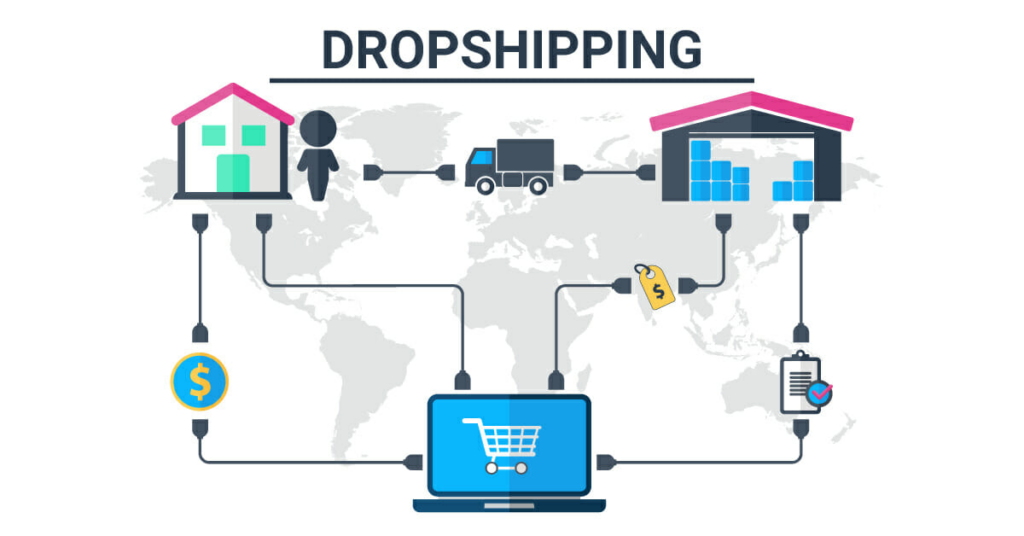
Drop shipping is a retail fulfillment method where the seller does not keep the products it sells in stock. Instead, when a store sells a product, it purchases the item from a third party—usually a wholesaler or manufacturer—and has it shipped directly to the customer. This means that the seller never handles the product directly, allowing for a streamlined business operation.
How Drop Shipping Works
The drop shipping process can be broken down into several key steps:
- Setting Up an Online Store: Entrepreneurs can create an online store using platforms like Shopify, WooCommerce, or Magento, which provide user-friendly interfaces for building e-commerce websites.
- Choosing a Niche: Selecting a specific market or product category is crucial for targeting the right audience. A well-defined niche can help differentiate the store from competitors.
- Finding Suppliers: Entrepreneurs must partner with reliable suppliers who can fulfill orders efficiently. This often involves researching potential suppliers, checking reviews, and establishing communication.
- Listing Products: Once suppliers are secured, products can be listed on the online store with detailed descriptions, high-quality images, and competitive pricing.
- Marketing the Store: Effective marketing strategies, including social media advertising, email marketing, and search engine optimization (SEO), are essential for driving traffic to the store.
- Processing Orders: When a customer places an order, the store owner forwards the order details to the supplier, who then ships the product directly to the customer.
Advantages of Drop Shipping
Low Startup Costs
One of the most significant advantages of drop shipping is the low barrier to entry. Entrepreneurs do not need to invest in inventory upfront, which reduces financial risk. This model allows individuals to start a business with minimal capital, making it accessible to a broader audience.
Flexibility and Scalability
Drop shipping offers flexibility in terms of location and scalability. Entrepreneurs can operate their businesses from anywhere with an internet connection. Additionally, as the business grows, it can easily scale by adding new products or expanding into new markets without the need for significant investment.
Wide Product Selection
With drop shipping, entrepreneurs can offer a vast array of products without the need to stock them physically. This allows for a diverse product range, catering to various customer preferences and trends. Entrepreneurs can test different products without the risk of being stuck with unsold inventory.
Minimal Overhead Costs
Since drop shipping eliminates the need for physical inventory, entrepreneurs can save on overhead costs associated with warehousing, utilities, and staffing. This allows for a leaner business model that can adapt quickly to market changes.
Challenges of Drop Shipping
Supplier Reliability
While drop shipping offers many benefits, it also comes with challenges. One of the most significant concerns is supplier reliability. If a supplier fails to deliver products on time or provides poor-quality items, it can negatively impact the store’s reputation and customer satisfaction. Entrepreneurs must conduct thorough research to find trustworthy suppliers.
Lower Profit Margins
Drop shipping often results in lower profit margins compared to traditional retail models. Since entrepreneurs do not buy products in bulk, they may pay higher prices per item, which can affect overall profitability. Additionally, competition in the drop shipping space can drive prices down, further squeezing margins.
Inventory Management
Managing inventory can be challenging in a drop shipping model. Since products are sourced from multiple suppliers, keeping track of stock levels and ensuring product availability can be complex. Entrepreneurs must stay in constant communication with suppliers to avoid selling out-of-stock items.
Shipping Complexities
Shipping can become complicated when dealing with multiple suppliers, especially if they are located in different regions. This can lead to longer delivery times and increased shipping costs, which may deter potential customers. Additionally, handling returns and exchanges can be more challenging when products are shipped directly from suppliers.
Strategies for Success in Drop Shipping
Research and Select the Right Niche
Choosing the right niche is crucial for success in drop shipping. Entrepreneurs should conduct thorough market research to identify trending products and target audiences. Focusing on a specific niche can help differentiate the store from competitors. Tools like Google Trends and social media analytics can provide insights into consumer preferences and emerging trends.
Build Strong Relationships with Suppliers
Establishing strong relationships with reliable suppliers is essential for ensuring smooth operations. Entrepreneurs should communicate regularly with suppliers, monitor their performance, and address any issues promptly. Building a rapport can lead to better pricing, priority service, and improved product quality.
Optimize the Online Store
An optimized online store is vital for attracting and retaining customers. This includes creating a user-friendly website, optimizing product descriptions for search engines, and ensuring fast loading times. High-quality images and clear calls to action can also enhance the shopping experience. Additionally, implementing a responsive design ensures that the store is accessible on various devices, including smartphones and tablets.
Implement Effective Marketing Strategies
Marketing plays a crucial role in driving traffic to the online store. Entrepreneurs should leverage social media platforms, email marketing, and search engine optimization to reach potential customers. Paid advertising can also be an effective way to boost visibility and sales. Collaborating with influencers in the niche can help reach a broader audience and build credibility.
Monitor Performance and Adapt
Regularly monitoring the store’s performance is essential for identifying areas for improvement. Entrepreneurs should analyze sales data, customer feedback, and website analytics to make informed decisions and adapt their strategies accordingly. Utilizing tools like Google Analytics can provide valuable insights into customer behavior and preferences.
Automate Processes
To streamline operations, entrepreneurs can utilize automation tools for various aspects of their drop shipping business. This includes automating order processing, inventory management, and customer communication. Automation can save time and reduce the likelihood of errors, allowing entrepreneurs to focus on growing their business.
Focus on Customer Service
Providing excellent customer service is crucial for building a loyal customer base. Entrepreneurs should be responsive to customer inquiries, address concerns promptly, and handle returns and exchanges efficiently. Implementing a live chat feature on the website can enhance customer support and improve the overall shopping experience.
Stay Informed About Industry Trends
The e-commerce landscape is constantly evolving, and staying informed about industry trends is essential for success. Entrepreneurs should follow industry news, attend webinars, and participate in online forums to keep up with changes in consumer behavior, technology, and market dynamics.
Conclusion
Drop shipping presents a unique opportunity for aspiring entrepreneurs to enter the e-commerce space with minimal risk. By understanding the intricacies of this business model, including its advantages and challenges, individuals can develop effective strategies for success. With careful planning, research, and execution, drop shipping can lead to a thriving online business.
To enhance your drop shipping journey and discover a wide range of products to sell, consider exploring the offerings at LooperBuy. Visit https://looperbuy.com/ for more information.
Related Questions & Answers
· What are the best strategies for finding reliable drop shipping suppliers? To find reliable drop shipping suppliers, entrepreneurs should research potential suppliers, read reviews, and consider using platforms like AliExpress, Oberlo, or SaleHoo. Establishing communication and requesting samples can also help assess reliability.
· How can I effectively manage customer returns and refunds in a drop shipping business? To manage customer returns and refunds effectively, entrepreneurs should establish clear return policies, communicate them to customers, and work closely with suppliers to facilitate the return process. Providing excellent customer service can also help mitigate issues.
· What are some common legal mistakes to avoid when starting a drop shipping business? Common legal mistakes include failing to register the business, neglecting to obtain necessary licenses, and not understanding tax obligations. Entrepreneurs should also ensure compliance with consumer protection laws and the terms of service of their suppliers.
Hot Tags: E-commerce; Online Business; Retail Fulfillment; Supplier Management; Market Research; Digital Marketing; Inventory Control; Profit Margins; Business Strategies