Table of Contents
Introduction to E-commerce Models
In the rapidly evolving world of online retail, various business models have emerged, each with its own set of advantages and challenges. Among these, drop shipping has gained significant attention, often sparking debates about its legitimacy and effectiveness. This article aims to explore the intricacies of drop shipping, addressing common misconceptions and providing a comprehensive understanding of this business model.
What is Drop Shipping?
Defining Drop Shipping
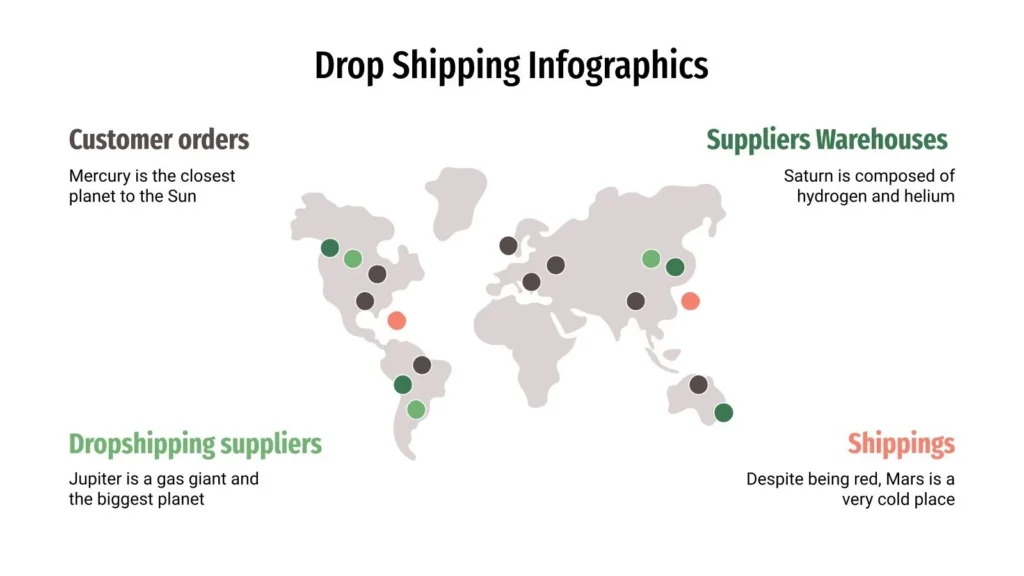
Drop shipping is a retail fulfillment method where the seller does not keep the products it sells in stock. Instead, when a store sells a product, it purchases the item from a third party—usually a wholesaler or manufacturer—and has it shipped directly to the customer. This means that the seller never handles the product directly, allowing for a streamlined business operation.
How Drop Shipping Works
The drop shipping process can be broken down into several key steps:
- Setting Up an Online Store: Entrepreneurs can create an online store using platforms like Shopify, WooCommerce, or Magento, which provide user-friendly interfaces for building e-commerce websites.
- Choosing a Niche: Selecting a specific market or product category is crucial for targeting the right audience. A well-defined niche can help differentiate the store from competitors.
- Finding Suppliers: Entrepreneurs must partner with reliable suppliers who can fulfill orders efficiently. This often involves researching potential suppliers, checking reviews, and establishing communication.
- Listing Products: Once suppliers are secured, products can be listed on the online store with detailed descriptions, high-quality images, and competitive pricing.
- Marketing the Store: Effective marketing strategies, including social media advertising, email marketing, and search engine optimization (SEO), are essential for driving traffic to the store.
- Processing Orders: When a customer places an order, the store owner forwards the order details to the supplier, who then ships the product directly to the customer.
Common Misconceptions About Drop Shipping
Is Drop Shipping a Scam?
One of the most prevalent misconceptions about drop shipping is that it is a scam. This belief often stems from the experiences of individuals who have encountered unreliable suppliers or poor-quality products. However, it is essential to differentiate between the drop shipping model itself and the practices of specific businesses within that model.
The Reality of Drop Shipping
While there are certainly scams and unethical practices in the drop shipping industry, the model itself is not inherently fraudulent. Many legitimate businesses successfully operate using drop shipping, providing quality products and excellent customer service. The key to success lies in thorough research, careful supplier selection, and effective business management.
Advantages of Drop Shipping
Low Startup Costs
One of the most significant advantages of drop shipping is the low barrier to entry. Entrepreneurs do not need to invest in inventory upfront, which reduces financial risk. This model allows individuals to start a business with minimal capital, making it accessible to a broader audience.
Flexibility and Scalability
Drop shipping offers flexibility in terms of location and scalability. Entrepreneurs can operate their businesses from anywhere with an internet connection. Additionally, as the business grows, it can easily scale by adding new products or expanding into new markets without the need for significant investment.
Wide Product Selection
With drop shipping, entrepreneurs can offer a vast array of products without the need to stock them physically. This allows for a diverse product range, catering to various customer preferences and trends. Entrepreneurs can test different products without the risk of being stuck with unsold inventory.
Challenges of Drop Shipping
Supplier Reliability
While drop shipping offers many benefits, it also comes with challenges. One of the most significant concerns is supplier reliability. If a supplier fails to deliver products on time or provides poor-quality items, it can negatively impact the store’s reputation and customer satisfaction. Entrepreneurs must conduct thorough research to find trustworthy suppliers.
Lower Profit Margins
Drop shipping often results in lower profit margins compared to traditional retail models. Since entrepreneurs do not buy products in bulk, they may pay higher prices per item, which can affect overall profitability. Additionally, competition in the drop shipping space can drive prices down, further squeezing margins.
Inventory Management
Managing inventory can be challenging in a drop shipping model. Since products are sourced from multiple suppliers, keeping track of stock levels and ensuring product availability can be complex. Entrepreneurs must stay in constant communication with suppliers to avoid selling out-of-stock items.
Strategies for Success in Drop Shipping
Research and Select the Right Niche
Choosing the right niche is crucial for success in drop shipping. Entrepreneurs should conduct thorough market research to identify trending products and target audiences. Focusing on a specific niche can help differentiate the store from competitors. Tools like Google Trends and social media analytics can provide insights into consumer preferences and emerging trends.
Build Strong Relationships with Suppliers
Establishing strong relationships with reliable suppliers is essential for ensuring smooth operations. Entrepreneurs should communicate regularly with suppliers, monitor their performance, and address any issues promptly. Building a rapport can lead to better pricing, priority service, and improved product quality.
Optimize the Online Store
An optimized online store is vital for attracting and retaining customers. This includes creating a user-friendly website, optimizing product descriptions for search engines, and ensuring fast loading times. High-quality images and clear calls to action can also enhance the shopping experience. Additionally, implementing a responsive design ensures that the store is accessible on various devices, including smartphones and tablets.
Implement Effective Marketing Strategies
Marketing plays a crucial role in driving traffic to the online store. Entrepreneurs should leverage social media platforms, email marketing, and search engine optimization to reach potential customers. Paid advertising can also be an effective way to boost visibility and sales. Collaborating with influencers in the niche can help reach a broader audience and build credibility.
Monitor Performance and Adapt
Regularly monitoring the store’s performance is essential for identifying areas for improvement. Entrepreneurs should analyze sales data, customer feedback, and website analytics to make informed decisions and adapt their strategies accordingly. Utilizing tools like Google Analytics can provide valuable insights into customer behavior and preferences.
Conclusion
Drop shipping presents a unique opportunity for aspiring entrepreneurs to enter the e-commerce space with minimal risk. While misconceptions about the model exist, it is essential to understand that drop shipping itself is not a scam. By conducting thorough research, selecting reliable suppliers, and implementing effective business strategies, individuals can build successful drop shipping businesses. With careful planning and execution, drop shipping can lead to a thriving online business.
To enhance your drop shipping experience and discover a wide range of quality products, visit LooperBuy for more information. Visit https://looperbuy.com/ for more information.
Related Questions & Answers
· Is drop shipping a legitimate business model? Yes, drop shipping is a legitimate business model that many entrepreneurs successfully use to sell products online.
· What are the risks associated with drop shipping? Risks include supplier reliability, lower profit margins, and challenges in inventory management.
· How can I find reliable suppliers for my drop shipping business? You can find reliable suppliers by researching online directories, reading reviews, and establishing communication with potential partners.
· What are the best platforms for starting a drop shipping business? Popular platforms include Shopify, WooCommerce, and BigCommerce, each offering unique features for e-commerce.
· How do I market my drop shipping store effectively? Effective marketing strategies include leveraging social media, optimizing for search engines, and utilizing email marketing to reach potential customers.
Hot Tags: E-commerce; Online Business; Retail Fulfillment; Supplier Management; Market Research; Digital Marketing; Inventory Control; Profit Margins; Business Strategies