Children’s learning toys play a crucial role in the early stages of development, providing not only entertainment but also educational benefits that can shape a child’s future. These toys are designed to stimulate cognitive, physical, and social skills, making them essential tools for parents and educators alike. In this article, we will explore the various types of children’s learning toys, their benefits, and how they can be effectively integrated into playtime to maximize learning.
Table of Contents
Understanding Children’s Learning Toys
What Are Children’s Learning Toys?
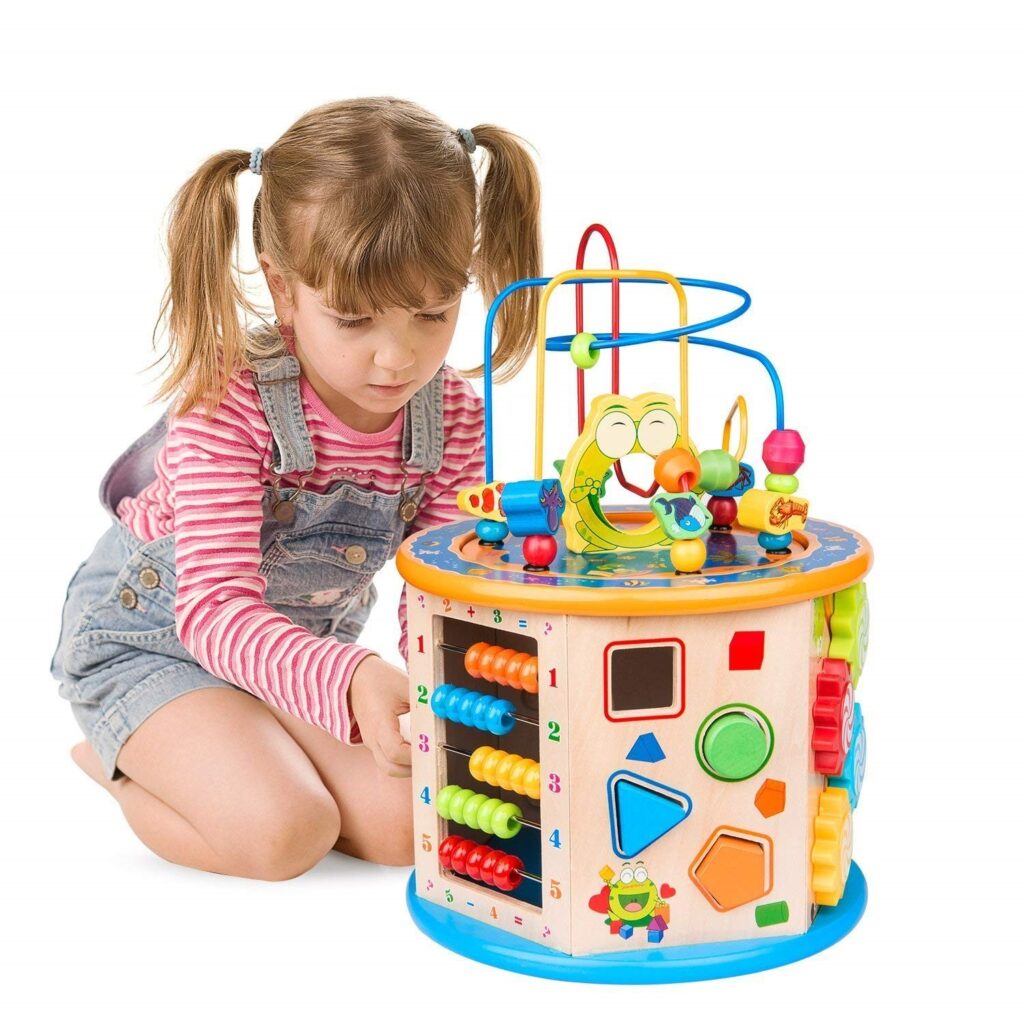
Children’s learning toys are specially designed products that promote learning through play. They encompass a wide range of items, including puzzles, building blocks, educational games, and interactive electronic devices. These toys are crafted to engage children in activities that enhance their understanding of concepts such as numbers, letters, shapes, and colors. The design of these toys often incorporates bright colors, engaging textures, and interactive elements that capture a child’s attention and encourage exploration. By making learning fun, these toys help children develop a positive attitude towards education from an early age.
The Importance of Play in Learning
Play is a fundamental aspect of childhood development. It allows children to explore their environment, experiment with new ideas, and develop critical thinking skills. Learning toys facilitate this process by providing structured yet enjoyable ways for children to learn. Through play, children can practice problem-solving, improve their motor skills, and develop social interactions with peers. Moreover, play is not just a leisure activity; it is a vital component of learning that helps children process information and make sense of the world around them. Engaging in play helps children develop creativity, imagination, and the ability to think outside the box.
Types of Children’s Learning Toys
Educational Puzzles
Puzzles are a classic example of children’s learning toys that promote cognitive development. They require children to think critically and develop spatial awareness as they fit pieces together. Educational puzzles can range from simple shapes for toddlers to complex jigsaw puzzles for older children, each designed to challenge and engage. As children work on puzzles, they learn to recognize patterns, improve their memory, and enhance their concentration skills. Additionally, completing a puzzle provides a sense of accomplishment, boosting a child’s confidence and encouraging them to tackle more challenging tasks in the future.
Building Blocks
Building blocks are versatile toys that encourage creativity and imagination. They allow children to construct various structures, fostering fine motor skills and hand-eye coordination. Additionally, building blocks can introduce basic engineering concepts, as children learn about balance, stability, and design. Playing with blocks also encourages children to think critically about how to create stable structures, which enhances their problem-solving abilities. Furthermore, building block play can be a collaborative activity, promoting social skills as children work together to build and share their creations.
Interactive Learning Games
Interactive learning games, often found in electronic formats, provide a modern twist on traditional learning. These games can cover a wide array of subjects, from math and science to language arts. They often incorporate engaging visuals and sounds, making learning fun and interactive. Many of these games adapt to a child’s skill level, ensuring that they remain challenging yet achievable. This adaptability helps maintain a child’s interest and motivation to learn. Moreover, interactive games can provide instant feedback, allowing children to understand their mistakes and learn from them in real-time.
Art and Craft Supplies
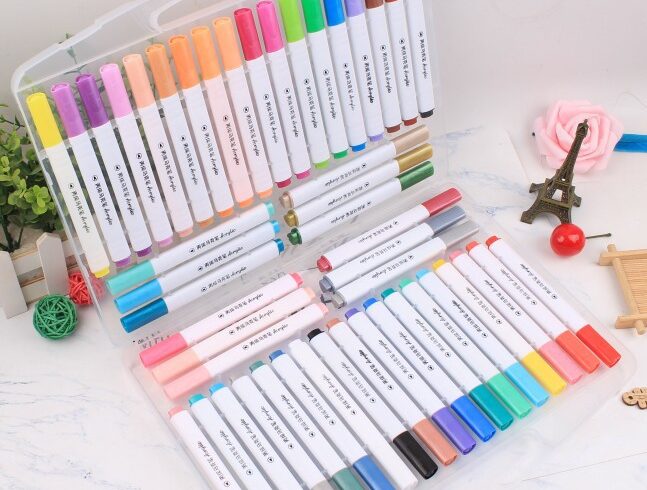
Art and craft supplies are essential for fostering creativity in children. Activities such as drawing, painting, and crafting not only enhance fine motor skills but also encourage self-expression. Learning toys in this category can include coloring books, modeling clay, and various crafting kits that inspire children to create and explore. Engaging in artistic activities allows children to experiment with colors, shapes, and textures, which can enhance their cognitive development. Additionally, art encourages emotional expression, helping children communicate their feelings and thoughts in a constructive way.
STEM Toys
STEM (Science, Technology, Engineering, and Mathematics) toys are designed to introduce children to these critical fields at an early age. These toys often involve hands-on activities that promote scientific inquiry and problem-solving. Examples include robotics kits, science experiment sets, and coding games, all of which can spark a child’s interest in STEM subjects. By engaging with STEM toys, children develop analytical thinking and learn to approach problems methodically. This early exposure to STEM concepts can inspire future academic pursuits and careers in these vital fields.
Benefits of Children’s Learning Toys
Cognitive Development
Children’s learning toys significantly contribute to cognitive development. They encourage critical thinking, problem-solving, and decision-making skills. As children engage with these toys, they learn to analyze situations, make connections, and develop strategies to overcome challenges. This cognitive engagement is crucial for developing a child’s ability to think independently and creatively. Furthermore, learning toys can help improve memory and concentration, essential skills for academic success later in life.
Physical Development
Many learning toys are designed to enhance physical skills. Toys that require manipulation, such as building blocks or puzzles, help improve fine motor skills. Additionally, toys that promote active play, like climbing structures or balance beams, contribute to gross motor development, helping children build strength and coordination. Physical play is essential for overall health and well-being, as it encourages children to be active and develop healthy habits from a young age. Engaging in physical activities also helps children understand their bodies and how to control their movements.
Social Skills
Playing with learning toys often involves interaction with peers or family members. This social aspect of play is vital for developing communication skills, teamwork, and empathy. Children learn to share, take turns, and collaborate, which are essential skills for their future social interactions. Through cooperative play, children also learn to navigate conflicts and develop negotiation skills, which are important for building relationships. These social experiences contribute to emotional intelligence, helping children understand and manage their own emotions as well as those of others.
Emotional Growth
Engaging with learning toys can also support emotional development. As children navigate challenges and experience successes while playing, they build confidence and resilience. Learning to cope with frustration when a puzzle piece doesn’t fit or celebrating a successful building project fosters a positive self-image. Additionally, play provides a safe space for children to express their emotions and explore different scenarios, which can enhance their emotional regulation skills. This emotional growth is crucial for developing healthy relationships and coping mechanisms in the future.
Choosing the Right Learning Toys
Age Appropriateness
When selecting children’s learning toys, it is crucial to consider the child’s age and developmental stage. Toys should be age-appropriate to ensure they are both safe and engaging. Manufacturers often provide age recommendations on packaging, which can guide parents in making informed choices. Choosing toys that match a child’s developmental level can enhance their learning experience and prevent frustration. Toys that are too advanced may lead to discouragement, while those that are too simple may not provide enough challenge to stimulate growth.
Safety Considerations
Safety is paramount when it comes to children’s toys. Parents should look for toys made from non-toxic materials and free from small parts that could pose choking hazards. Checking for safety certifications can also provide peace of mind. Additionally, parents should regularly inspect toys for wear and tear, ensuring they remain safe for play. Educating children about safe play practices is also important, helping them understand how to use toys responsibly and avoid potential hazards.
Educational Value
Not all toys labeled as “educational” provide the same level of learning. Parents should look for toys that align with their child’s interests and developmental needs. Toys that encourage open-ended play, creativity, and critical thinking are often the most beneficial. It is also helpful to consider how a toy can be used in multiple ways, as this versatility can enhance its educational value. Engaging with a variety of toys can provide a well-rounded learning experience, catering to different aspects of development.
Integrating Learning Toys into Daily Life
Creating a Learning Environment
To maximize the benefits of children’s learning toys, parents can create a dedicated learning space at home. This area should be organized, inviting, and stocked with a variety of toys that cater to different learning styles. A well-designed environment can inspire children to engage in learning activities independently. Incorporating elements such as comfortable seating, good lighting, and accessible storage for toys can enhance the learning experience. Additionally, displaying children’s artwork or achievements in this space can motivate them to explore and create.
Encouraging Playtime
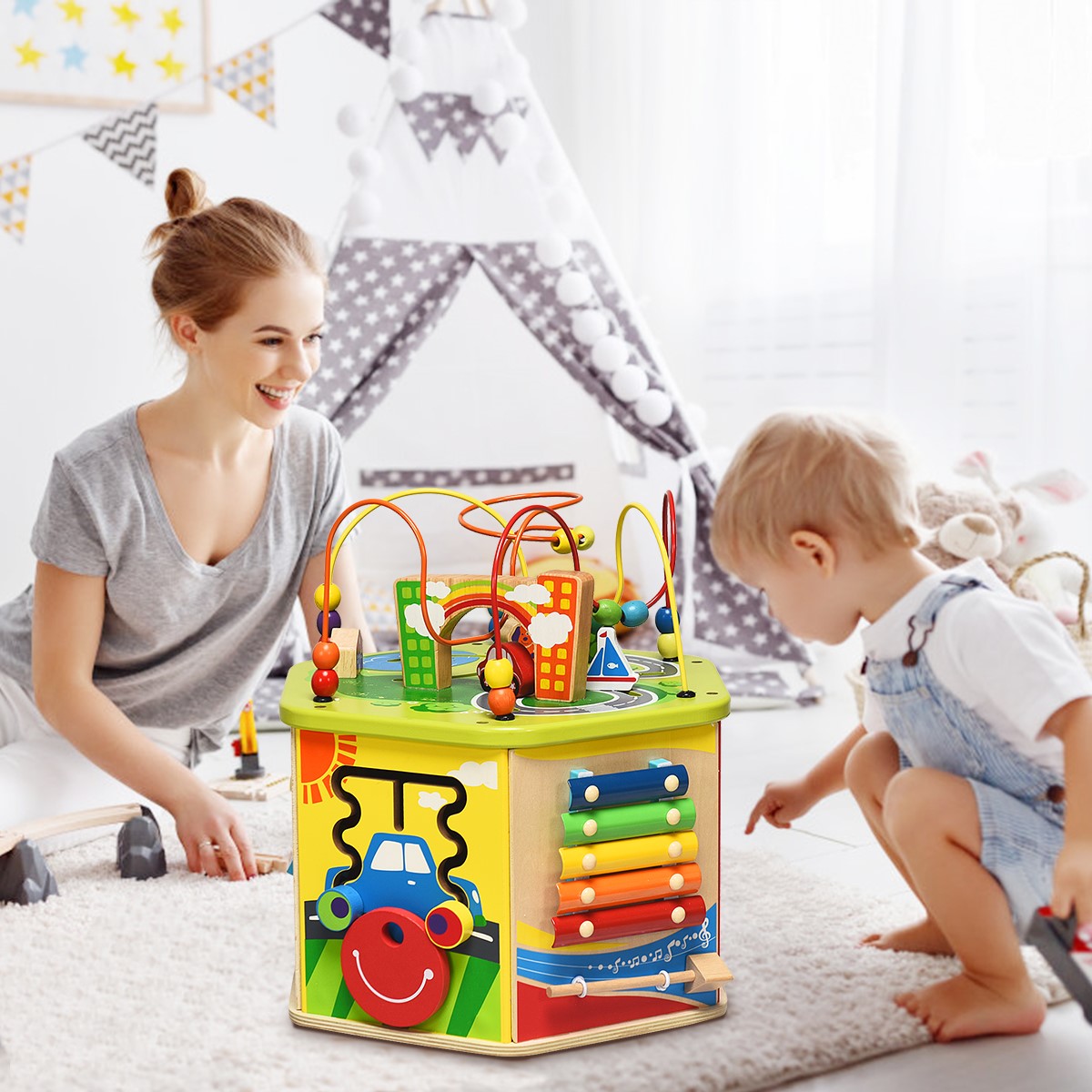
Parents should encourage regular playtime with learning toys. Setting aside specific times for play can help children develop a routine and look forward to these learning sessions. Engaging in play alongside children can also enhance the experience, providing opportunities for bonding and guided learning. Parents can introduce new toys gradually, allowing children to explore and discover at their own pace. Encouraging imaginative play can also foster creativity, as children invent stories and scenarios around their toys.
Balancing Screen Time
In today’s digital age, many learning toys come in electronic formats. While these can be beneficial, it is essential to balance screen time with hands-on play. Parents should monitor the amount of time children spend on electronic devices and ensure they engage in a variety of play experiences. Setting limits on screen time and encouraging outdoor play or creative activities can help maintain a healthy balance. Teaching children about responsible technology use is also important, helping them develop critical thinking skills regarding media consumption.
Conclusion
Children’s learning toys are invaluable tools that support various aspects of development. By choosing the right toys and integrating them into daily life, parents can foster a love of learning that lasts a lifetime. These toys not only provide entertainment but also lay the foundation for essential skills that children will carry into their future. Investing in quality learning toys is an investment in a child’s growth, helping them develop the skills they need to succeed academically and socially.
How to purchase:https://looperbuy.com/search?keywords=Children%27s+Learning+Toys
Frequently Asked Questions
1. What are the best types of learning toys for toddlers?
The best types of learning toys for toddlers include building blocks, shape sorters, and simple puzzles. These toys promote fine motor skills and cognitive development, providing a solid foundation for future learning.
2. How do learning toys benefit a child’s social skills?
Learning toys often encourage group play, which helps children develop communication skills, learn to share, and understand teamwork. Through collaborative play, children also learn to navigate conflicts and develop empathy.
3. Are electronic learning toys effective?
Yes, electronic learning toys can be effective, especially when they are interactive and adapt to a child’s learning level. However, they should be balanced with hands-on play to ensure a well-rounded learning experience.
4. What should I look for when buying educational toys?
When buying educational toys, consider age appropriateness, safety, and the educational value of the toy. Look for toys that promote creativity, critical thinking, and open-ended play.
5. How can I encourage my child to play with learning toys?
Encouraging play with learning toys can be achieved by creating a dedicated play area, setting aside regular playtime, and engaging in play alongside your child. Providing a variety of toys can also spark interest and creativity.