Table of Contents
Introduction to the Apparel Industry
The apparel industry is a dynamic and ever-evolving sector that offers numerous opportunities for entrepreneurs looking to start their own online clothing businesses. With the rise of e-commerce, many individuals are turning to drop shipping as a viable business model. This guide will explore the ins and outs of sourcing apparel from wholesalers, providing insights into how to successfully navigate this competitive market.
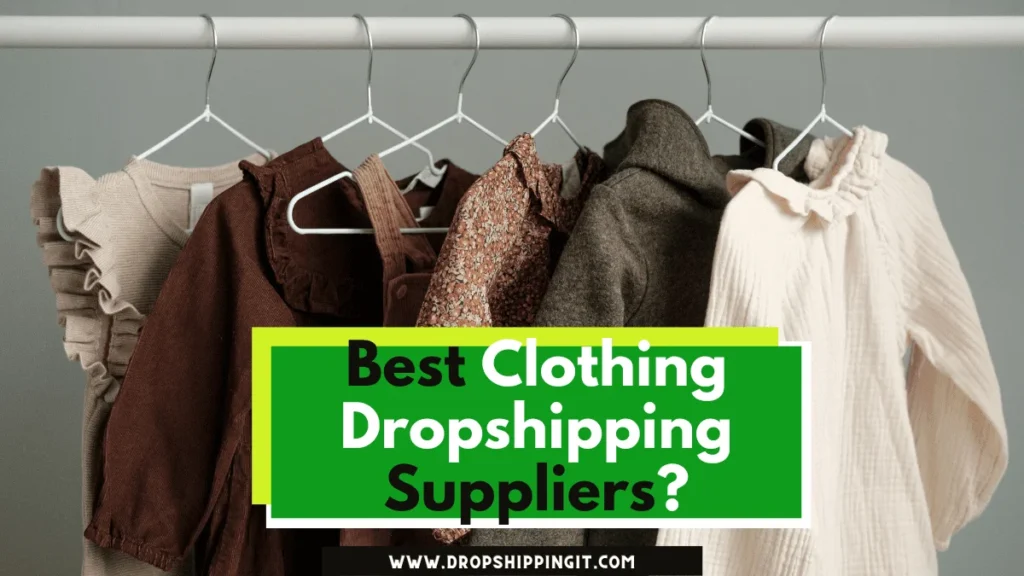
Understanding the Apparel Drop Shipping Model
What is Drop Shipping in Apparel?
Drop shipping in the apparel industry involves partnering with wholesalers who handle inventory and shipping. Retailers can sell clothing items without holding any stock themselves. When a customer places an order, the retailer forwards the order to the wholesaler, who then ships the product directly to the customer. This model allows entrepreneurs to focus on marketing and customer service while minimizing financial risk.
Benefits of Drop Shipping Apparel
- Low Startup Costs: One of the most significant advantages of drop shipping is the minimal initial investment required. Entrepreneurs do not need to purchase inventory upfront, which reduces financial risk.
- Wide Product Range: Retailers can offer a diverse selection of clothing items without the constraints of inventory management. This flexibility allows them to cater to various customer preferences and trends.
- Scalability: As the business grows, retailers can easily expand their product offerings without the need for significant investments in inventory or storage space.
- Location Independence: Drop shipping allows entrepreneurs to operate their businesses from anywhere with an internet connection, making it an attractive option for digital nomads and those seeking a flexible lifestyle.
Finding Reliable Apparel Wholesalers
Researching Wholesalers
Finding the right wholesalers is crucial for the success of a drop shipping apparel business. Retailers should conduct thorough research to identify reputable suppliers. This can involve:
- Online Directories: Websites like Alibaba, SaleHoo, and Wholesale Central provide extensive lists of wholesalers and manufacturers in the apparel industry.
- Trade Shows: Attending industry trade shows can help retailers connect with potential suppliers and see products firsthand.
- Networking: Joining online forums and social media groups related to the apparel industry can provide valuable insights and recommendations for reliable wholesalers.
Evaluating Wholesalers
Once potential wholesalers are identified, retailers should evaluate them based on several criteria:
- Product Quality: Request samples to assess the quality of the apparel. High-quality products are essential for customer satisfaction and brand reputation.
- Pricing: Compare prices among different wholesalers to ensure competitive pricing. Retailers should also consider shipping costs and any additional fees.
- Shipping Times: Fast shipping is crucial for customer satisfaction. Retailers should inquire about the average shipping times and policies of potential wholesalers.
- Customer Service: A responsive and helpful customer service team can make a significant difference in resolving issues and ensuring smooth operations.
Building Your Apparel Brand
Defining Your Niche
To stand out in the competitive apparel market, retailers should define their niche. This involves identifying a specific target audience and tailoring product offerings to meet their needs. Some popular niches in the apparel industry include:
- Athleisure: Comfortable and stylish clothing suitable for both workouts and casual wear.
- Sustainable Fashion: Eco-friendly clothing made from sustainable materials, appealing to environmentally conscious consumers.
- Plus-Size Fashion: A growing market that focuses on stylish clothing for plus-size individuals.
Creating a Strong Brand Identity
A strong brand identity is essential for attracting and retaining customers. Retailers should focus on:
- Brand Name and Logo: Choose a memorable brand name and design a professional logo that reflects the brand’s values and target audience.
- Website Design: Invest in a user-friendly and visually appealing website that showcases the brand’s products effectively.
- Social Media Presence: Utilize social media platforms to engage with customers, share content, and promote products. Building a community around the brand can foster loyalty and encourage repeat purchases.
Marketing Your Apparel Business
Effective Marketing Strategies
To drive traffic to their online stores, retailers must implement effective marketing strategies. Some key strategies include:
- Search Engine Optimization (SEO): Optimize the website for search engines to improve visibility and attract organic traffic. This includes using relevant keywords, creating high-quality content, and optimizing product descriptions.
- Social Media Advertising: Utilize platforms like Facebook, Instagram, and Pinterest to run targeted ads that reach potential customers. Visual content is particularly effective in the apparel industry.
- Influencer Marketing: Collaborate with influencers in the fashion industry to promote products. Influencers can help reach a wider audience and build credibility for the brand.
- Email Marketing: Build an email list and send regular newsletters to keep customers informed about new products, promotions, and brand updates. Personalized emails can enhance customer engagement.
Analyzing Marketing Performance
Retailers should regularly analyze the performance of their marketing efforts to identify what works and what needs improvement. This can involve tracking metrics such as website traffic, conversion rates, and customer feedback. Utilizing analytics tools can provide valuable insights into customer behavior and preferences.
Managing Customer Relationships
Providing Excellent Customer Service
Customer service plays a crucial role in the success of an apparel drop shipping business. Retailers should prioritize:
- Responsive Communication: Address customer inquiries and concerns promptly. Clear communication can enhance customer satisfaction and build trust.
- Easy Returns and Exchanges: Implement a straightforward return and exchange policy to make the process hassle-free for customers. This can encourage repeat purchases and positive reviews.
- Personalized Experiences: Tailor the shopping experience to individual customers by offering personalized recommendations and promotions based on their preferences.
Building Customer Loyalty
Loyal customers are essential for long-term success. Retailers can foster loyalty by:
- Loyalty Programs: Implementing a rewards program that offers discounts or exclusive access to new products can incentivize repeat purchases.
- Engaging Content: Share valuable content related to fashion trends, styling tips, and behind-the-scenes insights to keep customers engaged and connected to the brand.
- Soliciting Feedback: Encourage customers to provide feedback and reviews. This not only helps improve products and services but also makes customers feel valued.
Conclusion
Sourcing apparel from wholesalers for a drop shipping business can be a rewarding venture for aspiring entrepreneurs. By understanding the drop shipping model, finding reliable suppliers, building a strong brand, and implementing effective marketing strategies, retailers can navigate the competitive apparel market successfully. With dedication and a customer-centric approach, anyone can thrive in this dynamic industry.
As you embark on your journey in the apparel drop shipping business, explore the fantastic selection of trendy clothing and accessories available at LooperBuy, where quality meets affordability. Discover your next best-seller here: https://looperbuy.com/.
Related Questions & Answers
· What are the advantages of drop shipping apparel? The advantages include low startup costs, a wide product range, scalability, and location independence.
· How do I find reliable apparel wholesalers? You can find reliable wholesalers through online directories, trade shows, and networking within industry forums.
· What should I consider when evaluating wholesalers? Consider product quality, pricing, shipping times, and customer service when evaluating potential wholesalers.
· How can I effectively market my apparel business? Utilize SEO, social media advertising, influencer marketing, and email marketing to effectively promote your apparel business.
· What strategies can I use to build customer loyalty? Implement loyalty programs, share engaging content, and solicit customer feedback to foster loyalty among your customers.
Hot Tags: Apparel Drop Shipping; Fashion Wholesalers; E-commerce; Online Retail; Brand Building; Marketing Strategies; Customer Service; Niche Selection; Sustainable Fashion