
Table of Contents
Introduction to Global Shipping
In an increasingly interconnected world, global shipping has become a cornerstone of international trade and commerce. As businesses expand their reach across borders, the demand for efficient and reliable shipping solutions has never been greater. This article explores the evolving landscape of global shipping, focusing on the challenges, innovations, and strategies that are shaping the future of logistics and supply chain management.
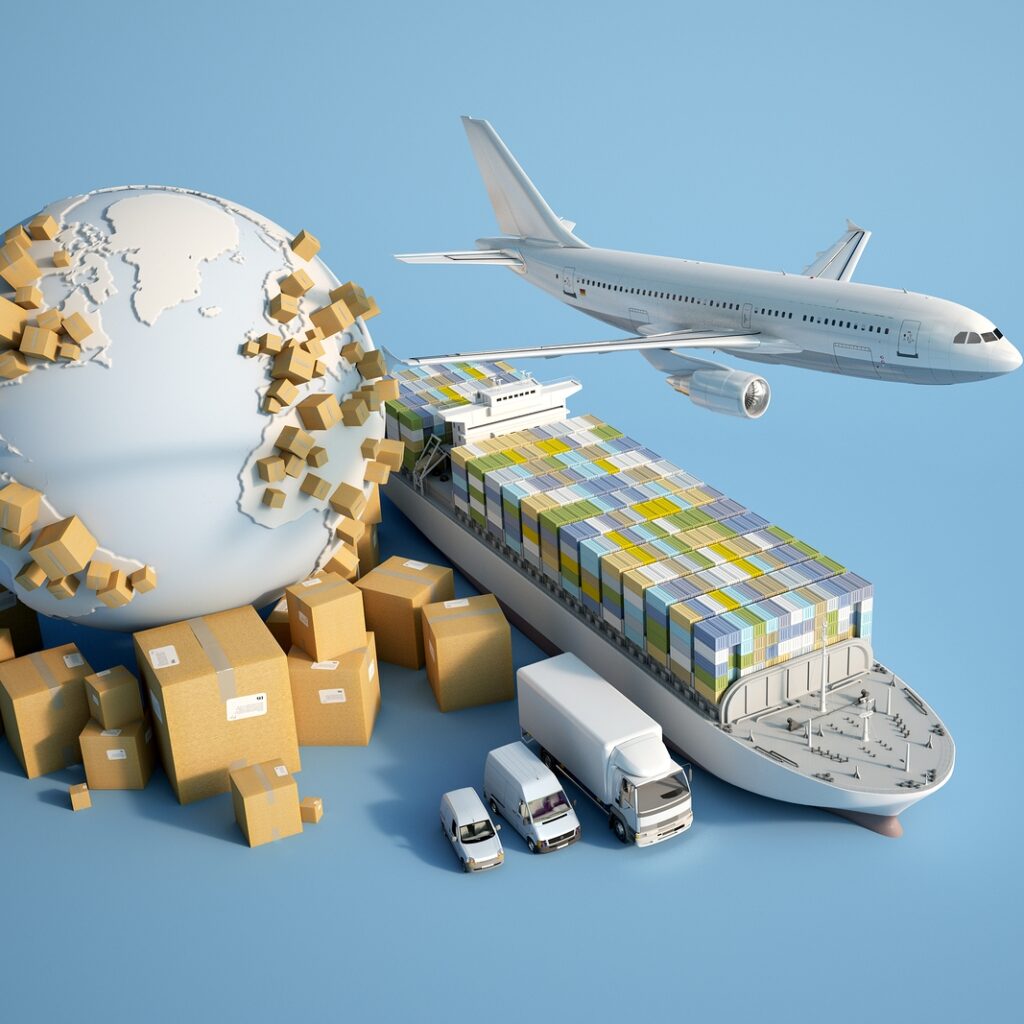
Understanding the Global Shipping Landscape
The Growth of International Trade
International trade has experienced remarkable growth over the past few decades, driven by globalization and advancements in technology. According to recent statistics, global merchandise trade is expected to reach unprecedented levels, with countries relying on imports and exports to fuel their economies. This surge in trade has led to an increased demand for shipping services, prompting logistics companies to adapt and innovate.
Key Players in Global Shipping
The global shipping industry comprises various stakeholders, each playing a vital role in the supply chain. These include:
- Shipping Companies: These companies operate fleets of vessels that transport goods across oceans and waterways. Major players in the industry include Maersk, MSC, and CMA CGM.
- Freight Forwarders: Freight forwarders act as intermediaries between shippers and carriers, managing the logistics of transporting goods. They handle documentation, customs clearance, and coordination of shipments.
- Customs Brokers: Customs brokers facilitate the clearance of goods through customs, ensuring compliance with regulations and tariffs. They play a crucial role in expediting the shipping process.
- Logistics Providers: Logistics providers offer a range of services, including warehousing, inventory management, and distribution. They help businesses optimize their supply chains for efficiency and cost-effectiveness.
Trends Influencing Global Shipping
Several trends are shaping the future of global shipping, including:
- E-commerce Boom: The rise of e-commerce has transformed consumer behavior, leading to increased demand for fast and reliable shipping solutions. Online retailers are investing in logistics to meet customer expectations for quick delivery.
- Sustainability Initiatives: As environmental concerns grow, the shipping industry is under pressure to adopt sustainable practices. Companies are exploring alternative fuels, energy-efficient vessels, and eco-friendly packaging to reduce their carbon footprint.
- Technological Advancements: Innovations in technology, such as automation, artificial intelligence, and blockchain, are revolutionizing the shipping industry. These technologies enhance visibility, streamline operations, and improve decision-making.
The Shipping Process: From Origin to Destination
Preparing for Shipment
The shipping process begins with careful planning and preparation. Businesses must consider several factors when preparing goods for shipment, including:
- Packaging: Proper packaging is essential to protect products during transit. Companies must choose materials that are durable and suitable for the type of goods being shipped.
- Labeling: Accurate labeling is crucial for ensuring that shipments are delivered to the correct destination. Labels should include essential information such as addresses, tracking numbers, and handling instructions.
- Documentation: Shipping documentation, including invoices, packing lists, and customs declarations, must be prepared to facilitate the shipping process. These documents are essential for compliance with regulations and smooth customs clearance.
Choosing the Right Shipping Method
Selecting the appropriate shipping method is critical for meeting delivery timelines and budget constraints. Businesses can choose from various shipping options, including:
- Air Freight: Air freight is the fastest shipping method, ideal for time-sensitive shipments. However, it is also the most expensive option, making it suitable for high-value or urgent goods.
- Ocean Freight: Ocean freight is a cost-effective option for transporting large volumes of goods. While it takes longer than air freight, it is often the preferred choice for bulk shipments.
- Land Transportation: Land transportation, including trucking and rail, is essential for moving goods within countries or regions. It is often used in conjunction with air or ocean freight for door-to-door delivery.
Customs Clearance and Compliance
Navigating customs regulations is a critical aspect of global shipping. Businesses must ensure that their shipments comply with the laws and regulations of both the exporting and importing countries. Key considerations include:
- Tariffs and Duties: Understanding applicable tariffs and duties is essential for calculating shipping costs. Businesses must factor these expenses into their pricing strategies.
- Documentation Requirements: Each country has specific documentation requirements for customs clearance. Companies must ensure that all necessary paperwork is complete and accurate to avoid delays.
- Regulatory Compliance: Compliance with international trade regulations is crucial for avoiding penalties and ensuring smooth operations. Businesses should stay informed about changes in regulations that may impact their shipments.
Challenges in Global Shipping
Supply Chain Disruptions
Global shipping is susceptible to various disruptions, including natural disasters, geopolitical tensions, and pandemics. These disruptions can lead to delays, increased costs, and supply chain inefficiencies. Companies must develop contingency plans to mitigate the impact of such events.
Rising Shipping Costs
Shipping costs have been on the rise due to factors such as fuel price fluctuations, port congestion, and increased demand for shipping services. Businesses must find ways to manage these costs while maintaining competitive pricing for their products.
Environmental Concerns
The shipping industry is under increasing scrutiny for its environmental impact. Companies are being urged to adopt sustainable practices to reduce emissions and minimize their carbon footprint. This includes investing in cleaner technologies and exploring alternative fuels.
Strategies for Success in Global Shipping
Embracing Technology
Leveraging technology is essential for optimizing shipping operations. Companies can utilize tools such as:
- Transportation Management Systems (TMS): TMS software helps businesses plan, execute, and optimize their shipping processes. It provides visibility into shipments, enabling better decision-making.
- Blockchain Technology: Blockchain can enhance transparency and traceability in the supply chain. It allows for secure sharing of information among stakeholders, reducing the risk of fraud and errors.
- Data Analytics: Analyzing shipping data can provide valuable insights into performance metrics, helping companies identify areas for improvement and cost savings.
Focusing on Customer Experience
Providing an exceptional customer experience is crucial for building brand loyalty. Companies should prioritize:
- Timely Deliveries: Meeting delivery deadlines is essential for customer satisfaction. Businesses must optimize their shipping processes to ensure timely arrivals.
- Clear Communication: Keeping customers informed about their shipments, including tracking updates and potential delays, enhances the overall experience.
- Flexible Shipping Options: Offering a variety of shipping options allows customers to choose the method that best suits their needs, whether it’s expedited delivery or cost-effective solutions.
Building Strong Partnerships
Collaborating with reliable shipping partners is vital for success in global shipping. Companies should:
- Evaluate Shipping Providers: Assess potential shipping providers based on their reliability, service offerings, and pricing. Building strong relationships with trusted partners can lead to better service and cost savings.
- Negotiate Contracts: Negotiating favorable contracts with shipping providers can help businesses secure competitive rates and terms. Long-term partnerships can lead to additional benefits, such as priority service during peak seasons.
Conclusion
The landscape of global shipping is constantly evolving, driven by advancements in technology, changing consumer preferences, and the need for sustainability. By understanding the complexities of the shipping process, embracing innovative solutions, and focusing on customer experience, businesses can navigate the challenges of global logistics and thrive in the competitive marketplace. As the world becomes increasingly interconnected, the importance of efficient and reliable shipping solutions will only continue to grow.
As you navigate the complexities of global shipping, take advantage of seamless and affordable shipping solutions that can elevate your business operations. Discover more at https://looperbuy.com/.
Related Questions & Answers
· What are the most common challenges faced by businesses in the global shipping industry? Businesses often face challenges such as supply chain disruptions, rising shipping costs, regulatory compliance, and environmental concerns.
· How can companies ensure compliance with international shipping regulations? Companies can ensure compliance by staying informed about regulations, maintaining accurate documentation, and working with customs brokers who understand the requirements of different countries.
· What role does technology play in enhancing the efficiency of global shipping? Technology plays a crucial role by providing tools for tracking shipments, optimizing routes, managing inventory, and facilitating communication among stakeholders.
· How can businesses improve their customer experience in the shipping process? Businesses can improve customer experience by providing timely updates on shipment status, offering flexible shipping options, and ensuring reliable delivery times.
· What are the benefits of adopting sustainable practices in the shipping industry? Adopting sustainable practices can lead to cost savings, improved brand reputation, compliance with regulations, and a positive impact on the environment, which can attract eco-conscious consumers.
Hot Tags: Global Shipping; Supply Chain Management; E-commerce Logistics; Sustainable Practices; Freight Forwarding; Customs Compliance; Shipping Technology; Market Trends; Logistics Solutions