Table of Contents
Introduction to E-commerce and Dropshipping
The rise of e-commerce has transformed the way businesses operate, allowing entrepreneurs to reach global markets with minimal overhead. Among the various business models available, dropshipping has gained significant traction due to its low barrier to entry and flexibility. This article explores the intricacies of dropshipping, particularly focusing on sourcing products from manufacturers in the UK. We will discuss the benefits, challenges, and strategies for successfully navigating this dynamic landscape.
Understanding Dropshipping
What is Dropshipping?
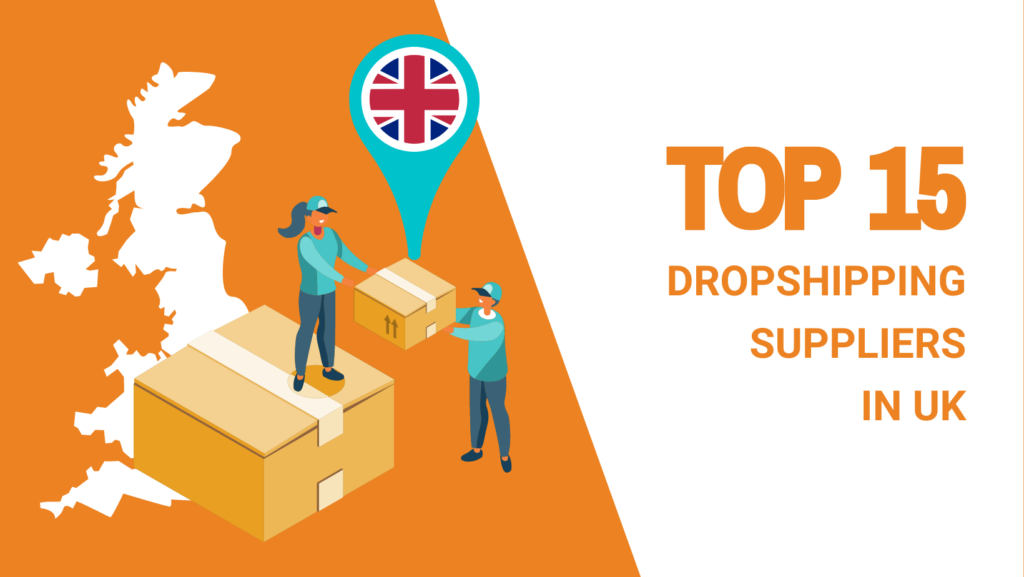
Dropshipping is a retail fulfillment method where a store does not keep the products it sells in stock. Instead, when a store sells a product, it purchases the item from a third party and has it shipped directly to the customer. This model eliminates the need for inventory management and reduces upfront costs, making it an attractive option for new entrepreneurs.
How Dropshipping Works
The dropshipping process involves several key steps:
- Setting Up an Online Store: Entrepreneurs create an online store using platforms like Shopify, WooCommerce, or BigCommerce.
- Partnering with Suppliers: Store owners find suppliers or manufacturers who offer dropshipping services. This can be done through directories or by directly contacting manufacturers.
- Listing Products: Products are listed on the online store, often with images and descriptions provided by the supplier.
- Receiving Orders: When a customer places an order, the store owner forwards the order details to the supplier.
- Shipping: The supplier ships the product directly to the customer, and the store owner retains the profit margin.
Benefits of Dropshipping in the UK
Low Startup Costs
One of the most significant advantages of dropshipping is the low startup costs. Entrepreneurs do not need to invest in inventory upfront, which reduces financial risk. This model allows individuals to start a business with minimal capital, making it accessible to a broader audience.
Flexibility and Scalability
Dropshipping offers flexibility in terms of product offerings and business operations. Entrepreneurs can easily add or remove products from their store without the constraints of inventory management. Additionally, as the business grows, scaling operations is straightforward since suppliers handle the logistics.
Access to a Wide Range of Products
UK manufacturers often provide a diverse range of products, allowing dropshippers to cater to various niches. This access enables entrepreneurs to test different markets and find profitable products without significant investment.
Challenges of Dropshipping
Supplier Reliability
While dropshipping offers many benefits, it also comes with challenges. One of the primary concerns is supplier reliability. Entrepreneurs must thoroughly vet suppliers to ensure they can deliver quality products on time. Poor supplier performance can lead to customer dissatisfaction and damage the store’s reputation.
Thin Profit Margins
Dropshipping typically involves lower profit margins compared to traditional retail models. Since many dropshippers source products from the same suppliers, competition can drive prices down, making it challenging to maintain healthy profit margins. Entrepreneurs must carefully consider pricing strategies to remain competitive while ensuring profitability.
Inventory Management Issues
Although dropshipping eliminates the need for inventory management, it can still pose challenges. Suppliers may run out of stock or discontinue products without notice, leading to potential order fulfillment issues. Entrepreneurs must stay informed about their suppliers’ inventory levels to avoid disappointing customers.
Finding Reliable Dropshipping Manufacturers in the UK
Researching Suppliers
Finding reliable dropshipping manufacturers in the UK requires thorough research. Entrepreneurs can start by exploring online directories, trade shows, and industry forums. Websites like Alibaba, SaleHoo, and Wholesale Central can provide valuable insights into potential suppliers.
Evaluating Supplier Credentials
Once potential suppliers are identified, it is essential to evaluate their credentials. Entrepreneurs should consider factors such as:
- Experience: Look for suppliers with a proven track record in the industry.
- Reviews and Testimonials: Check for customer reviews and testimonials to gauge supplier reliability.
- Product Quality: Request samples to assess the quality of the products before listing them in the store.
Establishing Communication
Effective communication is crucial when working with suppliers. Entrepreneurs should establish clear lines of communication to address any concerns or questions promptly. Building a strong relationship with suppliers can lead to better service and support.
Marketing Your Dropshipping Business
Building an Online Presence
Creating a strong online presence is vital for attracting customers to a dropshipping business. Entrepreneurs should focus on:
- Website Design: A user-friendly and visually appealing website can enhance the shopping experience. Ensure that the site is optimized for mobile devices, as many consumers shop on their phones.
- SEO Optimization: Implementing search engine optimization (SEO) strategies can help improve the store’s visibility in search engine results. This includes using relevant keywords, optimizing product descriptions, and creating quality content.
Utilizing Social Media
Social media platforms are powerful marketing tools for dropshipping businesses. Entrepreneurs can leverage platforms like Instagram, Facebook, and Pinterest to showcase products, engage with customers, and drive traffic to their online store. Creating visually appealing content and running targeted ads can significantly increase brand awareness.
Email Marketing
Email marketing is an effective way to nurture customer relationships and drive repeat sales. Entrepreneurs can build an email list by offering incentives such as discounts or exclusive content. Regularly sending newsletters and promotional offers can keep customers engaged and encourage them to return to the store.
Conclusion
Navigating the landscape of dropshipping in the UK presents both opportunities and challenges. By understanding the benefits and potential pitfalls, entrepreneurs can make informed decisions when sourcing products from manufacturers. Building strong relationships with reliable suppliers, implementing effective marketing strategies, and maintaining a customer-centric approach are essential for success in this dynamic e-commerce environment.
Unlock the potential of your e-commerce journey by exploring a wide range of quality products at unbeatable prices—visit us at https://looperbuy.com/ today!
Related Questions & Answers
· What are the best platforms for setting up a dropshipping store? Popular platforms for dropshipping include Shopify, WooCommerce, and BigCommerce, each offering unique features to facilitate online sales.
· How can I find reliable dropshipping suppliers in the UK? You can find reliable suppliers by researching online directories, attending trade shows, and checking reviews and testimonials from other entrepreneurs.
· What are the common challenges faced by dropshippers? Common challenges include supplier reliability, thin profit margins, and inventory management issues, which can impact customer satisfaction.
· How can I improve my dropshipping profit margins? To improve profit margins, consider optimizing pricing strategies, reducing shipping costs, and focusing on high-demand products with less competition.
· Is dropshipping a sustainable business model? Dropshipping can be sustainable if managed effectively, with a focus on building strong supplier relationships, maintaining quality control, and implementing effective marketing strategies.
Hot Tags: Dropshipping UK; E-commerce Strategies; Online Retail; Supplier Reliability; Product Sourcing; Digital Marketing; Business Scalability; Low Startup Costs; Inventory Management