Amazon dropshipping in 2026 is possible, but success depends on disciplined sourcing, fee control, and reliable fulfillment. This guide explains the real costs, profit math, supplier standards, and practical steps needed to build a safer, more scalable business.
Amazon dropshipping in 2026 is still viable, but it is no longer a shortcut business. The sellers who succeed today treat it like a margin-controlled operation: they manage fees carefully, choose suppliers with discipline, and build a fulfillment process that can keep up with Amazon’s expectations for speed and consistency.
For B2B sellers and sourcing-led businesses, the real opportunity is bigger than simply listing products on Amazon. The real value lies in building a sourcing model that reduces inventory pressure, lowers warehouse dependency, and keeps working capital flexible while still protecting profit.
Table of Contents
What Amazon Dropshipping Means in 2026
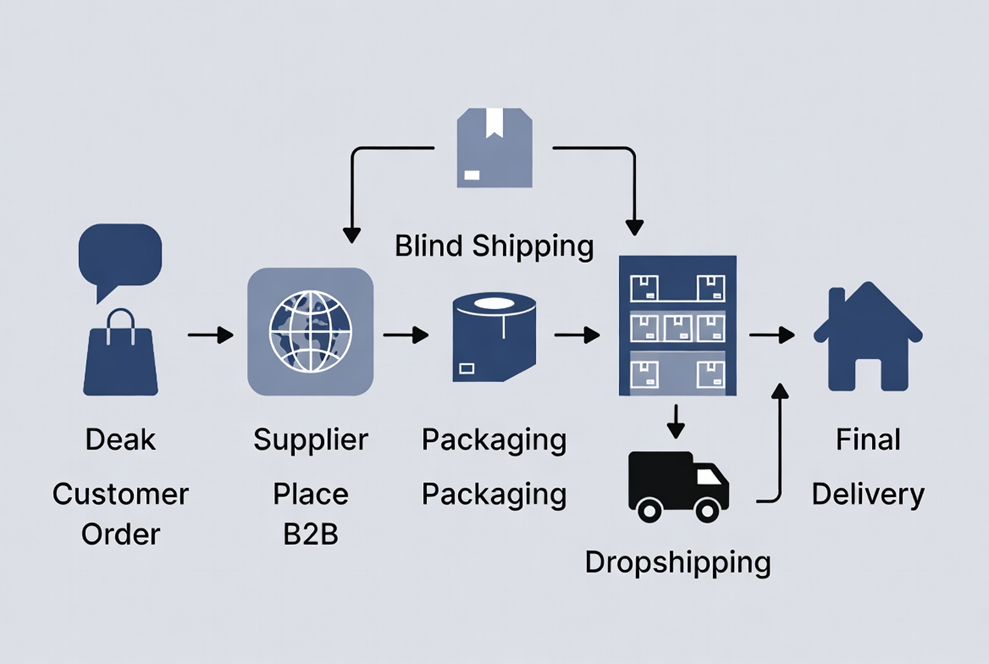
Amazon still allows dropshipping, but only under strict conditions. You must be the seller of record, and your business must appear on invoices, packing slips, and external packaging. In other words, the customer must see you as the actual seller, not the supplier behind the scenes.
That distinction matters. If a supplier ships an order with the wrong packaging, slow dispatch, or inconsistent product quality, Amazon does not hold the supplier accountable. It holds your account accountable. That is why dropshipping on Amazon now requires more operational control than many beginners expect.
The True Cost Structure Behind Amazon Dropshipping
One of the biggest mistakes sellers make is focusing only on the product price. In reality, Amazon dropshipping has several layers of cost, and each one affects your final margin.
The main cost categories
– Professional Seller account: $39.99 per month.
– Referral fees: usually 8% to 15%, depending on category.
– Product cost: ideally low enough to leave room for profit after all platform fees.
– Shipping and fulfillment: often underestimated, especially for slower or heavier products.
– Advertising: early-stage sellers often spend 15% to 20% of revenue on ads.
– Software tools: inventory syncing, repricing, and analytics tools add recurring overhead.
A simple margin example
Suppose you sell a product for $50. If your product cost, shipping, Amazon fees, and advertising combine to $38, your gross profit is only $12. That may look acceptable at first, but once returns, ad fluctuations, and account-level costs are included, the margin can shrink very quickly.
The lesson is simple: revenue is not profit. In Amazon dropshipping, thin margins can disappear fast if your sourcing or fulfillment process is weak.
Why Amazon Dropshipping Is Harder in 2026
Amazon has become more automated, more competitive, and less forgiving. That is good news for serious operators, but bad news for sellers who rely on outdated tactics.
The main pressure points in 2026 are:
– Higher advertising costs, which squeeze margin.
– Stricter compliance enforcement, especially around seller-of-record rules.
– Faster delivery expectations, which make slow sourcing harder to sustain.
– Greater sensitivity to returns and negative feedback, which can damage both profitability and account health.
In short, the model still works, but only if your operations are tight. The sellers who survive are the ones who build systems, not just listings.
What a Healthy Profit Strategy Looks Like
The best Amazon dropshipping strategy in 2026 is not about finding the cheapest supplier. It is about creating enough pricing room to absorb Amazon’s fees, customer expectations, and occasional operational mistakes.
A practical profit rule
A safer approach is to aim for:
1. Retail pricing at least 2.5x your landed product cost.
2. A minimum of 15% gross margin after platform fees.
3. Enough buffer to handle returns, refunds, and ad variation.
This is why many experienced sellers focus on mid-priced products. Those products often provide enough margin flexibility to cover ads and fees without requiring an extreme sales volume to stay profitable.
Product Selection Matters More Than Product Count
A common beginner mistake is trying to list too many products too quickly. In 2026, a smaller catalog of reliable, well-chosen SKUs will usually outperform a large catalog of inconsistent items.
Better product criteria
Look for products that are:
– Lightweight and inexpensive to ship.
– Low-risk in terms of returns.
– Easy to understand without long explanation.
– Not dominated by major brands.
– Capable of supporting a healthy markup.
– Available from suppliers who can ship quickly and discreetly.
If a product depends on slow shipping, fragile packaging, or constant customer education, it is usually a weak fit for Amazon dropshipping.
Supplier Quality Is Your Real Competitive Advantage
In Amazon dropshipping, the supplier is not just a back-end vendor. The supplier is part of the customer experience. If the supplier fails, your brand absorbs the damage.
That is why stronger sellers now evaluate suppliers on more than price alone. They look for:
– Blind shipping support.
– Inventory synchronization.
– Fast dispatch times.
– Clear invoicing.
– Consistent product quality.
A supplier relationship that looks cheap on paper can become expensive in practice if it creates delays, cancellations, or account issues. Stability is often more valuable than the lowest unit cost.
Automation Is No Longer Optional
Manual dropshipping is increasingly difficult to scale. As order volume grows, automation becomes essential for reducing overselling, pricing mistakes, and inventory mismatches.
Useful automation tools
– Real-time inventory syncing to reduce stockouts and overselling.
– Repricing tools to stay competitive without constant manual adjustments.
– Product analytics to identify stable, high-converting SKUs.
– Order routing automation to reduce human error and save time.
Automation does not replace strategy, but it makes a strong strategy easier to execute. For modern sellers, it is part of operational hygiene rather than an optional upgrade.
A Better Operating Model for 2026
The best way to think about Amazon dropshipping in 2026 is as part of a broader sourcing and fulfillment system. It is useful for testing demand, validating product ideas, and entering the market with less upfront inventory risk. It is not a shortcut to effortless income.
A practical action plan
1. Choose one niche with repeat demand and manageable competition.
2. Work only with suppliers that support blind shipping and fast dispatch.
3. Build your pricing with fees and ad costs already included.
4. Start small, with a focused SKU list.
5. Monitor returns, cancellations, and customer feedback closely.
6. Scale only after margins stay stable over time.
This approach is slower at the beginning, but it is far more sustainable than trying to win through volume alone.
Where Looperbuy Fits Into the Picture
For global B2B sellers, the main challenge is often not demand. It is supply chain friction: inventory risk, payment pressure, warehouse costs, and logistics complexity. A platform like Looperbuy can help reduce those friction points by making China sourcing and dropshipping more reliable, more scalable, and easier to manage.
If your business depends on stable supply, predictable fulfillment, and lower working capital pressure, a managed sourcing model can be far more durable than trying to coordinate suppliers manually.
FAQ
1. Is Amazon dropshipping still allowed in 2026?
Yes, but only if you follow Amazon’s seller-of-record requirements and avoid any fulfillment setup that violates policy.
2. How much money do I need to start?
A realistic starting range is often $700 to $1,200, once you include seller fees, setup costs, tools, and a small cash buffer.
3. What profit margin should I target?
A safer target is 15% or more after platform costs, with enough room left to handle ads, returns, and operational changes.
4. Why do many dropshippers struggle on Amazon?
Because Amazon combines high fees, strong competition, strict compliance, and fast delivery expectations. Those factors leave very little room for error.
5. What kinds of products work best?
Lightweight, low-return, easy-to-explain products with stable demand and reliable suppliers usually perform better than bulky, fragile, or highly branded products.
6. How can Looperbuy help?
Looperbuy can support a more stable sourcing workflow by reducing supplier friction, improving fulfillment reliability, and helping sellers avoid the operational problems that often damage margin.
References
– Doba. Amazon Dropshipping 2026: Costs, Fees & Profit Strategy.[doba]
– Doba. Amazon Dropshipping 2026: Risks, Rules & Best Alternatives. [doba]
– Aura. Amazon FBA vs Dropshipping: Which Wins in 2026? [goaura]
– AutoDS. What Is The Average Profit Margin For Dropshipping In 2026? [autods]
– Dropship China Pro. Complete Guide to Amazon Dropshipping Without Money. [dropshipchinapro]