
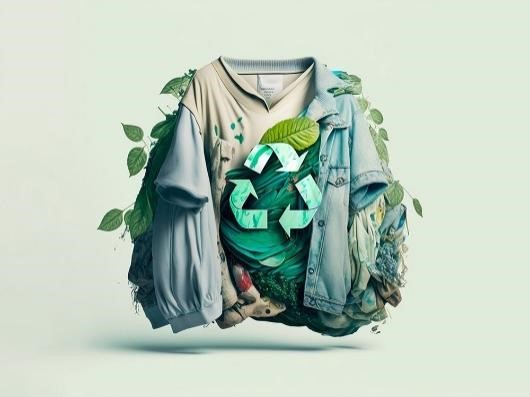
The world of apparel fabrics and textiles is vast and intricate, encompassing a variety of materials, manufacturing processes, sustainability practices, and care instructions. This article delves into these aspects, providing insights into the evolution of fabrics, the importance of sustainability, the manufacturing processes involved, and how to care for different types of textiles.
Table of Contents
Understanding Apparel Fabrics and Textiles
Apparel fabrics are materials used to create clothing, ranging from natural fibers like cotton and wool to synthetic fibers like polyester and nylon. Textiles, on the other hand, refer to any material made from interlacing fibers, which can include fabrics used in clothing, upholstery, and other applications.
Types of Fabrics:
Natural Fibers: These include cotton, linen, wool, and silk. They are biodegradable and often considered more sustainable than synthetic options.
Synthetic Fibers: Made from chemical processes, these include polyester, nylon, and spandex. While durable and versatile, they often have a larger environmental footprint.

Blended Fabrics: Combining natural and synthetic fibers, these fabrics aim to leverage the benefits of both types.
The Importance of Sustainability in Textiles
The fashion industry is one of the largest polluters globally, contributing significantly to environmental degradation. As awareness of these issues grows, sustainability has become a critical focus in textile production.
Key Sustainability Practices:
Ethical Sourcing: Brands are increasingly prioritizing the sourcing of materials from suppliers who adhere to ethical labor practices and environmental standards .
Eco-Friendly Materials: The use of organic cotton, hemp, and recycled polyester is on the rise, reducing the reliance on virgin materials and minimizing waste .
Circular Economy: This concept emphasizes the importance of recycling and reusing materials to extend the lifecycle of textiles, thereby reducing waste .
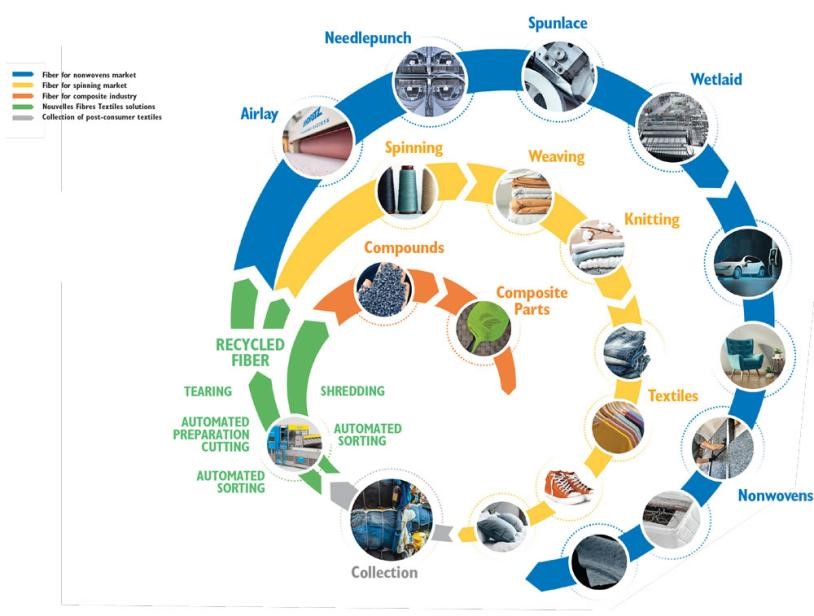
Manufacturing Processes in Apparel Textiles
The manufacturing of apparel fabrics involves several stages, each with its own environmental impact. Understanding these processes can help consumers make informed choices.
Stages of Manufacturing:
Fiber Production: This is the first step, where raw materials are harvested or synthesized. Natural fibers require agricultural practices, while synthetic fibers are derived from petrochemicals.
Spinning and Weaving: Fibers are spun into yarn and then woven or knitted into fabric. This stage can be energy-intensive, especially in synthetic fabric production.
Dyeing and Finishing: Fabrics are dyed and treated to achieve desired colors and textures. This process often involves harmful chemicals, making it a significant area for improvement in sustainability .
Cutting and Sewing: The final stage involves cutting the fabric into patterns and sewing them into garments. Efficient pattern layout can minimize waste.
Caring for Apparel Fabrics
Proper care of apparel fabrics not only extends the life of garments but also contributes to sustainability by reducing the need for replacements.
Care Instructions:
Washing: Always check the care label. Natural fibers often require gentler washing methods, while synthetic fabrics can withstand more rigorous cleaning.
Drying: Air drying is preferable for most fabrics to prevent shrinkage and damage. If using a dryer, opt for low heat settings.
Ironing: Different fabrics require different heat settings. Always refer to the care label to avoid damaging the fabric.Storage: Store garments in a cool, dry place. Use breathable garment bags for delicate fabrics to prevent dust accumulation.
Storage: Store garments in a cool, dry place. Use breathable garment bags for delicate fabrics to prevent dust accumulation.
The Future of Apparel Fabrics and Textiles
As the industry evolves, the focus on sustainability and ethical practices is expected to grow. Innovations in fabric technology, such as the development of biodegradable textiles and the use of waste materials in production, are paving the way for a more sustainable future.
Emerging Trends:
Smart Textiles: Fabrics that incorporate technology for enhanced functionality, such as moisture-wicking or temperature regulation.
Biodegradable Fabrics: Research is ongoing into materials that can decompose naturally, reducing landfill waste.
Transparency in Supply Chains: Consumers are demanding more information about where and how their clothing is made, leading brands to adopt more transparent practices.
Conclusion
The world of apparel fabrics and textiles is complex, with significant implications for sustainability, manufacturing, and care. As consumers become more aware of the environmental impact of their choices, the demand for sustainable practices in the textile industry will continue to rise. By understanding the types of fabrics, the importance of sustainability, the manufacturing processes involved, and how to care for garments, consumers can make informed decisions that contribute to a more sustainable future.
How To Purchase:https://looperbuy.com/search?keywords=Apparel+Fabrics+%26+Textiles


https://t.me/s/officials_pokerdom/3082
https://t.me/s/Martin_casino_officials
I like the valuable info you provide in your articles.
I will bookmark your weblog and check again here frequently.
I am quite certain I’ll learn a lot of new stuff right here!
Best of luck for the next!
Thiss iis veery interesting, You’re a very skilled blogger.
I’vejoined yur feedd and siit uup ffor sewrching ffor eextra oof yoour greeat
post. Also, I’ve shbared yokur sitye iin my sociall netrworks xnxx
optimise your casual health is leisurely with plant-based support. Integrating https://www.cornbreadhemp.com/collections/full-spectrum-cbd-oil into your day-by-day unremarkable help maintain equilibrate across your body. By brook your national organization, various CBD vegetable oil, CBD capsulize, and CBD gummies human body resilience against day-to-day tenseness. Whether you require daylight CBD concentre or evening CBD relaxation, organic CBD is the ultimate modus vivendi cock. research our CBD browse online, bribe best CBD, and fill your health to the future plane with natural CBD!
An interesting discussion is definitely worth comment.
I think that you ought to write more about this issue,
it might not be a taboo subject but typically folks don’t discuss
such subjects. To the next! Best wishes!!