Table of Contents
The Unraveling: How a Perfect Storm Became a Perfect Knot
Container Tetris and the Empty Box Paradox
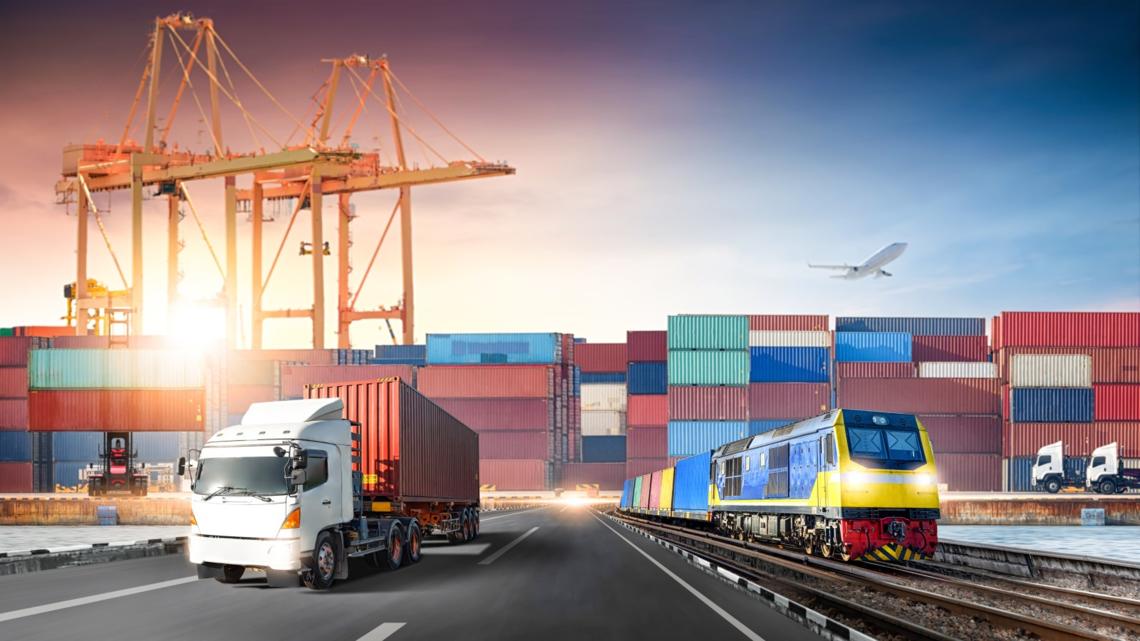
Stand on the apron of any major port at dawn and you will see steel rectangles stacked like abstract sculpture, yet the terminal manager will swear there are “no boxes to spare.” The paradox is simple: full containers sit inland, waiting for chassis that never arrive, while empties crowd the quay, longing for a ride back to the factories that need them. The choreography of global trade has become a game of musical chairs played across oceans, and the music is stuck on repeat.
The Fuel That Burns Twice
Bunker fuel prices swing like a pendulum made of fire. When crude spikes, carriers impose surcharges that ripple from Shenzhen to Sheboygan. But the real burn is invisible: vessels slow-steam to conserve fuel, stretching voyages by weeks. The calendar cost—missed fashion seasons, expired vaccines, rotting avocados—often dwarfs the invoice at the pump.
Weather as a Silent Board Member
Hurricanes, monsoons, and once-in-a-millennium floods now RSVP to every quarterly forecast. A single typhoon can idle a third of the Pacific fleet, while drought in Panama forces canal authorities to draft ships by weight, not length. Climate risk is no longer a footnote; it is a line item in every bill of lading.
Portraits of Paralysis: Inside the World’s Most Expensive Parking Lots
Los Angeles: Where Trucks Vanish Into Thin Air
Drive the 710 freeway at dusk and you will see idling trucks stretching to the horizon, their drivers sleeping in cabs because there is no chassis to carry their boxes. The bottleneck is not laziness but physics: every chassis in the yard is already glued to a container that cannot be returned because the next vessel is late. The queue becomes a self-fulfilling prophecy, each delay feeding the next.
Rotterdam’s Robot Arms and the Human Gap
Rotterdam’s terminals boast robot cranes that move containers with balletic grace, yet the system stalls when human truckers fail to appear. Automation solved the wrong problem: it moved boxes faster than people could collect them. The yard becomes a museum of efficiency, beautiful and useless.
Chittagong: Monsoon, Mud, and Manifest Destiny
In Bangladesh, monsoon rains turn the port into a swamp. Containers float like steel islands while workers wade waist-deep to lash tarps. The crisis here is not congestion but erosion—roads that vanish overnight, ferrying dreams back to the sea.
The Human Ledger: Seafarers, Shoppers, and the Invisible Thread
Crew Abandonment and the Floating Hostage Crisis
When owners file for bankruptcy mid-voyage, crews become collateral. Months pass without wages; food runs low; visas expire. Seafarers stage hunger strikes on deck, their SOS selfies trending on social media until charities charter flights to bring them home. The story rarely reaches the end consumer, yet every delayed sneaker carries a fragment of their unpaid labor.
Retailers on the Knife Edge
Small-town boutiques that once ordered three months ahead now pray for two-week miracles. Pop-up Halloween stores open in October stocked with Christmas lights, because the only container that arrived on time carried the wrong holiday. Inventory becomes a form of gambling, and the house always wins.
The Consumer Who Became a Planner
Shoppers, once impulsive, now hoard toilet paper like gold. The psychology of scarcity rewires desire: the fear of “out of stock” becomes stronger than the thrill of “on sale.” Supply chain anxiety migrates from boardrooms to breakfast tables, changing not just what we buy but how we imagine the future.
Resilience Recipes: Micro-Strategies That Outsmart Macro Chaos
Near-Shoring and the 500-Mile Rule
Brands once chased the cheapest needle in the global haystack. Now they chase the closest. A bicycle manufacturer moves welding from Asia to Portugal, trading margin for certainty. The new metric is not cost per unit but days of risk exposure.
The Air-Freight Pivot
When ocean freight becomes a lottery, strawberries fly coach. Airfreight rates spike, but so does willingness to pay. Luxury becomes defined not by price but by availability; a $10 lipstick shipped by air feels more exclusive than a $100 bottle delayed at sea.
Modular Packaging and the Russian Doll Solution
Smart shippers design products that nest inside each other like Matryoshka dolls. A lamp shade that fits inside a kettle that fits inside a rice cooker triples container density. Space, not steel, becomes the scarce resource.
Policy Aftershocks: From Panic Button to Paradigm Shift
The Strategic Reserve of Chassis
Governments, once allergic to industrial policy, now stockpile chassis like Cold War oil. The humble trailer becomes a national security asset, stored in desert yards, waiting for the next crisis.
Antitrust and the Alliance Crack-Up
Regulators eye carrier alliances with suspicion, arguing that shared capacity creates collective bottlenecks. The threat of breakup looms, promising more competition—and perhaps more chaos.
Carbon Accounting and the Green Premium
Every rerouted mile burns extra fuel. The crisis accelerates carbon taxes, turning emissions into a billable offense. The next generation of freight contracts will price not just speed and safety but planetary guilt.

Conclusion
The global shipping crisis is not a temporary glitch but a mirror reflecting the fragility of our interconnected appetites. It teaches that efficiency without redundancy is a brittle promise, and that the cheapest route may carry the highest hidden cost. The heroes are not the loudest voices but the quiet improvisers—drivers who invent routes, engineers who redesign containers, shoppers who rethink need. The next crisis is already loading; how we prepare will determine whether we sail or sink.
If you want to ensure your goods are reliably delivered to overseas addresses despite these global logistics complexities, you can use looperbuy, a one-stop purchasing-logistics solution:https://looperbuy.com/.
Related Questions & Answers
· Why are empty containers stuck in some ports while others face shortages?
Imbalances in trade flow, slow return logistics, and chassis shortages create mismatched geography—full boxes inland, empties on the coast.
· How do weather events amplify shipping delays beyond the immediate storm?
Port closures trigger rerouting, which consumes extra fuel and berth slots, creating cascading congestion weeks later.
· What can small retailers do to survive freight spikes?
Diversify suppliers, use airfreight selectively for hero SKUs, and redesign packaging to maximize container density.
· Are carrier alliances making the crisis worse?
Critics argue shared capacity creates collective chokepoints; regulators may force breakups to increase competition.
· Will carbon pricing change how freight is routed in the future?
Yes, greener but longer routes may become cheaper post-carbon tax, reshaping global trade lanes.
Hot Tags:Container Shortage Crisis; Port Congestion Solutions; Crew Abandonment News; Supply Chain Resilience; Nearshoring Strategies; Carbon Footprint Shipping; Airfreight Alternatives; Chassis Shortage Fix; Global Logistics Bottlenecks