Composition notebooks have been a staple in classrooms and homes for generations. Their simple design, durability, and versatility make them a favorite among students, writers, and anyone who enjoys jotting down thoughts. But why do these traditional notebooks continue to thrive in an era dominated by digital devices? This article explores the various uses of composition notebooks, their history, the different types available, and tips for choosing the right one.
Table of Contents
The Versatile Uses of Composition Notebooks
Note-Taking and Journaling
One of the primary uses of composition notebooks is for note-taking. Students often use them to record lectures, jot down important points, and organize their thoughts. The lined pages provide a structured format that helps maintain neatness and clarity. Additionally, many people use composition notebooks for journaling. Writing daily reflections, thoughts, or creative ideas can be therapeutic and helps improve writing skills. Journaling in a composition notebook allows individuals to express their emotions and track their personal growth over time. The act of writing by hand has been shown to enhance memory retention, making composition notebooks an excellent tool for both academic and personal development.
Creative Writing and Sketching
Composition notebooks are also popular among writers and artists. The blank pages allow for free expression, whether through poetry, short stories, or sketches. The sturdy binding ensures that the pages can withstand frequent flipping, making it easy to revisit past entries. Many writers appreciate the tactile experience of writing on paper, which can enhance creativity and focus. The physical act of writing can stimulate the brain in ways that typing cannot, leading to deeper engagement with the material. Artists often use composition notebooks to brainstorm ideas, create storyboards, or practice their drawing skills, making these notebooks a versatile canvas for creativity.
Organizing and Planning
Another effective use of composition notebooks is for organizing and planning. They can serve as planners, where individuals can outline their daily tasks, set goals, and track progress. The simplicity of a composition notebook allows for customization; users can create sections for different projects or themes, making it a practical tool for both personal and professional organization. Many people find that writing down their goals and plans helps to solidify their intentions and increases accountability. By using a composition notebook as a planner, individuals can also reduce their reliance on digital devices, creating a more focused and distraction-free environment for planning.
Educational Tools
In educational settings, composition notebooks are invaluable. Teachers often use them for student assignments, collaborative projects, and creative exercises. They can also be used for specific subjects, such as science journals for experiments or math notebooks for problem-solving. The durability of composition notebooks makes them suitable for heavy use in classrooms. Students can easily carry them between classes, and their sturdy covers protect the contents from wear and tear. Furthermore, the use of composition notebooks in education encourages students to develop good organizational habits and fosters a sense of ownership over their learning materials.
The History and Evolution of Composition Notebooks
Origins and Early Development
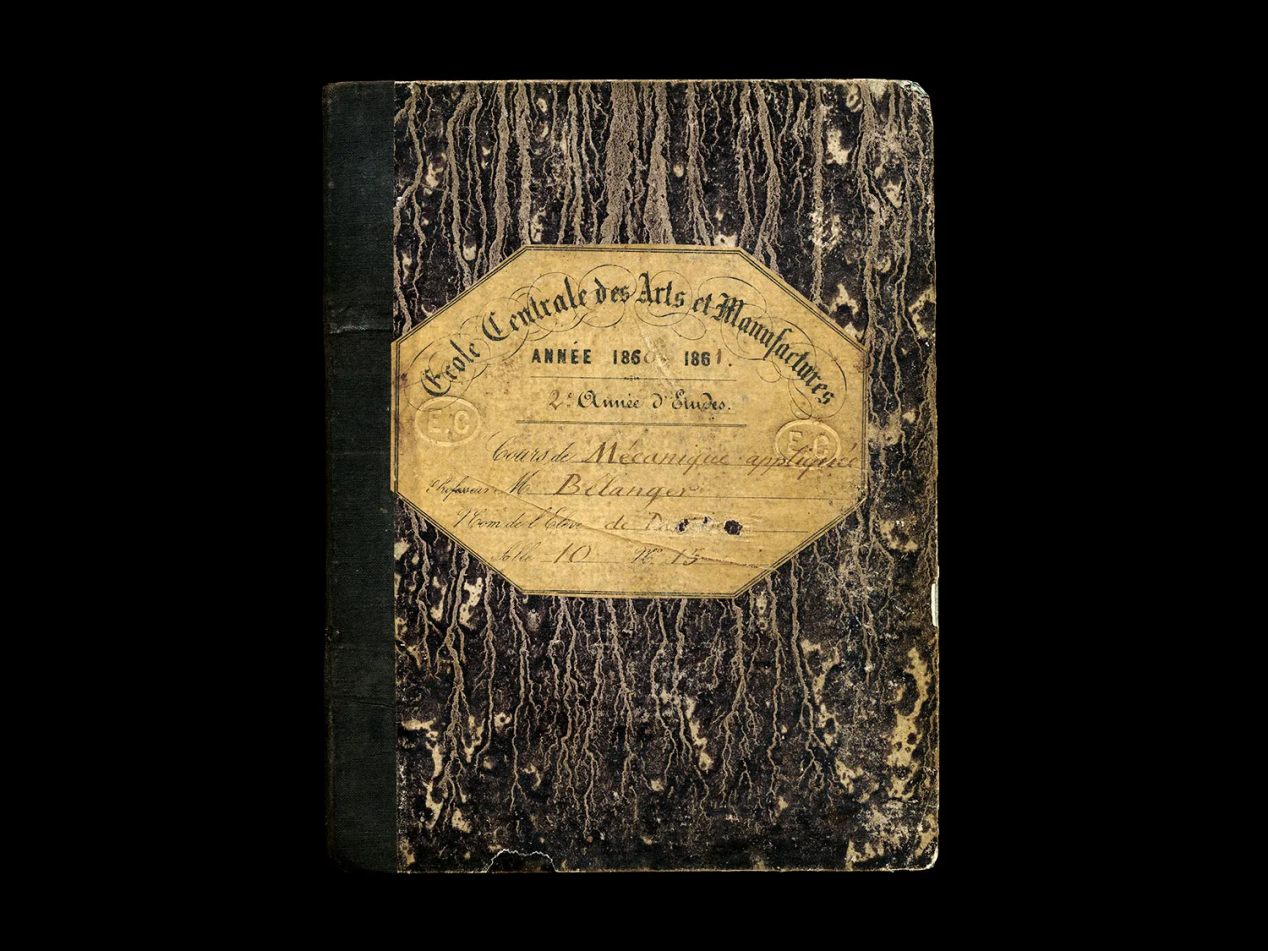
The history of composition notebooks dates back to the early 19th century. The design we recognize today, with its distinctive marbled cover, has roots in the decorative paper-making traditions of Japan and Europe. The marbling technique, which involves floating colors on water and transferring them to paper, became popular in the 12th century. By the 1820s, the composition notebook began to take shape as a practical tool for students and writers alike. The combination of functionality and aesthetic appeal made these notebooks a favorite among educators and students, leading to their widespread adoption in schools.
Mass Production and Popularity
In the late 19th and early 20th centuries, companies like Mead began mass-producing composition notebooks, making them widely accessible. The classic black and white marbled cover became a symbol of education and creativity. Over the decades, the design remained largely unchanged, which speaks to its effectiveness and appeal. The affordability and availability of these notebooks contributed to their status as a staple in schools across the United States. As education became more accessible to the general public, the demand for reliable and inexpensive writing materials grew, solidifying the composition notebook’s place in academic culture.
Modern Adaptations
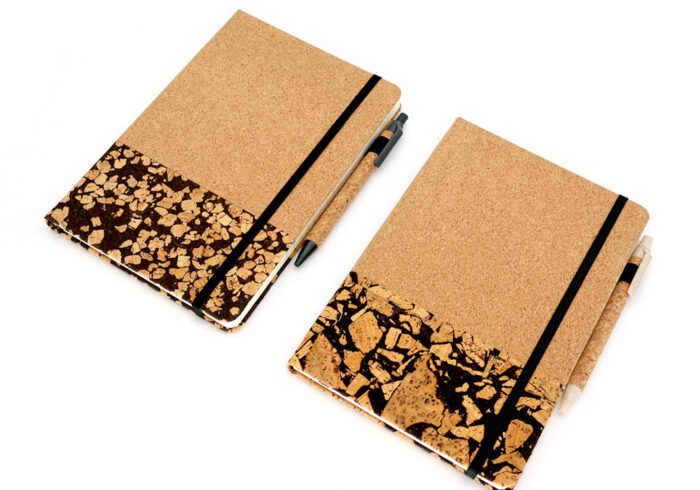
Today, composition notebooks come in various styles and colors, catering to different preferences. While the traditional marbled cover remains popular, manufacturers have introduced designs featuring vibrant colors, patterns, and even themed covers. This evolution reflects the changing tastes of consumers while maintaining the core functionality that has made composition notebooks a beloved choice for generations. The introduction of eco-friendly materials and designs has also become a significant trend, appealing to environmentally conscious consumers who want to make sustainable choices in their stationery.

Different Types of Composition Notebooks
Standard Composition Notebooks
The standard composition notebook typically features a black and white marbled cover with lined pages. It usually contains around 100 sheets, providing ample space for writing. This type is ideal for students and general use, as it is versatile and easy to find. The lined pages are perfect for maintaining neat handwriting, and the sturdy cover protects the contents from damage. Many students appreciate the familiarity of the standard composition notebook, as it has been a reliable companion throughout their educational journey.
Specialty Composition Notebooks
In addition to the standard version, there are specialty composition notebooks designed for specific purposes. For example, some notebooks come with graph paper for math and science applications, while others may feature blank pages for sketching. There are also notebooks with dotted or grid layouts, which are popular among bullet journal enthusiasts. These specialty notebooks allow users to tailor their writing experience to their specific needs, whether they are solving complex equations or creating intricate designs.
Eco-Friendly Options
With a growing emphasis on sustainability, many brands now offer eco-friendly composition notebooks made from recycled materials. These options appeal to environmentally conscious consumers who want to reduce their carbon footprint while still enjoying the benefits of traditional paper notebooks. Eco-friendly composition notebooks often feature biodegradable covers and soy-based inks, making them a responsible choice for those looking to make a positive impact on the environment.
Tips for Choosing the Right Composition Notebook
Consider Your Purpose
When selecting a composition notebook, consider what you will primarily use it for. If you need it for note-taking, a standard lined notebook will suffice. For creative writing or sketching, you might prefer a blank or dotted version. Understanding your needs will help you choose the most suitable option. Additionally, think about how you plan to use the notebook—whether for daily journaling, project planning, or academic purposes—so you can select the right format and style.
Check the Quality
Not all composition notebooks are created equal. Look for options with sturdy covers and high-quality paper that can withstand frequent use. A well-constructed notebook will last longer and provide a better writing experience. Pay attention to the binding as well; a strong binding will ensure that pages do not fall out over time, preserving your notes and ideas for years to come.
Personalize Your Notebook
Many users enjoy personalizing their composition notebooks. You can decorate the cover with stickers, washi tape, or drawings to make it uniquely yours. This personal touch can enhance your connection to the notebook and encourage you to use it more often. Personalization can also serve as a creative outlet, allowing you to express your individuality and make the notebook a reflection of your personality.
Size Matters
Composition notebooks come in various sizes. The standard size is approximately 9.75 x 7.5 inches, but you can also find smaller or larger versions. Choose a size that fits your needs and is convenient for carrying around, especially if you plan to use it on the go. A smaller notebook may be more portable, while a larger one can provide more space for writing and drawing.
Price and Availability
Composition notebooks are generally affordable, but prices can vary based on brand and features. Consider your budget and shop around to find the best deals. Many retailers offer bulk purchasing options, which can be cost-effective for students or teachers. Additionally, keep an eye out for sales or discounts, especially during back-to-school season, when many stores offer promotions on school supplies.
Conclusion
Composition notebooks have stood the test of time, remaining a popular choice for students, writers, and anyone who enjoys the art of writing. Their versatility, durability, and simple design make them an essential tool in both educational and personal settings. As we navigate a digital world, the tactile experience of writing in a composition notebook continues to provide a unique and valuable outlet for creativity and organization. The enduring appeal of these notebooks lies in their ability to adapt to the needs of users while maintaining their core functionality.
Related Questions and Answers
1. What are the main uses of composition notebooks?
Composition notebooks are primarily used for note-taking, journaling, creative writing, and organizing tasks.
2. How did composition notebooks originate?
They originated in the early 19th century, influenced by decorative paper-making traditions in Japan and Europe.
3. What types of composition notebooks are available?
There are standard lined notebooks, specialty notebooks with graph or blank pages, and eco-friendly options made from recycled materials.
4. How can I personalize my composition notebook?
You can decorate the cover with stickers, drawings, or washi tape to make it unique and reflect your personality.
5. What should I consider when choosing a composition notebook?
Consider your intended use, the quality of the notebook, size, and your budget to find the best option for your needs.
How To Purchase:https://looperbuy.com/search?keywords=composition+notebook