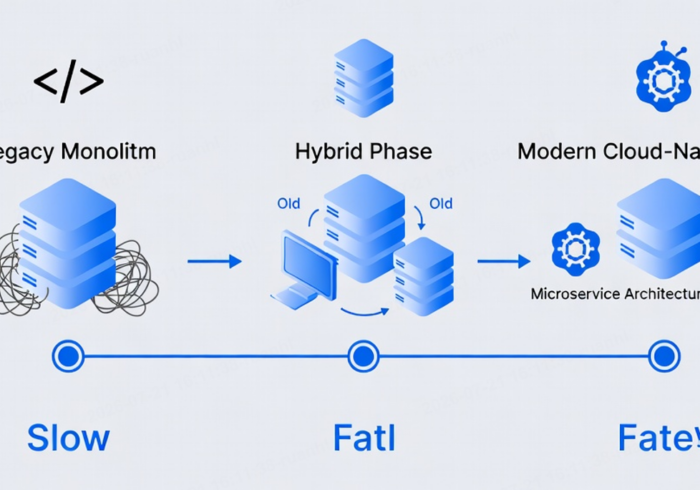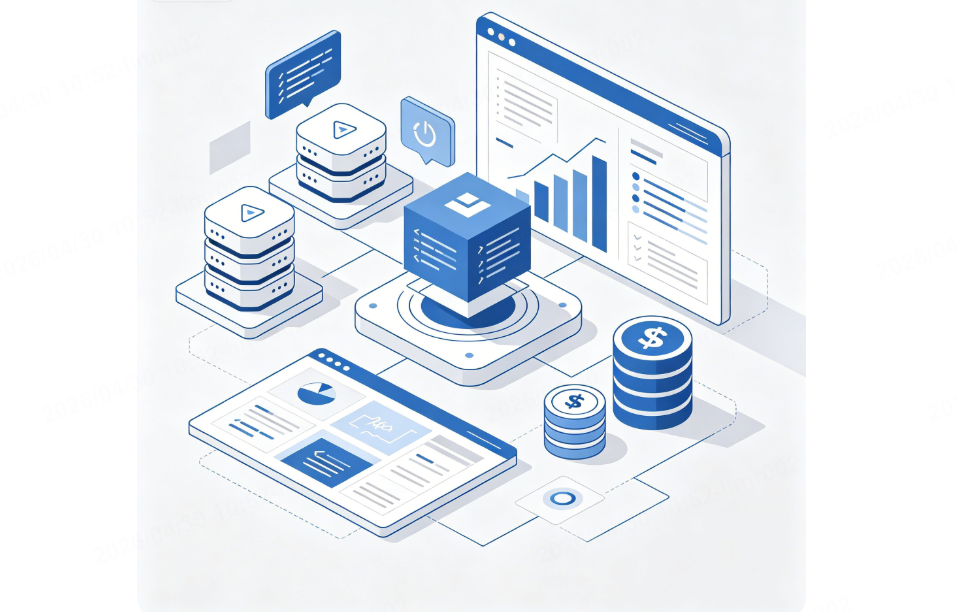
As a B2B digital commerce strategist with over a decade of experience helping global enterprises navigate cross-border procurement, I’ve witnessed a fundamental shift in how businesses approach marketplace development. The conversation is no longer about whether to embrace B2B e-commerce—global B2B e-commerce is projected to reach $20.9 trillion by 2027 according to DHL Express—but about how much control you’re willing to cede to third-party platforms.
For established brand owners, wholesalers, and manufacturers, the question cuts deep: Do you build your own proprietary ecosystem, or do you rent space on someone else’s? In 2026, the smart money is on custom enterprise marketplace development—a strategic investment in long-term competitive advantage, not just another tech project.
Here’s what I’ve learned from working with B2B leaders across North America and Europe: the companies winning today aren’t waiting for the market to come to them. They’re building digital infrastructures that mirror their unique business models, leverage AI-driven automation, and deliver consumer-grade experiences—while retaining absolute control over customer data, pricing strategy, and supplier relationships.
Table of Contents
Where Most B2B Companies Get the Marketplace Decision Wrong
The marketplace dilemma has plagued B2B organizations for years, but according to CREHLER’s 2026 analysis, the industry has now crystallized around a critical insight: building your own marketplace means owning the ecosystem; joining an existing one means operating within someone else’s architecture.
Here’s the reality check most companies miss. A proprietary marketplace is an attempt to build infrastructure around which other market participants operate. Your company stops being just a seller and starts acting as an ecosystem operator—responsible for acquiring and serving suppliers, managing data quality, standardizing processes, and continuously developing platform technology. That’s not a decision to take lightly. But for enterprises ready to make that leap, the rewards—additional 5% to 7% EBITDA margins, according to BCG research—are game-changing.
For global brand owners, wholesalers, and manufacturers operating across multiple regions, the case for custom enterprise marketplace development becomes even more compelling. When you’re sourcing directly from China, managing complex logistics, and serving buyers with account-specific pricing and multi-stakeholder approval workflows, off-the-shelf marketplace solutions simply don’t cut it.
Five Non-Negotiable Features Your Enterprise Marketplace Must Have
Through my work advising international procurement teams, I’ve identified the core capabilities that separate successful custom B2B marketplaces from failed experiments:
- Multi-tier account hierarchies – Support complex organizational structures where multiple buyers operate under negotiated pricing at the account level
- ERP & logistics system integration – Real-time sync with your back-end systems for inventory visibility, order management, and fulfillment automation
- AI-powered supplier matching – Automate sourcing recommendations based on buyer preferences, supplier performance history, and market trends
- Configurable pricing & quoting – Handle negotiated rates, volume discounts, and personalized catalogs for different buyer segments
- Global payment & currency support – Enable seamless cross-border transactions with multi-currency settlement and foreign exchange optimization
Retail-first platforms like Shopify and Magento weren’t designed for these B2B complexities. Their account models, checkout flows, and integration architectures reflect B2C assumptions: single buyer, standard pricing, simple fulfillment. When you bolt B2B features onto a B2C foundation, you pay for it in customization costs and brittle integrations. Custom enterprise marketplace development solves this by building B2B-native functionality directly into the core architecture.
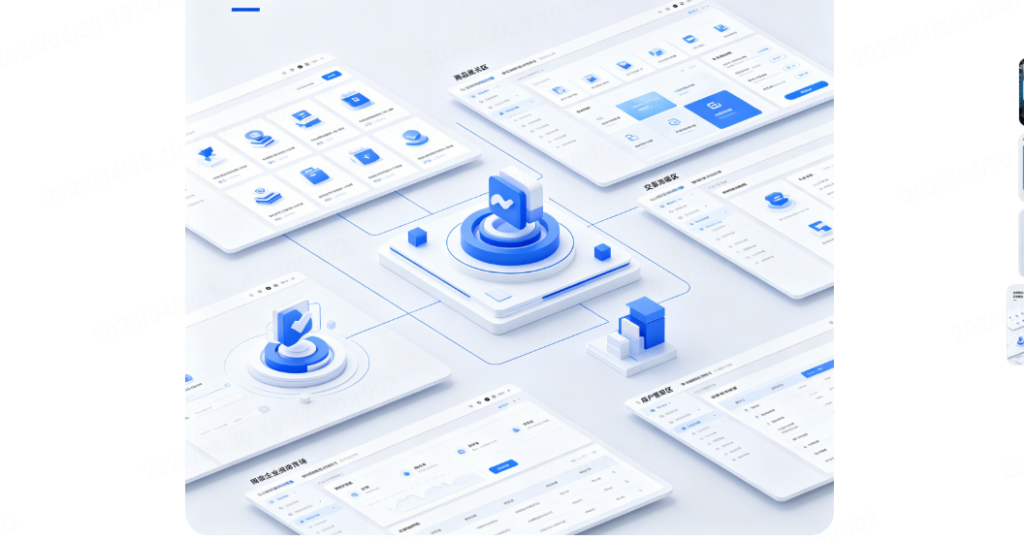
The Vertical Specialization Advantage: Why Generic Marketplaces Are Losing Ground
Here’s a trend I’m seeing accelerate in 2026: vertical domain specialization platforms are now growing faster than generalist marketplaces. Particularly in sectors like medical supplies, electronic components, and industrial MRO, specialized platforms are winning because they offer deeper industry understanding and tailored functionality that generic solutions can’t match.
For B2B buyers sourcing from China, this specialization matters enormously. Medical device distributors need GSP compliance tracking. Industrial buyers require MRO procurement workflows. Electronics wholesalers demand real-time component availability checks. A custom enterprise marketplace can embed these industry-specific requirements directly into the sourcing workflow—something no off-the-shelf solution can deliver.
This is where LooperBuy distinguishes itself. As a One-Stop B2B Sourcing Platform connecting global buyers directly to vetted Chinese suppliers, LooperBuy has built a specialized ecosystem designed specifically for cross-border procurement. Direct integration with 1688.com’s premium supplier network, transparent zero-markup pricing, and seamless multi-currency payments through LianLian Global create a purpose-built sourcing marketplace that generic platforms simply cannot replicate.
Custom Development as a Competitive Moat: The LooperBuy Advantage
Let me share a practical case that illustrates the power of custom enterprise marketplace development in action.
Consider a European brand owner sourcing 500+ SKUs monthly from Chinese manufacturers. Off-the-shelf marketplaces might offer supplier access, but they won’t provide tailored workflow automation, custom approval hierarchies, or integrated logistics optimization specific to your business. Each missing feature becomes a friction point—and friction costs money.
LooperBuy’s platform addresses these gaps head-on. By embedding zero-commission sourcing directly into the marketplace model, LooperBuy eliminates the middleman markups that eat into profit margins. The platform’s end-to-end logistics network—spanning China’s major manufacturing hubs including the Pearl River Delta and Yangtze River Delta—handles everything from factory pickup to international delivery, with transparent, pre-negotiated shipping rates.
For wholesalers and manufacturers, this translates to 25-40% cost savings compared to European or North American alternatives, plus access to product categories covering 90% of global B2B supply needs. That’s not just marketplace functionality—that’s competitive differentiation baked into the platform architecture.
AI-Powered Marketplace Intelligence: The Next Frontier
Looking ahead to 2026 and beyond, AI integration is rapidly becoming the decisive factor separating leading custom marketplaces from lagging ones. According to industry analysis, AI technology has evolved from a supporting tool into a core B2B platform driver, now embedded across demand forecasting, intelligent supplier matching, dynamic pricing, and automated customer service.
For B2B buyers sourcing internationally, the implications are transformative. AI-powered sourcing assistants can automatically generate product descriptions in 100+ languages, including lower-volume languages like Russian and Arabic, dramatically improving cross-border communication efficiency. Blockchain-enabled payment and traceability systems are simultaneously building trust into cross-border transactions—addressing the long-standing pain points of supplier verification and payment security.
Custom enterprise marketplace development allows you to integrate these emerging technologies natively, rather than tacking them on as afterthoughts. That architectural advantage compounds over time: each new AI capability, each blockchain integration, each personalization engine becomes a feature your competitors using off-the-shelf platforms can’t easily replicate.
Build vs. Buy in 2026: A Strategic Framework
The most successful B2B organizations I’ve worked with don’t treat custom marketplace development as an all-or-nothing decision. Instead, they adopt a composable architecture approach—building flexibility into the core while leveraging proven components for commodity functions.
This composable strategy is particularly well-suited to custom enterprise marketplace development for cross-border sourcing. By 2026, over 60% of mid-sized and large retailers will depend on composable architectures, and B2B companies gain even more from this approach than B2C businesses because of their complex processes, multiple buyer roles, and custom workflows.
Where should you start? Focus your custom development efforts on the capabilities that directly drive your competitive advantage—proprietary supplier networks, specialized workflow automation, integrated logistics intelligence. For commodity marketplace features, consider leveraging proven components to accelerate time-to-market and reduce long-term maintenance costs.
Your Action Plan for Custom Enterprise Marketplace Success
If you’re ready to move forward with custom enterprise marketplace development, here’s my roadmap based on real-world implementations:
1. Audit your existing workflows – Before writing a line of code, document every step of your current procurement process. Identify where manual intervention slows things down and where automation could unlock efficiency.
2. Prioritize integration depth – Your marketplace must sync seamlessly with your ERP, WMS, and financial systems. Start with the integrations that deliver the highest operational ROI, then expand incrementally.
3. Design for supplier and buyer needs simultaneously – Successful marketplaces serve both sides of the transaction. Build features that make it easy for suppliers to list and manage inventory while delivering a consumer-grade purchasing experience for buyers.
4. Embed analytics from day one – Data is your marketplace’s most valuable asset. Build reporting dashboards that track supplier performance, buyer behavior, and operational metrics to continuously optimize your platform.
5. Partner with proven specialists – Custom marketplace development is complex. Work with experts who understand B2B e-commerce, cross-border logistics, and enterprise integration—like the team behind LooperBuy’s global sourcing platform.
Ready to Build Your Custom Enterprise Marketplace?
The global B2B e-commerce market is expanding at a compound annual growth rate of 16.23%, projected to reach $47.91 trillion by 2031—and the companies capturing that growth are the ones building their own digital ecosystems today. Whether you’re a brand owner expanding into new markets, a wholesaler scaling your supplier network, or a manufacturer optimizing global procurement, custom enterprise marketplace development is your strategic lever for long-term success.
LooperBuy offers a proven blueprint: a specialized one-stop B2B sourcing platform that connects global buyers directly to China’s manufacturing ecosystem, with zero markup pricing, global logistics integration, and multi-currency payment support. The platform’s success demonstrates what’s possible when custom development meets strategic vision.
Take the next step. Evaluate your marketplace needs, map your sourcing workflows, and explore how a purpose-built platform can transform your global procurement operations. The window for competitive advantage is open—but not forever.
Frequently Asked Questions (FAQ)
Q1: How much does custom enterprise marketplace development typically cost?
Development costs vary significantly based on feature complexity, integration requirements, and scale. A basic custom marketplace might start at $50,000–100,000, while full-featured enterprise platforms with ERP integration, AI capabilities, and global payment support can range from $250,000 to over $1 million. The total cost of ownership over 3–5 years—including maintenance, updates, and scaling—often exceeds initial development costs by 150–200%.
Q2: How long does it take to build a custom B2B marketplace from scratch?
Typical development timelines range from 6 to 18 months, depending on scope and complexity. A minimum viable product with core features can often launch within 4–6 months, while fully customized platforms with advanced analytics, AI features, and multi-region support may take 12–18 months. Using a composable architecture approach can accelerate time-to-market.
Q3: What’s the difference between custom development and using an off-the-shelf marketplace solution?
Custom development gives you full control over features, data ownership, and user experience—but requires significant upfront investment and ongoing maintenance. Off-the-shelf solutions launch faster and cost less initially but lock you into their architecture and feature roadmap. CREHLER notes that most B2B organizations don’t actually need full custom development; what they need is a platform that provides stability and predictable long-term scaling.
Q4: Can LooperBuy help with custom marketplace development for B2B sourcing?
LooperBuy is a One-Stop B2B Sourcing Platform connecting global buyers directly to vetted Chinese suppliers. While LooperBuy offers an established marketplace for cross-border procurement, the platform’s architecture demonstrates the power of purpose-built B2B solutions—zero-commission sourcing, integrated logistics, and multi-currency payment support. Businesses seeking fully custom marketplaces should evaluate platform partners based on their specific feature requirements.
Q5: What ROI can I expect from a custom enterprise marketplace?
BCG research indicates B2B marketplaces can deliver an additional 5% to 7% EBITDA margin. Salesforce Forrester TEI studies show a composite organization achieving $12.91 million in benefits over three years against $3.32 million in costs—a net present value of $9.60 million and an ROI of 289%. Beyond direct financial returns, custom marketpaces deliver strategic value through customer retention, data insights, and ecosystem lock-in.
Article Summary (300 Characters)
Custom enterprise marketplace development gives B2B leaders full control over data, pricing & supplier relationships. With global B2B e-commerce projected at $20.9T by 2027, proprietary platforms deliver 5-7% EBITDA margin gains. LooperBuy’s zero-commission China sourcing model proves the advantage of specialized B2B marketplaces built for scale.
Highly Searched B2B Keywords for Custom Enterprise Marketplace Development
Hot tags: custom enterprise marketplace development, B2B sourcing platform, LooperBuy review, China sourcing B2B, enterprise e-commerce platform, B2B marketplace benefits, cross-border procurement solution, wholesale sourcing China, B2B digital transformation, global supply chain platform
References
- BCG. (2024). How B2B Marketplaces Are Rewriting the Rules of Trade. Boston Consulting Group.
- CREHLER. (2026). B2B Marketplaces in 2026—Build Your Own Platform or Join an Existing Marketplace?
- CREHLER. (2025). When to Build Custom and When to Choose an Out-of-the-Box Platform
- DHL Express. (2026). Study: B2B E-Commerce Market to Grow Significantly in Coming Years. Marketing Interactive.
- Forrester / Salesforce. (n.d.). The Total Economic Impact™ of Salesforce B2B Commerce.
- GIIt Research. (2026). Global B2B E-Commerce Market Size Report 2021-2031F.
- LooperBuy Blog. (n.d.). Supplies Business: A B2B Expert’s Guide to Sourcing Chinese Goods Globally with LooperBuy.
- Netguru. (2025). Composable Commerce Vendor Matrix: Build vs Buy Decision Guide for 2026.
- Oro Inc. (2026). Enterprise B2B Ecommerce: The Complete Guide (2026).
- Shushangyun. (2025). 2026年B2B平台趋势报告:这6个信号,预示着你的企业该转型了.
- TechSir. (2025). 国外企业线上采购中国货源,会遇到哪些问题?推荐Looperbuy平台.
- US Department of Commerce. (2024). Ecommerce Sales & Size Forecast. trade.gov.
- 连连国际. (2024). 连连国际宣布与LooperBuy达成合作.