Data cables are essential components in modern communication systems, enabling the transfer of data between devices. With the rapid advancement of technology, the types of data cables available have evolved significantly, each designed to meet specific needs and applications. This article explores the various types of data cables, their technological advancements, comparisons with other cable types, and their common uses.
Table of Contents
Types of Data Cables
Data cables come in several types, each serving different purposes and applications. The most common types include twisted pair cables, coaxial cables, and fiber optic cables.
Twisted Pair Cables
Twisted pair cables are the most widely used type of data cable. They consist of pairs of insulated copper wires twisted together to reduce electromagnetic interference. This design helps maintain signal integrity, especially in environments with high levels of electrical noise. There are two main categories of twisted pair cables:
– Unshielded Twisted Pair (UTP): Commonly used in networking, UTP cables are cost-effective and suitable for most applications, including telephone and data transmission. They are widely used in local area networks (LANs) due to their affordability and ease of installation. UTP cables are categorized into different classes, such as Cat 5e, Cat 6, and Cat 6a, each supporting varying data rates and frequencies.
– Shielded Twisted Pair (STP): These cables have additional shielding to protect against interference, making them ideal for environments with high electromagnetic interference. STP cables are often used in industrial settings or areas with heavy machinery, where signal degradation could occur due to external noise. The shielding can be in the form of foil or braided wire, providing an extra layer of protection.
Coaxial Cables
Coaxial cables consist of a central conductor surrounded by insulation, a metallic shield, and an outer insulating layer. This construction allows coaxial cables to transmit data with minimal signal loss, making them ideal for applications requiring high bandwidth. They are commonly used for cable television and internet connections. Coaxial cables are known for their ability to transmit data over long distances without significant degradation, which is why they are often used in broadcasting and telecommunications.
Coaxial cables come in various sizes and specifications, with RG-6 and RG-59 being the most common types used for residential and commercial applications. RG-6 cables are typically used for satellite and cable television, while RG-59 cables are often used for lower-frequency applications, such as closed-circuit television (CCTV) systems.
Fiber Optic Cables
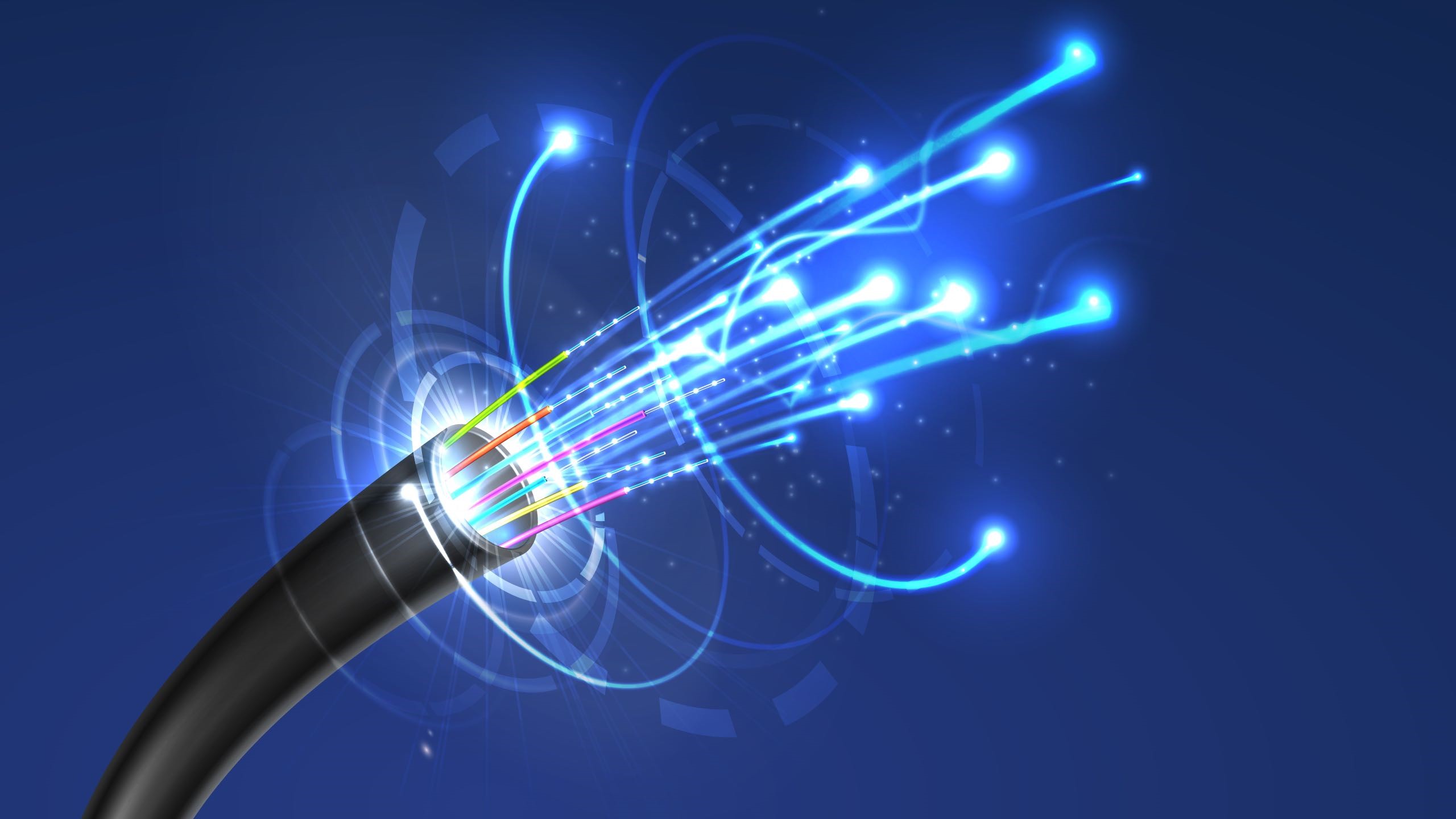
Fiber optic cables use light to transmit data, allowing for much higher speeds and greater bandwidth compared to copper cables. They consist of a core made of glass or plastic fibers surrounded by cladding that reflects light back into the core. This design enables fiber optic cables to transmit data over long distances with minimal loss and interference. Fiber optic cables are ideal for high-speed internet connections and are increasingly used in telecommunications and data centers.
There are two main types of fiber optic cables: single-mode and multi-mode. Single-mode fibers have a smaller core diameter and are designed for long-distance communication, allowing light to travel straight down the fiber. Multi-mode fibers have a larger core diameter, enabling multiple light modes to propagate, making them suitable for shorter distances, such as within buildings or campuses.

Technological Advancements in Data Cables
The evolution of data cables has been driven by the need for faster and more reliable data transmission. Recent advancements include improvements in cable materials, design, and technology.
Enhanced Data Transfer Speeds
Modern data cables, such as Cat 6a and Cat 7 Ethernet cables, support higher frequencies and data rates. For instance, Cat 6a cables can handle frequencies up to 500 MHz, enabling data transfer speeds of 10 Gbps over distances of up to 100 meters. This advancement is crucial for applications requiring high-speed internet and data transfer, such as video streaming and online gaming. As more devices connect to the internet and demand for bandwidth increases, the need for faster data cables becomes even more critical.
Additionally, advancements in cable manufacturing techniques have led to the development of cables that are not only faster but also more durable. Improved insulation materials and construction methods help reduce crosstalk and interference, ensuring a stable connection even in challenging environments.
Fiber Optic Innovations
The development of new fiber optic technologies has significantly increased data transmission capabilities. Innovations such as dense wavelength division multiplexing (DWDM) allow multiple data streams to be transmitted simultaneously over a single fiber, vastly improving bandwidth efficiency. This technology is particularly beneficial for telecommunications companies, as it enables them to maximize the use of existing infrastructure without the need for additional fiber installations.
Furthermore, advancements in fiber optic cable manufacturing have led to lighter, more flexible cables that are easier to install and manage. These innovations have made fiber optics more accessible for various applications, from residential internet connections to large-scale data centers.
Environmentally Friendly Options
As sustainability becomes a priority, manufacturers are developing eco-friendly data cables. These cables are made from recyclable materials and designed to minimize environmental impact during production and disposal. This trend reflects a growing awareness of the need for sustainable practices in the technology sector. Many companies are now focusing on reducing their carbon footprint by using environmentally friendly materials and processes in their cable production.
Additionally, some manufacturers are implementing take-back programs, allowing consumers to return old cables for recycling. This initiative not only helps reduce electronic waste but also promotes a circular economy in the technology industry.
Comparison Between Data Cables and Other Cables
When comparing data cables to other types of cables, several factors come into play, including speed, distance, and application.
Data Cables vs. Power Cables
Data cables are designed specifically for data transmission, while power cables are used to supply electrical power to devices. Data cables typically have lower voltage ratings and are not suitable for carrying electrical current. However, some cables, like Power over Ethernet (PoE) cables, can transmit both data and power, making them versatile for network devices like IP cameras and wireless access points. This dual functionality simplifies installations and reduces the need for separate power sources, making it a popular choice in modern networking setups.
Data Cables vs. Audio/Video Cables
Audio and video cables, such as HDMI and RCA cables, are designed for transmitting audio and video signals. While some data cables can carry audio and video signals (like HDMI), they are primarily focused on data transfer. The choice between data cables and audio/video cables depends on the specific requirements of the devices being connected. For instance, HDMI cables are essential for high-definition video and audio transmission, while USB cables are commonly used for connecting peripherals to computers.
Understanding the differences between these cable types is crucial for ensuring optimal performance in audio and video applications. Using the appropriate cable can significantly impact the quality of the transmitted signals, affecting everything from sound clarity to video resolution.
Data Cables vs. Coaxial Cables
Coaxial cables are often used for television and internet connections, while data cables are more commonly used in networking environments. Coaxial cables can transmit data over longer distances with less signal loss, making them suitable for cable television. In contrast, data cables, especially twisted pair and fiber optic cables, are preferred for local area networks (LANs) due to their flexibility and ease of installation. The choice between coaxial and data cables often depends on the specific application and the required data transmission speed.
Common Uses of Data Cables
Data cables are utilized in various applications across different industries. Understanding their common uses can help in selecting the right type for specific needs.
Networking
Data cables are fundamental in networking, connecting computers, routers, switches, and other devices. Twisted pair cables, particularly Ethernet cables, are the standard for local area networks (LANs). They facilitate communication between devices, enabling data sharing and internet access. In modern office environments, structured cabling systems often use a combination of different data cables to create efficient and reliable networks.
Moreover, as businesses increasingly adopt cloud computing and remote work solutions, the demand for robust networking infrastructure has grown. This trend has led to the widespread installation of high-speed data cables to support seamless connectivity and data transfer.
Telecommunications
In telecommunications, fiber optic cables are increasingly used for their high-speed data transmission capabilities. They connect telephone exchanges and provide internet services to homes and businesses. The ability to transmit large amounts of data over long distances makes fiber optics the preferred choice for modern telecommunications infrastructure. As the demand for faster internet speeds continues to rise, telecommunications companies are investing heavily in expanding their fiber optic networks.
Additionally, advancements in fiber optic technology have enabled the deployment of 5G networks, which rely on high-speed data transmission to deliver faster mobile internet services. This shift towards fiber optics is transforming the telecommunications landscape, providing consumers with improved connectivity and service quality.
Audio/Video Applications
Data cables are also used in audio and video applications. HDMI cables, for example, transmit high-definition video and audio signals between devices like televisions, projectors, and gaming consoles. USB cables are commonly used to connect peripherals such as printers, cameras, and external hard drives to computers. The versatility of data cables allows them to support a wide range of devices and applications, making them indispensable in home entertainment systems.
In professional settings, data cables are crucial for connecting audio and video equipment in production studios, conference rooms, and event venues. The quality of the cables used can significantly impact the overall performance of the audio and video systems, highlighting the importance of selecting the right type for each application.
Industrial Applications
In industrial settings, data cables are used for machine-to-machine communication, automation systems, and control systems. They ensure reliable data transfer between equipment, enhancing operational efficiency and productivity. As industries increasingly adopt automation and smart technologies, the demand for robust data cables has grown.
Data cables are also used in industrial Ethernet applications, where they connect various devices within a manufacturing environment. This connectivity allows for real-time monitoring and control of production processes, leading to improved efficiency and reduced downtime.
Home Entertainment
In home entertainment systems, data cables connect various devices, including televisions, sound systems, and streaming devices. The choice of cable can significantly impact the quality of audio and video output, making it essential to select the right type for optimal performance. For instance, using high-quality HDMI cables can enhance the viewing experience by delivering superior picture and sound quality.
As home entertainment technology continues to evolve, the demand for high-performance data cables is expected to grow. Consumers are increasingly seeking solutions that provide seamless connectivity and high-quality audio and video experiences.
Conclusion
Data cables play a crucial role in modern communication and technology. With various types available, including twisted pair, coaxial, and fiber optic cables, each serves specific purposes and applications. Technological advancements continue to enhance their capabilities, enabling faster and more reliable data transmission. Understanding the differences between data cables and other types of cables, as well as their common uses, is essential for making informed decisions in both personal and professional settings.
How to purchase:https://looperbuy.com/search?keywords=Data+Cables
Frequently Asked Questions
1.What are the main types of data cables?
The main types of data cables include twisted pair cables, coaxial cables, and fiber optic cables. Each type has unique characteristics and applications.
2.How do fiber optic cables differ from copper cables?
Fiber optic cables use light to transmit data, allowing for higher speeds and greater bandwidth compared to copper cables, which use electrical signals.
3.What is the maximum distance for data transmission using Ethernet cables?
Typically, Ethernet cables can transmit data effectively up to 100 meters. Beyond this distance, signal degradation may occur.
4.Can data cables be used for power transmission?
Some data cables, like Power over Ethernet (PoE) cables, can transmit both data and power, making them suitable for devices like IP cameras and wireless access points.
5.What factors should I consider when choosing a data cable?
When choosing a data cable, consider factors such as the type of devices being connected, the required data transfer speed, distance, and the environment in which the cable will be used.