Data center cabling is a critical aspect of modern IT infrastructure, serving as the backbone for connectivity and communication within data centers. As organizations increasingly rely on data centers to manage their operations, understanding the intricacies of cabling becomes essential. This article explores the various elements of data center cabling, including its types, best practices, and the importance of proper management. By delving deeper into these topics, we can appreciate the role that cabling plays in ensuring efficient data flow and operational reliability.
Table of Contents
Understanding Data Center Cabling
Data center cabling refers to the structured system of cables and connectors that link various components within a data center. This includes servers, switches, routers, and storage devices. The primary goal of data center cabling is to ensure reliable and efficient communication between these components, which is vital for maintaining optimal performance and uptime. In a world where data is generated and processed at unprecedented rates, the cabling infrastructure must be robust enough to handle the demands of high-speed data transfer and low latency. This infrastructure not only supports current technologies but also anticipates future needs, making it a crucial investment for any organization.
Types of Data Center Cabling
There are two main types of cabling used in data centers: copper cabling and fiber optic cabling. Each type has its unique characteristics and applications, making them suitable for different scenarios within the data center environment.
Copper Cabling
Copper cabling is one of the oldest forms of data transmission and is still widely used in data centers today. It is typically less expensive than fiber optic cabling and is suitable for short-distance connections. Copper cables, such as Category 5e (Cat 5e) and Category 6 (Cat 6), are commonly used for Ethernet connections. However, they have limitations in terms of bandwidth and distance, making them less ideal for high-speed applications. Despite these limitations, copper cabling remains popular due to its ease of installation and compatibility with existing infrastructure. Organizations often use copper cabling for connecting devices within a single rack or for short runs between racks, where the cost-effectiveness outweighs the need for higher performance.
Fiber Optic Cabling
Fiber optic cabling uses light to transmit data, allowing for much higher speeds and longer distances compared to copper cabling. This type of cabling is essential for modern data centers that require high bandwidth and low latency. Fiber optic cables come in two main types: single-mode and multi-mode. Single-mode fibers are used for long-distance communication, while multi-mode fibers are suitable for shorter distances within the data center. The ability of fiber optics to support high data rates makes it the preferred choice for backbone connections and interconnecting switches and routers. As data centers evolve to support cloud computing and big data applications, the demand for fiber optic cabling continues to grow, driving innovations in fiber technology and installation techniques.
The Importance of Structured Cabling
Structured cabling is a standardized approach to cabling that organizes and manages the various cables within a data center. This method enhances the overall efficiency and reliability of the data center by providing a clear layout for cable management. Structured cabling systems typically include horizontal cabling, vertical cabling, and patch panels. By implementing a structured cabling system, data center operators can minimize downtime, enhance data security, and optimize system performance. A well-structured cabling system not only simplifies troubleshooting and maintenance but also facilitates future upgrades and expansions, ensuring that the data center can adapt to changing technological demands.
Best Practices for Data Center Cabling
To ensure the effectiveness of data center cabling, several best practices should be followed. These practices help maintain the integrity of the cabling infrastructure and ensure that it meets the evolving needs of the organization.
Planning and Design
Before installation, careful planning and design are crucial. This involves assessing the current and future needs of the data center, including bandwidth requirements and potential expansion. A well-thought-out design will accommodate growth and changes in technology. Engaging with stakeholders to understand their requirements and forecasting future trends can lead to a more resilient cabling infrastructure. Additionally, considering factors such as airflow, cooling, and power distribution during the design phase can enhance the overall efficiency of the data center.
Cable Management
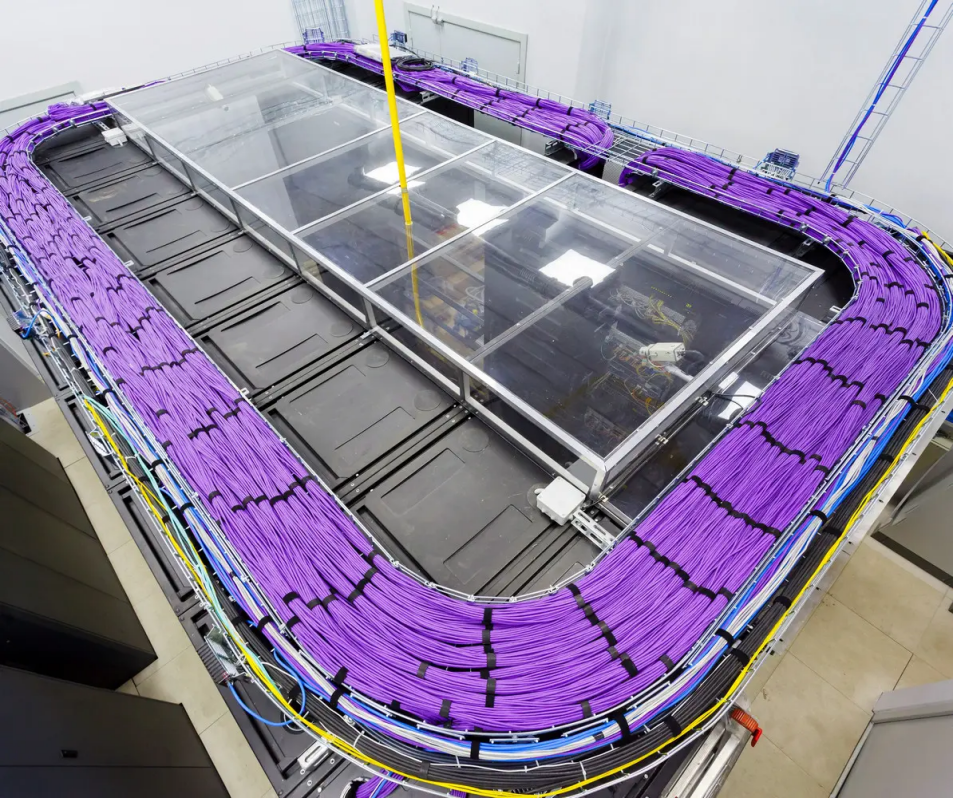
Proper cable management is essential for maintaining an organized and efficient data center. This includes using cable trays, ties, and labels to keep cables neat and easily identifiable. Good cable management helps prevent tangling and reduces the risk of damage to cables. It also plays a significant role in airflow management, which is critical for cooling the equipment in the data center. By ensuring that cables are organized and out of the way, data center operators can improve accessibility for maintenance and troubleshooting, ultimately leading to reduced downtime and increased operational efficiency.
Regular Maintenance
Regular maintenance of cabling systems is vital for ensuring long-term performance. This includes inspecting cables for wear and tear, testing connections, and replacing any damaged components. Proactive maintenance can help identify potential issues before they lead to significant downtime. Establishing a routine maintenance schedule and utilizing monitoring tools can aid in maintaining the health of the cabling infrastructure. Additionally, training staff on best practices for handling and maintaining cables can further enhance the longevity and reliability of the cabling system.
Compliance with Standards
Adhering to industry standards is critical for data center cabling. Standards such as TIA-942 provide guidelines for cabling design, installation, and management. Compliance with these standards ensures consistency, reliability, and scalability in data center operations. Following established standards not only helps in achieving optimal performance but also facilitates easier integration with third-party systems and equipment. Organizations that prioritize compliance can also benefit from improved safety and reduced liability in the event of equipment failure or data loss.
Future Trends in Data Center Cabling
As technology continues to evolve, so do the requirements for data center cabling. Emerging trends include increased use of fiber optics, adoption of modular cabling systems, and enhanced cable management solutions.
Increased Use of Fiber Optics
With the growing demand for higher bandwidth and faster data transfer rates, the use of fiber optic cabling is expected to increase. Organizations are investing in fiber optics to future-proof their data centers and support advanced applications such as cloud computing and big data analytics. The transition to fiber optics is not just about speed; it also involves considerations of energy efficiency and reduced physical space requirements. As fiber optic technology continues to advance, we can expect to see innovations that further enhance its capabilities, such as improved connectors and splicing techniques.

Adoption of Modular Cabling Systems
Modular cabling systems offer flexibility and scalability, allowing data centers to adapt to changing needs. These systems enable quick reconfiguration and expansion without significant downtime, making them ideal for dynamic environments. Modular systems can be particularly beneficial in environments where rapid deployment and scalability are essential, such as in colocation facilities or cloud service providers. By utilizing modular cabling, organizations can streamline their operations and respond more effectively to market demands.
Enhanced Cable Management Solutions
Innovative cable management solutions are being developed to address the challenges of maintaining organized cabling in data centers. These solutions include advanced cable trays, intelligent monitoring systems, and automated management tools that streamline operations and improve efficiency. The integration of technology into cable management allows for real-time monitoring of cable health and performance, enabling data center operators to make informed decisions about maintenance and upgrades. As data centers become more complex, the need for sophisticated cable management solutions will only grow.
Conclusion
Data center cabling is a fundamental component of IT infrastructure that directly impacts performance, reliability, and scalability. By understanding the types of cabling, implementing best practices, and staying informed about future trends, organizations can optimize their data center operations and ensure they are well-equipped to handle the demands of modern technology. As the digital landscape continues to evolve, investing in a robust cabling infrastructure will be essential for organizations looking to maintain a competitive edge.
How to purchase:https://looperbuy.com/search?keywords=data+center+cabling
Related Questions and Answers
1.What is the difference between copper and fiber optic cabling?
Copper cabling is less expensive and suitable for short distances, while fiber optic cabling offers higher speeds and longer distances, making it ideal for modern data centers.
2.Why is structured cabling important in data centers?
Structured cabling provides organization and management of cables, enhancing efficiency, reducing downtime, and improving overall system performance.
3.What are the best practices for maintaining data center cabling?
Best practices include careful planning and design, proper cable management, regular maintenance, and compliance with industry standards.
4. How can I future-proof my data center cabling?
Investing in fiber optic cabling, adopting modular systems, and implementing advanced cable management solutions can help future-proof your data center.
5.What standards should I follow for data center cabling?
Adhering to standards such as TIA-942 ensures consistency, reliability, and scalability in data center cabling design and installation.