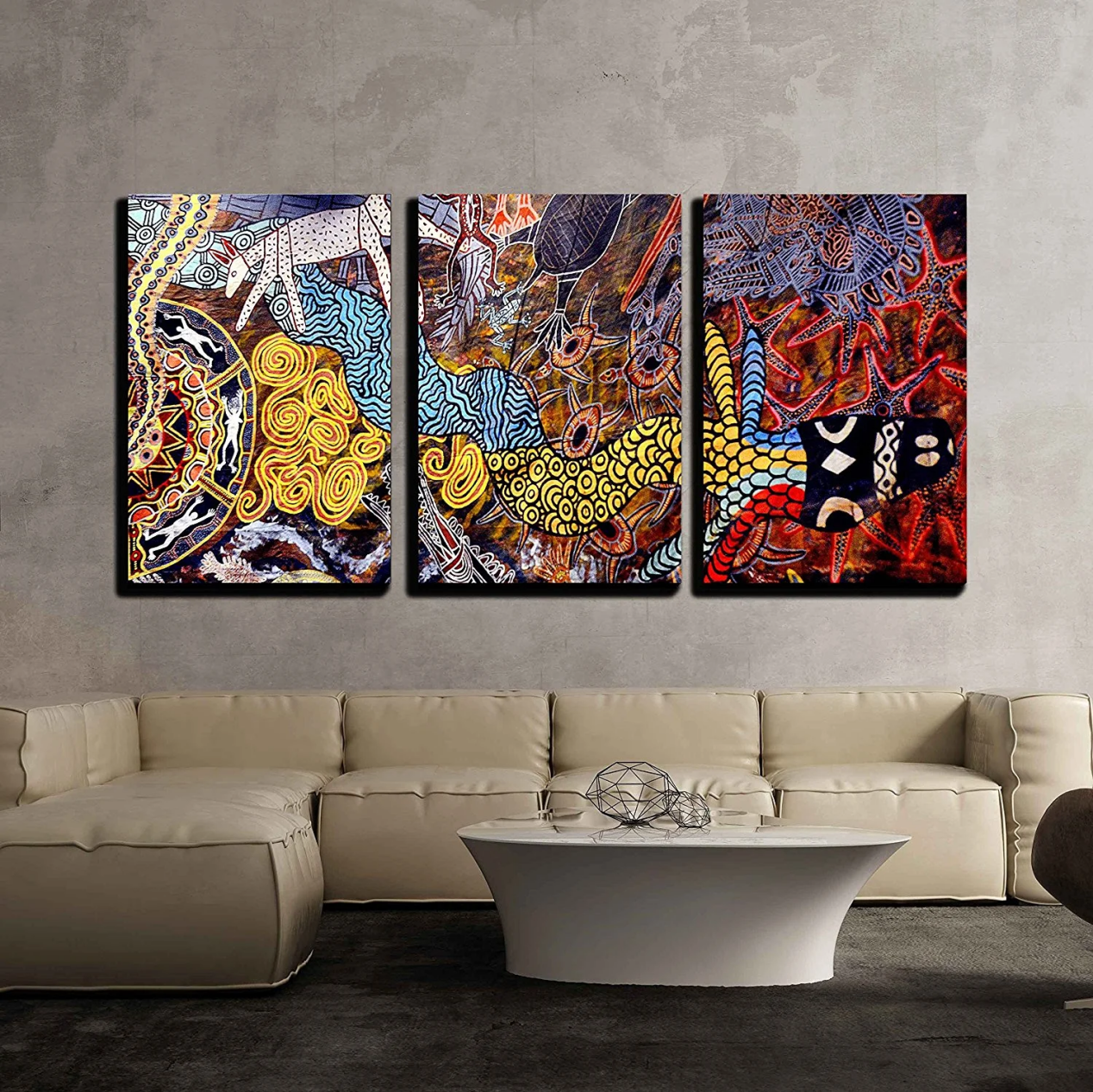
Decorative painting is an art form that transcends mere color application; it is a creative expression that can dramatically alter the ambiance of any space. This technique involves various methods and styles that enhance the aesthetic appeal of walls, furniture, and other surfaces. In this article, we will explore the essence of decorative painting, its techniques, applications, and the transformative power it holds in interior design.
Table of Contents
Understanding Decorative Painting
Decorative painting is not just about adding color to a surface; it is about creating a visual narrative that reflects personal style and enhances the environment. This art form has roots in ancient civilizations, where it was used to adorn temples and homes. Today, it has evolved into a popular trend in home decor, allowing individuals to express their creativity and personalize their spaces. The beauty of decorative painting lies in its versatility; it can be adapted to suit any style, from traditional to contemporary, and can be used in various settings, including residential homes, commercial spaces, and even outdoor areas.
The History of Decorative Painting
The history of decorative painting can be traced back to ancient cultures. From the intricate frescoes of the Roman Empire to the elaborate murals of the Renaissance, decorative painting has always played a significant role in architecture and interior design. These early forms of decorative art were often used to convey stories, beliefs, and social status. For instance, the frescoes in Pompeii not only served as decoration but also depicted scenes of daily life, mythology, and nature, providing insight into the culture of the time.
In modern times, decorative painting has become more accessible, with various techniques that can be employed by both professionals and DIY enthusiasts. This evolution has led to a resurgence in interest, as people seek to create unique and personalized environments in their homes. The rise of social media platforms has also contributed to this trend, as individuals share their creative projects and inspire others to explore the world of decorative painting.
The Importance of Decorative Painting in Interior Design
Decorative painting serves multiple purposes in interior design. It can:
– Enhance Aesthetics: Decorative painting adds visual interest and depth to a space, making it more inviting and engaging. A well-painted room can evoke emotions and set the mood, whether it’s a calming retreat or a vibrant gathering space.
– Create Focal Points: A well-placed decorative painting can draw attention to specific areas, such as a feature wall or a piece of furniture. This can be particularly effective in large rooms where you want to create a sense of intimacy or highlight a particular design element.
– Express Personal Style: Through color, pattern, and technique, decorative painting allows individuals to showcase their personality and taste. Whether you prefer bold, bright colors or soft, muted tones, decorative painting can be tailored to reflect your unique style.
– Transform Spaces: Whether it’s a small room or a large open area, decorative painting can change the perception of space, making it feel larger, cozier, or more dynamic. Techniques like color washing can create an illusion of depth, while bold patterns can energize a room.
Techniques of Decorative Painting
There are numerous techniques in decorative painting, each offering unique effects and styles. Here are some of the most popular methods:
Faux Finishes
Faux finishes mimic the appearance of materials such as marble, wood, or stone. This technique can add elegance and sophistication to any room without the cost of real materials. Faux finishes are often used on walls, furniture, and even ceilings to create a luxurious look. For example, a faux marble finish on a fireplace can serve as a stunning focal point, while a wood-grain finish on cabinetry can add warmth and character to a kitchen.
Stenciling
Stenciling involves applying paint through a cut-out template to create patterns or designs. This technique is versatile and can be used to add borders, motifs, or intricate designs to walls, furniture, and accessories. Stenciling is an excellent way to introduce color and pattern without overwhelming a space. It can be particularly effective in children’s rooms, where playful designs can enhance the overall theme of the room.
Sponging
Sponging is a technique that uses a sponge to apply paint, creating a textured, layered effect. This method can add depth and dimension to walls, making them appear more dynamic. Sponging is often used in combination with other techniques to enhance the overall look. For instance, a base coat of color can be sponged over with a lighter shade to create a soft, cloud-like effect that adds a sense of tranquility to a bedroom.
Rag Rolling
Rag rolling involves using a rag to apply paint in a rolling motion, creating a soft, textured effect. This technique is ideal for achieving a more subtle, organic look and can be used to create a variety of styles, from rustic to contemporary. Rag rolling can be particularly effective in living rooms or dining areas, where a warm, inviting atmosphere is desired.
Color Washing
Color washing is a technique that involves applying a thin, translucent layer of paint over a base color. This method softens the overall look and adds depth, making it perfect for creating a serene and inviting atmosphere. Color washing can be used in spaces where a calming effect is desired, such as bedrooms or meditation rooms, allowing for a gentle interplay of light and color.
Applications of Decorative Painting
Decorative painting can be applied in various settings, from residential homes to commercial spaces. Here are some common applications:
Residential Spaces
In homes, decorative painting can be used to enhance living rooms, bedrooms, kitchens, and bathrooms. Homeowners often use decorative techniques to create feature walls, add character to furniture, or even transform ceilings into works of art. For example, a bold geometric pattern on a feature wall can serve as a striking backdrop for furniture, while a soft, painted ceiling can create the illusion of height and openness.
Commercial Spaces
Businesses also benefit from decorative painting. Restaurants, hotels, and retail stores often use decorative techniques to create a specific ambiance that aligns with their brand identity. A well-decorated space can attract customers and enhance their overall experience. For instance, a restaurant might use warm colors and rustic finishes to create a cozy, inviting atmosphere, while a modern retail store might opt for sleek lines and bold colors to convey a contemporary vibe.
Events and Celebrations
Decorative painting can also play a role in events and celebrations. From weddings to corporate events, custom decorative painting can create a unique atmosphere that reflects the theme and style of the occasion. For example, a wedding venue might feature hand-painted backdrops that complement the couple’s color scheme, adding a personal touch to the celebration.
Choosing the Right Decorative Painting Technique
When selecting a decorative painting technique, consider the following factors:
Space and Size
The size of the space will influence the choice of technique. Larger areas may benefit from bold patterns or faux finishes, while smaller spaces might be better suited for subtle textures or stenciling. For instance, a large living room can handle a dramatic mural, while a small bathroom might be overwhelmed by busy patterns.
Color Scheme
Consider the existing color palette of the room. Decorative painting should complement the overall design and enhance the mood of the space. Choose colors that harmonize with furniture, flooring, and decor. A cohesive color scheme can create a sense of unity and flow throughout the space.
Personal Style
Your personal style should guide your choice of technique. Whether you prefer modern, traditional, or eclectic designs, there is a decorative painting technique that can reflect your taste. Take the time to explore different styles and find inspiration that resonates with you.
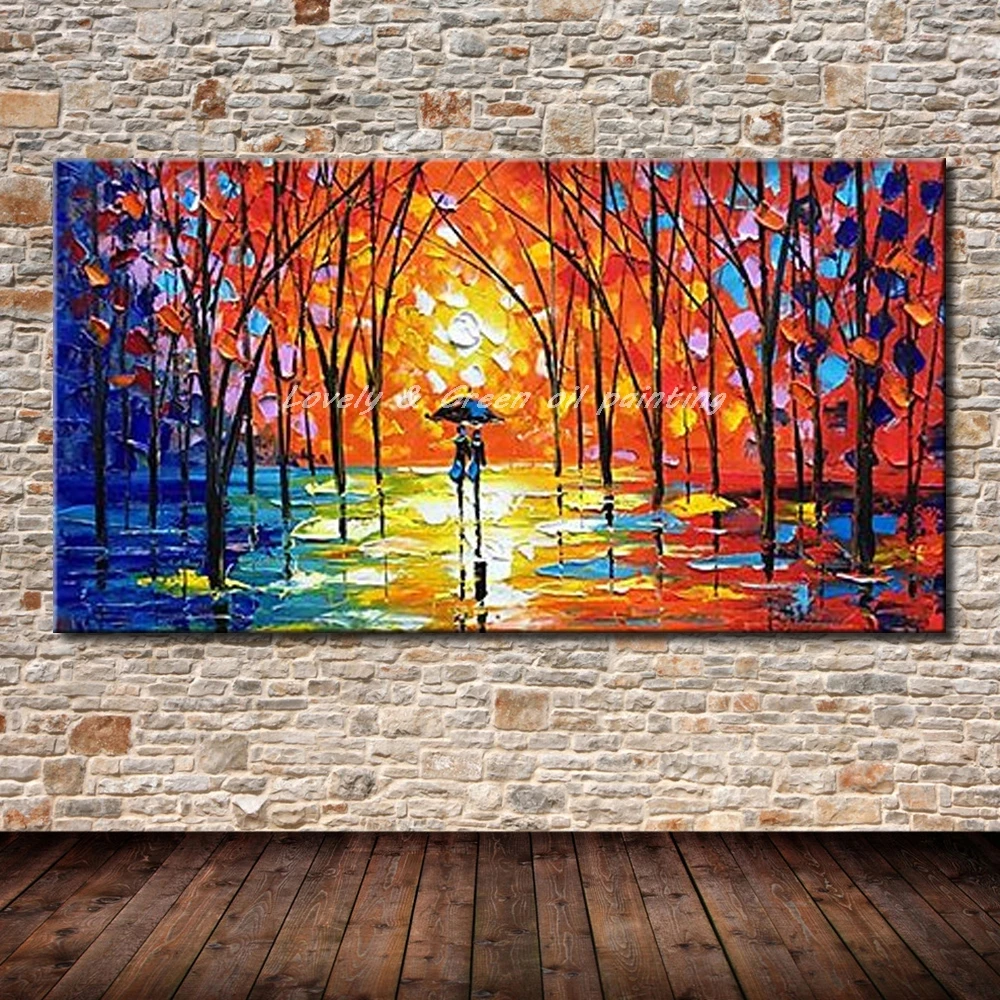
Skill Level
Some techniques require more skill and experience than others. If you are a beginner, consider starting with simpler methods like stenciling or sponging before progressing to more complex techniques. Many resources are available, including tutorials and workshops, to help you develop your skills and confidence.
The Benefits of Decorative Painting
Engaging in decorative painting offers numerous benefits beyond aesthetic enhancement. Here are some advantages:
Cost-Effective Transformation
Decorative painting is a cost-effective way to transform a space. Instead of investing in new furniture or extensive renovations, a fresh coat of paint can breathe new life into a room. This affordability makes decorative painting an attractive option for homeowners looking to refresh their spaces without breaking the bank.
Creative Expression
Decorative painting allows for personal expression and creativity. It provides an opportunity to experiment with colors, patterns, and techniques, resulting in a unique and personalized space. This creative outlet can be incredibly fulfilling, allowing individuals to showcase their artistic side.
Increased Property Value
Well-executed decorative painting can increase the value of a property. Potential buyers often appreciate the effort put into creating a visually appealing environment, making it a worthwhile investment. A beautifully painted home can stand out in the market, attracting more interest and potentially leading to a higher sale price.
Therapeutic Benefits
Engaging in painting can be therapeutic. The act of creating can reduce stress and promote relaxation, making it a fulfilling hobby for many. The meditative quality of painting allows individuals to focus their minds and escape from daily pressures, contributing to overall well-being.
Conclusion
Decorative painting is a powerful tool in the realm of interior design. It offers endless possibilities for creativity and personalization, allowing individuals to transform their spaces into reflections of their unique styles. Whether you are a seasoned artist or a DIY enthusiast, decorative painting can enhance the beauty and character of any environment. By exploring various techniques and applications, you can discover the transformative power of decorative painting and create spaces that inspire and delight.
Frequently Asked Questions
1.What is decorative painting?
Decorative painting is an art form that involves applying paint to surfaces in creative ways to enhance their aesthetic appeal.
2.What are some popular techniques in decorative painting?
Popular techniques include faux finishes, stenciling, sponging, rag rolling, and color washing.
3.Can I do decorative painting myself?
Yes, many decorative painting techniques can be done by DIY enthusiasts with varying skill levels.
4.How can decorative painting increase my home’s value?
Well-executed decorative painting can enhance the visual appeal of your home, making it more attractive to potential buyers.
5.What should I consider when choosing a decorative painting technique?
Consider the size of the space, existing color schemes, your personal style, and your skill level when selecting a technique.
How To Purchase:https://looperbuy.com/search?keywords=decorative+painting