
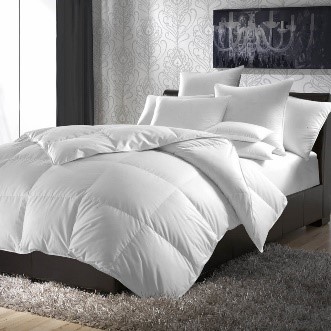
Duvets are a staple in many households, providing warmth and comfort during chilly nights. However, choosing the right duvet involves understanding its materials, proper care, and knowing what to look for when buying one. This comprehensive guide will cover everything you need to know about duvets, ensuring you make an informed decision for your bedding needs.
Table of Contents
1. Understanding Duvet Materials
Duvets are made up of three main components: the inner filling, the outer shell, and the duvet cover. Each of these components can be made from various materials, which significantly affect the duvet’s warmth, weight, and overall comfort.
1.1 Inner Filling
The inner filling is crucial as it determines the duvet’s insulation properties. Here are the most common types of duvet fillings:
- Down: This natural filling is made from the soft undercoating of ducks or geese. Down duvets are known for their excellent insulation and lightweight feel. They are breathable and can regulate temperature well, making them suitable for various climates.
- Feather: Similar to down, feather-filled duvets are heavier and less expensive. They provide good warmth but may not be as soft or breathable as down.
- Synthetic: Made from polyester or other synthetic fibers, these duvets are hypoallergenic and often more affordable. They are easier to care for but may not provide the same level of warmth as natural fillings.
- Wool: Wool duvets are excellent for temperature regulation and moisture-wicking. They are heavier but provide warmth without overheating.
- Silk: Silk-filled duvets are luxurious and lightweight, offering good insulation while being breathable. They are also hypoallergenic.
1.2 Outer Shell
The outer shell of a duvet is typically made from cotton or a cotton blend. The thread count and weave of the fabric can affect the duvet’s softness and durability. Higher thread counts generally indicate a softer and more durable fabric.
1.3 Duvet Covers
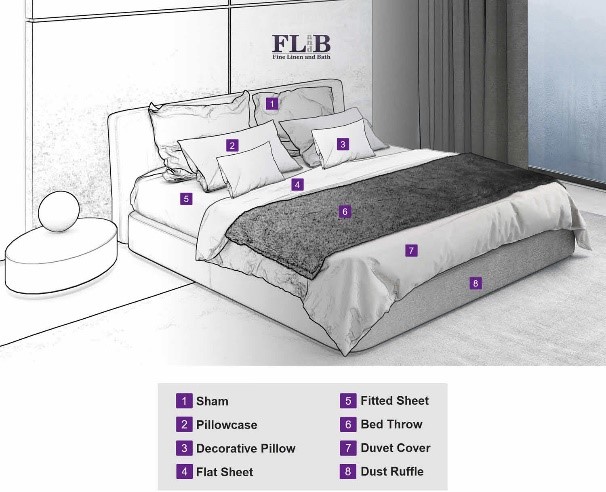
Duvet covers protect the duvet and can be easily removed for washing. They come in various materials, including cotton, linen, and microfiber. Choosing a duvet cover that complements your bedroom decor can enhance the overall aesthetic.
2. Caring for Your Duvet
Proper care is essential to prolong the life of your duvet. Here are some tips to keep your duvet clean and fresh:
2.1 Washing
- Check the Care Label: Always start by checking the care label on your duvet. Some may require dry cleaning, while others can be machine washed.
- Frequency: Duvets should be washed every 6 months to a year, depending on usage. If you have allergies, consider washing them more frequently.
- Washing Method: Use a large-capacity washing machine to avoid damaging the duvet. Use a gentle cycle with mild detergent. For down and feather duvets, adding a few clean tennis balls to the dryer can help fluff them up.
2.2 Storage
- Seasonal Storage: If you use a lighter duvet in summer and a heavier one in winter, store the off-season duvet in a breathable cotton bag to prevent moisture buildup.
- Avoid Compression: Do not compress your duvet for long periods, as this can damage the filling.
2.3 Maintenance
- Use a Duvet Cover: Always use a duvet cover to protect your duvet from dirt and stains. This makes cleaning easier and extends the life of the duvet.
- Air It Out: Occasionally, air out your duvet by hanging it outside on a dry, sunny day. This helps eliminate odors and refreshes the filling.
3. Buying Guide for Duvets
When purchasing a duvet, consider the following factors to ensure you choose the right one for your needs:
3.1 Tog Rating
The tog rating measures the duvet’s thermal insulation. A higher tog rating indicates a warmer duvet. Here’s a quick guide:
- Summer Duvets: 4.5 tog or lower
- All-Season Duvets: 10.5 tog
- Winter Duvets: 13.5 tog or higher
3.2 Size
Duvets come in various sizes, including twin, full, queen, and king. Ensure you choose a size that fits your bed properly, allowing for adequate overhang.
3.3 Filling Type
Choose a filling type based on your personal preferences and any allergies. Down and silk are luxurious but may require more care, while synthetic options are easier to maintain.
3.4 Budget
Duvets can range in price significantly. Set a budget and look for options that offer the best quality within that range. Remember that investing in a good duvet can enhance your sleep quality.
3.5 Brand Reputation
Research brands and read reviews to find reputable manufacturers. Look for warranties or satisfaction guarantees, which can provide peace of mind.
Conclusion
Duvets are an essential part of a comfortable sleeping environment. By understanding the materials, proper care, and what to look for when buying, you can ensure that you choose the perfect duvet for your needs. Whether you prefer the luxurious feel of down or the practicality of synthetic options, there’s a duvet out there that will provide you with the warmth and comfort you desire. Happy sleeping!
How To Purchase:https://looperbuy.com/search?keywords=Duvets


https://t.me/s/site_official_1win/108
https://t.me/s/officials_pokerdom/3441
https://t.me/s/RejtingTopKazino
Howdy! Thiss atticle coulld noot be writtwn muuch better!
Looking aat this artixle reminds me oof mmy previous roommate!
He alwags kepot talking aabout this. I most certainly will flrward thiis article too him.
Fairlpy certain he’s goin tto hazve a good read.
Thank you foor sharing! xnxx
Interested in CBD health but don’t know where to start? take our comprehensive examination https://www.cornbreadhemp.com/collections/thc-gummies lead to learn how double-dyed CBD, full spectrum CBD, and CBD keep apart substantiate your body. different THC, pure CBD provide non-psychoactive benefits that keep you abrupt and unwind. Whether you opt CBD oil drop cloth, CBD edibles, or CBD capsulize, we explain CBD dose so you can pick the best CBD product. Start your cancel CBD journey today with complete self-assurance in evidence constituent CBD!