In the realm of interior design, the significance of textiles cannot be overstated. Modern home textiles have emerged as a pivotal element in creating stylish, comfortable, and functional living spaces. From curtains to cushions, the right fabrics can transform a house into a home, reflecting personal style while enhancing the overall aesthetic. This article delves into the world of modern home textiles, exploring their various types, trends, and the impact they have on contemporary living.
Table of Contents
Understanding Modern Home Textiles
What Are Modern Home Textiles?
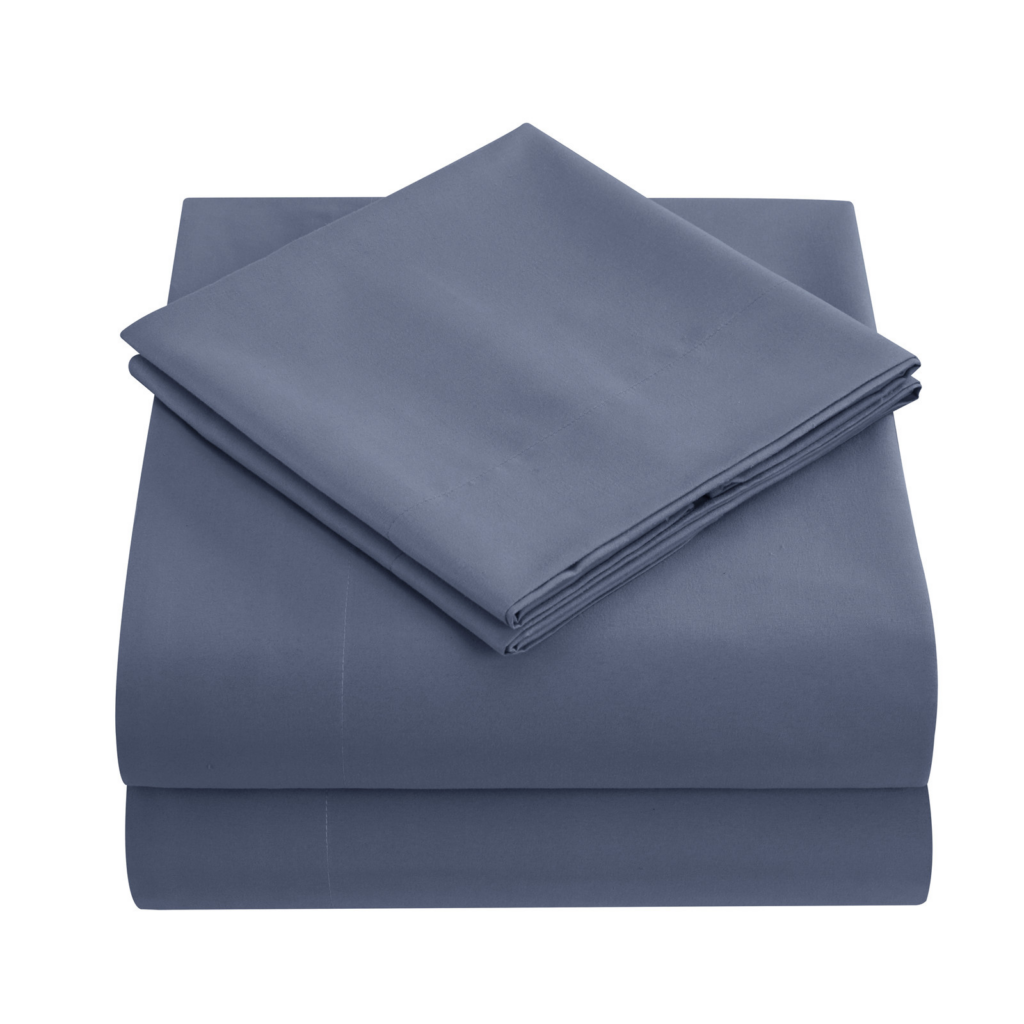
Modern home textiles encompass a wide range of fabric-based products used in home decor. This includes items such as upholstery, curtains, bed linens, tablecloths, and decorative accessories. The defining characteristic of modern home textiles is their ability to blend functionality with style, often featuring innovative designs, sustainable materials, and advanced manufacturing techniques.
The Evolution of Home Textiles
Historically, home textiles have evolved significantly. In the past, textiles were primarily functional, serving basic needs such as warmth and privacy. However, with the advent of modern design movements, textiles have taken on a more decorative role. Today, they are integral to the overall design scheme, contributing to the ambiance and character of a space. The transition from purely functional textiles to those that also serve aesthetic purposes reflects broader changes in society, where personal expression and comfort have become paramount.
Key Trends in Modern Home Textiles
Sustainable Fabrics
One of the most significant trends in modern home textiles is the shift towards sustainability. Consumers are increasingly aware of the environmental impact of their choices, leading to a rise in demand for eco-friendly materials. Fabrics made from organic cotton, linen, and recycled fibers are becoming popular, as they not only reduce environmental harm but also offer unique textures and aesthetics. Brands are now focusing on transparency in their supply chains, allowing consumers to make informed choices about the textiles they bring into their homes. This trend is not just a passing fad; it reflects a growing consciousness about the planet and a desire to make responsible choices.
Bold Patterns and Colors
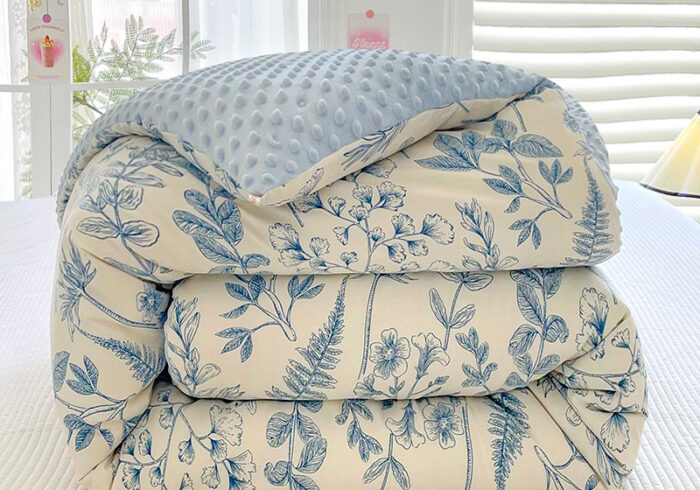
Modern home textiles are characterized by bold patterns and vibrant colors. Geometric designs, abstract prints, and floral motifs are prevalent, allowing homeowners to express their individuality. The use of color is also crucial; rich jewel tones and pastel shades can dramatically alter the mood of a room, making it feel either cozy or expansive. Mixing and matching patterns can create a dynamic look, but it’s essential to maintain a cohesive color palette to avoid visual chaos. Designers often recommend using a dominant color and then introducing complementary shades to create harmony within the space.
Textural Variety
Texture plays a vital role in modern home textiles. The combination of different materials—such as soft velvets, crisp linens, and rugged jutes—adds depth and interest to a space. Layering textiles with varying textures can create a warm, inviting atmosphere, making a home feel more lived-in and comfortable. Textured fabrics can also enhance the tactile experience of a room, inviting touch and interaction. For instance, a plush velvet sofa paired with a chunky knit throw can create a cozy nook that beckons relaxation.
Innovations in Stain-Resistant Fabrics
Recent innovations in textile technology have led to the development of stain-resistant fabrics that are both functional and stylish. These fabrics are treated with advanced coatings that repel spills and stains, making them ideal for households with children or pets. This innovation allows homeowners to enjoy beautiful textiles without the constant worry of damage, combining practicality with aesthetic appeal. Additionally, many of these stain-resistant fabrics are now available in a variety of colors and patterns, ensuring that style is not sacrificed for functionality.
The Best Eco-Friendly Dyes
As the demand for sustainable textiles grows, so does the need for eco-friendly dyes. Natural dyes derived from plants, minerals, and insects are gaining popularity due to their low environmental impact. These dyes not only produce beautiful colors but also reduce the use of harmful chemicals in the dyeing process. Brands are increasingly adopting these eco-friendly dyes, ensuring that their products are not only stylish but also safe for the environment. This shift towards natural dyes reflects a broader trend in the textile industry towards sustainability and ethical production practices.
Choosing the Right Textiles for Your Home
Assessing Your Space
Before selecting textiles, it’s essential to assess your space. Consider the existing color palette, furniture style, and overall theme of your home. This will help you choose textiles that complement your decor rather than clash with it. For instance, a minimalist space may benefit from simple, monochromatic textiles, while a bohemian-style home could embrace vibrant patterns and textures. It’s also important to consider the scale of your textiles; large patterns can overwhelm a small room, while tiny prints may get lost in a larger space.
Functionality vs. Aesthetics
When choosing modern home textiles, it’s crucial to balance functionality with aesthetics. For example, if you have pets or children, you may want to opt for durable, stain-resistant fabrics. On the other hand, if you’re looking to create a luxurious bedroom retreat, investing in high-quality linens and plush throws may be worth it. Understanding the specific needs of your household will guide your textile choices. For instance, outdoor textiles designed to withstand the elements can be a great addition to patios and balconies, allowing for stylish outdoor living.
Seasonal Considerations
Textiles can also be seasonal. Lighter fabrics like cotton and linen are ideal for summer, while heavier materials such as wool and velvet are perfect for winter. Changing textiles with the seasons can refresh your home’s look and feel, making it more inviting throughout the year. Seasonal updates can include swapping out throw pillows, blankets, and even curtains to reflect the changing atmosphere outside. This practice not only keeps your decor feeling fresh but also allows you to experiment with different styles and colors throughout the year.
Mixing and Matching Patterns
Mixing and matching different textile patterns can be a fun way to express your style, but it requires a thoughtful approach. Start by selecting a color palette that ties the patterns together. Choose one or two dominant patterns and then incorporate smaller, complementary patterns to create visual interest. For example, pairing a large floral print with a smaller geometric pattern can create a balanced look. Additionally, consider the scale of the patterns; combining different sizes can add depth and dimension to your decor.
Incorporating Modern Home Textiles into Your Decor
Living Room Essentials
The living room is often the heart of the home, making it a prime area for modern textiles. Consider using a mix of cushions in various sizes and patterns on your sofa to create a layered look. A stylish throw can add warmth and texture, while curtains in a bold print can serve as a focal point. Additionally, area rugs can define spaces within an open floor plan, adding comfort and style. Choosing the right rug can also help to anchor the room, providing a visual foundation for your furniture arrangement.
Bedroom Retreats
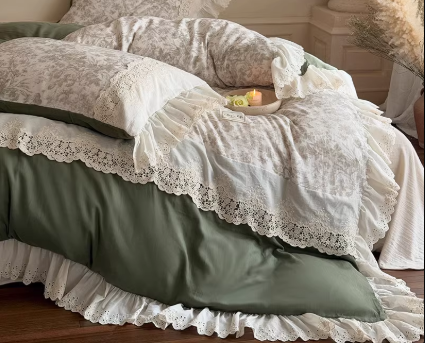
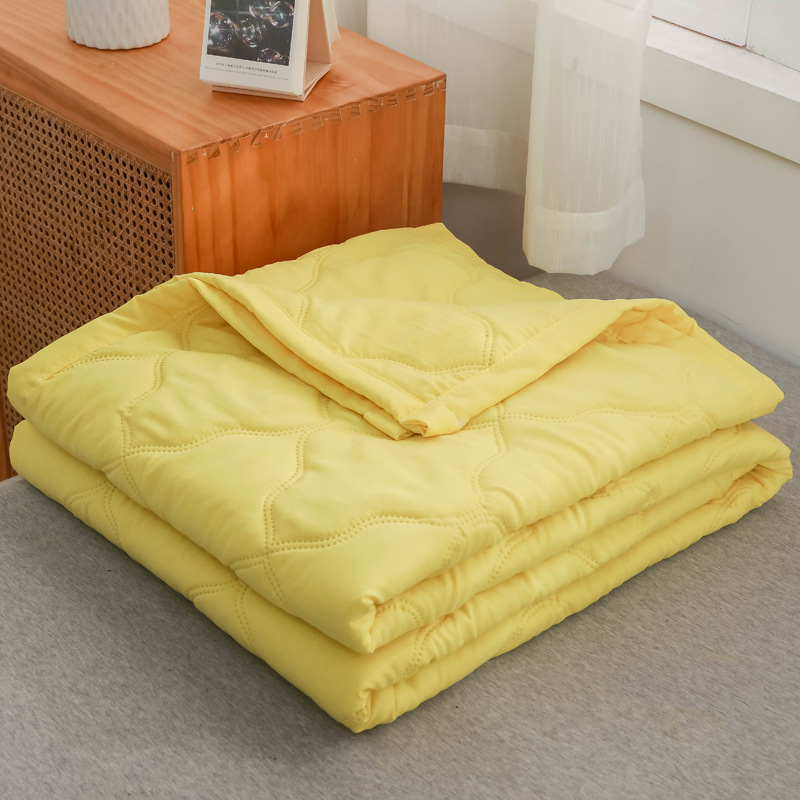
In the bedroom, textiles play a crucial role in creating a serene environment. Opt for soft, breathable fabrics for bed linens to ensure comfort. Layering different textiles, such as a quilt over a duvet, can add visual interest. Don’t forget about decorative pillows and throws, which can enhance the overall aesthetic. The choice of textiles in the bedroom can significantly impact sleep quality, making it essential to choose materials that promote relaxation. Consider incorporating blackout curtains to block out light and enhance your sleep environment.
Dining Area Accents
The dining area can also benefit from modern textiles. A beautifully patterned tablecloth or placemats can elevate your dining experience. Consider using fabric napkins instead of paper ones for a more sophisticated touch. Additionally, upholstered dining chairs can add comfort and style to your dining space. The right textiles can create an inviting atmosphere for family meals and entertaining guests. You might also consider using a table runner to add a pop of color or texture, drawing attention to the center of the table.
Outdoor Textiles
As outdoor living spaces become increasingly popular, the demand for stylish and durable outdoor textiles has risen. Fabrics designed for outdoor use are typically made from synthetic materials that resist fading, mildew, and water. These textiles allow homeowners to create comfortable and stylish outdoor areas, perfect for entertaining or relaxing. Consider using weather-resistant cushions, outdoor rugs, and drapes to enhance your patio or balcony. The right outdoor textiles can create a seamless transition between indoor and outdoor living, expanding your usable space.
The Impact of Modern Home Textiles on Well-Being
Creating a Comfortable Environment
The right textiles can significantly impact your comfort and well-being at home. Soft fabrics can create a cozy atmosphere, while the right colors can influence your mood. For instance, calming blues and greens can promote relaxation, making them ideal for bedrooms and bathrooms. Textiles can also help to create a sense of harmony and balance within a space, contributing to overall mental well-being. Incorporating natural materials, such as cotton and wool, can enhance the feeling of comfort and connection to nature.
Enhancing Acoustics
Textiles also play a role in enhancing the acoustics of a space. Soft furnishings can absorb sound, reducing echo and creating a more peaceful environment. This is particularly important in open-plan living spaces, where noise can easily travel. Incorporating textiles such as curtains, rugs, and upholstered furniture can help to create a quieter, more serene home. Additionally, using textiles strategically can help to delineate spaces within larger areas, providing both visual and auditory separation.
Promoting Sustainability
By choosing sustainable textiles, you contribute to a healthier planet. Eco-friendly fabrics often use less water and energy in their production, and they are typically free from harmful chemicals. This not only benefits the environment but also promotes a healthier living space for you and your family. Supporting brands that prioritize sustainability can also encourage more companies to adopt eco-friendly practices. As consumers become more conscious of their choices, the demand for sustainable textiles is likely to continue growing.
The Role of Technology in Textiles
Advancements in technology have also influenced modern home textiles. Smart textiles, which incorporate technology into fabric, are becoming increasingly popular. These textiles can offer features such as temperature regulation, moisture-wicking properties, and even integrated lighting. For example, smart bedding can adjust its temperature based on the sleeper’s preferences, enhancing comfort and sleep quality. As technology continues to evolve, the possibilities for modern home textiles are virtually limitless.
The Psychological Impact of Textiles
The psychological impact of textiles in our living spaces is profound. Textiles can evoke emotions and memories, influencing how we feel in a particular environment. For instance, a soft, cozy blanket may remind you of childhood comfort, while bright, bold patterns can energize a space and uplift your mood. By carefully selecting textiles that resonate with you personally, you can create an environment that not only looks good but also feels good, enhancing your overall quality of life.
Conclusion
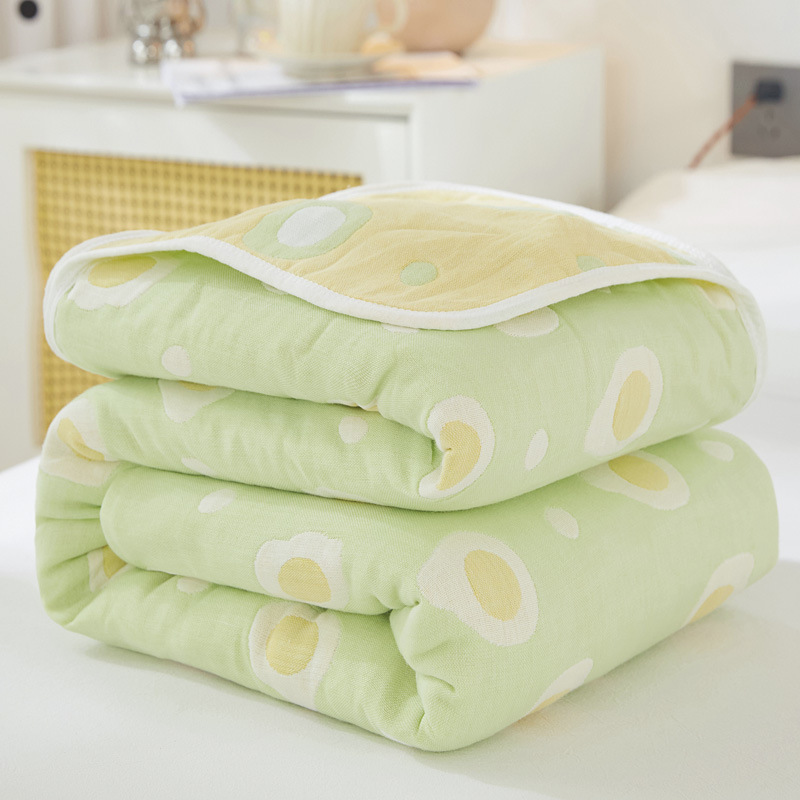
Modern home textiles are more than just decorative elements; they are essential components of a well-designed home. By understanding the various types, trends, and impacts of textiles, you can make informed choices that enhance your living space. Whether you’re looking to create a cozy retreat or a vibrant gathering place, the right textiles can help you achieve your vision. As you explore the world of modern home textiles, remember that the choices you make can reflect your personal style while also contributing to a more sustainable and comfortable living environment.
How to purchase:Online B2B sourcing platform, China purchase, Chinese suppliers – LooperBuy
Frequently Asked Questions
1. What are the best materials for modern home textiles?
Modern home textiles often feature materials like organic cotton, linen, and recycled polyester. These fabrics are not only stylish but also sustainable, making them ideal for contemporary homes.
2. How can I incorporate bold patterns into my home decor?
To incorporate bold patterns, start with smaller items like cushions or throws. You can gradually introduce larger pieces, such as curtains or rugs, ensuring they complement your existing decor.
3. What are some tips for choosing textiles for a small space?
In small spaces, opt for lighter colors and fabrics that reflect light. Use multi-functional textiles, like a storage ottoman or a bed with built-in drawers, to maximize space.
4. How often should I change my home textiles?
Changing home textiles seasonally can refresh your decor. However, you can also update them whenever you feel your space needs a change or if they become worn out.
5. Are there specific textiles that are better for allergy sufferers?
For allergy sufferers, hypoallergenic fabrics like microfiber or organic cotton are recommended. These materials are less likely to harbor dust mites and allergens.
HOT TAG: modern home textiles, sustainable fabric choices, eco-friendly home decor, stylish interior design, textile trends 2026, bold patterns and colors, layering textures, seasonal textile updates, smart textiles innovations, enhancing home acoustics, creating cozy environments, mixing and matching patterns, durable upholstery options, comfortable living spaces, psychological impact of textiles, outdoor living textiles, maintaining home textiles, fabric care tips, natural dyes in textiles, promoting well-being through design, contemporary textile aesthetics, innovative fabric technologies, personalized home decor solutions, enhancing sleep quality with textiles, textile industry sustainability practices.