In the world of interior design, every detail counts, and furniture legs are no exception. Small furniture legs, often overlooked, play a crucial role in the overall aesthetic and functionality of your furniture. They can transform a piece from ordinary to extraordinary, adding character and style to your home. This article explores the various types of small furniture legs, their benefits, and how to choose the right ones for your space.
Table of Contents
Understanding Small Furniture Legs
What Are Small Furniture Legs?
Small furniture legs refer to the shorter, often more delicate legs used on various types of furniture, including chairs, tables, and cabinets. These legs can range in height from a few inches to about a foot, making them ideal for low-profile furniture pieces. They are designed not only for support but also to enhance the visual appeal of the furniture.
Why Choose Small Furniture Legs?
- Space Efficiency: Small furniture legs are perfect for compact spaces. They help create an illusion of more space, making a room feel larger and more open.
- Aesthetic Appeal: These legs come in various styles, materials, and finishes, allowing you to customize your furniture to match your decor.
- Stability and Support: Despite their size, small furniture legs can provide excellent support, especially when made from durable materials.
Types of Small Furniture Legs
1. Tapered Legs
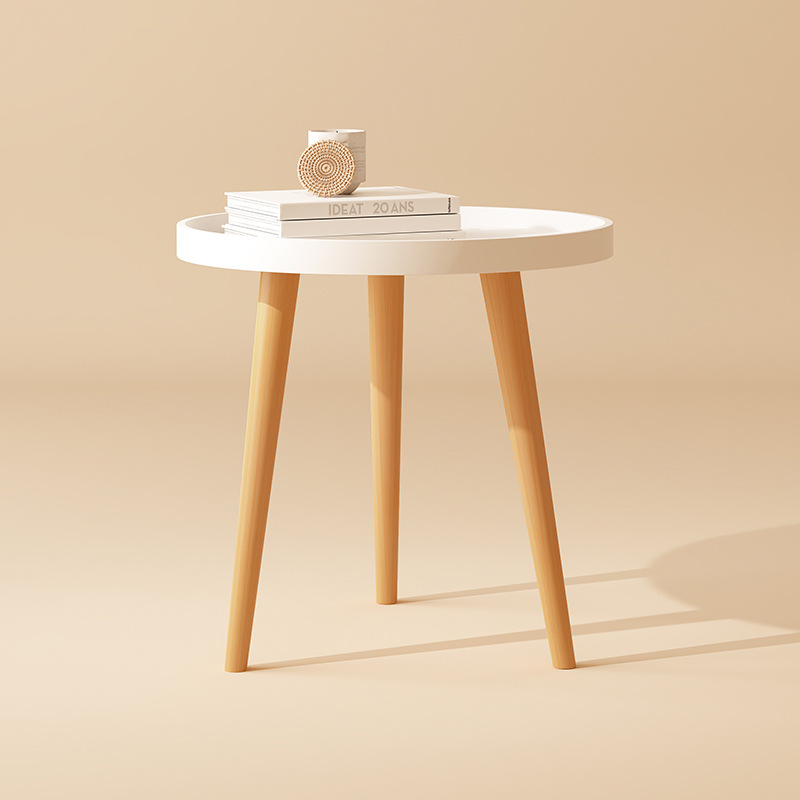
Tapered legs are a popular choice for modern furniture. They start wide at the top and gradually narrow down, creating a sleek and elegant look. These legs are often made from wood or metal and can be stained or painted to match your furniture. Tapered legs not only add a contemporary touch but also help in visually elongating the furniture, making it appear less bulky.
2. Hairpin Legs
Hairpin legs are characterized by their minimalist design, typically made from metal rods bent into a hairpin shape. They are perfect for industrial or contemporary styles and provide a light, airy feel to furniture. Hairpin legs are particularly popular for coffee tables and desks, as they allow for more legroom and create an open space underneath.
3. Bun Feet
Bun feet are rounded and often used in traditional furniture designs. They add a classic touch and are commonly found on sofas, chairs, and cabinets. Bun feet can be made from wood or composite materials and are available in various finishes. Their rounded shape provides a softer look, making them ideal for cozy, inviting spaces.
4. Splayed Legs
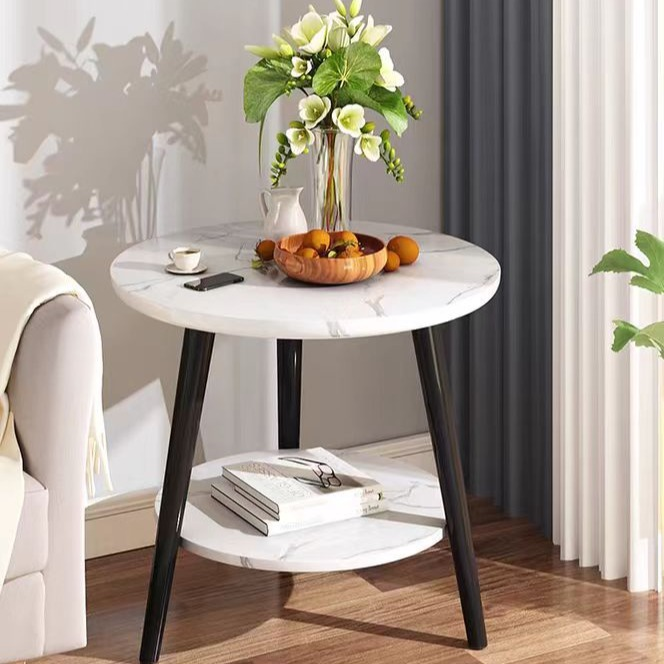
Splayed legs extend outward from the base of the furniture, providing a stable and stylish look. They are often used in mid-century modern designs and can be made from wood or metal. Splayed legs not only enhance stability but also add a dynamic visual element to the furniture, making it appear more modern and stylish.
5. Square Legs
Square legs offer a sturdy and robust appearance. They are versatile and can fit into various design styles, from contemporary to rustic. These legs can be made from solid wood or metal, providing durability and strength. Square legs are particularly effective for heavier furniture pieces, ensuring they remain stable and secure.
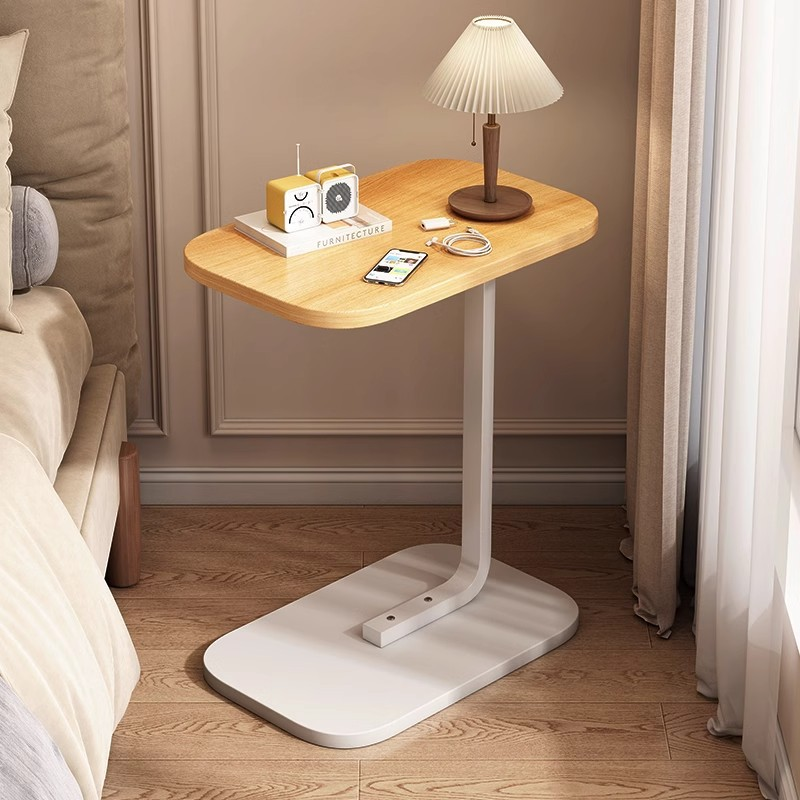
Choosing the Right Small Furniture Legs
Consider Your Furniture Style
When selecting small furniture legs, consider the overall style of your furniture. For instance, if you have a modern sofa, tapered or hairpin legs may complement it well. Conversely, traditional furniture may benefit from bun feet or square legs. Matching the leg style to your furniture can create a cohesive look that enhances the overall design of your space.
Material Matters
The material of the legs can significantly impact the durability and aesthetic of your furniture. Wooden legs offer warmth and a classic look, while metal legs provide a sleek, modern feel. Consider the weight of your furniture as well; heavier pieces may require sturdier legs. Additionally, the finish of the legs can affect how they blend with your existing decor. For example, a matte finish may suit a rustic setting, while a glossy finish may be better for a contemporary space.
Height and Proportion
The height of the legs should be proportional to the furniture piece. For example, a low coffee table may look best with shorter legs, while a dining table may require taller legs for comfort. Ensure that the legs you choose maintain the balance and proportion of the furniture. This consideration is crucial for both aesthetic appeal and functional use, as the right height can enhance comfort and usability.
Benefits of Upgrading to Small Furniture Legs
Enhanced Aesthetics
Upgrading to stylish small furniture legs can dramatically change the look of your furniture. Whether you opt for sleek metal legs or classic wooden ones, the right choice can enhance your decor and make your furniture stand out. A well-chosen leg style can serve as a focal point in the room, drawing attention to the furniture piece and complementing other design elements.
Increased Functionality
Small furniture legs can also improve the functionality of your pieces. For instance, adding adjustable legs can help level furniture on uneven floors, while casters can make moving heavy items easier. This added functionality can be particularly beneficial in multi-purpose spaces where furniture may need to be rearranged frequently.
Customization Options
Many retailers offer customizable furniture legs, allowing you to choose the height, material, and finish that best suits your needs. This level of customization ensures that your furniture not only looks great but also fits perfectly in your space. Custom legs can also reflect your personal style, making your furniture truly unique.
DIY: How to Replace Small Furniture Legs
Tools and Materials Needed
- New small furniture legs
- Screwdriver
- Measuring tape
- Level
- Wood glue (optional)
Step-by-Step Guide
- Measure the Existing Legs: Use a measuring tape to determine the height of your current legs. This will help you choose the right replacement legs.
- Remove Old Legs: Use a screwdriver to remove the existing legs from your furniture. Be careful not to damage the furniture during this process.
- Prepare the New Legs: If necessary, apply wood glue to the top of the new legs for added stability.
- Attach New Legs: Position the new legs in the same location as the old ones and secure them with screws.
- Level the Furniture: Use a level to ensure that the furniture is stable and even. Adjust the legs as needed.
Tips for a Successful Upgrade
- Choose the Right Height: Ensure that the new legs are the appropriate height for your furniture type. This will enhance comfort and usability.
- Consider Style and Finish: Match the style and finish of the new legs to your existing furniture for a cohesive look.
- Test Stability: After installation, test the stability of the furniture to ensure it can support the intended weight without wobbling.
The Impact of Small Furniture Legs on Interior Design
Creating Visual Interest
Small furniture legs can create visual interest in a room. By selecting unique leg designs, you can add character to your furniture. For example, intricate wooden legs can evoke a sense of craftsmanship, while sleek metal legs can contribute to a modern aesthetic. The choice of legs can also influence the overall mood of the space, making it feel more inviting or sophisticated.
Enhancing Space Perception
In smaller rooms, the right furniture legs can enhance the perception of space. Legs that are thin and airy can make furniture appear lighter, allowing for better flow and movement within the room. This is particularly important in urban living spaces where maximizing space is essential.
Complementing Other Design Elements
Small furniture legs can complement other design elements in your home. For instance, if you have a rustic wooden dining table, pairing it with wooden bun feet can create a harmonious look. Alternatively, if your decor features industrial elements, hairpin legs can tie the room together beautifully.
Creative Ways to Repurpose Old Small Furniture Legs
If you have old small furniture legs lying around, consider repurposing them instead of discarding them. Here are some creative ideas:
1. Plant Stands
Old furniture legs can be transformed into stylish plant stands. Simply attach a small wooden or metal platform to the top of the leg, and you have a unique way to display your favorite plants.
2. Coat Racks
By attaching several old legs to a wooden board, you can create a rustic coat rack. This not only adds functionality to your entryway but also serves as a decorative piece.
3. Decorative Wall Art
If you have legs with interesting designs, consider using them as wall art. Mount them on a canvas or frame to create a unique focal point in your home.
4. Side Tables
Combine a few old legs with a round or square top to create a small side table. This can be a great addition to your living room or bedroom.
5. Furniture Feet
If you have furniture that needs a little lift, consider using old legs as replacement feet. This can add a vintage touch to your furniture while providing the necessary support.
Best Materials for Small Furniture Legs in High-Traffic Areas
When selecting small furniture legs for high-traffic areas, durability is key. Here are some of the best materials to consider:
1. Metal
Metal legs, particularly those made from steel or aluminum, are incredibly durable and resistant to wear and tear. They can withstand heavy use and are less likely to chip or break compared to wood. Metal legs also offer a modern aesthetic that can complement various design styles.
2. Solid Wood
Solid wood legs are another excellent choice for high-traffic areas. They provide a sturdy base and can be finished to resist scratches and dents. Hardwoods like oak, maple, and cherry are particularly resilient and can withstand the rigors of daily use.
3. Composite Materials
Composite materials, such as engineered wood or high-density plastics, can also be suitable for small furniture legs in busy areas. These materials are often designed to mimic the appearance of wood while offering enhanced durability and resistance to moisture and impact.
Choosing the Right Size and Style of Furniture Legs
Size Considerations
When selecting furniture legs, size is crucial. Measure the height of your existing furniture to ensure that the new legs will provide the right proportions. For example, a coffee table typically requires legs that are 16 to 18 inches tall, while dining tables usually need legs that are 28 to 30 inches tall.
Style Considerations
The style of the legs should complement the overall design of your furniture. If you have a contemporary sofa, consider sleek, minimalist legs. For traditional pieces, opt for more ornate designs. Mixing styles can create an eclectic look, but be mindful of maintaining a cohesive theme throughout your space.
Conclusion
How to purchase:https://looperbuy.com/search?keywords=small+furniture+legs&globalType=china
Small furniture legs may seem like a minor detail, but they play a significant role in the overall design and functionality of your furniture. By understanding the different types of legs available and how to choose the right ones, you can elevate your space and create a cohesive look that reflects your personal style. Whether you opt for modern hairpin legs or classic bun feet, the right small furniture legs can make all the difference in your home.
Frequently Asked Questions
1. What are the most durable materials for small furniture legs?
The most durable materials for small furniture legs include solid wood, metal, and high-quality composites. Each material offers different benefits, with metal providing strength and wood offering aesthetic warmth.
2. How do different styles of small furniture legs impact a room’s overall aesthetic?
Different styles of small furniture legs can significantly influence a room’s aesthetic. For example, sleek metal legs can enhance a modern look, while ornate wooden legs can add a traditional touch, affecting the overall feel of the space.
3. Where can I find unique or custom-designed small furniture legs?
Unique or custom-designed small furniture legs can be found at specialty furniture stores, online retailers, and artisan shops. Websites that focus on handmade or custom furniture often offer a variety of leg styles.
4. Can I replace furniture legs myself?
Yes, replacing furniture legs is a straightforward DIY project. Ensure you have the right tools and follow the steps carefully for a successful upgrade.
5. Are adjustable legs available for small furniture?
Yes, many retailers offer adjustable small furniture legs, allowing you to customize the height for uneven floors or personal preference.
HOT TAG: small furniture legs, furniture design ideas, home decor tips, DIY furniture projects, interior design styles, furniture leg materials, modern furniture legs, traditional furniture legs, space-saving furniture, customizable furniture legs, repurposed furniture ideas, stylish furniture upgrades, durable furniture legs, unique furniture designs, enhancing home aesthetics