Conclusion: As we navigate the complexities of 2026, the partnership between high-end hospitality operators and their textile suppliers has evolved into a strategic alliance defined by sustainability, technological integration, and a relentless focus on the guest experience, necessitating that suppliers shift from being mere vendors to becoming innovation partners who prioritize transparency and quality to meet the sophisticated demands of the modern market.
Table of Contents
The Evolving Landscape of Hospitality Textiles
The hospitality and home textiles supplier sector is undergoing a profound transformation as we move deeper into 2026. For hoteliers and procurement directors, textiles are no longer just functional necessities—they are integral components of the guest experience, serving as a primary touchpoint that defines the quality of a stay. As consumer expectations for luxury, hygiene, and environmental responsibility rise, the relationship between property operators and their supply chain has shifted significantly.
Redefining the Supplier-Operator Partnership
Historically, the procurement of linens, towels, and upholstery was a transactional process driven largely by cost-efficiency. Today, the most successful collaborations are built on a foundation of long-term strategic alignment. Operators are seeking suppliers who understand the “guest journey” from the moment they check in to the final night of their stay. A high-quality textile supplier now functions as an extension of the hotel’s design team and operational strategy, contributing to brand identity and operational longevity. Suppliers are now often involved in the early stages of interior design projects, advising on material selection that balances aesthetic appeal with the high-frequency wear-and-tear characteristic of commercial environments.
The Impact of Sustainability on Procurement
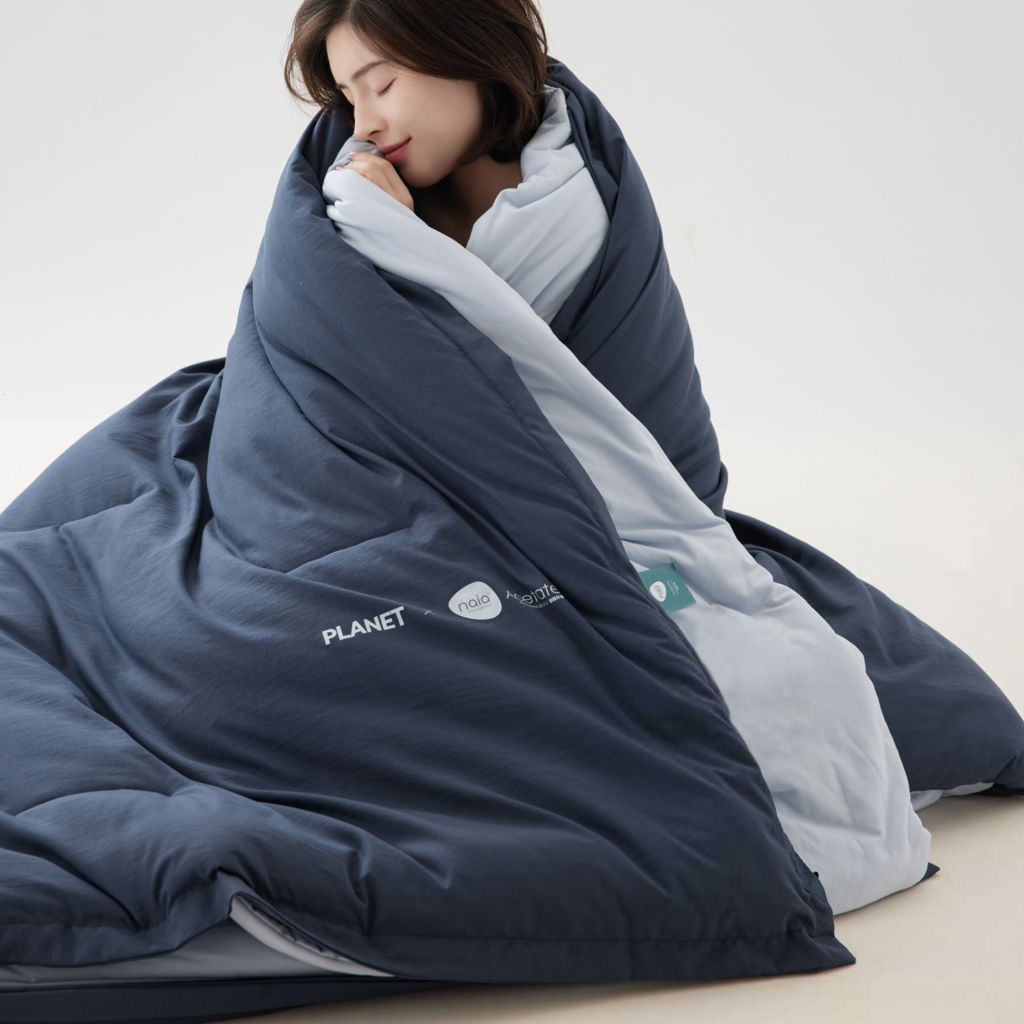
Sustainability has moved from a marketing buzzword to a mandatory procurement requirement. Leading hospitality and home textiles suppliers are now expected to provide clear traceability for raw materials, such as organic cotton, recycled polyester, and bio-based fibers. Procurement officers are scrutinizing supply chains for proof of ethical labor practices and environmental compliance. Suppliers who can demonstrate a circular lifecycle—where textiles are recycled or repurposed at the end of their utility—are increasingly gaining a competitive advantage in the global market. Furthermore, water usage and chemical management in dyeing and finishing processes are under intense scrutiny, compelling suppliers to adopt cleaner, more efficient manufacturing technologies to remain viable partners for eco-conscious hotel chains.
Technological Integration and Smart Fabrics
Innovation in material science is driving a wave of “smart” textile solutions that cater to both comfort and operational efficiency. The integration of technology into the very fibers of the fabric is changing how hotels maintain their properties and how guests perceive their environment.
Defining Smart Textiles in Hospitality
Smart textiles incorporate advanced materials or technologies designed to adapt to environmental changes. This includes fabrics with silver-ion antimicrobial coatings that actively combat bacterial growth, stain-resistant finishes that reduce the need for harsh chemical laundering, and temperature-regulating fibers that enhance thermal comfort. For the hospitality and home textiles supplier, investing in these technologies is a key strategy for attracting top-tier clients who want to lower operational costs while improving the guest experience. In the luxury sector, textiles embedded with subtle sensors to track occupancy or climate comfort are also beginning to emerge as premium amenities, allowing for personalized climate control within suites.
Automation and Data-Driven Sourcing
Beyond the physical product, suppliers are increasingly using data to optimize their own operations. With artificial intelligence becoming prevalent, top suppliers are utilizing predictive analytics to anticipate market demand, manage inventory levels, and ensure that they can meet the specific needs of large-scale hotel chains without compromising on lead times. This level of operational sophistication allows the supplier to offer more consistent service, which is a critical differentiator in a market currently navigating shifting trade policies and global logistical uncertainties. By integrating inventory systems directly with client purchasing platforms, suppliers can automate replenishment cycles, significantly reducing the administrative burden on hotel procurement teams.
Navigating Economic Volatility and Supply Chain Resilience
The economic climate of 2026 presents a mix of challenges and opportunities. Global supply chain instability, lingering tariff uncertainties, and fluctuating material costs require both hospitality operators and their suppliers to remain agile.
Strategies for Supply Chain Diversification
Dependency on a single region for textile production has proven to be a vulnerability. Progressive hospitality and home textiles suppliers are diversifying their manufacturing footprints. By establishing presence in multiple geographic hubs, they can mitigate risks related to regional trade disruptions, ensuring that their hospitality partners have a consistent flow of inventory regardless of external economic shocks. This resilience is often rewarded with loyalty from major hotel brands looking for stability. Furthermore, regionalization—producing goods closer to the markets they serve—is gaining traction to reduce carbon footprints associated with long-haul shipping and to provide shorter, more responsive lead times.
The Rise of Quiet Luxury in Design
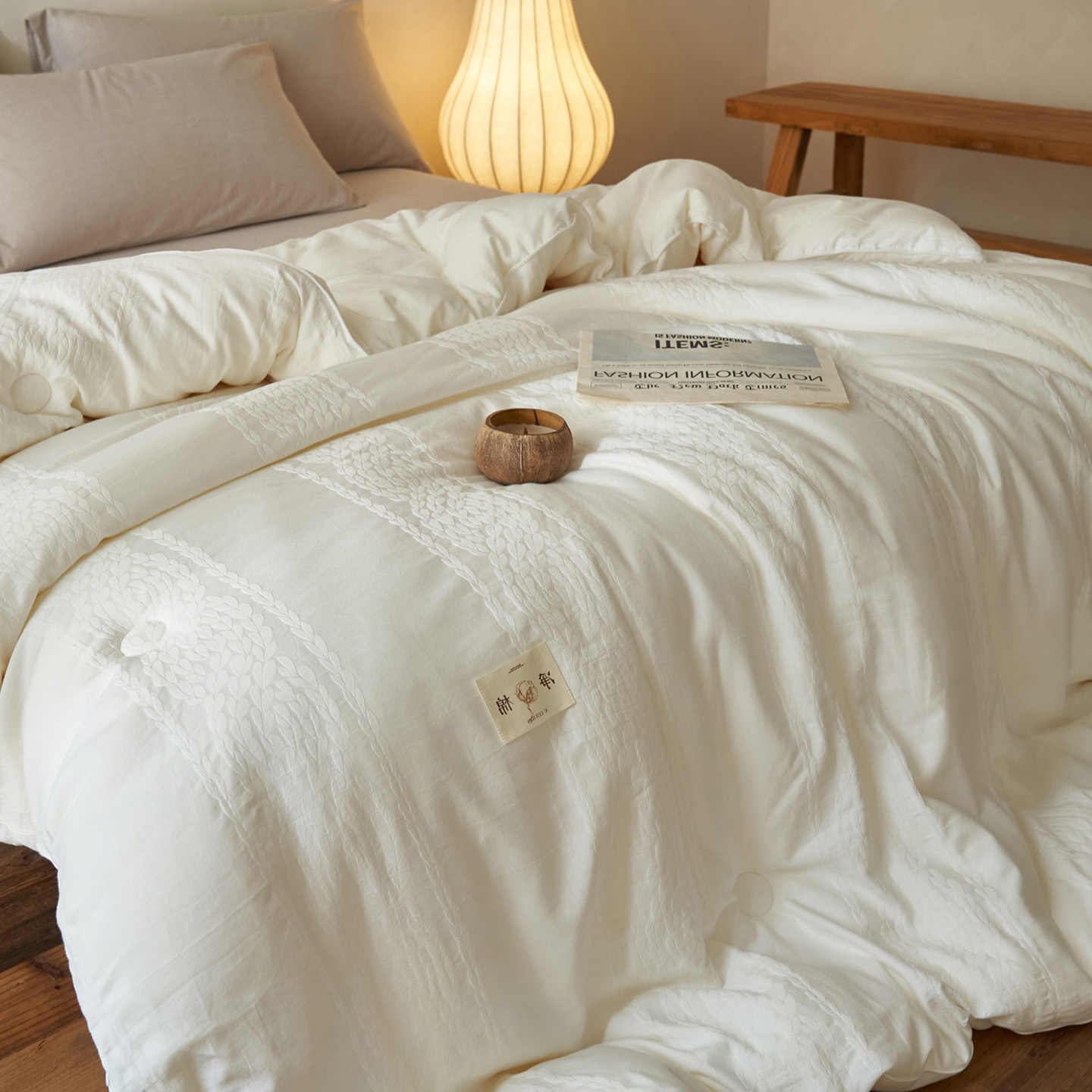
Design trends in 2026 favor “quiet luxury”—a shift toward understated elegance, high-quality natural textures, and a timeless aesthetic. Hotels are moving away from heavy, ornate designs toward simpler, more tactile experiences. This trend forces suppliers to focus more on the quality of the raw fiber and the sophistication of the weave. The tactile experience of a sheet or the drape of a curtain has become paramount, and suppliers who can deliver these premium, sensory-focused goods are seeing higher demand. This aesthetic requires impeccable craftsmanship, as there are fewer decorative elements to mask any imperfections in the fabric quality or construction.
Balancing Cost and Quality in Competitive Markets
In an era of economic pressure, suppliers must balance the demand for premium quality with budgetary constraints. Creative engineering—such as developing hybrid weaves that provide the feel of luxury Egyptian cotton while utilizing durable, sustainable synthetic blends for longevity—is becoming a vital capability. Suppliers who can offer “value-engineered” solutions that maintain a high standard of guest comfort while optimizing for extended wash-life are proving indispensable.
Quality Assurance and Future-Proofing the Hotel Experience
Future-proofing a hotel business involves making procurement decisions that won’t require costly upgrades in the near future. This means focusing on the durability and longevity of textile investments.
The Critical Role of Certification
In 2026, verification is key. Suppliers who hold certifications—whether for organic standards (GOTS), fair trade, or specific fire-retardant safety regulations—provide the “radical transparency” that modern procurement directors demand. These certifications act as a form of insurance for the hotel, protecting them from both brand reputation risks and regulatory non-compliance. As guests become more educated about textile standards, they are increasingly seeking out hotels that can prove the non-toxic and ethical nature of the bedding and linens they interact with during their stay.
Designing for Longevity and Ease of Maintenance
The best textiles are not only luxurious but also easy to care for. Suppliers who work closely with hotel laundry operations to design products that maintain their integrity after hundreds of wash cycles are becoming the preferred partners. This focus on “total cost of ownership” rather than just the initial purchase price is a hallmark of a sophisticated hospitality and home textiles supplier. By delivering products that last longer, these suppliers help hotels reduce waste, save on long-term replacement costs, and consistently provide a pristine product to their guests. Moreover, innovation in rapid-dry fabrics and wrinkle-resistant finishes is streamlining laundry labor, allowing hotels to optimize their housekeeping productivity without sacrificing the high-quality look expected by guests.
Building Lasting Relationships in a Digital World
While digital procurement platforms and automated supply chain tools are essential, the human element remains vital. Successful hospitality and home textiles suppliers invest in account management teams that act as consultants. These teams visit properties to understand the unique challenges of specific climates, guest demographics, and operational workflows. This personalized approach ensures that the textiles provided are not just suitable for the brand, but perfectly aligned with the specific performance requirements of the venue. Whether it is a beachside resort needing fabrics resistant to salt air and UV exposure, or a city-center business hotel requiring high-frequency maintenance, tailored solutions remain the ultimate goal of the industry.
How to purchase:Online B2B sourcing platform, China purchase, Chinese suppliers – LooperBuy
Summary
The hospitality and home textiles supplier industry in 2026 is characterized by a shift toward strategic partnership, sustainability, and technological integration. Suppliers are no longer mere providers of goods but are integral partners in enhancing the guest journey through durable, smart, and ethically sourced textiles. As global economic volatility continues, the market rewards those who offer radical transparency, operational resilience, and a deep understanding of evolving design trends such as “quiet luxury.” By focusing on quality, certifications, and long-term product viability, suppliers can secure a competitive edge and build lasting relationships with the modern, data-driven hospitality sector.
Hot Tags:
Hospitality Textile Supplier; Home Textiles Industry; Hotel Bedding Solutions; Sustainable Textile Sourcing; Luxury Hospitality Linens; Smart Fabric Innovation; Hotel Linen Procurement; Textile Supply Chain; Commercial Textile Quality; Organic Cotton Linens; Eco-Friendly Hospitality; Textile Manufacturing Trends; Hotel Upholstery Fabrics; Premium Towel Suppliers; Global Textile Market; Hospitality Design Solutions; Circular Textile Economy; Textile Transparency Standards; Hotel Operations Efficiency; High Performance Textiles; Custom Linen Manufacturing; Luxury Guest Experience; Hospitality Procurement Strategies; Textile Trade Compliance; Durable Hotel Fabrics; Smart Textile Technology; Hospitality Interior Design; Sustainable Supply Chain Management; Premium Home Textile Brand; Textile Industry Outlook
Related Questions & Answers
· What are the primary factors affecting the selection of a hospitality and home textiles supplier in 2026?
Buyers now prioritize verified sustainability, operational transparency, the ability to provide innovative smart fabrics, and overall supply chain resilience against global economic volatility.
· How does the “quiet luxury” trend influence the products a hospitality textile supplier should offer?
This trend emphasizes high-quality, natural textures and timeless aesthetics over ornate designs, requiring suppliers to focus on superior raw materials, advanced weaving techniques, and tactile sensory experiences for guests.
· Why is transparency in the supply chain so important for modern hotel operators?
Transparency ensures compliance with ethical labor and environmental standards, protects the hotel’s brand reputation, and mitigates the risk of regulatory issues, making it a critical requirement for procurement decisions.
· What role does technology play in the modern textile supply chain?
Technology is used for both product innovation—such as antimicrobial or temperature-regulating smart fabrics—and operational efficiency, including AI-driven inventory management and predictive demand forecasting.
· How can a supplier demonstrate their value to a large hotel chain?
Suppliers can differentiate themselves by providing long-term strategic support, offering durable products that lower the total cost of ownership, and maintaining certifications that guarantee quality and ethical practices.