Conclusion: The fusion of high fashion and pet care has transformed the pet industry, with designer labels like Dior leading the way in catering to the growing “pet humanization” trend. By providing premium-quality, stylish apparel, these brands satisfy the affluent consumer’s desire to extend their personal aesthetic to their furry companions, cementing pet fashion as a significant, high-growth segment within the luxury market.
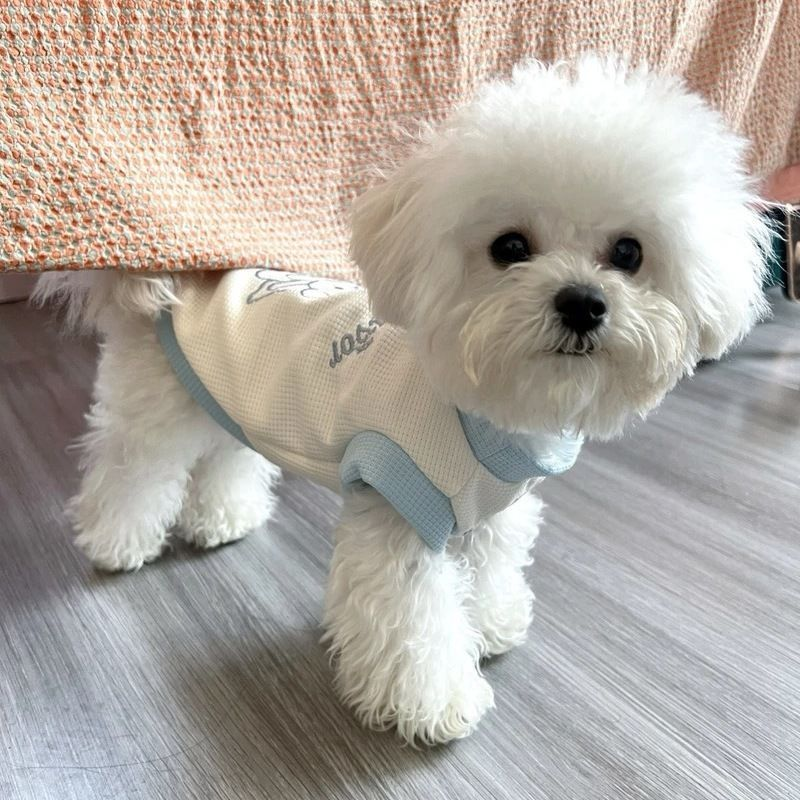
Table of Contents
The Evolution of Pet Fashion: From Function to High-End Couture
The Humanization of Pets and Luxury Demand
The boundary between human lifestyle and pet care has become increasingly blurred in recent years. As owners treat their pets not merely as animals but as cherished family members, the demand for high-end, aesthetic-driven products has surged. This phenomenon, often termed “pet humanization,” is the primary engine behind the expansion of the luxury pet accessories market. Consumers are no longer satisfied with standard functional items; they are actively seeking products that reflect their own fashion sensibilities and status.
This shift is rooted in the changing demographics of pet ownership. Millennials and Gen Z, who represent the largest segment of current pet owners, prioritize the well-being and lifestyle integration of their pets more than previous generations. They view their pets as extensions of their identity, and consequently, they seek products that reflect their own aesthetic preferences. When a brand like Dior enters the space, it isn’t just selling a sweater or a collar; it is selling a lifestyle statement that validates the owner’s status and their bond with their animal.
Dior’s Entry into the Pet Wardrobe
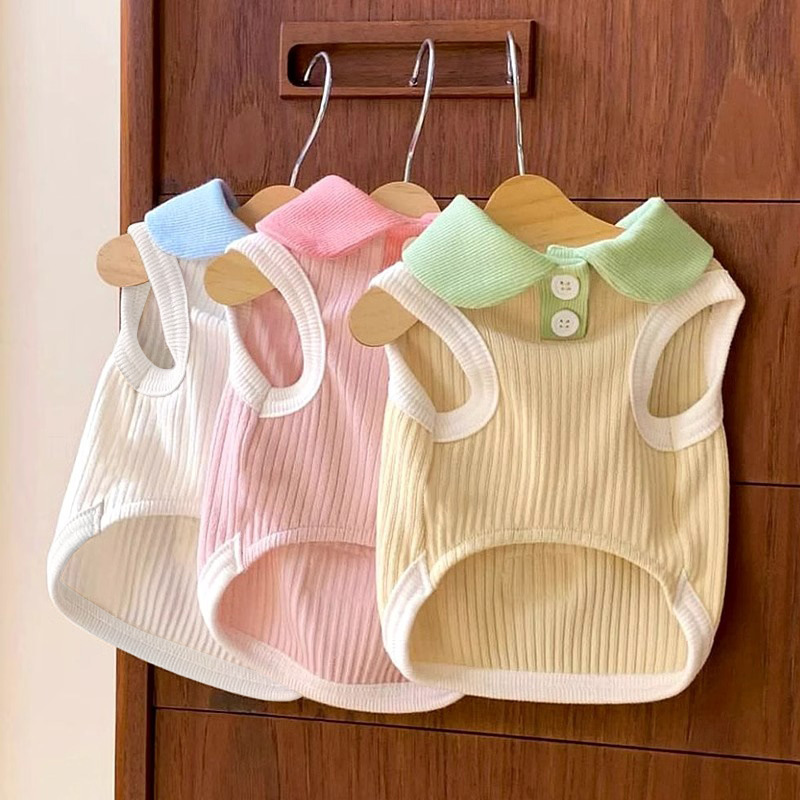
Luxury houses, historically focused on human couture, have identified this profound shift in consumer behavior. The introduction of pet-specific lines by heritage brands like Dior represents a strategic maneuver to capture a piece of this multi-billion dollar sector. Dior’s pet clothing, characterized by iconic patterns, premium materials, and exquisite craftsmanship, serves as a natural extension of the brand’s identity, offering pet owners the opportunity to dress their beloved companions in the same house codes they admire in their own wardrobes.
By expanding into the pet sector, Dior successfully leverages its brand equity into a new category that is emotionally resonant. Unlike other luxury segments that may be impacted by economic downturns, the pet industry is famously resilient, often referred to as “recession-proof.” Owners will frequently prioritize their pets’ comfort and style even when cutting back on their own luxury spending. Therefore, the strategic expansion into pet wear provides a stable revenue stream while simultaneously deepening the emotional connection between the brand and its most loyal customers.
Design Philosophy and Craftsmanship in Dior Pet Apparel
Iconic Patterns and Signature Aesthetics
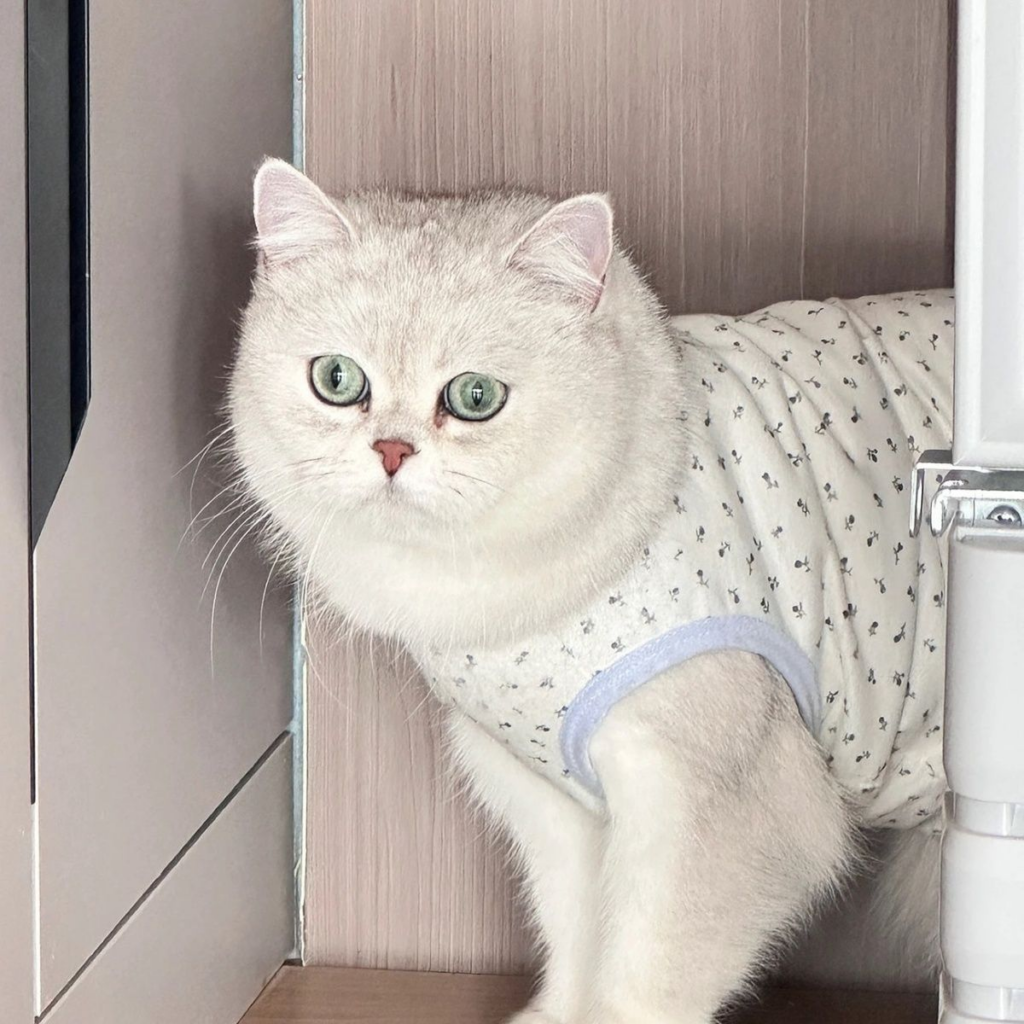
What makes Dior’s pet clothes stand out is the meticulous attention to detail that mirrors the brand’s human fashion lines. Signature elements, such as the Toile de Jouy print or the Oblique motif, are seamlessly integrated into pet-sized designs, ensuring that the clothing is immediately recognizable as part of the Dior universe. This consistency is crucial for brand loyalty, allowing the pet to become a walking extension of the owner’s sophisticated style.
The design process for these items is rigorous. It requires designers to translate complex, large-scale patterns into smaller, intricate scales that work on a canine frame. This requires a deep understanding of the brand’s heritage, as the goal is not merely to “shrink” a human garment, but to reimagine it in a way that respects the original design intent while being perfectly proportioned for a dog’s build. This level of craftsmanship ensures that even the smallest accessory—a leash, a harness, or a sweater—feels like a piece of high art.
Material Selection for Comfort and Durability
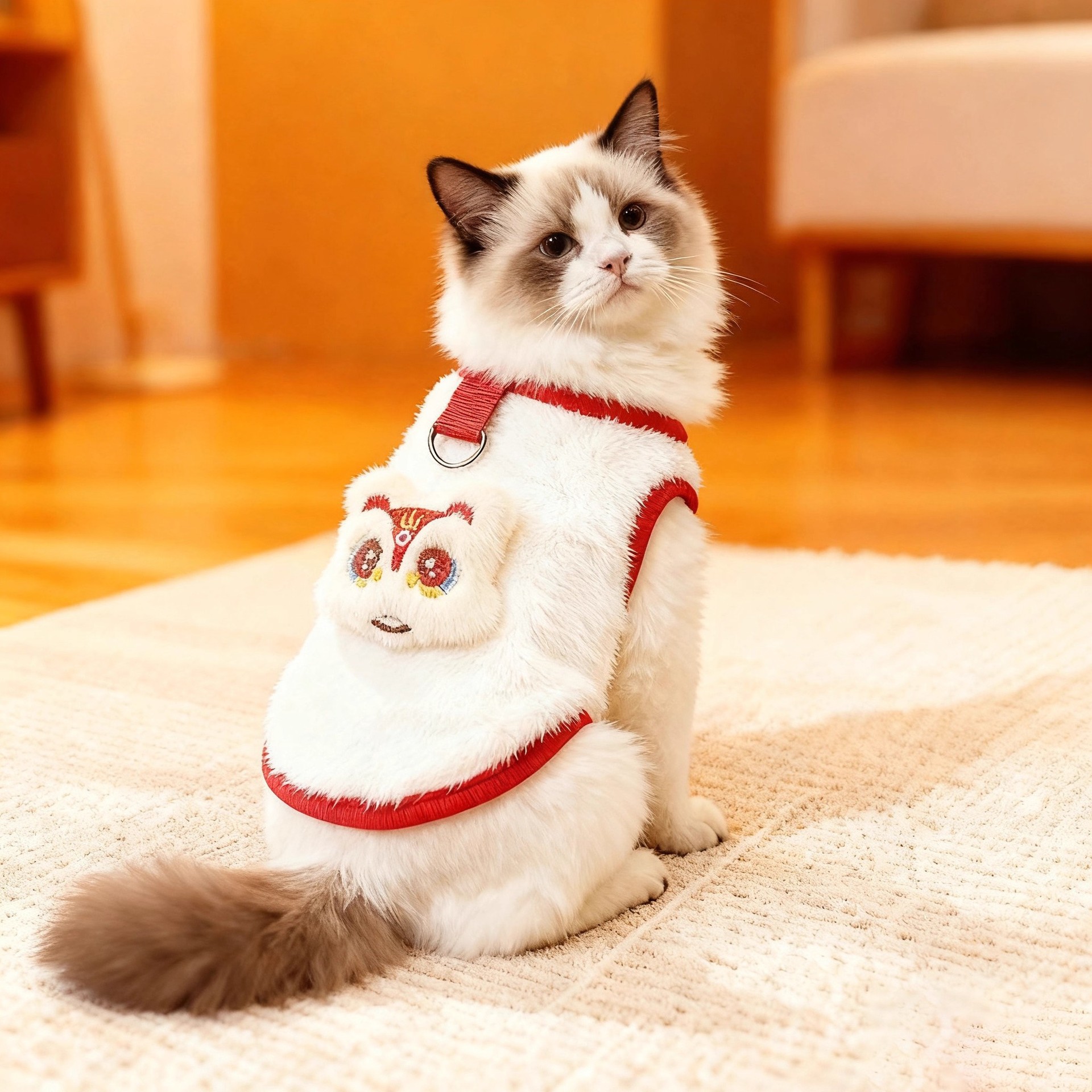
Despite the heavy emphasis on style and branding, Dior and other luxury labels are acutely aware of the practical needs of the animal. High-quality materials such as soft cashmere, durable cotton blends, and comfortable linings are meticulously chosen to ensure that style does not come at the expense of the pet’s well-being. The construction process involves precision tailoring to accommodate the unique anatomy of different dog breeds, ensuring that the garments are as functional and comfortable as they are fashionable.
Moreover, the technical requirements of pet clothing are significant. These items must withstand more wear and tear than human clothing; they must be easy to clean, resistant to common pet-related stains, and durable enough to survive active play, walks, and frequent movement. Luxury brands invest heavily in research and development to test these materials, ensuring that they can withstand the rigors of a pet’s daily life while maintaining their aesthetic luster. This commitment to quality is what distinguishes true luxury from mass-market fashion.
The Cultural Phenomenon of the “Fashionable Pet”
Social Media and the Influencer Effect
One cannot discuss the rise of luxury pet fashion without addressing the catalyst of social media. Platforms like Instagram and TikTok have turned pets into global influencers, with millions of followers tracking the daily lives of pampered dogs. In this digital ecosystem, a pet wearing a Dior sweater is a viral moment waiting to happen. These platforms have normalized the idea of “dressing up” pets for aesthetic content, creating a massive peer-pressure loop where owners are encouraged to curate the most fashionable and photogenic lives for their animals.
The “Instagrammability” of luxury pet goods is a massive marketing asset. When an owner posts a photo of their dog adorned in Dior, it acts as a powerful endorsement, reaching a targeted audience of fellow pet lovers and fashion enthusiasts. This visual culture has turned pets into living, breathing fashion billboards. Brands understand that by targeting the pet, they are actually marketing to the owner’s aspiration to be seen as stylish, caring, and sophisticated.
The Psychology of Luxury Pet Ownership
The relationship between an owner and a pet is deeply psychological. For many, luxury pet products are a form of “love language.” By choosing a high-end, designer item, the owner communicates a specific type of care—a desire to provide the very best. It is a way of saying, “My pet is worthy of the finest things.” This desire transcends mere vanity; it is rooted in the deep emotional bond and the human need to nurture.
Furthermore, luxury pet ownership provides a sense of community. Wearing a recognizable brand allows owners to signal their belonging to a specific socioeconomic group. It creates a “common language” between pet owners in dog parks, upscale urban centers, and social clubs. The brand acts as an icebreaker, creating connections among like-minded individuals who share both a love for animals and an appreciation for high-end fashion.
The Market Impact of Luxury Pet Fashion
Economic Drivers and Global Trends
The growth of the luxury pet clothing sector is supported by robust economic data. As disposable incomes rise in key urban markets across the globe, so does the willingness to spend on premium pet care. This market is not just a niche trend; it is a serious business segment, with luxury pet accessories projected to reach significant valuations in the coming decade. The rise of e-commerce and high-end boutique pet retailers has further democratized access to these premium items, making it easier for owners to purchase exclusive Dior pieces for their pets.
Furthermore, the globalization of luxury trends has ensured that this demand is not limited to traditional fashion hubs like Paris or Milan. From the bustling streets of Tokyo to the affluent neighborhoods of New York and Shanghai, pet owners are consistently showing an appetite for these products. This global demand allows brands to maintain high margins and invest in even more elaborate collections, creating a self-sustaining cycle of innovation and market growth.
Setting New Standards in Pet Retail
The presence of major fashion houses in the pet space has elevated the overall standard of the industry. It has forced other market participants to improve their design, quality, and marketing efforts to remain competitive. This competitive environment benefits the consumer, offering a wider range of high-quality products that cater to diverse tastes and needs. Furthermore, the “halo effect” of designer branding adds an aspirational quality to the entire pet retail space, transforming mundane pet ownership tasks into lifestyle-enhancing experiences.
Retail spaces are also evolving. Luxury boutiques now frequently dedicate specific areas to pet collections, often designed with the same care as their human apparel sections. This creates a holistic shopping experience where the owner can treat both themselves and their pet, reinforcing the brand’s position as a lifestyle curator. This shift reflects a move away from the traditional, utilitarian pet store toward a sophisticated, experiential retail model.
Future Projections for the Designer Pet Market
Sustaining Growth through Innovation
Looking ahead, the market for designer pet apparel is expected to continue its upward trajectory. Future innovations likely include more sustainable materials, smarter design integration, and increased personalization options that allow owners to tailor pieces further. Brands that can balance the heritage and prestige of their name with the evolving, sometimes unpredictable needs of pet owners will continue to dominate this space.
Innovation in this sector will likely lean heavily into technology. We can expect to see “smart” fabrics that regulate a pet’s temperature, wearable tech integrated into designer collars, and even bespoke, made-to-measure services for pets. As artificial intelligence and manufacturing technologies advance, the ability to create perfectly fitted, custom-tailored designer clothing for pets will become more accessible, further blurring the lines between human and pet couture.
The Lasting Appeal of Luxury Companionship
The enduring success of this segment lies in the emotional connection between humans and pets. As long as owners find joy and identity in the companionship of their pets, the desire to pamper them with the very best will remain. Designer pet apparel is more than just clothes; it is a testament to the evolving dynamics of modern family life, where our pets share in the beauty and luxury of our world.
Ultimately, the rise of labels like Dior in the pet sphere is a reflection of our changing values. We are living in an era where our pets are no longer “just animals,” but integral parts of our aesthetic and emotional lives. By inviting them into the world of luxury, we are acknowledging their role as our most constant companions. This industry will continue to evolve, reflecting the deep, immutable love we hold for our pets, ensuring that the future of fashion is one that includes our four-legged friends.
How to purchase:Online B2B sourcing platform, China purchase, Chinese suppliers – LooperBuy
Summary
The rise of designer pet apparel, exemplified by labels like Dior, reflects the profound “pet humanization” trend transforming the luxury industry. As pet owners increasingly treat their companions as family, they seek premium products that align with their own sophisticated lifestyles. Dior’s pet collections bridge this gap by combining iconic design motifs with high-quality, comfortable craftsmanship. This booming market is driven by affluent consumers and represents a significant shift in retail, setting new standards for quality and aesthetics in the pet industry while highlighting the deep emotional bond between humans and their pets.
Hot Tags:
Dior; PetClothes; LuxuryPetFashion; DesignerPetApparel; PetHumanization; HighEndPetAccessories; LuxuryBrandPetLine; PetLifestyle; FashionForDogs; DesignerDogClothes; PetCouture; IconicPetStyle; PremiumPetWear; DogLuxuryFashion; LuxuryPetLifestyle; DesignerPetTrend; PetFashionMarket; LuxuryPetCare; StylishPetAccessories; HighFashionPets; PetBrandElegance; LuxuryDogApparel; DesignerPetStyle; ExclusivePetClothing; PetSophistication; DesignerBrandForPets; LuxuryPetTrend; PetWardrobe; ChicPetWear; ElegantPetFashion
Related Questions & Answers
· Why are luxury brands like Dior entering the pet clothing market?
Luxury brands are expanding into pet clothing to capitalize on the “pet humanization” trend, where affluent consumers treat their pets as family members and desire to provide them with the same high-end products and aesthetic styles they enjoy themselves.
· Are luxury pet clothes like those from Dior comfortable for animals?
Yes, luxury brands prioritize both style and function by utilizing high-quality materials such as soft cashmere and breathable cotton, and by employing precise tailoring to ensure garments accommodate the anatomy of different pet breeds comfortably.
· How do Dior’s pet collections maintain the brand’s identity?
Dior maintains its identity in pet collections by integrating its most recognizable house codes, such as the Toile de Jouy and Oblique patterns, ensuring that the pet apparel is instantly identifiable as a high-fashion piece.
· Is the luxury pet fashion market expected to grow in the future?
Yes, the market for luxury pet accessories and apparel is projected to continue growing as rising disposable incomes and the increasing trend of pet humanization drive consumer spending on premium pet products.
· What impact has luxury branding had on the broader pet industry?
The entry of luxury fashion houses has elevated the overall standard of the pet industry, forcing other companies to focus more on design, quality, and branding, while also making the act of shopping for pet goods an aspirational lifestyle experience.