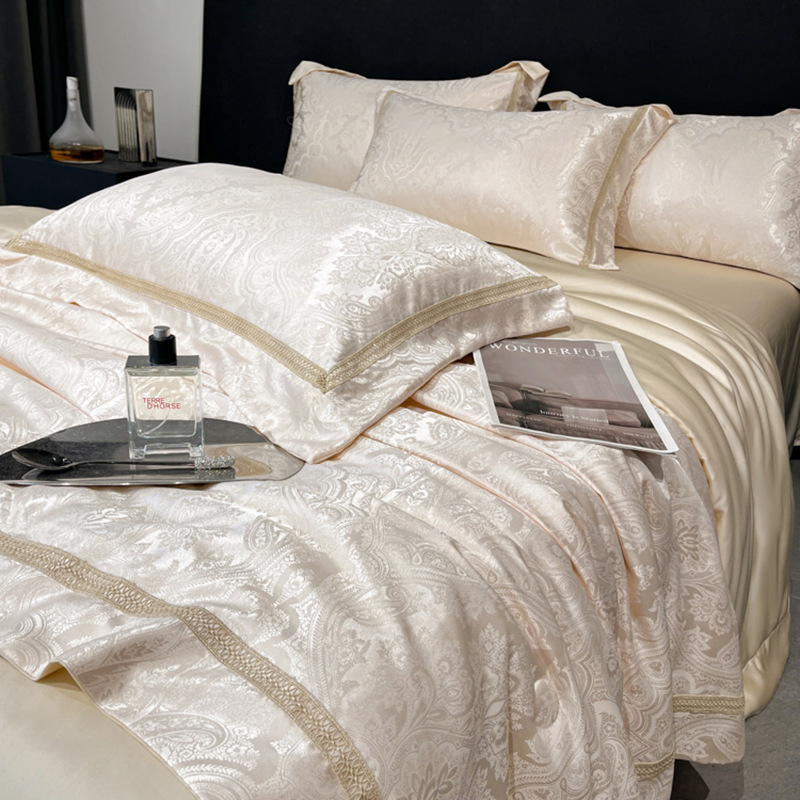
In recent years, the conversation around sustainability has gained significant momentum, influencing various industries, including fashion, food, and home decor. Among these, sustainable home textiles have emerged as a vital component of eco-friendly living. As consumers become more conscious of their environmental impact, the demand for sustainable textiles has surged, leading to innovative practices and materials that prioritize both style and sustainability. This article explores the importance of sustainable home textiles, the materials used, the benefits they offer, and how to incorporate them into your home.
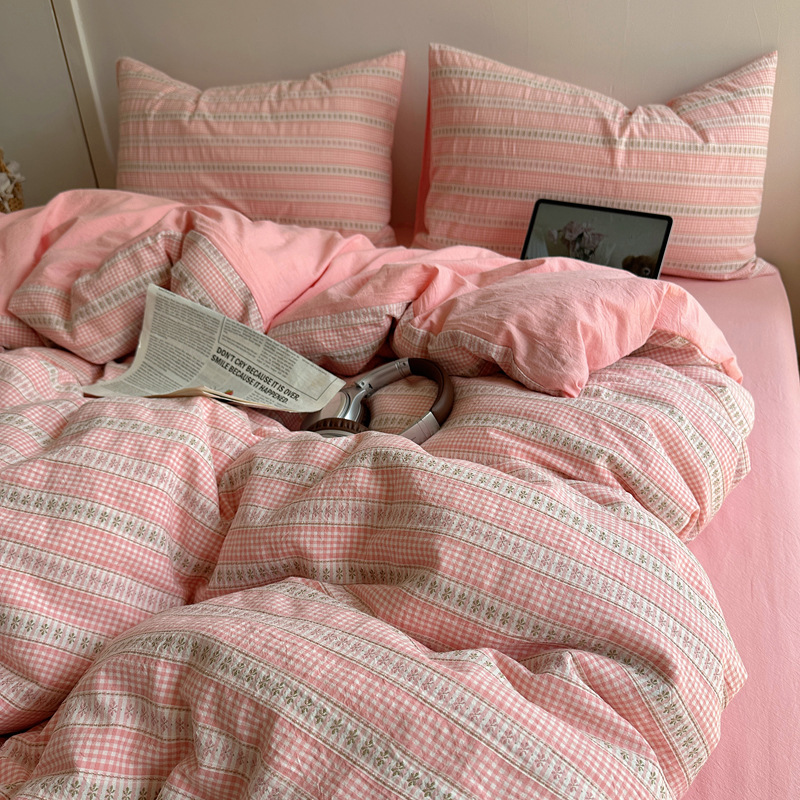
Table of Contents
Understanding Sustainable Home Textiles
What Are Sustainable Home Textiles?
Sustainable home textiles refer to fabrics and materials used in home furnishings, such as curtains, upholstery, bedding, and towels, that are produced with minimal environmental impact. These textiles are made from renewable resources, utilize eco-friendly manufacturing processes, and are often biodegradable or recyclable. The goal of sustainable textiles is to reduce waste, conserve resources, and promote a healthier living environment.
The Importance of Sustainability in Textiles
The textile industry is one of the largest polluters in the world, contributing to water pollution, greenhouse gas emissions, and excessive waste. Traditional textile production often involves harmful chemicals, excessive water usage, and non-renewable resources. By shifting towards sustainable practices, the industry can significantly reduce its environmental footprint. Sustainable home textiles not only help mitigate these issues but also promote a healthier lifestyle for consumers by reducing exposure to toxic substances.
Materials Used in Sustainable Home Textiles
Organic Cotton
Organic cotton is one of the most popular materials used in sustainable textiles. Unlike conventional cotton, which is often treated with pesticides and synthetic fertilizers, organic cotton is grown without harmful chemicals. This not only benefits the environment but also results in softer, more breathable fabrics. Organic cotton is ideal for bedding, curtains, and upholstery, providing comfort without compromising on sustainability.
Linen
Linen, made from the flax plant, is another excellent choice for sustainable home textiles. Flax requires less water and fewer pesticides compared to cotton, making it a more eco-friendly option. Linen is known for its durability and breathability, making it perfect for summer bedding and lightweight curtains. Additionally, linen becomes softer with each wash, enhancing its comfort over time.
Hemp
Hemp is a versatile and sustainable material that has been used for centuries. It grows quickly, requires minimal water, and can thrive without pesticides. Hemp fibers are strong and durable, making them suitable for various home textiles, including rugs, curtains, and upholstery. Hemp also has natural antibacterial properties, making it a healthy choice for home environments.
Recycled Materials
Recycled textiles are gaining popularity in the sustainable home textile market. Fabrics made from recycled plastic bottles, for example, help reduce waste and conserve resources. These materials can be transformed into soft, durable fabrics suitable for various applications, including rugs and cushions. By choosing products made from recycled materials, consumers can contribute to a circular economy and reduce their environmental impact.
Tencel and Lyocell
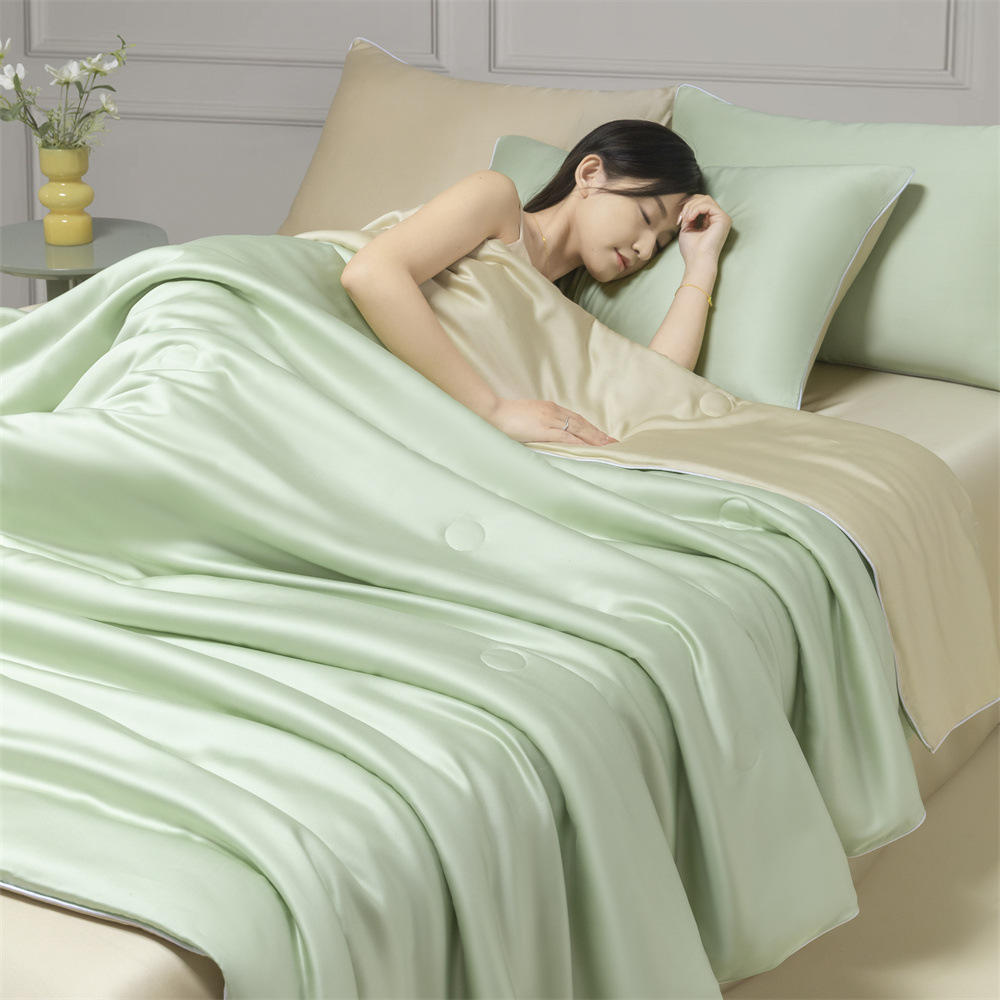
Tencel, a brand name for lyocell, is made from sustainably sourced wood pulp, primarily from eucalyptus trees. The production process uses a closed-loop system that recycles water and solvents, minimizing waste. Tencel is known for its softness, breathability, and moisture-wicking properties, making it an excellent choice for bedding and towels. Its biodegradable nature also contributes to its sustainability credentials.
Benefits of Sustainable Home Textiles
Environmental Impact
The most significant benefit of sustainable home textiles is their reduced environmental impact. By using organic and recycled materials, these textiles help conserve natural resources, reduce pollution, and minimize waste. Choosing sustainable options contributes to a healthier planet and supports eco-friendly practices within the textile industry.
Healthier Living Spaces
Sustainable home textiles are often free from harmful chemicals and toxins commonly found in conventional textiles. This means that by incorporating sustainable fabrics into your home, you can create a healthier living environment for you and your family. Reduced exposure to harmful substances can lead to improved indoor air quality and overall well-being.
Durability and Longevity
Sustainable textiles are typically made from high-quality materials that are designed to last. For example, linen and hemp are known for their durability, while organic cotton becomes softer and more comfortable with each wash. Investing in sustainable home textiles means you are likely to purchase fewer replacements over time, ultimately saving money and reducing waste.
Aesthetic Appeal
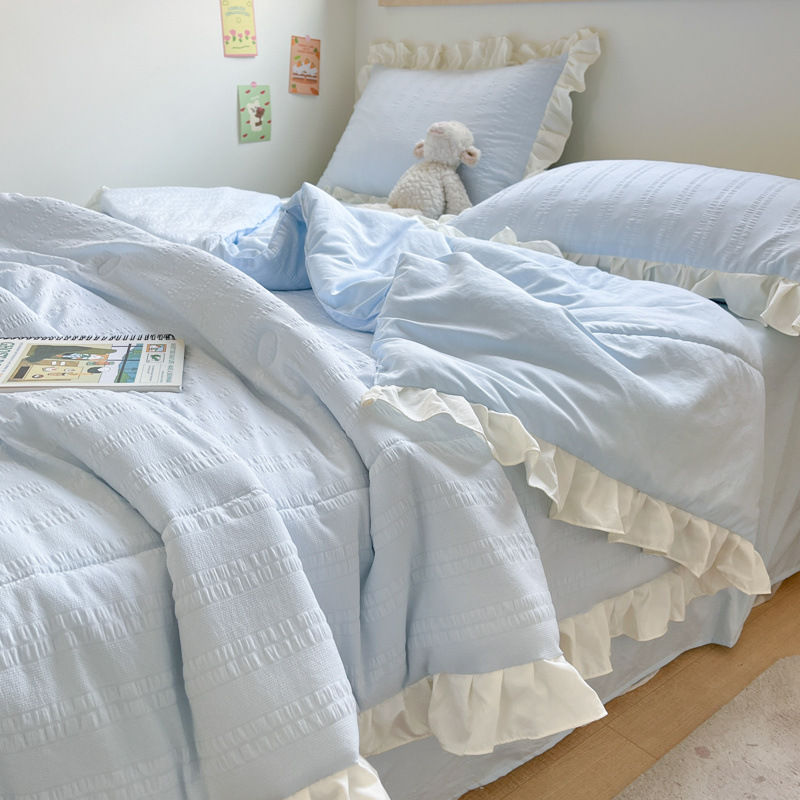
Sustainable home textiles are available in a wide range of styles, colors, and patterns, making it easy to find options that suit your personal taste and home decor. From elegant organic cotton bedding to stylish hemp rugs, sustainable textiles can enhance the aesthetic appeal of your living space while aligning with your values.
How to Incorporate Sustainable Home Textiles into Your Home
Start with Bedding
One of the easiest ways to introduce sustainable textiles into your home is by starting with your bedding. Look for organic cotton or Tencel sheets, duvet covers, and pillowcases. These materials not only provide comfort but also contribute to a healthier sleep environment. Consider layering your bedding with a linen or hemp throw for added texture and style.
Choose Eco-Friendly Curtains
Curtains play a significant role in the overall look of a room, and choosing sustainable options can make a big difference. Look for curtains made from organic cotton, linen, or recycled materials. These fabrics can add warmth and style to your space while promoting sustainability.
Opt for Sustainable Upholstery
When it comes to furniture, consider reupholstering existing pieces with sustainable fabrics. Many companies offer eco-friendly upholstery options made from organic cotton, hemp, or recycled materials. This not only extends the life of your furniture but also reduces waste.
Accessorize with Sustainable Textiles
Incorporate sustainable textiles into your home decor through accessories such as cushions, rugs, and throws. Look for items made from organic or recycled materials to enhance your living space while supporting eco-friendly practices. These accessories can add color and texture to your home while aligning with your sustainability goals.
Educate Yourself and Others
As you embrace sustainable home textiles, take the time to educate yourself and others about the importance of sustainability in the textile industry. Share your knowledge with friends and family, and encourage them to make eco-friendly choices in their own homes. By spreading awareness, you can contribute to a larger movement towards sustainable living.
The Future of Sustainable Home Textiles
Innovations in Sustainable Textiles
The future of sustainable home textiles looks promising, with ongoing innovations in materials and production processes. Researchers and designers are continually exploring new ways to create textiles that are not only eco-friendly but also functional and stylish. For instance, advancements in bio-based materials and plant-based dyes are paving the way for more sustainable options in the market.
Consumer Awareness and Demand
As consumers become more aware of the environmental impact of their choices, the demand for sustainable home textiles is expected to grow. This shift in consumer behavior is encouraging brands to adopt more sustainable practices and offer eco-friendly products. By supporting companies that prioritize sustainability, consumers can drive positive change in the industry.
The Role of Certifications
Certifications play a crucial role in helping consumers identify truly sustainable products. Look for certifications such as Global Organic Textile Standard (GOTS), OEKO-TEX, and Fair Trade, which indicate that the textiles meet specific environmental and social criteria. These certifications provide assurance that the products you are purchasing are genuinely sustainable and ethically produced.
Innovations in Sustainable Textile Dyeing Techniques
Natural Dyes
One of the most exciting developments in sustainable textiles is the use of natural dyes derived from plants, minerals, and insects. These dyes are biodegradable and often have a lower environmental impact compared to synthetic dyes. Natural dyes can produce a wide range of colors and are often safer for both the environment and the people who work with them.
Waterless Dyeing Technologies
Innovations in dyeing technologies have led to the development of waterless dyeing methods, such as digital printing and supercritical CO2 dyeing. These techniques significantly reduce water usage and eliminate the need for harmful chemicals, making the dyeing process more sustainable. By adopting these technologies, textile manufacturers can minimize their environmental footprint while still producing vibrant, high-quality fabrics.
Low-Impact Dyes
Low-impact dyes are another innovation in sustainable textile dyeing. These dyes require less water and energy to apply and often have a lower environmental impact than traditional dyes. Many brands are now using low-impact dyes to create colorful, sustainable textiles that appeal to eco-conscious consumers.
Long-Term Cost Benefits of Investing in Sustainable Home Textiles
Durability and Quality
While sustainable home textiles may have a higher upfront cost, they often prove to be more durable and of higher quality than conventional textiles. This means that consumers are likely to spend less over time, as they will not need to replace items as frequently. Investing in sustainable textiles can lead to long-term savings and a reduced environmental impact.
Energy Savings
Sustainable textiles, particularly those made from natural fibers, often require less energy to produce and maintain. For example, organic cotton and linen can be washed at lower temperatures, reducing energy consumption. Additionally, many sustainable textiles are designed to last longer, which means fewer resources are used in their production and maintenance over time.
Health Benefits
Investing in sustainable home textiles can also lead to health benefits, as these materials are often free from harmful chemicals and toxins. This can result in improved indoor air quality and a healthier living environment, potentially reducing healthcare costs associated with exposure to harmful substances.
Conclusion
How to purchase:https://looperbuy.com/search?keywords=sustainable+home+textiles&globalType=china
Sustainable home textiles are an essential aspect of eco-friendly living, offering numerous benefits for both the environment and personal well-being. By choosing materials such as organic cotton, linen, hemp, and recycled fabrics, consumers can create beautiful, stylish, and sustainable living spaces. As the demand for sustainable textiles continues to grow, it is crucial to support brands and practices that prioritize environmental responsibility. By making informed choices, we can all contribute to a healthier planet and a more sustainable future.
Frequently Asked Questions
1. What are sustainable home textiles?
Sustainable home textiles are fabrics used in home furnishings that are produced with minimal environmental impact, often made from renewable resources and eco-friendly manufacturing processes.
2. What materials are commonly used in sustainable home textiles?
Common materials include organic cotton, linen, hemp, Tencel, and recycled fabrics, all of which prioritize sustainability and reduce environmental impact.
3. How can I incorporate sustainable textiles into my home?
You can start by choosing organic bedding, eco-friendly curtains, sustainable upholstery, and accessorizing with cushions and rugs made from sustainable materials.
4. What are the benefits of using sustainable home textiles?
Benefits include reduced environmental impact, healthier living spaces, durability, and aesthetic appeal, making them a smart choice for eco-conscious consumers.
5. How do sustainable textiles contribute to a healthier living environment?
Sustainable textiles are often free from harmful chemicals and toxins, improving indoor air quality and creating a healthier home for you and your family.
HOT TAG: sustainable home textiles, eco-friendly fabrics, organic cotton bedding, linen curtains, hemp upholstery, recycled materials, healthy living spaces, environmental impact, stylish home decor, sustainable living, textile industry practices, natural fibers, biodegradable textiles, ethical home furnishings, modern sustainable design, conscious consumerism, green home accessories, eco-conscious choices, sustainable lifestyle, home textile trends, reducing waste, promoting sustainability, quality home textiles, enhancing indoor air quality, supporting eco-friendly brands, sustainable textile benefits, home decor ideas, sustainable fashion influence, creating a sustainable home, innovations in textile dyeing, natural dyes, waterless dyeing technologies, long-term cost benefits.