In today’s hyper-connected, fast-paced digital environment, losing the ability to charge your laptop is more than a mere inconvenience; it can be a catastrophic bottleneck for professional productivity. Whether you are a remote professional traveling across time zones, a freelance creator working off-grid, or a dedicated hardware technician involved in system repairs, understanding how to charge a laptop battery without a laptop is an essential technical skill that ensures continuity and prevents downtime.
This comprehensive guide leverages industry best practices and expert safety protocols to provide you with secure, reliable, and efficient methods to power your devices independently.
Table of Contents
The Reality of External Battery Charging
While modern laptops are equipped with sophisticated Battery Management Systems (BMS) that actively monitor and regulate charging parameters to protect the chemistry of the cells, it is entirely possible to maintain power using specialized, alternative hardware.
Safety is absolutely paramount. Improper charging methods or using incompatible, substandard power equipment can lead to thermal runaway, permanent cell degradation, or severe fire hazards. neigps
- Pro Tip: Always look for chargers that support adjustable, multi-voltage output to perfectly match the specific voltage specifications of your battery pack. alibaba
2. High-Capacity Power Delivery (PD) Banks
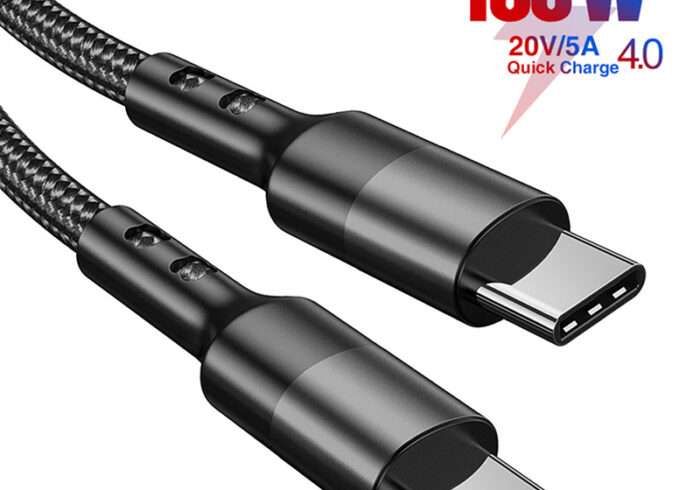
For newer, modern laptops that support USB-C charging, a high-capacity power bank equipped with Power Delivery (PD) technology is often the most accessible, portable solution.
- Method: If your laptop supports USB-C charging, a high-wattage power bank (ideally providing at least 65W, or up to 100W+ for high-performance workstation laptops) can effectively sustain or recharge your system. rorry
3. Power Inverters for Mobile Efficiency
When working on the move, a portable power inverter is a vital ally, converting your vehicle’s 12V DC cigarette lighter power into a standard AC wall outlet.
- The Setup: Simply plug your original AC adapter into the inverter. neigps
- Expert Insight: Always prioritize purchasing a pure sine wave inverter. Cheap, modified sine wave inverters produce “dirty power” that can stress sensitive charging circuitry, potentially degrading your battery’s longevity over repeated use. linkedin
4. Heavy-Duty Portable Power Stations
For professionals requiring maximum reliability in off-grid environments (such as field research or remote production), portable power stations offer unparalleled stability and capacity.
- Advantages: These stations provide multiple high-power output types (AC, DC, USB-C) and are engineered to handle the substantial, sustained power draw of high-performance workstation laptops. princeton
- Sustainability: Many modern power stations can be integrated with portable solar panel kits, allowing for true, renewable off-grid power generation. acg.aaa
5. Renewable Solar Energy Integration
In remote, off-grid environments, pairing portable, high-efficiency solar panels with a storage-capable power station enables sustainable charging anywhere.
- Strategic Use: While this method is inherently slower and dependent on environmental factors, it is a superior, environmentally conscious solution for maintaining battery health during extended travel or isolated work periods. princeton
Comparison of External Charging Solutions

| Method | Best Use Case | Complexity | Safety Level |
|---|---|---|---|
| Universal Charger | Direct Cell Maintenance | High | High (if managed) |
| PD Power Bank | Portability/USB-C Devices | Low | Very High |
| Power Inverter | Field/Vehicle Use | Medium | High |
| Power Station | Heavy-Duty/Off-Grid | Medium | Very High |
Advanced Considerations for Battery Health and Safety
Understanding the underlying technology and risks is essential for every user.
Managing “Dirty Power”
“Dirty power”—characterized by unstable voltage or high-frequency spikes—is a common byproduct of low-quality inverters. Over time, this instability can accelerate the chemical degradation of lithium-ion cells. Always prioritize regulated, high-quality power components to ensure the maximum possible cycle life for your battery. linkedin
Critical Fire Safety Protocols
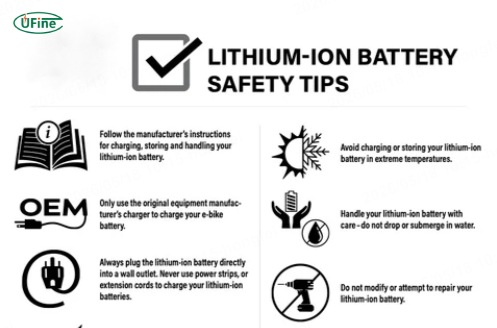
Lithium-ion battery failures are rare but catastrophic. Follow these industry-standard safety practices:
- Environment: Always charge in a dry, well-ventilated area, away from combustible materials, explosives, or direct heat sources such as sunlight. blackhillrestoration
- Monitoring: Never leave high-power charging processes unattended, especially overnight. cleelectric
- Inspection: Regularly inspect your battery and charger for physical damage, swelling, leakage, or frayed wiring. Discontinue use immediately if any abnormality is detected. neigps and discover how we simplify global procurement to help your business stay productive and efficient.
References
- Lithium-Ion Battery Fires – Safety Questions Answered – IFSEC Global ifsecglobal
- Fire Prevention: Lithium-Ion Awareness – CLE Electric cleelectric
- Safety Steps for Preventing Lithium-Ion Fires – Facebook facebook
- Fire Risk Guidance: Lithium-ion Batteries – AXA axaconnect.co
- Lithium-ion Battery Risks, Safety Tips – Square One squareone
- Lithium-ion battery risks and safety tips – SECURA Insurance secura
- How to Charge a Laptop with a Portable Charger – RORRY rorry
- RFNC6 Laptop Battery Charger Guide – Alibaba alibaba
- How to Charge a Laptop with Power Bank – Anker anker
- Lithium-Ion Battery Safety Guidance – MIT EHS mit
FAQ
1. Can I use any phone charger to charge my laptop?
No. Most standard phone chargers do not provide the necessary voltage or Power Delivery (PD) wattage required for modern laptops. Using an incompatible charger may result in extremely slow charging or no charging at all.
2. Is it safe to charge a laptop battery directly?
Only if you are using a specialized universal external charger explicitly designed for your specific battery pack model. Direct wiring or bypassing internal safety circuits can lead to fire, explosion, or severe equipment damage.
3. What is the most reliable way to charge in a vehicle?
Using a high-quality, pure sine wave power inverter is the most stable and reliable method, as it provides consistent AC power to your laptop’s original power adapter.
4. How much power do I need for a laptop power bank?
For standard laptops, aim for a power bank capable of at least 65W Power Delivery (PD). High-performance workstation laptops may require 100W or more for effective operation and charging.
5. Why is my battery degrading faster than expected?
Degradation is primary caused by unstable, ungrounded power sources (“dirty power”), frequent exposure to extreme temperatures, and improper long-term storage habits.
Executive Summary:Are you struggling to keep your laptop powered on the go? This comprehensive, expert-led guide explores 5 safe and efficient methods for charging a laptop battery without a laptop, including using universal chargers, power banks, and inverters. With a focus on safety protocols and expert maintenance tips, this guide helps professionals and brands secure reliable power solutions. Discover how LooperBuy streamlines global sourcing for high-quality technical hardware
Hot tags
B2B sourcing platform, laptop battery charger wholesale, industrial power supply solutions, global electronics supply chain, rechargeable battery bulk procurement, professional portable power stations, laptop hardware distribution, enterprise power management, commercial battery charging solutions, OEM laptop accessories supplier.