Water color pens have become an increasingly popular tool among artists and enthusiasts due to their unique combination of watercolor effects and the convenience of a marker. In this comprehensive guide, we’ll explore everything you need to know about water color pens, from their features and applications to how to choose the right ones for your artistic needs.
Table of Contents
What are Water Color Pens?
Water color pens, also known as watercolor brush pens or markers, are markers filled with water-soluble ink. They typically feature a flexible brush tip that allows for a range of strokes, from fine lines to broad washes. When used with water, these pens can create effects similar to traditional watercolor paints, but with the added convenience of not requiring separate brushes or extensive cleanup. The ink inside the pens is usually non-toxic and dries quickly, making them safe and easy to use for artists of all levels.
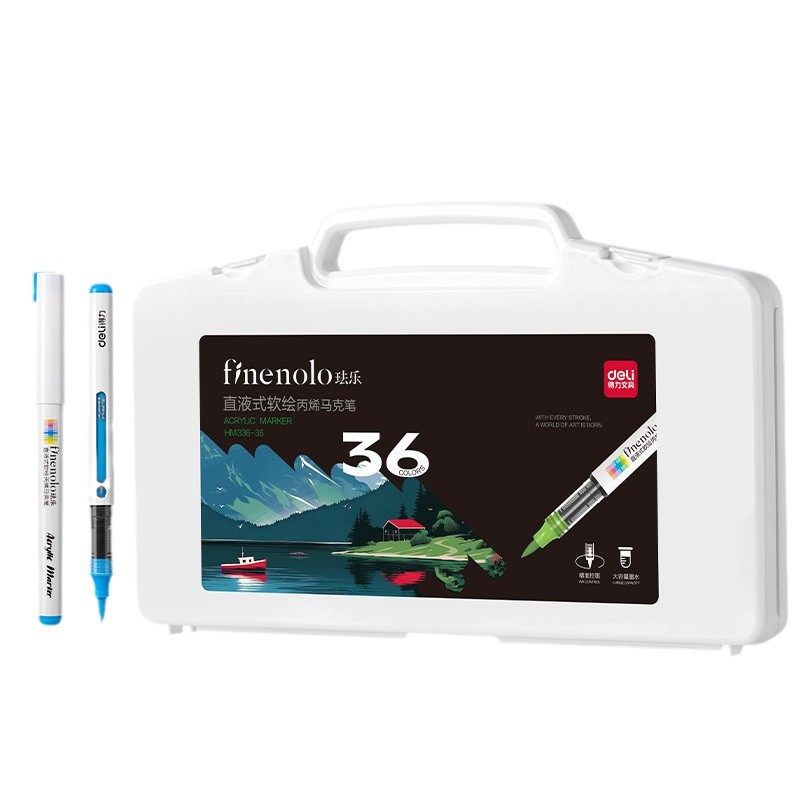
Features of Water Color Pens
Tip Type
Water color pens come with different tip types, each offering unique benefits:
- Brush Tip: This is the most common tip type for water color pens. The flexible brush tip allows for smooth and precise lines, from thin details to broad strokes. It mimics the feel of a traditional paintbrush, providing artists with versatility and control.
- Bullet Tip: A bullet tip is more rigid and is best for creating precise lines and details. It’s ideal for adding outlines or small details to your artwork.
Pigment Quality
High-quality water color pens use lightfast pigments that won’t fade over time. The transparency of the pigment also plays a role in the final effect. Transparent pigments are great for layering and creating depth in your artwork, while opaque pigments can cover existing colors effectively.
Color Range
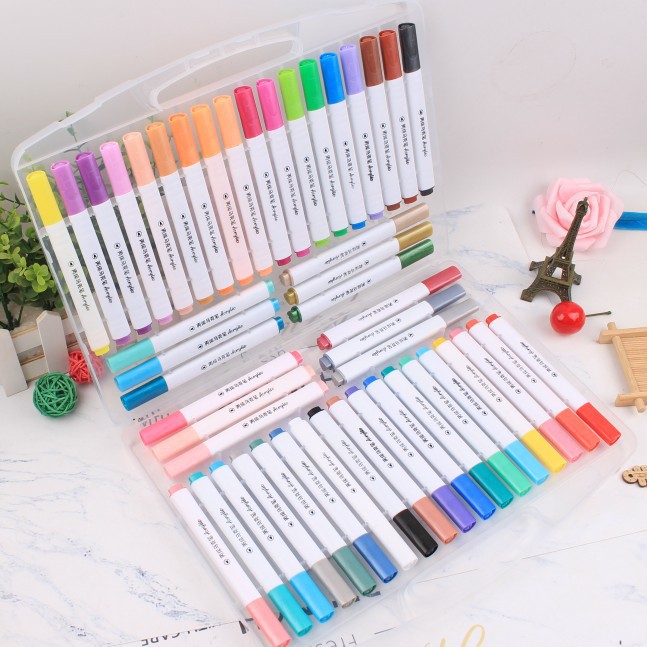
A wide range of colors is essential for creating diverse artwork. Look for sets that include primary and secondary colors, as well as earth tones and pastels. The Tomaxis Watercolor Brush Pens Art Markers, for example, offer a variety of vibrant colors that produce beautiful artwork.
Water Solubility
The water solubility of the ink is crucial. Pens with good water solubility dissolve easily in water and can be blended to create various effects. Some pens may be too water-resistant, making blending difficult and resulting in less desirable effects.
Packaging
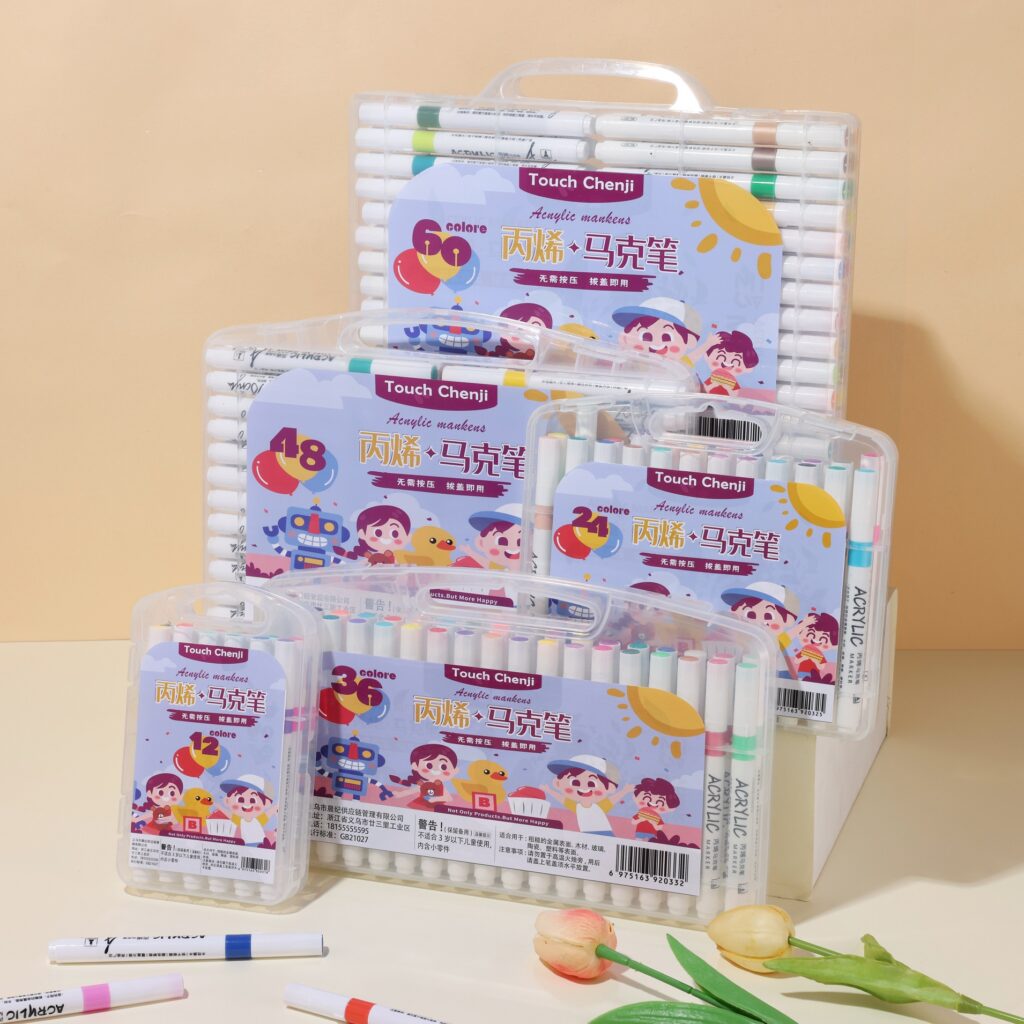
Durable packaging not only protects the pens but also keeps them organized. Some sets come with additional accessories like water brushes or blending tools, enhancing your artistic experience.
Applications of Water Color Pens
Sketching and Drawing
Water color pens are perfect for sketching and drawing. Their brush tips allow for expressive lines and shading, while the water-soluble ink enables you to add washes of color. You can create detailed sketches with fine lines and then use water to blend and soften the colors for a more fluid effect.
Calligraphy and Hand-Lettering
For calligraphy and hand-lettering enthusiasts, water color pens offer a unique advantage. The brush tips allow for varying line thicknesses, creating elegant and expressive lettering. By adjusting the pressure on the pen, you can achieve thin upstrokes and thick downstrokes, adding depth and character to your work.
Mixed Media Art
Water color pens can be used in combination with other art materials for mixed media projects. You can layer watercolor washes over ink drawings or use them alongside traditional watercolor paints. This versatility allows you to experiment with different techniques and create complex, layered artworks.
Travel and On-the-Go Art
Due to their compact size and mess-free nature, water color pens are ideal for travel and on-the-go art. You can easily pack a set in your bag and create art wherever inspiration strikes. They eliminate the need for carrying separate brushes, water containers, and palettes, making them a convenient choice for outdoor sketching and journaling.
How to Choose the Best Water Color Pens
Consider Your Needs
When selecting water color pens, consider your specific artistic needs and preferences. If you prioritize blending and creating washes, a brush tip with good water solubility is essential. For detailed work, a set with a variety of tip types might be more suitable.
Test Before Buying
If possible, test the pens before making a purchase. Check how the ink flows, the flexibility of the brush tip, and the color vibrancy. This hands-on experience can help you determine if the pens meet your expectations.
Read Reviews
Online reviews and recommendations from other artists can provide valuable insights. Websites like Amazon, Blick Art Materials, and JetPens offer reviews and detailed descriptions of various water color pen sets. Additionally, art blogs and social media accounts often feature artist reviews and recommendations.
Popular Water Color Pen Brands
Tombow Dual Brush Pens
Tombow Dual Brush Pens are highly regarded for their versatility. They feature a dual-tip design with both a flexible brush tip and a fine tip, allowing for a wide range of artistic expressions. The high-quality pigments and smooth ink flow make them a favorite among artists.
Arteza Real Brush Pens
Arteza Real Brush Pens are known for their soft and flexible brush tips that provide excellent line variation. They offer a wide color range and are suitable for both beginners and professionals. The pens are also affordable, making them a great value for the price.
Winsor & Newton Watercolor Markers
Winsor & Newton Watercolor Markers are loved for their rich colors and high-quality pigments. They produce vibrant and long-lasting artwork, making them a top choice for serious artists. The markers are also known for their excellent blending capabilities.
Using Water Color Pens Effectively
Paper Selection
Choose the right paper for your water color pens. Watercolor paper or thick paper designed for wet media is recommended to prevent warping and pilling. If the paper isn pre’t-wetted, lightly dampen the area first to allow the concentrated paint to spread nicely.
Blending Techniques
You can blend water color pens easily by layering with a clear water pen or by dipping the brush pen’s tip in water. To create a gradient effect, apply one color and then gradually blend it with another using water. Ombre effects can be achieved by transferring color from a darker pen to a lighter one and using the lighter pen to create the gradient.
Handling the Pens
Work quickly but don’t overwork an area, as the pens can oversaturate and damage the paper. Let layers dry thoroughly between applications for the best results. Mix colors directly on the paper by overlapping light strokes of different shades.
Storage
Store your water color pens properly to maintain their quality. Keep the caps on when not in use to prevent the tips from drying out. Some artists recommend storing the pens horizontally to ensure even ink distribution.
Conclusion
Water color pens offer a versatile and convenient way to explore watercolor effects with the precision and ease of a marker. Whether you’re a beginner looking to try out new artistic techniques or a professional seeking a portable and mess-free option, water color pens can enhance your creative journey. With their wide range of colors, blending capabilities, and portability, they have become an essential tool in the artist’s toolkit.
How to Purchase:https://looperbuy.com/search?keywords=water+colour+pens
Related Questions and Answers
Q: What are water color pens used for?
A: Water color pens are versatile tools used for sketching, drawing, calligraphy, mixed media art, and more. They allow artists to create watercolor effects with the ease of using a pen. Their brush tips provide expressive lines and blending capabilities when used with water.
Q: Are water color pens the same as watercolor pencils?
A: No, water color pens and watercolor pencils are different. Water color pens are markers with water-soluble ink and brush tips, while watercolor pencils are solid crayon-like tools that can be activated with water. Pens offer more precision and a wider range of effects due to their brush tips.
Q: Can you use water color pens on any paper?
A: While you can use water color pens on most papers, watercolor paper or thick paper designed for wet media is recommended. Thinner papers may warp or pill when used with water-based pens. Pre-wetting the paper can help prevent some issues.
Q: How do you clean water color pens?
A: Water color pens can be cleaned by simply rinsing the tip with water. You can also use water to blend colors directly on the paper. To ensure longevity, avoid leaving the pens open for extended periods and store them properly.
Q: What are the best water color pen brands?
A: Some of the best water color pen brands include Tombow Dual Brush Pens, Arteza Real Brush Pens, and Winsor & Newton Watercolor Markers. Each brand offers unique features and benefits, so it’s worth testing them to find the ones that best suit your artistic needs.
Hot Tags:
Water Colour Pens;Watercolor Brush Pens;Art Markers;Blending Techniques;Best Watercolor Pens;Art Supplies;Creative Tools;Sketching;Drawing;Calligraphy