Gardening is a rewarding hobby that brings joy and beauty to our lives. However, maintaining a garden can be time-consuming, especially when it comes to watering. This is where garden water timers come into play. These devices not only save time but also ensure that your plants receive the right amount of water at the right intervals. In this article, we will explore the various aspects of garden water timers, including their benefits, types, features, and how to choose the right one for your garden.
Table of Contents
Understanding Garden Water Timers
What Are Garden Water Timers?
Garden water timers are devices that automate the watering process in gardens and lawns. They can be programmed to turn on and off at specific times, allowing for consistent watering without the need for manual intervention. This is particularly useful for busy gardeners or those who travel frequently. By eliminating the need for daily watering, these timers help maintain a healthy garden while giving you more time to enjoy other activities. Additionally, they can be particularly beneficial during hot summer months when plants require more frequent watering.
How Do Garden Water Timers Work?
Most garden water timers connect to a standard outdoor faucet and control the flow of water to hoses or irrigation systems. They can be mechanical or digital, with digital timers offering more advanced features such as programmable schedules, rain delays, and even smartphone connectivity. The basic operation involves setting the timer to activate the water flow at predetermined intervals, ensuring that your plants receive adequate moisture without the risk of overwatering. This automation not only simplifies the gardening process but also enhances the overall health of your plants by providing them with consistent hydration.
Benefits of Using Garden Water Timers
Time-Saving Convenience
One of the primary advantages of using a garden water timer is the time it saves. Instead of spending time each day watering your plants, you can set the timer to do it for you. This allows you to focus on other gardening tasks or simply enjoy your garden. For those with busy schedules, this convenience is invaluable. Imagine being able to leave for a weekend getaway without worrying about your plants wilting in the heat. With a timer, you can set it and forget it, knowing that your garden will be well taken care of in your absence.
Consistent Watering
Garden water timers ensure that your plants receive a consistent amount of water. This is crucial for plant health, as inconsistent watering can lead to stress and poor growth. With a timer, you can set specific watering durations and frequencies, ensuring your plants thrive. Consistency in watering helps prevent issues such as root rot, which can occur when plants are overwatered, and drought stress, which can happen when they are underwatered. By providing a steady supply of moisture, you create an optimal environment for your plants to flourish.
Water Conservation
Using a garden water timer can help conserve water. By programming the timer to water only when necessary, you can avoid overwatering, which not only saves water but also prevents issues like root rot and fungal diseases. Many timers come equipped with features that allow you to adjust watering schedules based on weather conditions, further enhancing water efficiency. This is especially important in regions where water conservation is critical due to drought conditions. By using a timer, you contribute to sustainable gardening practices while also reducing your water bill.
Flexibility and Customization
Many garden water timers offer customizable settings, allowing you to adjust the watering schedule based on the specific needs of your plants. For instance, you can set different schedules for different zones in your garden, accommodating various plant types and their water requirements. This flexibility is particularly beneficial in gardens with a diverse range of plants, each with unique hydration needs. By tailoring the watering schedule, you can ensure that delicate flowers receive gentle moisture while more robust plants get the hydration they need to thrive.
Types of Garden Water Timers
Mechanical Timers
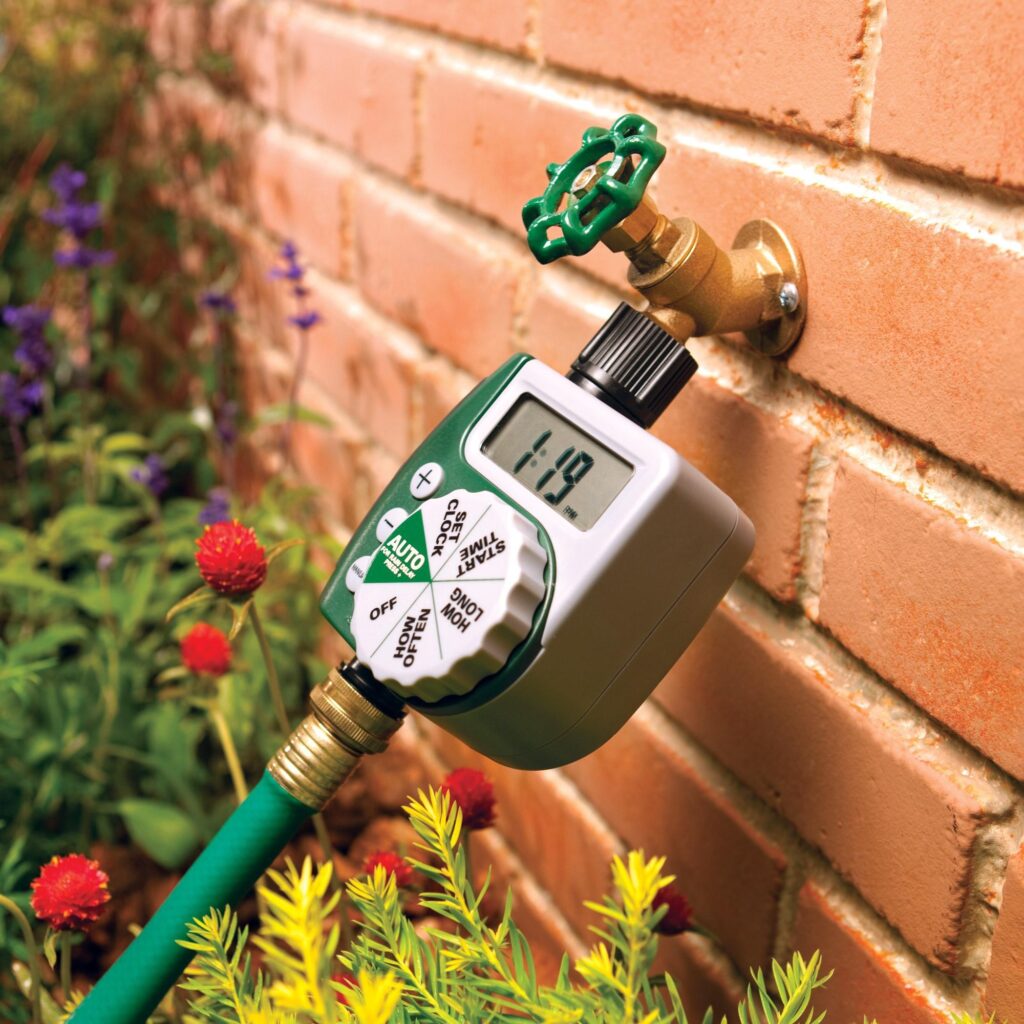
Mechanical timers are simple devices that operate using a dial. You set the timer by turning the dial to the desired watering duration. These timers are generally less expensive and easy to use, making them a good choice for beginners. They typically do not require batteries or complex programming, which can be appealing for those who prefer straightforward solutions. However, while they are effective for basic watering needs, they may lack the advanced features found in digital models.
Digital Timers
Digital timers offer more advanced features, including programmable schedules, multiple zones, and rain delay options. They often come with LCD screens for easy programming and can be set to water at specific times of the day or week. This level of control allows for greater precision in managing your garden’s watering needs. Digital timers can also store multiple programs, making it easy to adjust schedules as the seasons change or as your plants grow. This adaptability is essential for maintaining a healthy garden throughout the year.
Smart Timers
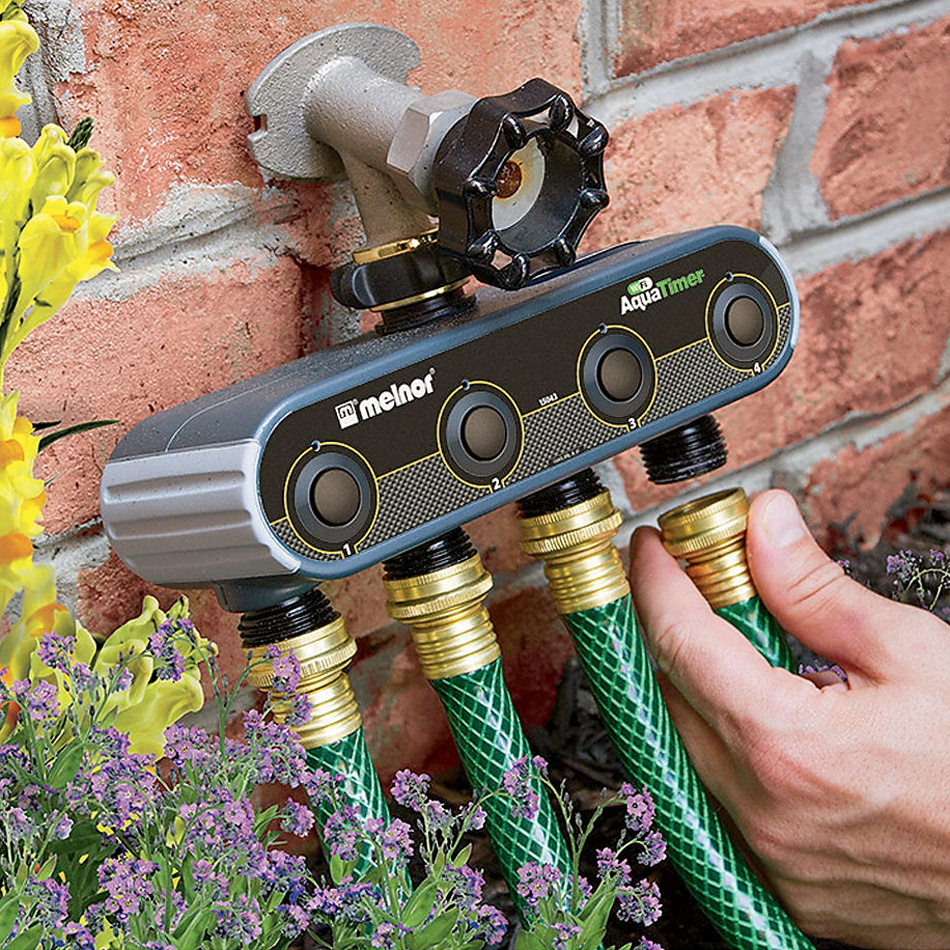
Smart garden water timers connect to your home Wi-Fi network, allowing you to control them via a smartphone app. This feature provides the ultimate convenience, as you can adjust watering schedules from anywhere. Some smart timers even use weather data to optimize watering schedules, ensuring your plants get the right amount of water based on current conditions. This technology not only enhances convenience but also promotes efficient water use, as the timer can automatically adjust based on rainfall or temperature changes. For tech-savvy gardeners, smart timers represent the future of efficient gardening.
Key Features to Look for in a Garden Water Timer
Programmability
When choosing a garden water timer, look for one that offers programmable settings. This feature allows you to set specific watering times and durations, making it easier to tailor the watering schedule to your garden’s needs. The ability to program multiple cycles per day can be particularly useful for plants that require frequent watering, such as seedlings or newly planted flowers. A well-programmed timer can significantly enhance the health and growth of your garden.
Multiple Zones
If you have a diverse garden with different types of plants, consider a timer that supports multiple zones. This allows you to set different watering schedules for various areas of your garden, ensuring that each plant type receives the appropriate amount of water. For example, you might want to water your vegetable garden more frequently than your flower beds. Timers with multiple zones provide the flexibility needed to cater to the unique requirements of each section of your garden.
Rain Delay Function
A rain delay function is a valuable feature that pauses the watering schedule during rainy weather. This not only conserves water but also prevents overwatering, which can harm your plants. Many timers allow you to set a specific number of days for the delay, ensuring that your garden receives adequate moisture without unnecessary watering. This feature is particularly beneficial in regions with unpredictable weather patterns, allowing you to maintain a healthy garden without constant adjustments.
Durability and Weather Resistance
Since garden water timers are used outdoors, it’s essential to choose a model that is durable and weather-resistant. Look for timers made from high-quality materials that can withstand exposure to the elements. A robust design will ensure that your timer lasts for many seasons, providing reliable performance year after year. Additionally, consider timers with features like UV protection and waterproof casings to enhance their longevity.
How to Install a Garden Water Timer
Step-by-Step Installation Guide
Installing a garden water timer is a straightforward process. Here’s a simple guide to help you get started:
1. Choose the Right Location: Select an outdoor faucet that is easily accessible and close to your garden. This will make it easier to connect hoses and check the timer settings.
2. Attach the Timer: Screw the timer onto the faucet, ensuring a tight fit to prevent leaks. Use plumber’s tape if necessary to create a watertight seal.
3. Connect the Hose: Attach your garden hose or irrigation system to the timer’s outlet. Ensure that the connection is secure to avoid any water loss.
4. Set the Timer: Follow the manufacturer’s instructions to program the timer according to your watering needs. Take your time to familiarize yourself with the settings and options available.
5. Test the System: Run a test cycle to ensure everything is working correctly and make any necessary adjustments. This step is crucial to confirm that the timer activates and deactivates as programmed.
Maintenance Tips for Garden Water Timers
Regular Checks
Regularly check your garden water timer to ensure it is functioning correctly. Look for any signs of wear or damage, and replace batteries if applicable. Periodic inspections can help you catch any issues early, preventing potential problems during critical watering times. Additionally, check the connections for leaks and ensure that the timer is securely attached to the faucet.
Clean the Filter
Many timers come with a filter to prevent debris from clogging the system. Clean this filter periodically to maintain optimal performance. A clogged filter can restrict water flow, reducing the effectiveness of your watering system. Depending on your water source, you may need to clean the filter more frequently, especially if you notice a decrease in water pressure.
Winter Storage
If you live in an area with freezing temperatures, consider removing your garden water timer during the winter months. Store it indoors to prevent damage from frost. Before storing, ensure that the timer is completely drained of water to avoid any freezing issues. Proper winter storage will extend the life of your timer and ensure it is ready for use when spring arrives.
Conclusion
Garden water timers are an invaluable tool for any gardener looking to simplify their watering routine. By automating the process, these devices save time, conserve water, and promote healthier plants. Whether you choose a mechanical, digital, or smart timer, the right garden water timer can transform your gardening experience, allowing you to enjoy your outdoor space without the hassle of manual watering. With the right timer in place, you can cultivate a thriving garden that flourishes with minimal effort.
How To Purchase:https://looperbuy.com/search?keywords=Garden+Water+Timers
Frequently Asked Questions
1. What is the best type of garden water timer for beginners?
Mechanical timers are often the best choice for beginners due to their simplicity and ease of use. They require minimal setup and are straightforward to operate, making them ideal for those new to gardening.
2. Can I use a garden water timer with a drip irrigation system?
Yes, most garden water timers can be used with drip irrigation systems, making them versatile for various watering methods. This compatibility allows you to customize your watering approach based on your garden’s specific needs.
3. How do I know how long to set my timer for?
The duration will depend on the type of plants you have and their water needs. Generally, 15-30 minutes is a good starting point for most gardens. Observing your plants and adjusting the duration based on their response will help you find the optimal watering time.
4. Are smart garden water timers worth the investment?
Yes, smart timers offer convenience and efficiency, especially if you travel frequently or want to optimize your watering based on weather conditions. The ability to control your watering schedule remotely can lead to better plant health and water conservation.
5. How can I troubleshoot my garden water timer if it’s not working?
Check the power source, ensure all connections are secure, and consult the user manual for specific troubleshooting tips. If the timer is digital, consider resetting it to factory settings and reprogramming it to see if that resolves the issue.