Table of Contents
The State of Global Shipping in 2025
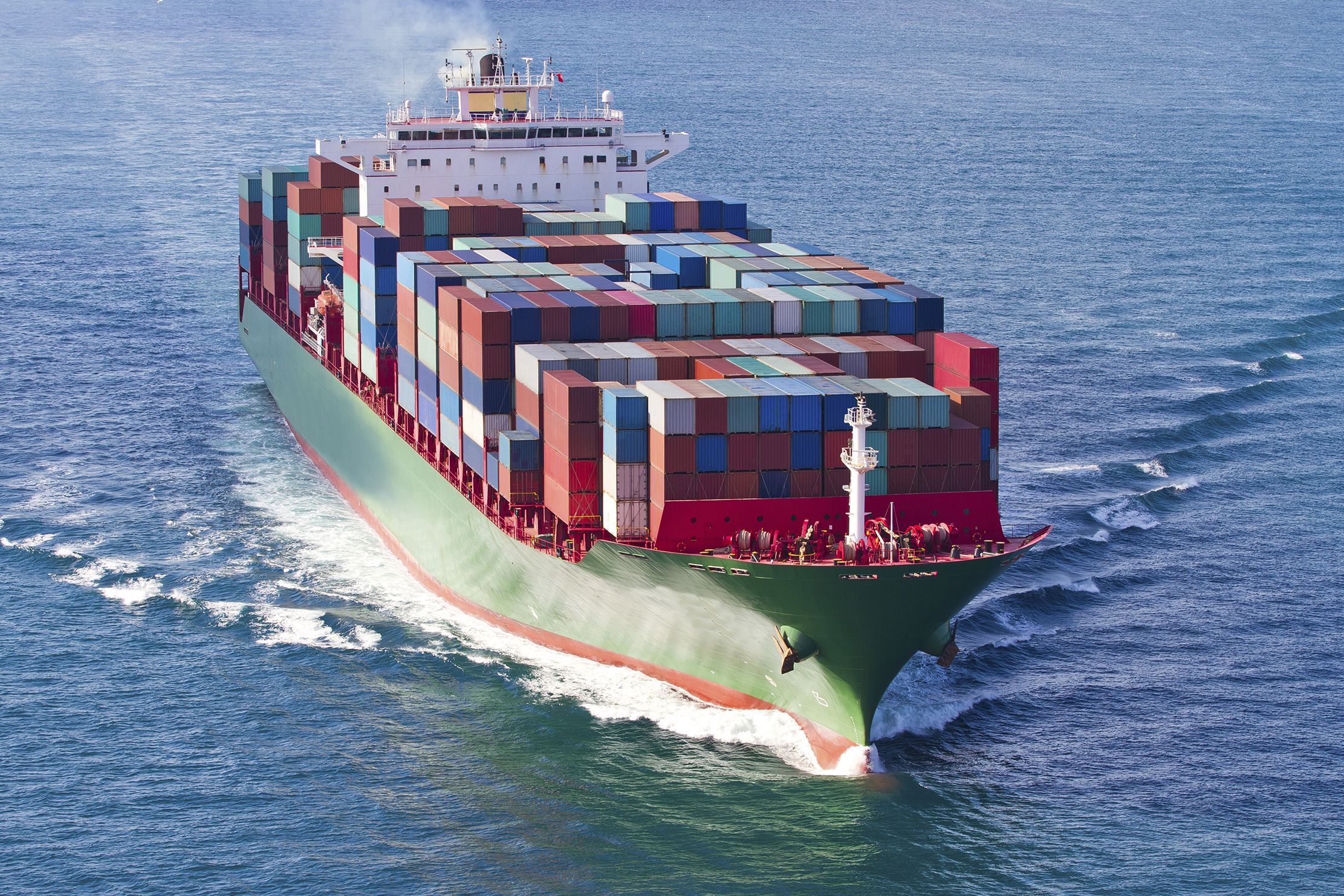
The global shipping industry has entered a transformative phase in 2025, driven by stricter climate regulations, AI-driven logistics, and shifting trade corridors. With 80% of global goods still reliant on maritime transport, companies like Maersk, MSC, and COSCO are redefining efficiency while navigating geopolitical volatility and consumer demands for transparency.
Emerging Trends Reshaping the Industry
Accelerated Decarbonization Efforts
Zero-Emission Vessel Pilots
By 2025, 15% of new ship orders are for ammonia or hydrogen-powered vessels. Maersk’s first ammonia-fueled container ship, launched in Q1 2025, reduces carbon emissions by 100% on key Europe-Asia routes.
Carbon Pricing and Regulatory Compliance
The International Maritime Organization (IMO) now enforces a 150/toncarbontaxonbunkerfuel,pushingcarrierstoadoptscrubbersandLNGretrofits.CMACGM’s“GreenCharge”programoffsetsemissionsforclientsat10/TEU.
AI-Driven Operational Overhauls
Predictive Route Optimization
Carriers like Hapag-Lloyd use AI to reroute ships in real time, avoiding congestion in hotspots like the Panama Canal, where drought-related delays spiked by 40% in 2024.
Autonomous Ports and Smart Containers
Fully automated ports in Singapore and Rotterdam handle 50% more cargo daily via AI-guided cranes and drones. MSC’s Smart Containers now autonomously report temperature, humidity, and shock data to prevent spoilage.
Key Players and Strategic Shifts
Maersk: From Carrier to Integrated Logistics Giant
Maersk’s $3B acquisition of DB Schenkin in 2024 enabled end-to-end control over rail, trucking, and warehousing. Its “TradeLens 2.0” blockchain platform reduces documentation errors by 90%, slashing clearance times.
COSCO: Dominating Arctic Trade Routes
COSCO operates 12 ice-class vessels through the Northern Sea Route, cutting Asia-Europe transit times by 14 days. Partnerships with Russian energy firms ensure fuel subsidies, despite EU sanctions.
Emerging Challengers: ZIM and ONE
ZIM’s focus on e-commerce routes (e.g., China-LA air-sea hybrids) and ONE’s AI-powered “Just-In-Time” inventory system are capturing niche markets, growing their market share by 8% YoY.

Sustainability Innovations Leading the Charge
Green Corridors and Alternative Fuels
- Green Corridors: The Shanghai-LA “Eco Route” uses 100% biofuel, reducing emissions by 85%.
- Wind-Assisted Propulsion: NYK’s cargo ships with AI-adjusted sails save 20% on fuel costs.
Circular Supply Chain Initiatives
Maersk’s “Cradle-to-Cradle” program recycles 95% of decommissioned vessels into new ships, while Hapag-Lloyd’s container reuse hub in Dubai cuts plastic waste by 30,000 tons annually.
Regional Challenges and Adaptations
Asia-Pacific: E-Commerce Boom and Capacity Crunch
Surging demand from Temu and Shein strains Southeast Asian ports. Carriers respond with “pop-up” floating warehouses near Malaysia and Vietnam.
Europe: Regulatory Complexity and Labor Strikes
EU’s “Fit for 55” mandates require carriers to cut emissions by 55% by 2030, triggering surcharges. Simultaneously, strikes in Hamburg and Antwerp delay 20% of Q2 2025 shipments.
Americas: Nearshoring and Infrastructure Upgrades
Mexico’s $5B port expansion in Lazaro Cardenas attracts carriers like Evergreen, offering 3-day rail links to Texas warehouses.
The Role of Digital Twins and 3D Printing
Digital Twins for Risk Mitigation
Companies simulate storms, piracy threats, and mechanical failures using digital ship replicas. MSC’s digital twin platform reduced insurance claims by 25% in 2024.
On-Demand 3D Printing at Ports
Ports like Long Beach now 3D-print replacement parts for ships, cutting repair downtime from weeks to hours.
Conclusion
In 2025, global shipping companies are balancing innovation with resilience. Leaders investing in zero-emission fleets, AI, and regional infrastructure are outperforming competitors, while laggards face rising costs and regulatory penalties. Businesses must prioritize partners offering carbon-neutral options, real-time visibility, and agile responses to disruption.
If you want to enjoy the full-process transfer logistics service and ensure that your goods are easily delivered to overseas addresses,you can use looperbuy, a one-stop purchasing-logistics solution:https://looperbuy.com/
Related Questions & Answers
· What are the cost implications of the IMO’s 2025 carbon tax? Carriers are passing 60–70% of the 150/tontaxtocustomersviasurcharges.Fora40−footcontainerfromShanghaitoLA,thisadds200–$300 to shipping costs.
· How reliable are ammonia-powered ships for long-haul routes?
Ammonia engines remain experimental, with current pilots limited to short routes (e.g., intra-Europe). Full scalability is expected post-2030.
· Can AI fully eliminate port congestion?
While AI reduces delays by 30–50%, physical infrastructure limits (e.g., Panama Canal bottlenecks) still require human-AI collaboration.
· How are labor strikes impacting shipping schedules in Europe?
Strikes in 2025 have caused 7–14 day delays. Carriers like MSC reroute via North Africa, adding 5% to freight costs.
· What are “green corridors,” and who benefits most from them?
Green corridors are dedicated routes using sustainable fuels. Exporters of high-value, time-sensitive goods (e.g., EVs, pharmaceuticals) benefit from prioritized scheduling and PR advantages.
Hot Tags: Sustainable Maritime Transport; AI-Optimized Shipping Routes; Carbon-Neutral Container Ships; Arctic Shipping Corridors; Green Port Initiatives; Circular Supply Chain Models; 3D Printing in Logistics; E-Commerce Freight Solutions; Wind-Assisted Cargo Vessels.