Table of Contents
Understanding Global Shipping Lanes
Global shipping lanes are the designated sea routes that ships follow to transport goods across oceans and seas. These lanes are critical to international trade, serving as the pathways through which approximately 80% of global goods are moved annually.
Definition and Importance
Global shipping lanes are like maritime highways, connecting continents and facilitating the exchange of goods between nations. They are strategically planned to ensure the safest, most efficient, and shortest possible routes between ports.
Historical Development
Shipping lanes have evolved over centuries, shaped by geographical discoveries, trade agreements, and technological advancements. Key lanes such as the Suez Canal and Panama Canal have significantly shortened trade routes, revolutionizing global commerce.

Major Global Shipping Lanes
The Suez Canal
The Suez Canal is one of the world’s most important shipping lanes. It connects the Mediterranean Sea to the Red Sea, providing a crucial shortcut for ships traveling between Europe and Asia. This canal drastically reduces journey times, saving vessels from having to circumnavigate Africa.
The Panama Canal
The Panama Canal links the Atlantic and Pacific Oceans, offering a vital passage for ships moving between the two oceans. It plays a pivotal role in transoceanic trade, particularly for countries on the east and west coasts of the Americas.
The Strait of Malacca
The Strait of Malacca is a narrow stretch of water between Malaysia, Singapore, and Indonesia. As one of the busiest shipping lanes in the world, it serves as a primary route for ships traveling between the Indian and Pacific Oceans.
Factors Influencing Shipping Lane Selection
Geographical and Environmental Factors
The selection of shipping lanes is heavily influenced by geographical features and environmental conditions. Ships must navigate around landmasses, avoid shallow waters, and plan for weather patterns to ensure safe passage.
Economic Considerations
Shipping companies aim to minimize costs by selecting routes that reduce fuel consumption and travel time. However, they must balance these considerations with potential risks and additional fees associated with certain lanes.
Political and Security Factors
Political stability and security are crucial. Lanes passing through regions with political unrest or high piracy risks often require additional security measures or insurance, increasing overall shipping costs.
Technology and Innovation in Global Shipping Lanes
Navigation and Tracking Technology
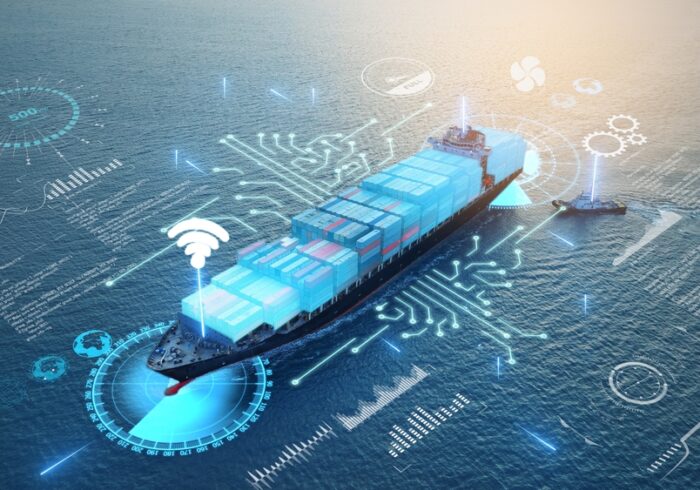
Modern ships are equipped with advanced navigation systems such as GPS and AIS (Automatic Identification System). These technologies provide precise location tracking and enhance the safety and efficiency of maritime navigation.
Route Optimization Software
Shipping companies use sophisticated software to analyze weather patterns, sea conditions, and traffic to optimize routes. This ensures the most efficient and cost-effective journey while minimizing risks.
Environmental Monitoring and Safety Systems
Technological advancements also focus on environmental protection. Ships now have systems to monitor and reduce emissions, contributing to more sustainable shipping practices.
Challenges and Risks in Global Shipping Lanes
Marine Hazards
Natural marine hazards such as icebergs, reefs, and strong currents pose threats to ships. Navigating these requires careful planning and the use of updated nautical charts.
Piracy and Security Threats
Certain regions are prone to piracy and armed robbery at sea. Shipping companies must implement security measures and sometimes employ private maritime security personnel to protect their vessels and cargo.
Regulatory Compliance
Shipping is heavily regulated by international bodies such as the International Maritime Organization (IMO). Compliance with regulations regarding safety, environmental protection, and crew welfare is mandatory and adds layers of complexity to shipping operations.
Future Trends and Developments
Expansion of Shipping Infrastructure
Investments in port facilities and canal expansions, such as the widened Panama Canal, accommodate larger vessels and increase shipping capacity. These infrastructure developments are crucial to meeting rising global trade demands.
Adoption of Autonomous Ships
The shipping industry is exploring autonomous and remotely controlled ships. These vessels could revolutionize shipping lanes by improving efficiency and reducing human error, though they present new challenges in terms of regulation and technology.
Increasing Focus on Sustainability
There is a growing emphasis on reducing the environmental impact of shipping. This includes developing alternative fuels, improving ship design for better fuel efficiency, and implementing carbon offset programs to decrease the industry’s carbon footprint.
Conclusion
Global shipping lanes are the arteries of international trade, enabling the movement of goods across vast distances. Understanding the key lanes, factors influencing their use, technological advancements, and associated challenges provides insight into the complex world of maritime logistics. As technology progresses and global trade continues to grow, shipping lanes will remain vital to economic interconnectedness, with ongoing developments ensuring they meet future demands efficiently and sustainably.
If you want to ensure your goods are reliably delivered to overseas addresses despite these global logistics complexities, you can use looperbuy, a one-stop purchasing-logistics solution:https://looperbuy.com/.
Related Questions & Answers
· What are the busiest shipping lanes in the world?
The busiest shipping lanes include the Strait of Malacca, the Suez Canal, the Panama Canal, the Strait of Hormuz, and the Dover Strait. These lanes are critical for global trade due to their strategic locations and the volume of ships they accommodate annually.
· How do shipping companies determine the most efficient routes?
Shipping companies use route optimization software that analyzes various factors such as weather conditions, sea currents, traffic density, and port schedules. This helps in planning the safest and most cost-effective journey while minimizing fuel consumption and travel time.
· What measures are taken to protect ships from piracy in high-risk lanes?
Measures include implementing strict security protocols, employing maritime security personnel, using advanced surveillance systems, and collaborating with international naval forces for patrols and escorts in high-risk areas.
· How do environmental regulations impact shipping lanes?
Environmental regulations set standards for emissions, waste disposal, and ballast water management. Shipping companies must comply with these regulations, which can require investments in cleaner technologies and operational practices to reduce environmental impact.
· What role does the International Maritime Organization (IMO) play in shipping lanes?
The IMO establishes international standards for shipping safety, security, and environmental performance. It develops regulations that ensure ships operate efficiently and responsibly, contributing to safer and more sustainable shipping lanes worldwide.
Hot Tags: International Shipping Routes; Maritime Trade Channels; Suez Canal Shipping; Panama Canal Traffic; Marine Navigation Technology; Global Trade Logistics; Shipping Lane Safety; Autonomous Maritime Transport; Sustainable Shipping Practices