Table of Contents
The Strategic Role of Jamaica Avenue in Shipping
Jamaica Avenue stands as a pivotal corridor in the shipping landscape of Jamaica, connecting key industrial zones with major ports and facilitating the movement of goods across the island and beyond. Its strategic location makes it a vital artery for both domestic distribution and international export/import activities.
The avenue serves as a primary route linking Kingston, the commercial capital, with the Port of Kingston, one of the largest and busiest ports in the Caribbean. This direct connection enables efficient transport of cargo containers, raw materials, and manufactured goods between production sites and shipping facilities.
Jamaica Avenue’s infrastructure supports various modes of transportation, including trucks, freight forwarders, and courier services. The road’s capacity to handle high – volume traffic is continually upgraded to meet the growing demands of Jamaica’s expanding economy and trade activities.
Major Shipping Activities Along Jamaica Avenue
Containerized Cargo Operations
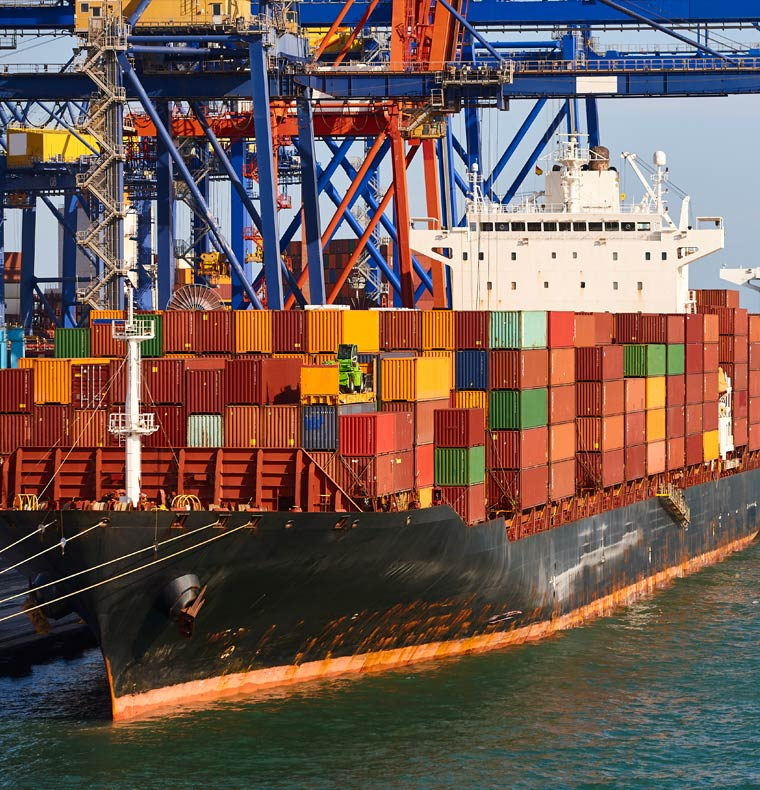
A significant portion of shipping activities on Jamaica Avenue involves containerized cargo. Trucks transport standard – sized containers (20 – foot and 40 – foot containers) between inland container depots and the Kingston Container Terminal.
The efficiency of container handling along Jamaica Avenue is enhanced by logistics parks and free zones located alongside the route. These facilities offer storage, packing, and distribution services, creating a seamless flow of goods from production to export or from import to final – mile delivery.
The Jamaican government has invested in traffic – management systems along Jamaica Avenue to minimize delays for shipping vehicles. Dedicated truck lanes and traffic – signal optimizations ensure that cargo movements remain timely, reducing the risk of delayed shipments that can impact supply chain reliability.
Break – Bulk and Heavy Haulage
Jamaica Avenue also accommodates break – bulk cargo and heavy – haulage activities. Industries such as construction, energy, and manufacturing rely on this route to transport oversized and irregularly shaped items like machinery, steel beams, and industrial equipment.
Specialized transport providers operate along Jamaica Avenue, offering services tailored to the specific needs of heavy – haulage shipments. These providers possess the necessary permits and equipment to handle overweight and over – dimension loads in compliance with Jamaican transportation regulations.
The avenue’s bridges and road surfaces are regularly inspected and reinforced to support the weight and volume of heavy – haulage traffic. This maintenance ensures the structural integrity of the route and prevents transportation – related accidents that could disrupt shipping activities.
Logistics and Support Services Along Jamaica Avenue
Warehousing and Distribution Hubs
Jamaica Avenue is lined with warehousing facilities and distribution centers that play a crucial role in Jamaica’s supply chain. These hubs offer a range of services from short – term storage for transit goods to full – scale inventory management for local businesses.
Modern warehouses along the avenue feature advanced inventory – tracking systems and material – handling equipment. This technology enables efficient receipt, storage, and dispatch of goods, minimizing turnaround times for shipping activities.
Many distribution centers specialize in value – added services such as product labeling, kitting, and quality inspections. These services are particularly valuable for exporters who need to meet specific client requirements or importers preparing products for local market distribution.
Customs Clearance and Documentation Services
Given Jamaica’s active participation in international trade, customs clearance services along Jamaica Avenue are essential for expediting shipments. Licensed customs brokers and freight forwarders operate in the area, assisting businesses with the complex documentation required for imports and exports.
These service providers are well – versed in Jamaican customs regulations and international trade agreements. They ensure that shipping documents such as bills of lading, commercial invoices, and certificates of origin are accurately prepared and submitted, reducing the risk of shipment delays at ports.
The proximity of customs – clearance offices and trade – documentation centers to Jamaica Avenue allows for rapid response to any documentation – related issues that arise during transit. This accessibility is particularly beneficial for time – sensitive shipments where timely clearance can prevent significant financial losses.
Economic Impact and Community Considerations
Employment and Business Opportunities
The shipping activities along Jamaica Avenue generate substantial employment opportunities across various sectors. Truck drivers, warehouse workers, logistics coordinators, and customs brokers are among the many roles supported by this economic corridor.
Local businesses benefit from the avenue’s shipping infrastructure through improved access to markets. Small – and medium – sized enterprises (SMEs) can more easily export their products or import necessary inputs, enhancing their competitiveness in both domestic and international markets.
The economic activities around Jamaica Avenue have stimulated the supporting commercial development. Gas stations, truck repair shops and driver support facilities along the line are booming, creating a comprehensive support ecosystem for shipping operations and contributing to the local economy.
Environmental and Social Responsibilities
As shipping volumes increase along Jamaica Avenue, environmental considerations have come to the forefront. Initiatives to reduce emissions from shipping vehicles include promoting the use of cleaner fuels and establishing green corridors with enhanced road – side vegetation to mitigate air pollution impacts on nearby communities.
Traffic management is another social responsibility aspect. The Jamaican authorities implement measures to reduce congestion during peak shipping hours, such as staggered delivery schedules and promoting off – peak shipments for non – urgent goods. This helps minimize the disruption to residential areas located alongside the avenue.
Community engagement programs run by logistics companies and port authorities aim to address concerns related to noise, safety, and road – usage impacts. These programs often include road – safety education for local residents and partnerships with community organizations to improve infrastructure around schools and public areas affected by shipping traffic.
Future Development and Challenges for Jamaica Avenue Shipping
Infrastructure Expansion and Upgrades
To accommodate projected growth in shipping volumes, Jamaica Avenue is undergoing infrastructure – expansion projects. These include widening certain sections of the road, improving intersection – management systems, and constructing new flyovers to separate shipping traffic from local commuter flows.
The expansion plans also address drainage and flood – mitigation needs, crucial in Jamaica’s climate where heavy rainfall can otherwise disrupt shipping operations. Improved drainage systems prevent road damage and ensure year – round accessibility for shipping vehicles.
Investments in smart – transportation technologies are being considered for Jamaica Avenue. These could include intelligent traffic – management systems with real – time data on shipping – vehicle locations and expected arrival times at ports, allowing for dynamic traffic – signal adjustments and reducing overall transit times.
Adapting to Global Trade Dynamics
Jamaica Avenue’s shipping activities must adapt to evolving global trade patterns. As trade agreements shift and new markets emerge, the types of cargo transported along the avenue are likely to change. For example, increased trade with Asian markets may result in higher volumes of electronics and automotive parts shipments, requiring specialized handling facilities.
The logistics services along Jamaica Avenue need to remain flexible, offering adaptable storage solutions and transportation options that can quickly respond to new market demands. This flexibility will be key to maintaining Jamaica’s competitive position in global shipping networks.
Conclusion
Jamaica Avenue represents a critical link in Jamaica’s shipping and logistics ecosystem, connecting vital economic zones and supporting the movement of goods that drive the national economy. By understanding the diverse shipping activities along the avenue, the supporting logistics services, and the community – related considerations, stakeholders can work together to enhance efficiency and sustainability. As Jamaica continues to invest in infrastructure and adapt to global trade changes, Jamaica Avenue will remain a cornerstone of the country’s shipping capabilities, ensuring reliable connections to international markets and supporting economic growth across sectors.
If you want to enhance your global shipping efficiency further by connecting directly with high-quality suppliers on platforms like 1688 and simplifying international logistics,you can use looperbuy, a one-stop purchasing-logistics solution:https://looperbuy.com/.
Related Questions & Answers
· How does Jamaica Avenue facilitate trade between Kingston and other Caribbean ports?
Jamaica Avenue serves as the primary route connecting Kingston’s industrial areas with the Port of Kingston, enabling efficient transport of containerized cargo and raw materials. Its infrastructure supports high – volume truck traffic, ensuring timely movement of goods to and from the port. Logistics parks along the avenue provide additional storage and distribution services, creating a seamless link in Jamaica’s trade network with other Caribbean nations.
· What types of cargo are most commonly transported along Jamaica Avenue?
The avenue handles a diverse range of cargo, with containerized goods being the most prevalent due to Jamaica’s significant import/export activities. Break – bulk cargo such as construction materials and industrial equipment also features prominently, supported by specialized heavy – haulage services. Additionally, agricultural products and consumer goods for local distribution are regularly transported along Jamaica Avenue.
· How are environmental concerns addressed in shipping activities along Jamaica Avenue?
Environmental initiatives include promoting cleaner fuels for shipping vehicles and establishing green corridors with enhanced vegetation to reduce air pollution. The Jamaican government and logistics companies collaborate on emission – reduction programs and invest in road drainage systems to prevent climate – related disruptions, ensuring shipping activities minimize their environmental footprint on surrounding communities.
· What role do customs services along Jamaica Avenue play in international shipping?
Customs clearance services located along Jamaica Avenue are crucial for expediting shipments. Licensed brokers and forwarders assist businesses with documentation compliance, ensuring shipments meet regulatory standards for imports and exports. Their proximity to the avenue allows for rapid resolution of documentation issues, reducing delays and maintaining efficient cargo flows to and from Jamaican ports.
· How will infrastructure upgrades impact future shipping on Jamaica Avenue?
The planned infrastructure upgrades aim to enhance traffic capacity and reduce congestion, directly improving shipping efficiency. Wider roads and improved intersections will accommodate increased shipping volumes, while smart – transportation technologies will optimize traffic flow. These improvements will support Jamaica’s growing trade dem
Hot Tags: Jamaica Logistics Corridor; Kingston Shipping Route; Caribbean Trade Transport; Containerized Cargo Jamaica; Heavy Haulage Services; Warehousing Distribution Jamaica; Customs Clearance Procedures; Trade Infrastructure Development; Regional Shipping Hubs