Table of Contents
Introduction
The global shipping industry is a vital component of international trade, facilitating the movement of goods across vast distances. As we look towards the future, understanding the trends and challenges that will shape the global shipping outlook is essential for businesses, policymakers, and consumers alike. This article delves into the current state of global shipping, emerging trends, technological advancements, and the impact of geopolitical factors on maritime trade.
The Current State of Global Shipping
Overview of the Shipping Industry
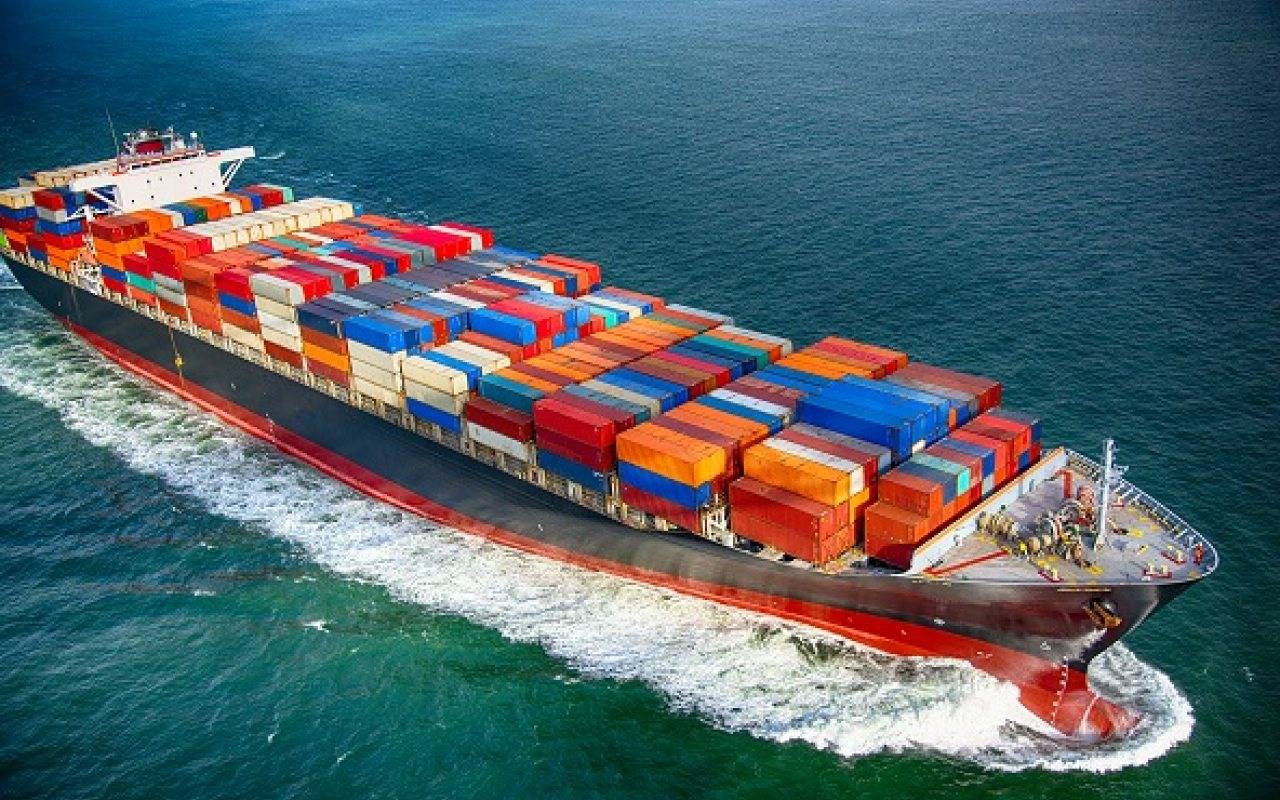
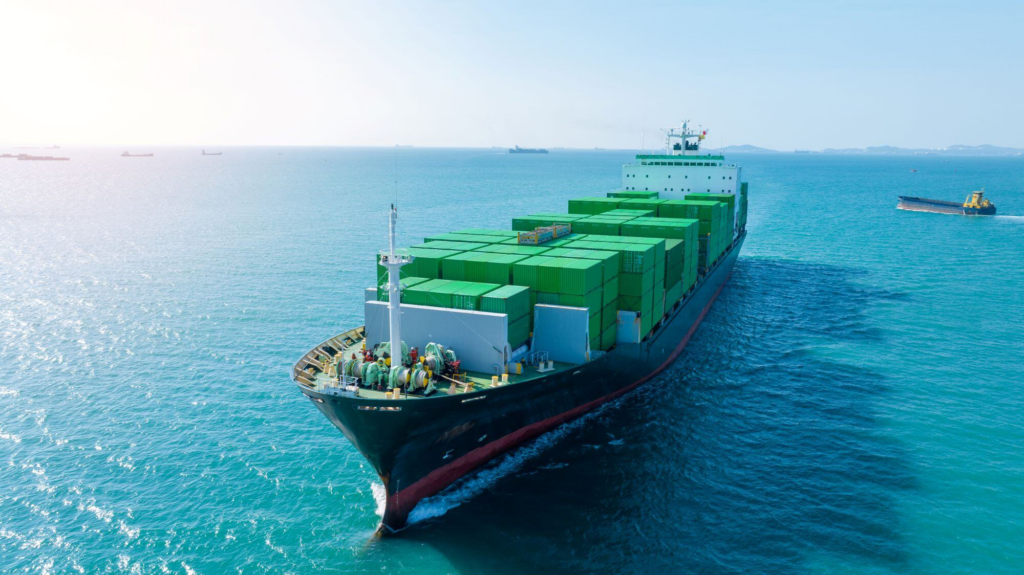
The shipping industry is responsible for transporting approximately 90% of the world’s goods. This sector includes various types of vessels, such as container ships, bulk carriers, tankers, and specialized ships. The industry has seen significant growth over the past few decades, driven by globalization and the increasing demand for consumer goods. The rise of e-commerce has further accelerated this growth, as businesses seek efficient ways to deliver products to consumers worldwide. The COVID-19 pandemic has also highlighted the critical role of shipping in maintaining supply chains, as many businesses turned to online sales and home delivery.
Economic Impact
The global shipping industry contributes trillions of dollars to the world economy. It provides millions of jobs and supports various sectors, including manufacturing, agriculture, and retail. The economic impact of shipping extends beyond direct employment; it also influences trade balances, currency exchange rates, and national economies. For instance, countries with major ports, such as Singapore and Rotterdam, benefit significantly from shipping activities, which bolster their economies and create a ripple effect in related industries. The shipping sector also plays a crucial role in the logistics and transportation sectors, which are essential for the smooth functioning of global trade.
Challenges Faced by the Industry
Despite its importance, the shipping industry faces numerous challenges. These include:
- Environmental Regulations: Stricter regulations aimed at reducing emissions and protecting marine ecosystems are reshaping operational practices. The International Maritime Organization (IMO) has set ambitious targets for reducing greenhouse gas emissions from shipping, prompting companies to invest in cleaner technologies. The introduction of the IMO 2020 regulation, which limits sulfur emissions from ships, has already forced many operators to adapt their fleets and operations.
- Supply Chain Disruptions: Events such as the COVID-19 pandemic have highlighted vulnerabilities in global supply chains, leading to delays and increased costs. The pandemic caused port closures and labor shortages, which disrupted the flow of goods and revealed the fragility of just-in-time inventory systems. The backlog of container ships waiting to unload at major ports has underscored the need for more resilient supply chain strategies.
- Geopolitical Tensions: Trade wars and political instability can disrupt shipping routes and impact trade flows. For example, sanctions imposed on certain countries can lead to rerouted shipments and increased shipping costs. The ongoing conflict in Ukraine has also affected shipping routes in the Black Sea, leading to increased insurance premiums and shipping delays.
Emerging Trends in Global Shipping
Technological Advancements
The shipping industry is undergoing a technological revolution. Innovations such as automation, artificial intelligence, and blockchain are transforming operations and enhancing efficiency.
Automation in Shipping
Automation is becoming increasingly prevalent in shipping operations. From autonomous vessels to automated port facilities, technology is streamlining processes and reducing labor costs. Companies are investing in smart shipping solutions that utilize data analytics to optimize routes and improve fuel efficiency. For instance, the use of predictive analytics can help shipping companies anticipate demand fluctuations and adjust their operations accordingly. The development of autonomous ships, which can navigate without human intervention, is also on the rise, promising to reduce operational costs and improve safety.
Blockchain Technology
Blockchain technology is revolutionizing supply chain management by providing transparency and security. It allows for real-time tracking of shipments, reducing the risk of fraud and enhancing accountability among stakeholders. As more companies adopt blockchain, the shipping industry is likely to see improved efficiency and reduced costs. Smart contracts, enabled by blockchain, can automate various processes, such as payment and documentation, further streamlining operations. This technology can also facilitate better collaboration among supply chain partners, leading to more efficient logistics.
Sustainability Initiatives
The push for sustainability is reshaping the global shipping outlook. Companies are adopting greener practices to reduce their environmental footprint. This includes investing in alternative fuels, such as LNG and hydrogen, and implementing energy-efficient technologies.
Alternative Fuels
The shipping industry is exploring various alternative fuels to comply with environmental regulations. Liquefied natural gas (LNG) is gaining popularity due to its lower emissions compared to traditional marine fuels. Additionally, research into hydrogen and biofuels is ongoing, with the potential to further reduce the industry’s carbon footprint. The development of ammonia as a marine fuel is also being explored, as it produces no carbon emissions when burned. The transition to these alternative fuels requires significant investment in infrastructure and technology, but it is essential for meeting future emissions targets.
Energy Efficiency Measures
Shipping companies are implementing energy efficiency measures to reduce fuel consumption and emissions. This includes optimizing vessel design, improving hull performance, and utilizing advanced propulsion systems. By adopting these measures, the industry aims to meet international emissions targets and enhance its sustainability profile. The adoption of slow steaming, where ships travel at reduced speeds, is another strategy that has proven effective in lowering fuel consumption. Additionally, retrofitting existing vessels with energy-saving technologies can significantly reduce their environmental impact.
Innovations in Ship Design
The design of ships is evolving to enhance fuel efficiency and reduce emissions. Innovations such as hull modifications, air lubrication systems, and advanced materials are being explored to improve performance. For example, the use of lightweight materials can reduce the overall weight of vessels, leading to lower fuel consumption. Furthermore, the integration of renewable energy sources, such as wind and solar power, into ship design is gaining traction, allowing vessels to harness natural energy and reduce reliance on fossil fuels.
Port Infrastructure Development
As shipping volumes increase, ports are adapting to handle larger container ships and increased cargo volumes. Investments in port infrastructure are essential to accommodate the growing size of vessels and the demand for faster turnaround times. This includes expanding berths, upgrading cargo handling equipment, and implementing advanced logistics systems. The development of smart ports, which utilize digital technologies to enhance efficiency and sustainability, is also on the rise. These ports leverage data analytics and IoT (Internet of Things) technologies to optimize operations and improve the overall supply chain.
The Role of Digitalization
Digitalization is transforming the shipping industry by enhancing operational efficiency and improving decision-making processes. The integration of digital technologies, such as the Internet of Things (IoT), big data analytics, and cloud computing, is enabling shipping companies to collect and analyze vast amounts of data. This data-driven approach allows for better forecasting, route optimization, and inventory management. Digital platforms are also facilitating real-time communication between stakeholders, improving collaboration and transparency throughout the supply chain.
Geopolitical Factors Influencing Shipping
Trade Policies and Agreements
Trade policies and agreements play a crucial role in shaping the global shipping landscape. Changes in tariffs, trade agreements, and regulations can significantly impact shipping routes and costs.
Impact of Trade Wars
Recent trade tensions between major economies have led to increased tariffs and trade barriers. This has resulted in shifts in shipping patterns as companies seek to minimize costs. The ongoing trade war between the United States and China, for example, has prompted businesses to explore alternative markets and supply chains. Companies are diversifying their sourcing strategies to mitigate risks associated with reliance on a single market. The impact of these trade policies can be seen in the increased shipping costs and longer transit times for certain goods.
Regional Conflicts
Geopolitical conflicts can disrupt shipping routes and impact global trade. For instance, tensions in the South China Sea have raised concerns about the security of shipping lanes, leading to increased insurance costs and potential delays. The closure of the Suez Canal in 2021 due to the grounding of the Ever Given container ship highlighted the vulnerability of global shipping routes and the potential for significant economic repercussions. Such incidents underscore the importance of having contingency plans and alternative routes to ensure the continuity of trade.
The Role of International Organizations
International organizations, such as the International Maritime Organization (IMO) and the World Trade Organization (WTO), play a crucial role in regulating and facilitating global shipping. These organizations establish guidelines and standards that govern shipping practices, ensuring safety, security, and environmental protection. Their efforts to promote free trade and reduce barriers to shipping are essential for fostering a stable and efficient global trade environment.
The Future of Global Shipping
Predictions for the Industry
As we look to the future, several predictions can be made about the global shipping industry:
- Increased Automation: The trend towards automation will continue, with more companies adopting smart shipping technologies. The development of fully autonomous vessels is on the horizon, which could revolutionize the industry by reducing labor costs and increasing operational efficiency.
- Sustainability as a Priority: Environmental concerns will drive further investment in sustainable practices and alternative fuels. The shipping industry is likely to see a shift towards circular economy principles, where waste is minimized, and resources are reused. Companies that prioritize sustainability will likely gain a competitive advantage in the market.
- Evolving Trade Patterns: Geopolitical factors will continue to influence trade patterns, with companies adapting to changing market dynamics. The rise of emerging markets in Asia and Africa will create new opportunities for shipping companies, while established markets may face increased competition. The diversification of supply chains will also lead to new shipping routes and partnerships.
- Enhanced Collaboration: The future of shipping will likely see increased collaboration among stakeholders, including shipping companies, port authorities, and logistics providers. Collaborative platforms that facilitate information sharing and joint decision-making will become more prevalent, leading to improved efficiency and reduced costs.
Conclusion
The global shipping outlook is shaped by a complex interplay of technological advancements, environmental considerations, and geopolitical factors. As the industry navigates these challenges and opportunities, stakeholders must remain agile and responsive to ensure the continued growth and sustainability of maritime trade.
In summary, the future of global shipping will be characterized by innovation, sustainability, and adaptability. By embracing these changes, the industry can thrive in an increasingly interconnected world.
As the global shipping industry continues to evolve, ensuring you have access to the best products at competitive prices is essential for staying ahead in today’s market. Discover unbeatable deals and enhance your shopping experience at LooperBuy.
Article Summary: This article explores the global shipping outlook, highlighting the current state of the industry, emerging trends such as automation and sustainability, and the impact of geopolitical factors. It emphasizes the importance of innovation and adaptability for the future of maritime trade.
Hot Tags: Global Shipping; Maritime Trade; Supply Chain Management; Shipping Industry Trends; Sustainable Shipping; Automation in Shipping; Blockchain Technology; Geopolitical Factors; Alternative Fuels; Digital Transformation; Smart Ports; Environmental Regulations; Trade Policies; Logistics Optimization; Autonomous Vessels; E-commerce Growth; International Trade Agreements; Energy Efficiency; Shipping Infrastructure; Circular Economy; Emerging Markets; Shipping Innovations; Maritime Security; Freight Forwarding; Container Shipping; Port Development; Shipping Costs; Supply Chain Resilience; Maritime Technology; Future of Shipping.
Related Questions & Answers
· What are the latest innovations in ship design for fuel efficiency?
Innovations in ship design for fuel efficiency include the use of lightweight materials, hull modifications, air lubrication systems, and the integration of renewable energy sources like wind and solar power.
· How are ports adapting to handle larger container ships and increased volumes?
Ports are expanding berths, upgrading cargo handling equipment, and implementing advanced logistics systems to accommodate larger vessels and increased cargo volumes.
· What impact will new environmental regulations have on smaller shipping companies?
New environmental regulations may pose challenges for smaller shipping companies due to the costs associated with retrofitting vessels and adopting cleaner technologies, potentially leading to increased operational expenses.
· How is digitalization affecting the shipping industry?
Digitalization is enhancing operational efficiency and decision-making processes through the integration of IoT, big data analytics, and cloud computing, allowing for better forecasting and route optimization.
· What role do international organizations play in global shipping?
International organizations like the IMO and WTO establish guidelines and standards for shipping practices, ensuring safety, security, and environmental protection while promoting free trade.