Table of Contents
Understanding Armenia’s Geographical and Economic Context
Armenia, a landlocked country in the South Caucasus region of Eurasia, serves as a strategic crossroads between Eastern Europe and Western Asia. Its geographical position makes it an important player in regional trade routes, offering unique opportunities and challenges for global shipping.
Strategic Location and Trade Routes
Armenia’s location positions it at the intersection of several major trade corridors. The North-South corridor connects Russia to Iran, while the East-West corridor links Central Asia to Europe. These routes enhance Armenia’s role in facilitating the movement of goods across continents.
Economic Overview and Growth Sectors
Armenia’s economy has shown resilience and growth, with sectors such as information technology, agriculture, and manufacturing contributing significantly. The government’s focus on economic reforms and infrastructure development further strengthens the country’s appeal as a trade partner.
Key Shipping Methods to Armenia
Ocean Freight Shipping
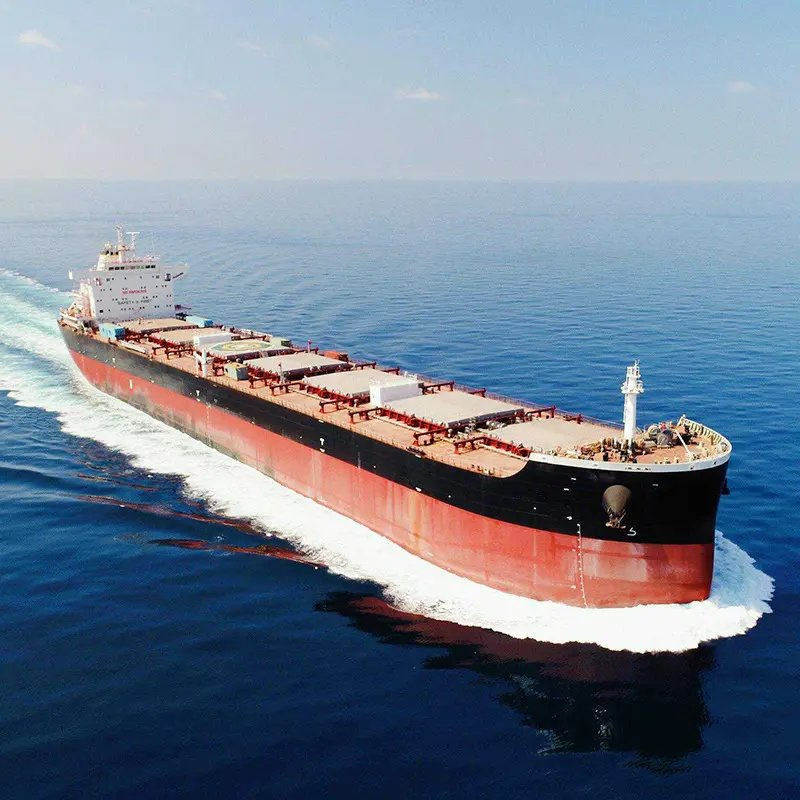
Despite being landlocked, Armenia accesses ocean freight through its neighboring ports. Goods are shipped to ports in Georgia (e.g., Batumi and Poti) and then transported via land to Armenia. This method is cost-effective for large volumes and non-time-sensitive shipments.
Air Freight Services
For urgent or high-value shipments, air freight is the preferred option. Armenia’s Zvartnots International Airport handles the majority of air cargo. This method ensures faster delivery, often within days, making it suitable for perishable goods or emergency supplies.
Land Transportation
Road and rail transport play crucial roles in moving goods within the region. Armenia’s road network, though improving, presents some challenges. Rail transport, managed by the South Caucasus Railway, offers a reliable alternative for bulk shipments.
Logistics and Infrastructure in Armenia
Port Facilities in Neighboring Countries
Ports in Georgia, such as Batumi and Poti, are vital entry points for goods destined for Armenia. These ports offer modern facilities and are connected to Armenia via well-developed road and rail networks.
Customs Procedures and Regulations
Armenia’s customs procedures have been modernizing to align with international standards. The implementation of the ASYCUDA++ system has streamlined customs clearance, reducing processing times. However, importers must comply with specific documentation requirements and regulations.
Inland Transportation Systems
Armenia’s road network is gradually improving, with major highways connecting Yerevan to other regions. Rail transport provides a cost-effective option for bulk goods, while the country’s focus on logistics parks and free economic zones aims to enhance efficiency.
Major Shipping Companies Operating in Armenia
International Freight Forwarders
Companies like DSV, Kuehne + Nagel, and DB Schenker offer comprehensive logistics solutions in Armenia. They provide multimodal transportation, customs clearance services, and supply chain management, leveraging their global networks to ensure efficient shipping.
Local Logistics Providers
Armenian companies such as Artex Logistics and Global TransCargo play significant roles in the domestic market. They offer specialized knowledge of local logistics challenges and provide tailored solutions for both international and domestic shipments.
Courier Services
International couriers like DHL and FedEx operate in Armenia, offering express delivery services. These services are ideal for small packages and documents, providing fast and reliable door-to-door shipping.

Challenges and Considerations for Shipping to Armenia
Geopolitical Factors
The region’s geopolitical landscape can impact shipping routes and timelines. It is essential to stay informed about political developments that may affect transportation corridors.
Infrastructure Limitations
While improving, Armenia’s infrastructure still presents some limitations. Road conditions in remote areas may slow down transportation, and rail capacity can be constrained during peak periods.
Documentation Requirements
Shipping to Armenia requires specific documentation, including commercial invoices, packing lists, and certificates of origin. Non-compliance can lead to delays and additional costs.
Future Trends and Opportunities in Armenia’s Shipping Sector
Infrastructure Development Projects
Armenia is investing in infrastructure projects to enhance its logistics capabilities. Upgrades to roads, railways, and logistics parks are expected to improve efficiency and attract more international trade.
Regional Trade Agreements
Armenia’s membership in the Eurasian Economic Union (EAEU) offers access to a larger market and favorable trade terms with other member countries. These agreements present opportunities for businesses looking to expand their market reach.
Technological Advancements
The adoption of technologies such as IoT for shipment tracking and blockchain for supply chain transparency is expected to grow. These technologies will enhance the efficiency and reliability of shipping processes in Armenia.
Conclusion
Shipping to Armenia involves understanding the country’s logistics landscape, including its strategic location, shipping methods, infrastructure, and customs procedures. By working with reliable shipping companies and staying informed about regional developments, businesses can navigate the challenges and capitalize on the opportunities presented by Armenia’s evolving logistics sector. As infrastructure improves and trade agreements expand market access, Armenia is poised to become an increasingly important player in global trade.
If you want to enhance your drop shipping efficiency further by connecting directly with high-quality suppliers on platforms like 1688 and simplifying international logistics,you can use looperbuy, a one-stop purchasing-logistics solution:https://looperbuy.com/.
Related Questions & Answers
· What are the primary ports used for shipping goods to Armenia?
The primary ports used for shipping goods to Armenia are the Georgian ports of Batumi and Poti. These ports serve as important entry points, with goods then transported via land to Armenia.
· How long does air freight typically take to reach Armenia?
Air freight to Armenia typically takes 1-3 business days, depending on the origin and customs clearance processes. Zvartnots International Airport handles most air cargo shipments.
· What documentation is required for shipping to Armenia?
Documentation requirements include commercial invoices, packing lists, bills of lading, certificates of origin, and customs declaration forms. Specific regulations may apply based on the goods being shipped.
· How does Armenia’s membership in the Eurasian Economic Union (EAEU) impact shipping?
Armenia’s EAEU membership facilitates trade with other member countries by reducing tariffs and harmonizing regulations. It provides access to a larger market and supports regional economic integration.
· What steps is Armenia taking to improve its logistics infrastructure?
Armenia is investing in road and rail network upgrades, developing logistics parks, and implementing customs modernization programs. These initiatives aim to enhance efficiency and attract more international trade.
Hot Tags: Armenia Logistics; Shipping to Armenia; Armenian Trade Routes; Eurasian Economic Union Trade; Caucasus Region Shipping; Armenian Customs Procedures; Freight Forwarders in Armenia; Landlocked Country Logistics; Armenia Economic Sectors