Graph paper notebooks are essential tools for students, professionals, and hobbyists alike. Their unique grid layout provides a structured environment for various activities, from mathematical calculations to artistic designs. This article explores the many uses, benefits, and features of graph paper notebooks, highlighting why they are a staple in educational and professional settings. By delving deeper into each aspect, we can appreciate the versatility and practicality of these notebooks in everyday life.
Table of Contents
Understanding Graph Paper Notebooks
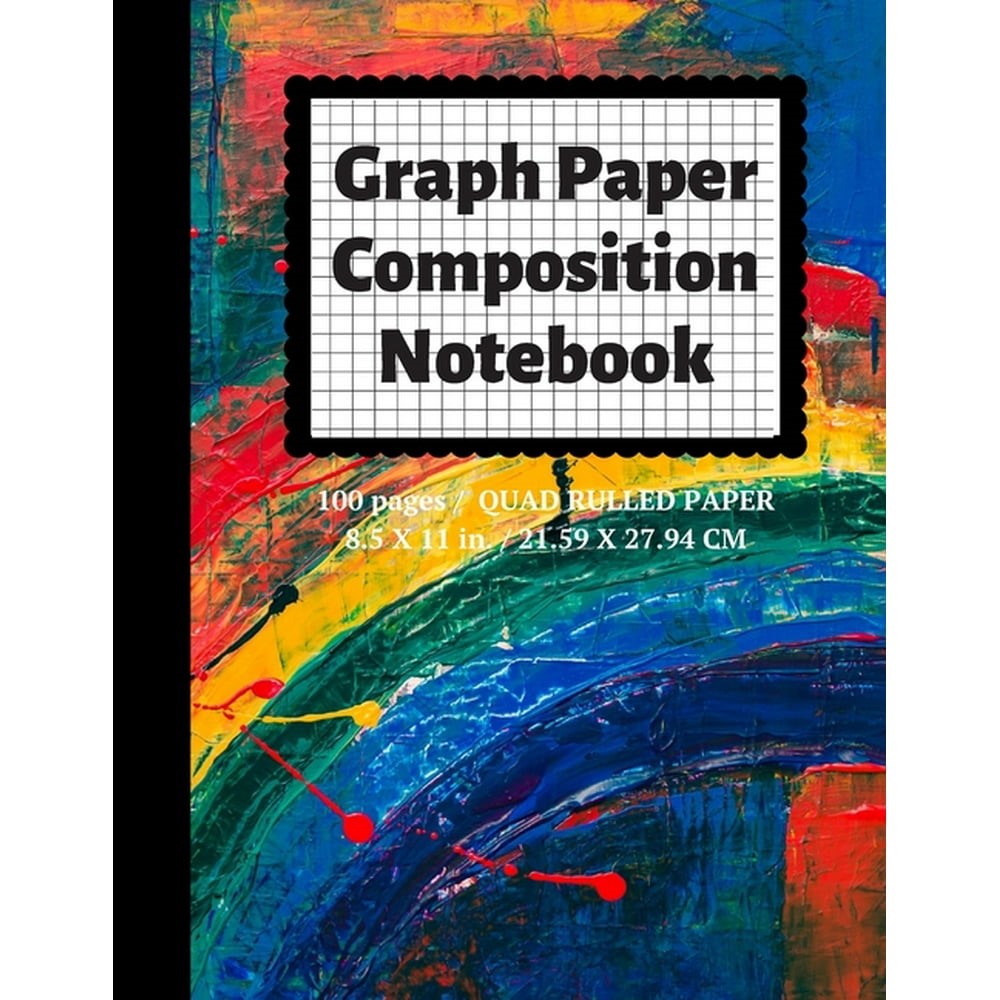
Graph paper notebooks are characterized by their grid patterns, which can vary in size and style. The grids are typically composed of small squares, making them ideal for precise drawings, calculations, and note-taking. The most common types of graph paper include quad-ruled, which features four squares per inch, and isometric graph paper, which is used for three-dimensional drawings. Understanding these types helps users select the right notebook for their specific needs, ensuring that they can maximize the utility of their graph paper.
Types of Graph Paper Notebooks
Graph paper notebooks come in various formats, each serving different purposes. Here are some common types:
Quad-Ruled Notebooks
Quad-ruled notebooks are the most popular type of graph paper notebook. They feature a grid of squares that are typically 1/4 inch in size. This format is perfect for mathematics, engineering, and science, allowing users to create graphs, charts, and diagrams with ease. The uniformity of the squares aids in aligning numbers and equations, making it easier for students to visualize complex problems and solutions. Additionally, quad-ruled notebooks are often used in classrooms, where teachers can assign graphing tasks that require students to plot points accurately.
Isometric Graph Paper Notebooks
Isometric graph paper is designed with a grid of equilateral triangles, which is ideal for creating three-dimensional representations. Artists and designers often use this type of graph paper to sketch out concepts and visualize projects. The isometric grid allows for the accurate depiction of depth and perspective, making it a favorite among architects and game designers. By using isometric graph paper, users can create intricate designs that appear three-dimensional, enhancing their creative projects.
Dot Grid Notebooks
Dot grid notebooks feature a series of dots arranged in a grid pattern. This format is favored by bullet journal enthusiasts and artists for its flexibility, allowing for both structured and freeform designs. The dots serve as a subtle guide, enabling users to create layouts without the distraction of bold lines. This makes dot grid notebooks particularly popular for journaling, where users can combine writing with doodles and sketches, creating a personalized and visually appealing record of their thoughts and activities.
Features of Graph Paper Notebooks
When selecting a graph paper notebook, several features can enhance the user experience. These include:
Binding Options
Graph paper notebooks come in various binding styles, including spiral-bound, hardcover, and softcover. Spiral-bound notebooks lay flat, making them easier to write in, while hardcover options provide durability and protection for the pages. The choice of binding can significantly affect how users interact with the notebook. For instance, a spiral-bound notebook is ideal for students who need to flip pages quickly during lectures, while a hardcover notebook may be preferred by professionals who want a more polished appearance for meetings and presentations.
Paper Quality
The quality of the paper is crucial for a good writing experience. High-quality graph paper is typically thicker, preventing ink bleed-through and allowing for smooth writing with pens, pencils, and markers. Users often appreciate notebooks that can handle various writing instruments without compromising the integrity of the pages. Additionally, the texture of the paper can influence the writing experience; smoother paper allows for effortless gliding of pens, while textured paper can provide a tactile feedback that some users prefer.
Size and Portability
Graph paper notebooks are available in various sizes, from pocket-sized to larger formats. Choosing the right size depends on the intended use. Smaller notebooks are great for on-the-go sketching, while larger ones are better suited for detailed projects. Portability is a significant factor for many users, especially students and professionals who travel frequently. A compact notebook can easily fit into a backpack or briefcase, ensuring that users can capture ideas and notes whenever inspiration strikes.
Benefits of Using Graph Paper Notebooks
Graph paper notebooks offer numerous advantages that make them a preferred choice for many users.
Enhanced Organization
The grid layout of graph paper helps users maintain organization in their notes. Whether for math problems, project planning, or sketching, the structured format allows for clear and concise documentation. This organization is particularly beneficial in academic settings, where students can keep their work neat and legible. Additionally, professionals can use graph paper to outline projects, ensuring that all aspects are covered systematically. The ability to create organized notes can lead to improved retention and understanding of the material.
Improved Accuracy
For tasks that require precision, such as drawing graphs or creating technical designs, graph paper provides a reliable framework. The uniform squares help users maintain scale and proportion, reducing errors in calculations and drawings. This accuracy is essential in fields like engineering and architecture, where even minor mistakes can lead to significant issues. By using graph paper, users can confidently create accurate representations of their ideas, whether they are plotting data points or designing intricate structures.
Versatile Applications
Graph paper notebooks are not limited to academic use. They are also popular among professionals in fields such as architecture, engineering, and graphic design. Additionally, hobbyists use them for crafting, journaling, and planning. The versatility of graph paper makes it suitable for a wide range of activities, from serious academic work to creative pursuits. This adaptability ensures that users can find a graph paper notebook that meets their specific needs, regardless of their interests or profession.
Encouragement of Creativity
The structured yet flexible nature of graph paper encourages creativity. Artists can use the grids to create intricate designs, while students can visualize complex concepts through diagrams and charts. The combination of structure and freedom allows users to explore their creative potential without feeling constrained. Many artists find that the grid helps them maintain proportions while still allowing for spontaneous creativity, leading to unique and innovative works.
How to Choose the Right Graph Paper Notebook
Selecting the right graph paper notebook involves considering several factors based on individual needs and preferences.
Purpose of Use
Identify the primary purpose of the notebook. For mathematical calculations, a quad-ruled notebook may be best. For artistic endeavors, consider an isometric or dot grid notebook. Understanding the intended use will help narrow down the options and ensure that the chosen notebook meets specific requirements. For example, a student focused on geometry might prioritize a quad-ruled notebook, while an artist might prefer the flexibility of a dot grid.
Size and Portability
Think about where and how you will use the notebook. If you need something portable, a smaller size may be more convenient. For extensive projects, a larger notebook will provide more space. Additionally, consider how often you will be carrying the notebook. If it will be used primarily at a desk, a larger size may be acceptable, but if it needs to fit in a bag for travel, a compact option is preferable.
Binding Style
Choose a binding style that suits your writing habits. Spiral-bound notebooks are great for ease of use, while hardcover options offer durability. The binding can also affect how the notebook lays flat when open, which is important for writing and drawing. Users should consider their preferences for ease of use and durability when selecting a binding style.
Paper Quality
Look for notebooks with high-quality paper to ensure a pleasant writing experience. Thicker paper will prevent bleed-through and allow for various writing instruments. Users should also consider the finish of the paper, as this can impact the overall writing experience. A smooth finish may be preferred for ink pens, while a textured finish might be better for pencils.

Creative Uses for Graph Paper Notebooks
Graph paper notebooks can be utilized in many creative ways beyond traditional note-taking.
Sketching and Drawing
Artists often use graph paper to create detailed sketches. The grid helps maintain proportions and scale, making it easier to translate ideas onto paper. Many artists find that the structured environment of graph paper allows them to focus on their creativity without worrying about alignment or spacing. This can lead to more polished and professional-looking artwork, whether for personal projects or client work.
Planning and Organization
Many people use graph paper notebooks for planning projects, whether for school assignments, work tasks, or personal goals. The structured layout allows for clear organization of thoughts and ideas. Users can create timelines, flowcharts, and outlines that help them visualize their plans. This organization can lead to increased productivity, as users can easily track their progress and make adjustments as needed.
Mathematical Problem Solving
Students frequently use graph paper for solving math problems. The grid helps align numbers and equations, making it easier to visualize solutions. This is particularly useful in subjects like algebra and calculus, where maintaining proper alignment is crucial for accuracy. By using graph paper, students can develop a better understanding of mathematical concepts and improve their problem-solving skills.
Crafting and DIY Projects
Craft enthusiasts can use graph paper to plan out designs for various projects, from sewing patterns to woodworking plans. The grid provides a reliable reference for measurements and layouts. This can be especially helpful for intricate projects that require precision, as users can create detailed plans before starting their work. Additionally, graph paper can be used for brainstorming and sketching ideas, allowing crafters to explore different possibilities before committing to a final design.
Bullet Journaling
Graph paper is popular among bullet journal users for its versatility. The grid allows for creative layouts, including habit trackers, mood logs, and artistic doodles. Many users appreciate the ability to customize their bullet journals, using the grid to create unique designs that reflect their personalities. This creative outlet can enhance the journaling experience, making it more enjoyable and fulfilling.
Conclusion
Graph paper notebooks are invaluable tools that cater to a wide range of users, from students to professionals. Their structured design promotes organization, accuracy, and creativity, making them suitable for various applications. Whether for academic purposes, artistic endeavors, or personal projects, a graph paper notebook can enhance productivity and inspire creativity. As users explore the many possibilities of graph paper, they will discover that these notebooks are not just tools but also gateways to innovation and expression.
How to purchase:https://looperbuy.com/search?keywords=Graph+Paper+Notebooks
Frequently Asked Questions
1. What is the difference between quad-ruled and isometric graph paper?
Quad-ruled graph paper features a grid of squares, while isometric graph paper has a grid of equilateral triangles, making it suitable for three-dimensional drawings.
2. Can I use graph paper for bullet journaling?
Yes, graph paper is excellent for bullet journaling due to its flexibility, allowing for both structured layouts and creative designs.
3. What size graph paper notebook should I choose?
The size depends on your intended use. Smaller notebooks are portable, while larger ones provide more space for detailed work.
4. Is graph paper suitable for all types of writing instruments?
High-quality graph paper can accommodate various writing instruments, including pens, pencils, and markers, without bleed-through.
5. How can I enhance my creativity using a graph paper notebook?
You can use graph paper for sketching, planning projects, or creating intricate designs, allowing for both structured and freeform creativity.