Learn how global sourcing platforms help e-commerce brands launch products faster with lower risk and better margins. Explore China-focused solutions like Looperbuy, practical workflows, and best practices to turn sourcing speed into a real competitive advantage.
Global sourcing platforms dramatically shorten the time it takes for e-commerce brands to go from idea to live product, especially when those platforms integrate sourcing, payments, and logistics in one place. Drawing on my experience supporting cross-border sellers and the evolving role of platforms like Looperbuy, this article explains how these solutions help brands launch faster, with less risk and better supply chain visibility. [linkedin]
Table of Contents
What Are Global Sourcing Platforms?
Global sourcing platforms are online B2B systems that connect buyers with vetted suppliers across different countries, usually with built‑in tools for quotations, payments, compliance, and logistics. Unlike traditional trading companies, they centralize communication, documentation, and order execution in one interface, reducing the number of intermediaries and manual steps. [bg.w10]
For e-commerce and marketplace brands, modern platforms go beyond simple supplier directories and act as end‑to‑end supply chain partners, from product discovery to last‑mile delivery or fulfillment center inbound. [linkedin]
Why Speed Matters for E-Commerce Brands
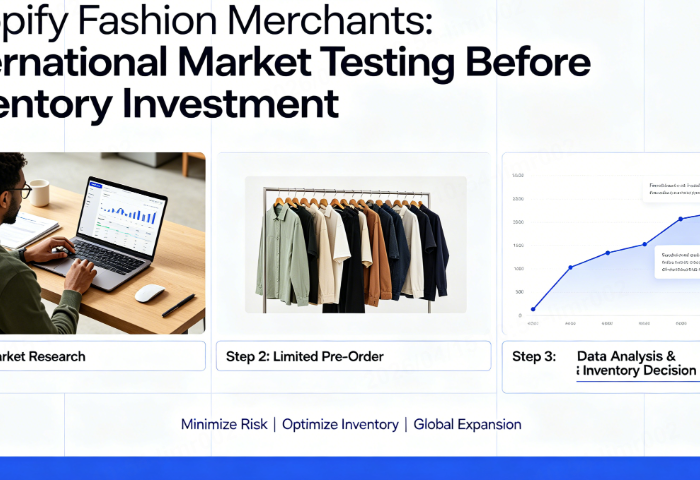
In competitive categories, launch timing often decides whether a product becomes a bestseller or a forgotten listing. E-commerce teams must quickly validate ideas, source samples, test demand, and scale winning SKUs before competitors copy or undercut them. [xiaoman]
At the same time, traditional cross-border sourcing involves weeks of supplier searching, negotiation, factory audits, and logistics planning, which slows down time-to-market and ties up working capital in inventory and safety stock. [zjxw.hqcswzx]

How Global Sourcing Platforms Reduce Time-to-Market
From an operator’s perspective, there are five critical time bottlenecks: supplier discovery, quotation, quality control, production, and shipping. Global sourcing platforms compress each of these stages.
1. Faster Supplier Discovery and Product Matching
Instead of emailing dozens of factories or browsing fragmented directories, brands can search curated catalogs and verified supplier pools filtered by MOQ, lead time, certifications, and target markets. Platforms that are closely integrated with Chinese wholesale ecosystems (for example, direct connections to sources like 1688) give access to a wide range of SKUs at near‑factory prices, without needing to open local accounts or navigate Chinese‑language interfaces. [blog.csdn]
For Looperbuy‑type platforms, this means a global seller can move from idea to shortlisted products in days, not weeks, while still maintaining price transparency and supplier reliability. [zjxw.hqcswzx]
2. Streamlined Communication and Negotiation
A major hidden delay in cross‑border sourcing is back‑and‑forth communication across time zones, often done through email or messaging apps with loose documentation. Global sourcing platforms centralize RFQs, chat history, attachments, and order updates, so teams do not waste days searching for files or re‑confirming specs. [xiaoman]
For high‑velocity e-commerce brands, having standardized templates for RFQs, spec sheets, and purchase contracts inside the platform significantly reduces negotiation cycles and the risk of miscommunication. [bg.w10]
3. Integrated Payments and Risk Control
International payments can delay orders by days or weeks when brands rely on traditional bank transfers, local agents, or complex currency conversions. Many global sourcing platforms integrate multi-currency payment gateways, escrow‑like protection, and compliant settlement channels, allowing buyers to pay in their local or major currencies while suppliers receive in the currencies they prefer. [global.lianlianpay]
Solutions backed by cross‑border payment providers (such as those operated by large fintech groups in China) help ensure faster, safer payment flows, which in turn accelerates production start dates and vendor trust. [global.lianlianpay]
4. Logistics Orchestration and DDP/DAP Solutions
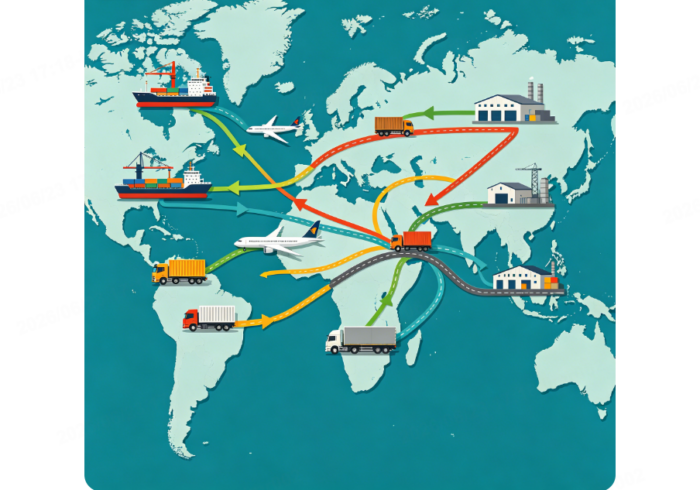
Shipping is often the longest part of the lead time, and mismanaged logistics can add weeks to launch schedules. Global sourcing platforms that coordinate direct shipping, consolidation, or even delivery‑duty‑paid (DDP/DAP) options let brands choose routes that minimize delays and customs risks. [zjxw.hqcswzx]
Some platforms specialize in straight‑from‑China solutions, offering direct delivery from Chinese hubs to overseas warehouses or marketplaces, removing the need for buyers to build their own freight forwarding network. This is particularly valuable for newer brands that cannot yet justify in‑house logistics teams. [bg.w10]
The Role of China in Global Sourcing Speed
China remains one of the fastest ecosystems for rapid product development, flexible order quantities, and affordable manufacturing, making it a core node in global sourcing for e-commerce brands. However, smaller overseas merchants often face barriers such as language, platform access, local payments, and complex domestic logistics within China. [geeksend]
Platforms like Looperbuy position themselves as bridges between global merchants and China’s supply base, offering one‑stop online procurement, multi‑currency payment, and logistics management to simplify end‑to‑end transactions. By removing intermediary markups and hidden costs, these platforms help brands launch faster while preserving margin. [linkedin]
From Dropshipping to Hybrid Inventory Models
For many e-commerce brands, the fastest way to test a concept is dropshipping or small‑batch fulfillment directly from supplier or platform warehouses. Global sourcing platforms often support: [bg.w10]
– On‑demand order forwarding to suppliers or domestic warehouses.
– Bulk consolidation shipments once a product proves demand.
– Hybrid models where bestsellers move from dropship to stocked inventory.
By partnering with a platform that can manage both single‑order dispatch and bulk shipping, brands can scale from test to full rollout without changing infrastructure or vendors. [geeksend]
Practical Steps: How to Use a Global Sourcing Platform to Launch Faster
From an operator’s standpoint, here is a practical playbook you can apply when working with a platform like Looperbuy.
Step 1: Translate Market Insights into Product Specs
1. Start from your marketplace data (search volumes, competitor reviews, ad performance) to identify gaps.
2. Convert these gaps into clear product requirements: size, materials, certifications, MOQ, target landed cost, and target launch date.
3. Prepare a structured RFQ document that you can upload or paste into the platform’s inquiry form.
This level of clarity helps sourcing managers on the platform side quickly match you with suitable Chinese suppliers and ready‑made SKUs, cutting days of trial‑and‑error. [zjxw.hqcswzx]
Step 2: Use Platform Filters and Expert Support
– Use built‑in filters to narrow by lead time, price range, certifications, and shipping options.
– If your platform offers account managers or sourcing specialists, involve them early to validate feasibility and suggest alternative SKUs or bundles.
– Shortlist 3–5 suppliers or product options, and request samples via the platform to consolidate communication and tracking.
This approach leverages both the data layer (search/filter) and the human layer (expert sourcing support) that many modern platforms provide. [linkedin]
Step 3: Align Production and Launch Calendars
Once you decide on a product:
1. Confirm detailed specs, packaging, and labeling in writing inside the platform.
2. Use the platform’s order management to schedule production milestones and dispatch dates, so your marketing and inventory planning teams can work backward from confirmed ETAs.
3. Select logistics options (express, sea/air freight, or DDP) based on your launch goals and risk tolerance.
By tying your marketing calendar directly to platform‑managed production and logistics, you reduce the risk of launching campaigns before stock is ready.
Risk Management: Quality, Compliance, and Supplier Reliability
Speed is only helpful if quality and compliance keep pace. As an industry practitioner, I see three main risk control mechanisms that global sourcing platforms can offer.
Built‑In Quality Assurance Workflows
Many platforms provide or connect to third‑party inspectors, enabling pre‑shipment inspections, on‑site quality checks, and photo/video reports that can be booked inside the platform. This helps e-commerce brands avoid delays caused by returns, disputes, or negative reviews after launch. [geeksend]
For China‑sourced products, platforms that regularly work with overseas merchants are usually familiar with country‑specific regulations and labeling requirements, which reduces the chance of shipments being held at customs. [xiaoman]
Transparent Supplier Profiles and Performance Data
Modern platforms increasingly show supplier ratings, on‑time delivery records, dispute rates, and production capacity to help buyers make faster decisions. Instead of manually vetting each factory, e-commerce brands can rely on platform‑curated supplier pools and performance monitoring to make launch decisions in days rather than weeks. [globalsir]
Case‑Style Scenario: Launching a New Private Label SKU with a China-Focused Platform
To illustrate the impact, imagine a mid‑size Amazon brand in the home & kitchen niche. The team wants to launch a new organizer product ahead of the holiday season.
– Using a global sourcing platform connected to Chinese suppliers, they identify suitable SKUs and factories in a few days, leveraging filters and sourcing support. [zjxw.hqcswzx]
– They place sample orders and finalize a custom logo and packaging through the platform, keeping all files and communication in one place. [zjxw.hqcswzx]
– Payments are made via a cross‑border solution embedded in the platform, reducing banking delays and transfer confusion. [global.lianlianpay]
– The platform organizes consolidation and shipping directly to the brand’s third‑party warehouse or marketplace prep center, as well as enabling small‑batch direct shipping for initial orders. [bg.w10]
Compared with a traditional approach (cold outreach, manual freight booking, separate payment handling), the brand can cut weeks off its timeline, launch earlier, and capture more peak‑season demand.
How Platforms Like Looperbuy Differentiate
While many B2B marketplaces focus primarily on lead generation, Looperbuy positions itself as a cross‑border sourcing and supply chain platform that connects global merchants with Chinese suppliers and global products in a more managed way. It integrates product sourcing, order execution, and after‑sales support, helping businesses purchase from China with greater clarity, efficiency, and control. [linkedin]
By directly connecting to Chinese wholesale sources and providing one‑stop online procurement, multi‑currency payments, and high‑efficiency logistics, Looperbuy aims to eliminate middlemen, hidden fees, and operational friction that slow down launches for overseas merchants. [global.lianlianpay]
Best Practices for Brands Using Global Sourcing Platforms
To fully leverage these platforms and maximize launch speed, e-commerce brands should follow a few UX and process best practices.
– Standardize internal briefs. Use consistent templates for product specs, quality requirements, and packaging to avoid delays in clarification.
– Centralize communication. Keep all sourcing conversations, files, and approvals within the platform to maintain a single source of truth.
– Track key milestones. Monitor sample approval dates, production start, inspection schedules, and shipment ETAs using the platform dashboard.
– Integrate with your stack. Where possible, connect sourcing data (costs, lead times) to your demand planning and listing management tools.
These practices create a repeatable launch playbook that scales as your SKU portfolio grows.
Turn Sourcing Speed into a Competitive Edge
If you run an e-commerce brand or manage marketplace operations, your real advantage is not only what you sell, but how quickly and reliably you can bring new products to market. Global sourcing platforms—especially those with strong China integration like Looperbuy—give you the tools to test more ideas, take fewer operational risks, and scale winning products faster than competitors. [linkedin]
FAQs About Global Sourcing Platforms for E-Commerce Brands
1. Are global sourcing platforms only for large enterprises?
No. Many platforms are designed specifically for small and mid‑size e-commerce brands, offering low MOQs, dropshipping, and flexible logistics so smaller teams can move quickly without large upfront investments. [geeksend]
2. How do these platforms reduce sourcing risk?
They provide supplier verification, performance data, dispute mechanisms, and quality inspection options, helping buyers avoid unreliable vendors and manage quality issues before goods ship. [globalsir]
3. Can I still build my own supplier relationships?
Yes. Global sourcing platforms often act as enablers rather than replacements, giving you access to a broader supplier base and tools to manage relationships more efficiently while you decide which suppliers to develop long‑term partnerships with. [blog.csdn]
4. What if I need custom or private label products?
Most platforms that focus on China sourcing can support custom branding, packaging, and product modifications, either directly through factories or via platform‑managed value‑added services. Clear briefs and samples are key. [bg.w10]
5. How do I choose between different global sourcing platforms?
Compare platforms based on product coverage, China integration depth, payment options, logistics capabilities, account management support, and total landed cost transparency, then run a pilot project with one or two selected providers. [xiaoman]
References
– Looperbuy LinkedIn launch overview and positioning as a cross-border sourcing and supply chain platform[linkedin]
– Looperbuy product page describing one‑stop online procurement, payment, and logistics support for overseas merchants[global.lianlianpay]
– Chinese article explaining overseas merchants’ pain points in cross-border procurement and how Looperbuy’s direct‑from‑China sourcing and logistics relieve high prices, payment barriers, and forwarding burdens[zjxw.hqcswzx]
– Article on B2B cross-border localization strategies, covering logistics, payments, and local compliance considerations for foreign trade businesses[xiaoman]
– 2026 cross-border procurement platform evaluation discussing technology‑driven, service‑integrated procurement and logistics models[bg.w10]
– Overview of global English B2B e-commerce platform architecture and functions supporting international trade, payments, and logistics tracking[blog.csdn]
– 2026 B2B platform selection guide providing insights on platform roles and selection criteria for foreign trade merchants[xiaoman]
– Global B2B platform list outlining major international B2B marketplaces and their typical use cases[globalsir]
– Practical guide to global B2B platforms and matching product types to platform user profiles for better order acquisition[geeksend]