
Table of Contents
Introduction
In today’s digital age, virtual pet toys have become increasingly popular, especially among children and tech enthusiasts. These toys offer a unique blend of technology, entertainment, and companionship, providing users with a novel way to interact with virtual pets. This comprehensive guide explores the world of virtual pet toys, helping you understand their benefits, types, and how to select the right one for yourself or your loved ones.
The Appeal of Virtual Pet Toys
Technological Advancements
With continuous advancements in technology, virtual pet toys have evolved from simple electronic devices to sophisticated interactive companions. Modern virtual pets leverage artificial intelligence, motion sensing, and augmented reality to create lifelike interactions that were once unimaginable. For example, some virtual pet toys can recognize voices, respond to gestures, and even learn from user behavior, enhancing the engagement experience.
Companionship and Emotional Connection
Virtual pet toys provide companionship similar to real pets but without the responsibilities of caring for a living animal. They can alleviate loneliness and offer emotional support. Studies have shown that interacting with virtual pets can trigger the release of oxytocin, a hormone associated with happiness and bonding, thereby improving users’ emotional well-being.
Entertainment and Relaxation
Virtual pet toys serve as excellent sources of entertainment. Whether it’s feeding a virtual dog, training a virtual cat, or playing games with a virtual creature, these activities can help users unwind and relax. For children, virtual pets add an element of fun to their playtime, stimulating their imagination and creativity.
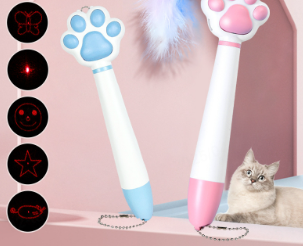
Types of Virtual Pet Toys
Handheld Virtual Pet Toys
These are typically small electronic devices that fit in the palm of your hand. Classic examples include Tamagotchi and the ASUS VirtualPet. Users can care for virtual pets by feeding, cleaning, and playing with them through simple button operations or touchscreens. These devices are portable and easy to carry, making them ideal for children and teenagers.
Mobile App-Based Virtual Pet Toys
With the widespread use of smartphones and tablets, mobile app-based virtual pet toys have gained significant popularity. Apps like My Talking Tom & Friends allow users to interact with virtual pets on their mobile devices. These apps often feature rich gameplay, such as unlocking new pets, earning rewards, and socializing with friends within the app. Their convenience and diverse functionalities attract users of all ages.
Smart Home Virtual Pet Toys
Integrating with smart home systems, these virtual pet toys offer a more immersive experience. For instance, some virtual pets can interact with smart speakers or display lifelike movements on smart TV screens. They can even respond to home environment changes, such as adjusting their behavior based on lighting or temperature, creating a deeper sense of interaction.
Wearable Virtual Pet Toys
Wearable virtual pet toys, such as smartwatches with virtual pet features, combine fashion with functionality. Users can interact with virtual pets while monitoring their physical activity. For example, achieving step goals might reward users with virtual pet food or toys, encouraging a healthy lifestyle while enjoying the companionship of a virtual pet.
Benefits of Virtual Pet Toys
Educational Value
Virtual pet toys can teach children about responsibility and empathy. By caring for virtual pets, children learn the importance of feeding, cleaning, and nurturing living beings. Some virtual pet toys incorporate educational elements, such as teaching children about animal habits or ecosystems, fostering their interest in learning.
Social Interaction Skills
Interacting with virtual pets can help children develop social skills. For instance, virtual pets that simulate emotional responses can teach children to recognize and respond to emotions. This is particularly beneficial for children with autism spectrum disorders, as virtual pets provide a safe and controlled environment to practice social interactions.
Stress Relief
Caring for virtual pets can be a therapeutic activity. The repetitive and predictable nature of feeding and playing with virtual pets can help reduce stress and anxiety. For busy adults, taking care of a virtual pet during breaks can serve as a moment of relaxation and mental respite.
How to Choose the Right Virtual Pet Toy
Age Appropriateness
Select a virtual pet toy suitable for the user’s age. For young children, opt for toys with simple operations and cartoonish designs, such as handheld virtual pet toys. For teenagers and adults, mobile app-based or smart home virtual pet toys with complex gameplay and interactive features may be more appealing.
Interactivity
Consider the level of interactivity the virtual pet toy offers. If you seek a deep emotional connection, choose toys with advanced AI capabilities that can understand and respond to user emotions. For those who prioritize entertainment, toys with diverse games and activities may be more suitable.
Technical Requirements
Ensure your devices meet the technical requirements of the virtual pet toy. Mobile app-based toys require compatible smartphones or tablets, while smart home toys may need smart home systems or specific smart devices. Check the system requirements and compatibility before purchasing.
Budget
Virtual pet toys vary in price. Basic handheld devices are relatively affordable, while smart home and wearable virtual pet toys may come at higher costs. Set a budget that balances quality and affordability to find a toy that suits your financial situation.
Popular Virtual Pet Toy Brands and Products
Tamagotchi
Tamagotchi is a classic handheld virtual pet toy that has stood the test of time. Users care for a small virtual creature by feeding, cleaning, and playing with it. Its simple yet addictive gameplay has made it a favorite among generations of users.
My Talking Tom & Friends
This mobile app features the lovable character Tom and his friends. Users can interact with Tom by touching the screen, feeding him, playing games, and even chatting with him. The app’s rich content and social features make it popular among children and adults alike.
ASUS VirtualPet
ASUS VirtualPet is a virtual pet toy developed by ASUS. It allows users to interact with virtual pets through voice commands and gestures. The pets exhibit lifelike behaviors and can even accompany users during video calls, adding a fun element to digital interactions.
PikoPet
PikoPet is a smart home virtual pet toy that integrates with smart speakers. Users can interact with virtual pets via voice commands, feeding them or playing games. It also supports multiple users, making it a great choice for family entertainment.

Maintenance and Care for Virtual Pet Toys
Regular Software Updates
For app-based or smart device virtual pet toys, keeping the software updated is crucial. Developers often release updates to enhance features and fix bugs. Enable automatic updates or check for updates regularly to ensure optimal performance of your virtual pet toy.
Device Maintenance
If your virtual pet toy is a physical device, keep it clean and well-maintained. Avoid exposing it to water or excessive moisture, and store it in a dry, cool place. For wearable devices, follow the manufacturer’s instructions for battery care and maintenance.
Account Security
Some virtual pet toys require creating an account to save progress or sync data across devices. Protect your account information by using strong passwords and enabling two-factor authentication. Avoid sharing your account with others to prevent data loss or misuse.
Conclusion
Virtual pet toys offer a unique blend of technology and entertainment, providing users with companionship, emotional support, and fun. By understanding the different types of virtual pet toys and their benefits, and selecting the right one based on age, interactivity, and technical requirements, you can find the perfect virtual pet toy to enhance your or your loved one’s life. Whether for educational purposes, stress relief, or pure enjoyment, virtual pet toys are sure to bring joy and companionship.
How to Purchase:https://looperbuy.com/search?keywords=virtual+pet+toy
Q&A
What ages are suitable for virtual pet toys?
Virtual pet toys cater to a wide age range. Handheld devices like Tamagotchi are suitable for children aged 6 and above, while mobile app-based toys appeal to all ages. Smart home and wearable virtual pet toys are more suited for teenagers and adults.
Do virtual pet toys require internet connectivity?
Some virtual pet toys, particularly mobile app-based and smart home toys, require internet connectivity to sync data or access cloud features. Handheld devices typically do not need internet access. Check the product specifications before purchasing.
Can virtual pet toys help children develop responsibility?
Yes, virtual pet toys can teach children about responsibility through tasks like feeding and cleaning. They also foster empathy and understanding of living beings’ needs, especially for children who are not yet ready for real pets.
Are virtual pet toys expensive?
Prices vary depending on the type and features. Basic handheld virtual pet toys are relatively affordable, ranging from $10 to $50. Mobile app-based toys often offer free or low-cost options with in-app purchases. Smart home and wearable virtual pet toys may cost more, ranging from $50 to $200.
Can virtual pet toys interact with real pets?
Currently, most virtual pet toys cannot directly interact with real pets. However, some advanced toys use motion sensing and other technologies to respond to real-world movements, creating an indirect interaction experience.