Learn how to get your product into retail stores with less risk, from refining retail‑ready products and crafting buyer‑friendly pitches to using B2B sourcing and dropship partners from China to streamline logistics and protect margins across global channels.
Table of Contents
From Warehouse Shelves to Retail Displays
Getting your product from wholesale cartons into retail shelves is one of the most important growth milestones for any brand owner, distributor, or sourcing manager. It unlocks larger order volumes, stronger brand visibility, and direct feedback from real shoppers—but it also exposes your supply chain, pricing, and packaging to much closer scrutiny.
From my work with global buyers sourcing from China and with retail chains rolling out new SKUs, I’ve seen that the brands who grow fastest are not just “better at sales.” They build retail‑ready products, design buyer‑friendly offers, and use modern B2B sourcing and dropship models to reduce inventory risk and logistics costs. This guide combines that practical experience with proven industry best practices so you can approach retailers with confidence and a clear plan.
Why Getting Into Retail Still Matters in an Omnichannel World
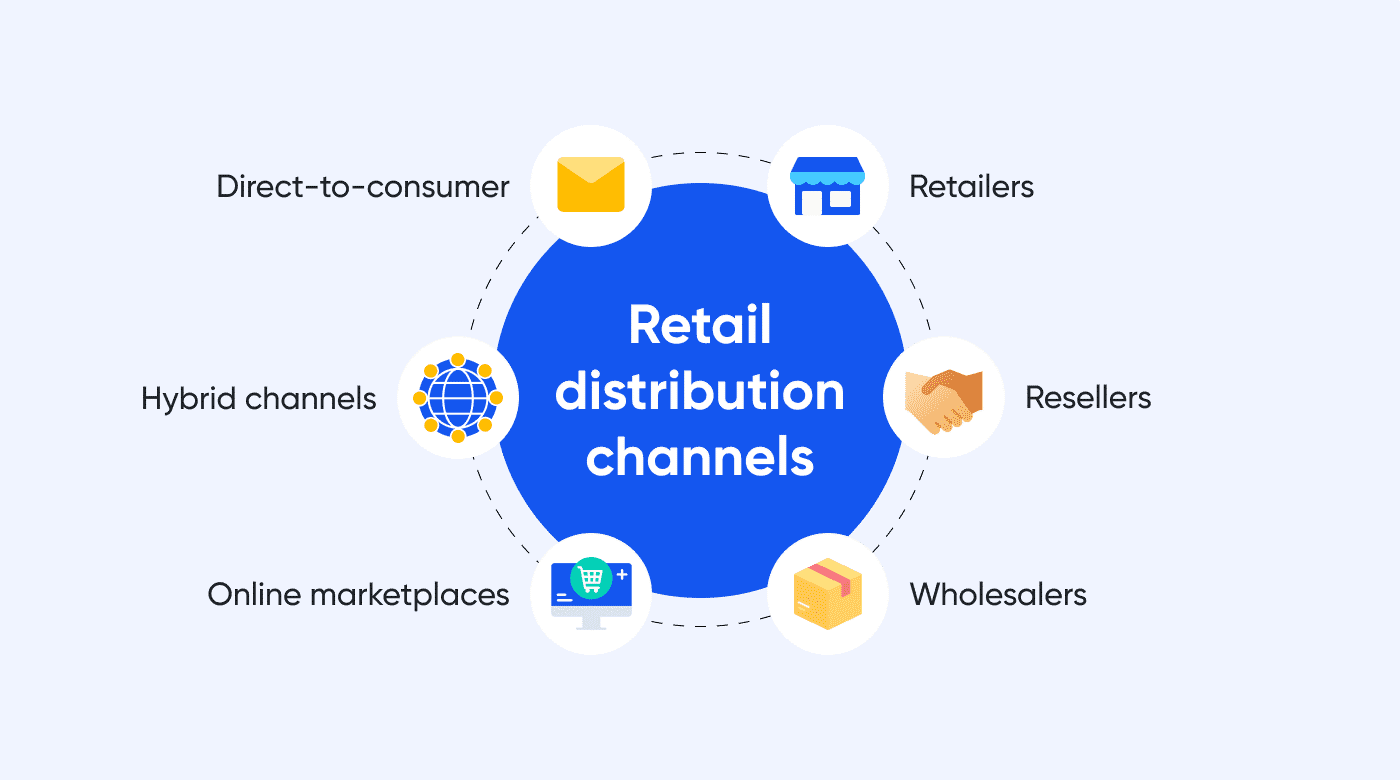
Retail shelves—offline and online—remain powerful growth engines even in a world dominated by marketplaces and direct‑to‑consumer channels. [shopify]
Key advantages of adding retail distribution to your existing wholesale or online business include:
– Expanded market reach via store foot traffic, national chains, and established e‑commerce retailers. [shopify]
– Stronger brand credibility, because shoppers trust items that appear in well‑known stores or curated platforms. [homevolutionchina]
– More direct consumer insight from sell‑through data, returns, and category manager feedback.
– The ability to test new SKUs in select retailers before scaling globally, reducing the cost of failure. [shopify]
For global brands sourcing in China, working with a reliable B2B procurement and dropship partner like Looperbuy can make this transition far less risky by handling supplier vetting, consolidation, and cross‑border logistics while you focus on product and retail relationships. [linkedin]
Is Your Product Truly Retail‑Ready?
Before you email a single retail buyer, you need brutal honesty about whether your product would survive on a crowded shelf next to more established competitors.
Retail‑Ready Product Criteria
From a retail buyer’s perspective, a product is “ready” when it meets the following minimum criteria:
– Professional packaging with clear branding, legal labeling, and shelf impact.
– Consistent quality control with documented standards and repeatable production. [kruse]
– Clear positioning: what problem it solves, for whom, and at what price tier.
– Reliable supply capability and realistic lead times that match the retailer’s calendar. [kruse]
If any of these points are weak, improve them before you pitch; retailers rarely give second chances once a launch disappoints.
Refining Your Product Offer for Retail Buyers
You can treat the retail‑readiness process as a structured refinement project.
Focus on:
– Consumer‑centric design – simplify usage, upgrade ergonomics, and test with real users for clarity and appeal.
– Packaging upgrades – use bolder colors, clearer claims, and retail‑standard barcodes; consider eco‑friendly materials where viable.
– Feature enhancements – add one or two meaningful improvements that clearly differentiate you on the shelf.
– Cost‑effective production – streamline manufacturing so you can offer competitive wholesale prices without eroding margins. [shipfusion]
Understanding Retail Buyer Needs Before You Pitch
Retail buyers are not looking for “interesting products”; they are responsible for category performance and margin health.
What Retail Buyers Actually Care About
Across electronics, home goods, and FMCG categories, buyers tend to prioritize:
– Category fit – does your product strengthen their existing assortment or fill a profitable gap?
– Proven or probable demand – is there data, trend evidence, or comparable products to justify the risk? [shopify]
– Margin structure – do your wholesale prices allow them to hit target markups and promotions comfortably? [shipfusion]
– Operational reliability – can you ship on time, in full, and maintain consistent quality at scale? [kruse]
If you address each of these points in your pitch, you move from “another supplier email” to “a serious proposal” in the buyer’s inbox.
Building a Retail Strategy Around the Right Stores
Not every retailer is right for your first launch.
A practical approach is:
1. Define your core shopper (age, price sensitivity, usage scenario).
2. Map retailers whose customers match that profile, online and offline.
3. Prioritize stores where your product complements existing SKUs rather than fights established leaders head‑on.
4. Consider regional chains or specialty stores as pilot partners before approaching national banners. [shopify]
Crafting a Pitch Retail Buyers Will Actually Read
Once your product and target list are ready, your pitch becomes the bridge between your warehouse and their shelves.
Essential Elements of a High‑Impact Retail Pitch Email
A strong pitch to a retail buyer should include:
– A clear subject line (e.g., “New eco‑friendly kitchen tool with 45% margin for [Retailer Name]”).
– A concise elevator paragraph summarizing product, category, and key benefit.
– Bullet points on unique selling points, expected retail price, and margin range. [shipfusion]
– Short proof points: sales from online channels, repeat order rates, or relevant market trends. [shopify]
– A link to a simple product deck or digital catalog, plus the offer to send samples.
Avoid long stories; buyers skim for fit, numbers, and risk reduction. The narrative depth belongs in your attachment or during the meeting.
Presenting Your Product in Buyer Meetings
When you secure a meeting—online or in person—shift from persuasion to clarity.
Highlight:
– Merchandising potential: how the product will look on shelf, what displays or bundles you can support.
– Quantitative upside: expected sell‑through, promotional calendar ideas, and how you will help drive foot traffic.
– Operational readiness: lead times, minimum order quantities (MOQs), and your ability to respond to reorders quickly. [kruse]
Pricing, Margin, and Win‑Win Negotiation
Your pricing structure must work simultaneously for you, your supplier, and the retailer. [shipfusion]
Understanding Margin Requirements
Typical retail negotiations revolve around:
– Wholesale price (ex‑works or landed) – your selling price to the retailer.
– Recommended retail price (RRP) – what consumers will pay on shelf or online.
– Target gross margin – often 30–60% depending on category and channel. [shipfusion]
Before you propose numbers, model your cost breakdown (product, packaging, freight, duties, marketing support) and decide your minimum acceptable margin. Retailers appreciate suppliers who arrive with realistic, data‑backed pricing rather than optimistic guesses.
Contract Terms You Must Understand
Retail contracts can be intimidating, but most agreements revolve around a few key areas.
Pay close attention to:
– Payment terms (e.g., Net 30/60/90, or consignment arrangements).
– Chargebacks for late deliveries or quality issues, especially with large chains. [shopify]
– Return policies, damaged goods handling, and promotional support expectations.
– Any exclusivity clauses by region, channel, or product line.
When in doubt, consult a commercial lawyer or experienced agent to review the agreement before signing.
Logistics, Inventory, and Dropship Models That Retailers Trust
Beautiful packaging and strong pitches fail quickly if your supply chain cannot support real‑world demand.
Inventory Management for Retail Reliability
Effective retail partnerships depend on continuous, predictable supply.
Practical steps include:
– Demand forecasting using historical data, category trends, and seasonal patterns. [kruse]
– Safety stock buffers for peak seasons or promotions.
– Centralized inventory visibility across warehouses and channels to avoid overselling.
– Automated reorder rules or EDI connections so stock replenishment happens before shelves go empty. [kruse]
Using B2B Dropshipping and China Sourcing Partners to Reduce Risk
If you are sourcing from China or operating multiple channels, working with a professional B2B procurement and dropship partner greatly reduces complexity. [linkedin]
With a specialized platform like Looperbuy, brands and retailers can:
– Access vetted manufacturers and wholesalers with export experience and documentation ready.
– Combine mixed SKUs from several suppliers into consolidated shipments, lowering freight and handling. [homevolutionchina]
– Use dropship or just‑in‑time models to ship directly to retailers or end customers, reducing warehousing costs.
– Delegate quality inspections, compliance checks, and logistics coordination to an expert team. [homevolutionchina]
This approach is especially valuable for fast‑moving consumer goods, seasonal items, and new product tests where you want to avoid heavy upfront inventory commitments.
Maintaining and Scaling Retail Relationships
Getting into a retailer is only the starting line; staying and expanding is the real victory.
Collaborative Marketing With Retailers
Retailers respond well to suppliers who invest in category growth, not just shipments.
Offer:
– Co‑branded campaigns or banner placements on their website.
– In‑store displays, sampling days, or seasonal bundles.
– Digital assets (images, video clips, product copy) ready for their e‑commerce listings. [shopify]
The more you help their shoppers discover and understand your product, the more likely you are to secure reorders and broader distribution.
Using Feedback Loops to Improve the Product
Treat each retail launch as a structured learning cycle.
Capture:
– Weekly or monthly sell‑through data, noting price points and promo periods.
– Shopper reviews and return reasons from online listings or store reports.
– Buyer feedback on packaging, margin, and operational performance.
Use these insights to adjust formula, sizing, or packaging, then share updated plans with your retail partners. Demonstrating continuous improvement strengthens your reputation as a reliable, long‑term supplier.
Practical Action Plan to Get Your Product Into Retail Stores
To turn this overview into concrete action, follow a simple step‑by‑step roadmap grounded in proven practice.
Step‑By‑Step Checklist
1. Audit retail‑readiness – packaging, compliance, positioning, and supply capabilities.
2. Research and shortlist target retailers aligned with your core customer.
3. Refine your product offer and margin structure, including clear wholesale and retail prices. [shipfusion]
4. Prepare pitch materials: short email template, product deck, high‑quality visuals, basic sales data.
5. Start outreach via trade shows, industry events, targeted email, and professional networks. [thrivemetrics]
6. Negotiate terms, align promotional calendars, and lock in initial orders.
7. Set up robust inventory management and logistics flows—using B2B sourcing and dropship partners where helpful. [kruse]
8. Launch, monitor performance closely, and iterate based on feedback and data.
FAQs
Q1: How can a small brand convince retailers to take a chance on a new product?
Focus on proof of demand (online sales, repeat orders, or market trend data) and a clean, low‑risk offer—reasonable MOQs, strong margins, and marketing support. Retailers are much more open to new brands when you show that you understand their constraints and share the commercial risk intelligently. [shopify]
Q2: What is the most common reason retail pitches fail?
Most failed pitches either ignore category fit or underestimate margin requirements. If your product does not clearly strengthen the retailer’s existing assortment or if your numbers don’t work for their business model, even a great design will struggle to get listed. [shipfusion]
Q3: How many retailers should I approach at the start?
For a first retail rollout, it is usually better to focus on a short, well‑researched list of priority retailers instead of mass outreach. This allows you to customize pitches, learn from early feedback, and refine your offer before scaling to larger or international chains.
Q4: When does using a dropship or sourcing partner make the most sense?
Dropship and sourcing partners are especially valuable when you are sourcing from multiple Chinese suppliers, testing new SKUs, or selling across several channels without a large in‑house logistics team. They reduce operational risk and free you to focus on product development and retail relationships. [linkedin]
Q5: How long does it typically take to go from first contact to being on shelf?
Timelines vary widely by category and retailer, but it often takes several months from first contact to a confirmed listing and initial shipment. Building realistic expectations and planning your cash flow around this lead time is critical, especially for smaller brands. [shopify]
References
1. Global Sources. “The Blueprint for Pitching Your Wholesale Product to Retail Stores.” [Link]
2. Shopify. “How to Build a Retail Distribution Strategy (2026 Guide).” [shopify]
3. Shipfusion. “8 Types of Wholesale Distribution Models.” [shipfusion]
4. Kruse. “Extensive Global Distribution Network.” [kruse]
5. HomeVolution China. “B2B Sourcing Platforms 2026: Alibaba, YiwuGo, Temu & More.” [homevolutionchina]
6. RetailChina.pro launch overview (LinkedIn post).[linkedin]
7. Thrivemetrics. “Selling Wholesale to Retailers in 5 Simple Steps.” [thrivemetrics]