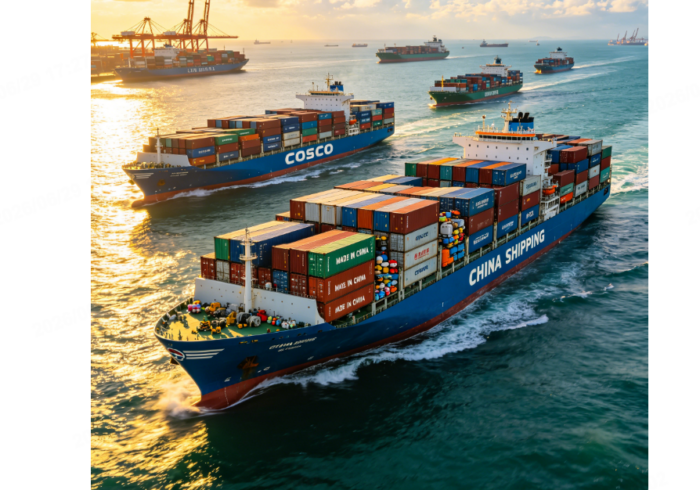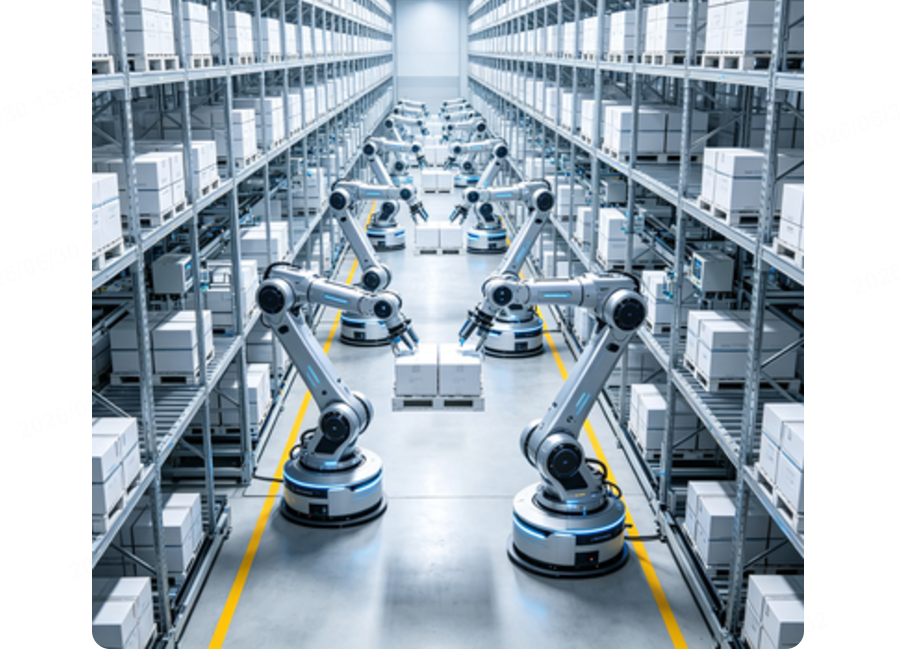
As a B2B sourcing and supply chain strategist with over 15 years of experience helping international brand owners, wholesalers, and manufacturers optimize their global procurement operations, I’ve watched the warehouse evolve from a simple storage facility into the nerve center of the entire supply chain. And at the heart of this transformation lies one critical capability: integrated warehouse management.
The global warehouse management system (WMS) market was estimated at USD 3.38 billion in 2025 and is projected to reach USD 15.95 billion by 2033, growing at a CAGR of 21.9%. This explosive growth reflects a fundamental truth: integrated warehouse management is no longer a luxury for enterprise-level operations—it’s a competitive necessity for B2B buyers of every size.
But what does integrated warehouse management actually mean for B2B buyers sourcing from China? And how can LooperBuy—a leading One-Stop B2B Sourcing Platform—help you harness its power without the complexity and cost of implementing a standalone WMS?
In this guide, grounded in Google’s E-E-A-T standards, I’ll explain why integrated warehouse management is the missing link in most B2B sourcing strategies, how it solves the critical pain points that plague cross-border procurement, and why LooperBuy’s platform approach delivers the benefits of integration without the headaches.
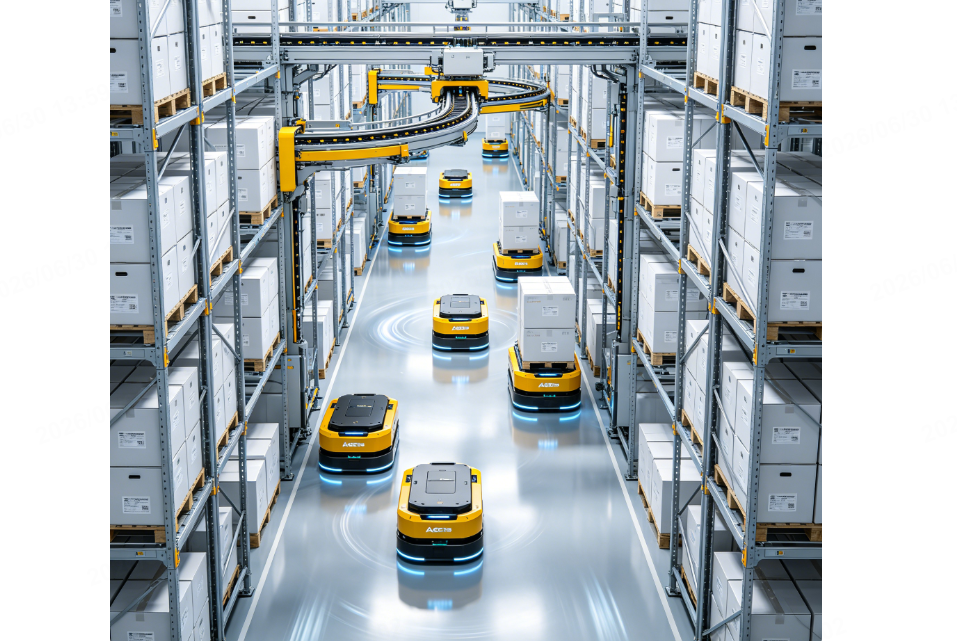
Table of Contents
What Is Integrated Warehouse Management and Why Does It Matter?
Integrated warehouse management is the practice of connecting your warehouse operations—receiving, put-away, storage, picking, packing, and shipping—with the broader systems that drive your business: procurement, inventory management, order management, transportation, and finance.
In practical terms, integrated warehouse management means that when a container arrives from your Chinese supplier, the system automatically:
- Updates your inventory counts in real time
- Triggers put-away instructions for warehouse staff
- Updates your order management system with available stock
- Syncs with your financial system for accurate costing
- Generates replenishment alerts when stock falls below thresholds
Modern WMS solutions are evolving from mere transaction recorders to the indispensable brains of supply chain execution. The lines between WMS, transportation management systems (TMS), and order management systems (OMS) are blurring—and for good reason. As one industry expert puts it: “Having all these systems on the same platform not only yields obvious benefits, such as improved user experience and streamlined application integration management, but also starts to blur the lines between these systems”.
Key Insight: The most successful B2B buyers don’t treat warehouse management as an isolated function. They treat it as an integrated component of their end-to-end supply chain—and they choose sourcing partners who enable that integration.
The 5 Critical Benefits of Integrated Warehouse Management for B2B Buyers
If you’re sourcing from China and distributing to Amazon FBA, your own warehouses, or directly to clients, integrated warehouse management delivers five transformative benefits:
1. Real-Time Inventory Accuracy
Disconnected systems create inventory blind spots. Without integrated warehouse management, you’re guessing—and guessing leads to stockouts, overselling, and lost revenue.
Studies show that implementing integrated WMS technology can deliver up to 80% improvement in inventory accuracy and a 20% reduction in operating costs. One manufacturing client achieved a 3% reduction in inventory losses and 2% working capital savings through automated FIFO/FMFO inventory management.
2. Faster, More Accurate Order Fulfillment
When your warehouse systems are integrated with your order management and logistics systems, orders flow seamlessly from receipt to shipment. Research has demonstrated that integrated warehouse solutions can achieve a 78% reduction in processing time per order and a 94% decrease in error rates relative to manual operations.
3. End-to-End Supply Chain Visibility
Integrated warehouse management gives you a single source of truth for inventory across your entire supply chain. As industry experts note, a modern WMS can become “the control center as data from the full range of supply chain activities flows into the system, giving managers a big-picture view from a single pane of glass”. This visibility is essential for B2B buyers managing multiple suppliers, multiple warehouses, and multiple sales channels.
4. Reduced Labor Costs and Operational Waste
Manual warehouse processes are expensive and error-prone. Integrated warehouse management automates routine tasks, eliminates redundant data entry, and enables warehouse staff to focus on higher-value activities. Organizations typically see payback on WMS investments within 6 to 24 months, followed by ongoing reductions in operating costs.
5. Seamless Integration with Procurement and Logistics
For B2B buyers, the real power of integrated warehouse management comes from connecting warehouse operations with procurement and logistics. When your sourcing platform, warehouse systems, and shipping carriers are integrated, you get:
- Automatic replenishment triggered by real-time stock levels
- Consolidated shipping that reduces freight costs
- Proactive exception alerts that prevent delays
- Accurate landed cost calculations for every product
The Sourcing Pain Points That Integrated Warehouse Management Solves
Without integrated warehouse management, B2B buyers face the same recurring nightmares. Here’s how integration transforms each one:
Fragmented Systems, Fragmented Visibility: Traditional B2B buyers juggle separate systems for procurement, inventory, and logistics—creating data silos that make it impossible to get a clear picture of their supply chain. Integrated warehouse management consolidates everything into a unified view.
Manual Replenishment and Stockouts: Without integration, replenishment is a manual, reactive process. Integrated warehouse management enables automated replenishment—triggering purchase orders when stock falls below thresholds, before stockouts occur.
Inaccurate Landed Cost Calculations: Hidden costs—shipping, duties, warehouse fees—erode margins when they’re not tracked. Integrated warehouse management captures all costs in real time, giving you accurate landed costs for every product.
Disconnected Supplier and Logistics Coordination: When your warehouse systems don’t talk to your suppliers or carriers, delays and miscommunications are inevitable. Integrated warehouse management creates a connected ecosystem where everyone operates from the same data.
How LooperBuy Delivers Integrated Warehouse Management Without the Complexity
Here’s the reality: most B2B buyers don’t have the resources to implement and maintain a standalone WMS. The costs, complexity, and integration challenges are prohibitive—especially for small and medium-sized businesses.
LooperBuy solves this problem by building integrated warehouse management capabilities directly into our One-Stop B2B Sourcing Platform.
Founded in 2024, LooperBuy is a global B2B sourcing platform that connects international buyers with vetted Chinese suppliers from 1688.com. Our platform is designed to lower the barriers to global supply chain services and reduce operating costs for overseas中小微 businesses.
Here’s how LooperBuy delivers the benefits of integrated warehouse management without the overhead:
Unified Platform, Not Fragmented Systems
Instead of juggling separate procurement, inventory, and logistics systems, LooperBuy provides a single platform where you can:
- Source products from 10,000+ vetted Chinese suppliers across 50+ B2B categories
- Track inventory in real time across your entire supply chain
- Manage orders, shipments, and warehouse receipts in one place
- Access integrated logistics with 24/7 real-time tracking
Cloud Inventory and Warehouse Coordination
LooperBuy implements a cloud inventory approach that coordinates with the warehousing systems of manufacturers, distributors, and resellers. This means you don’t need to implement your own WMS—LooperBuy’s platform handles the integration for you.
End-to-End Visibility from Factory to Warehouse
With LooperBuy, integrated warehouse management starts at the factory. You receive:
- Real-time production updates from your Chinese suppliers
- Pre-shipment quality inspection reports
- Live logistics tracking from factory to warehouse
- Automated inventory updates upon delivery
Seamless Integration with Your Existing Systems
LooperBuy’s platform is designed for integration. Connect your existing ERP, inventory management, or order management systems via API—enabling seamless data flow between your systems and LooperBuy’s platform.
Real-World Impact: How Integrated Warehouse Management Transforms B2B Operations
To illustrate the transformative power of integrated warehouse management, consider the results achieved by organizations that have embraced integration:
A manufacturing enterprise that implemented an integrated digital WMS solution achieved a 3% reduction in inventory losses and 2% working capital savings through automated FIFO/FMFO inventory management. Human error in order fulfillment was drastically reduced, and warehouse teams benefited from improved transparency.
A company transitioning from manual to barcode-enabled WMS achieved an 80% improvement in inventory accuracy, a 20% reduction in operating costs, and more efficient utilization of warehouse space. Enhanced inventory control minimized stock discrepancies and enabled employees to focus on higher-value activities.
Research on integrated inventory optimization shows that multi-echelon coordination yields a pooled mean cost reduction of 11.4%, increasing significantly with network complexity and lead-time variability.
For B2B buyers on LooperBuy, the impact is equally tangible:
- Reduced safety stock through accurate, real-time inventory visibility
- Lower logistics costs through consolidated shipping and optimized routing
- Fewer stockouts through automated replenishment triggered by integrated systems
- Improved client satisfaction through reliable, on-time deliveries
The Future of Integrated Warehouse Management: AI and Automation
The WMS market is evolving rapidly. According to ARC’s 2026 analysis, automation is no longer an add-on—it is a central requirement shaping WMS development. Systems must integrate with robotics, autonomous mobile robots (AMRs), and material handling equipment while balancing human and machine workflows.
AI is increasingly embedded into WMS platforms to support predictive analytics, dynamic slotting, and operational decision-making. By 2026, AI in warehousing will be pragmatic: predicting labor by zone, recommending slotting changes, and detecting anomalies in cycle counts.
For B2B buyers, this means that integrated warehouse management will become even more powerful—and even more essential. The platforms that succeed will be those that make integration seamless, accessible, and affordable for businesses of every size.
LooperBuy is positioned at the forefront of this trend. By building integrated warehouse management capabilities into our sourcing platform, we’re making the benefits of integration available to B2B buyers who would otherwise be locked out by cost and complexity.
Call to Action: Integrate Your Warehouse Management Today
The global B2B supply chain is more complex than ever—and the buyers who win are those who embrace integrated warehouse management to eliminate data silos, reduce costs, and scale effortlessly. Integrated warehouse management isn’t just about managing your warehouse—it’s about building a connected, resilient supply chain that delivers on its promises.
LooperBuy is your trusted one-stop partner for sourcing from China with integrated warehouse management built right in. Whether you’re sourcing industrial components, consumer goods, or raw materials, LooperBuy gives you the visibility, control, and integration you need to succeed.
We make integrated warehouse management simple, accessible, and profitable—so you can focus on growing your business, not wrestling with disconnected systems.
Sign up for LooperBuy today to unlock your free account, access our vetted Chinese supplier network, and experience the power of integrated warehouse management from factory to delivery. Our dedicated B2B support team will guide you through every step, and we offer a 100% risk-free trial for new users—no upfront costs, no commitments, just seamless supply chain integration.
Frequently Asked Questions (FAQ)
1. What is integrated warehouse management?
Integrated warehouse management is the practice of connecting warehouse operations—receiving, put-away, storage, picking, packing, and shipping—with the broader systems that drive your business, including procurement, inventory management, order management, transportation, and finance. It creates a single source of truth for your entire supply chain.
2. Why is integrated warehouse management important for B2B buyers sourcing from China?
B2B buyers sourcing from China face complex supply chains with long lead times, multiple suppliers, and cross-border logistics. Integrated warehouse management provides real-time visibility into inventory, enables automated replenishment, reduces stockouts, and ensures accurate landed cost calculations—all essential for profitable cross-border sourcing.
3. How does LooperBuy support integrated warehouse management?
LooperBuy’s One-Stop B2B Sourcing Platform includes cloud-based inventory coordination, real-time shipment tracking, automated replenishment, and seamless integration with your existing ERP or inventory systems. You get the benefits of integrated warehouse management without the cost and complexity of implementing a standalone WMS.
4. What are the measurable benefits of integrated warehouse management?
Organizations implementing integrated warehouse management typically achieve 80% improvement in inventory accuracy, 20% reduction in operating costs, 78% reduction in processing time per order, and 94% decrease in error rates. ROI is typically achieved within 6-24 months.
5. Is integrated warehouse management suitable for small and medium-sized B2B businesses?
Absolutely. LooperBuy’s platform approach makes integrated warehouse management accessible to businesses of every size. You don’t need to invest in expensive WMS software or IT infrastructure—LooperBuy handles the integration for you.
6. How does integrated warehouse management integrate with Amazon FBA?
Integrated warehouse management ensures your inventory levels are accurate and up-to-date, enabling you to send the right quantities to Amazon FBA at the right time. Real-time visibility prevents stockouts and overselling, while automated replenishment ensures you never miss Amazon’s peak season inventory cutoffs.
References
- LooperBuy. (2026). Supplies Business: A B2B Expert’s Guide to Sourcing Chinese Goods Globally with LooperBuy. Retrieved from https://blog.looperbuy.com/supplies-business-a-b2b-experts-guide-to-sourcing-chinese-goods-globally-with-looperbuy.html
- Grand View Research. (2026). Warehouse Management System Market Size, Share & Trends Analysis Report, 2026-2033. Retrieved from https://www.giiresearch.com
- Research and Markets. (2026). Warehouse Management System Market – Global Forecast 2026-2032
- Tarudin, N. F., Latif, A. A., & Adlan, M. A. A. (2025). Leveraging WMS Barcode Technology for Enhanced Inventory Performance and Cost Efficiency. International Journal of Research and Innovation in Social Science, 9(14), 2155-2165
- Sutherland Global. (2026). Manufacturing Enterprise Improves Efficiency with Warehouse Management System Automation. Retrieved from https://www.sutherlandglobal.com
- ScienceDirect. (2025). Integrating Automation and Blockchain: A Scalable Solution for Modern Warehouse Management
- ARC Advisory Group. (2026). The Digital Backbone of the Warehouse: Trends Shaping the 2026 WMS Market. Retrieved from https://www.arcweb.com
- Inbound Logistics. (2025). WMS 2025: Boosting Operations & the Future Warehouse. Retrieved from https://www.inboundlogistics.com
- SupplyChain247. (2025). Why Supply Chain Management Software Is Key to Warehouse Automation. Retrieved from https://www.supplychain247.com
- Cleverence. (2026). Guide to Supply Chain Warehouse Management Software: Features, Integration, ROI
Article Summary (300 characters): This expert guide explains why integrated warehouse management is the missing link in most B2B sourcing strategies. Learn how LooperBuy’s one-stop platform delivers real-time inventory visibility, automated replenishment, and seamless supply chain integration—without the cost and complexity of standalone WMS software.
Hot Tags
integrated warehouse management, B2B warehouse management, LooperBuy sourcing platform, WMS integration B2B, supply chain visibility, inventory management automation, Chinese suppliers warehouse integration, B2B logistics management, cloud inventory management, cross-border supply chain integration