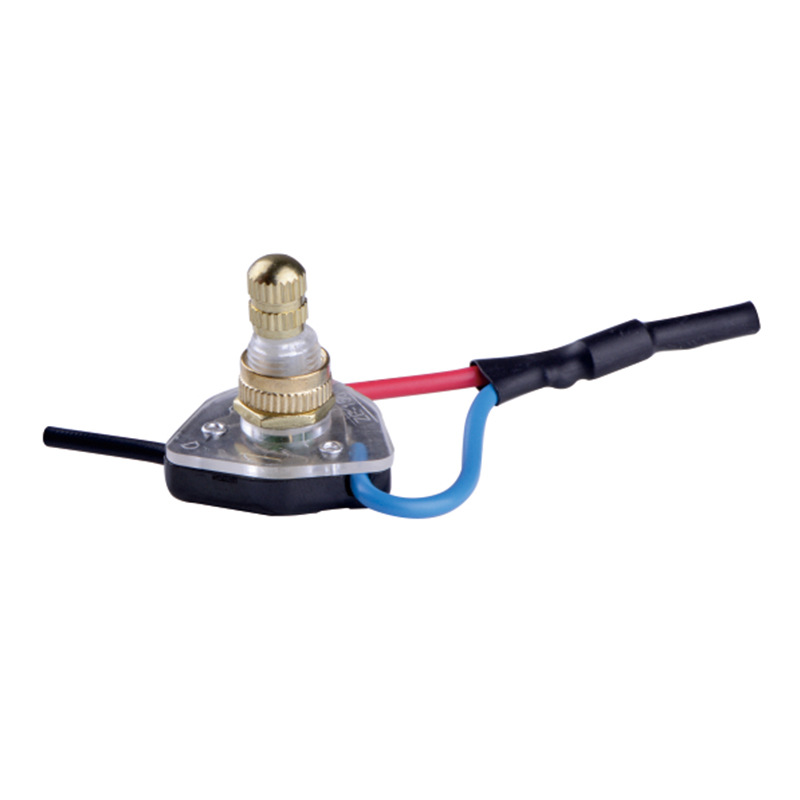
In the realm of home and automotive cooling systems, electric fan temperature switches play a crucial role in maintaining optimal temperatures. These devices ensure that fans operate efficiently, preventing overheating and enhancing comfort. This article will delve into the functionality, types, installation, and maintenance of electric fan temperature switches, providing a comprehensive understanding of their importance.
Table of Contents
Understanding Electric Fan Temperature Switches
What is an Electric Fan Temperature Switch?
An electric fan temperature switch is a device that automatically controls the operation of an electric fan based on the temperature of the engine coolant or ambient air. When the temperature reaches a predetermined level, the switch activates the fan, helping to cool the engine or space. This automatic regulation is essential for preventing overheating and ensuring efficient operation.
How Does It Work?
The electric fan temperature switch operates using a simple mechanism. It contains a temperature-sensitive sensor that detects the temperature of the coolant or air. When the temperature exceeds a specific threshold, the switch closes the circuit, allowing electricity to flow to the fan and activating it. Once the temperature drops below the set point, the switch opens the circuit, turning off the fan.
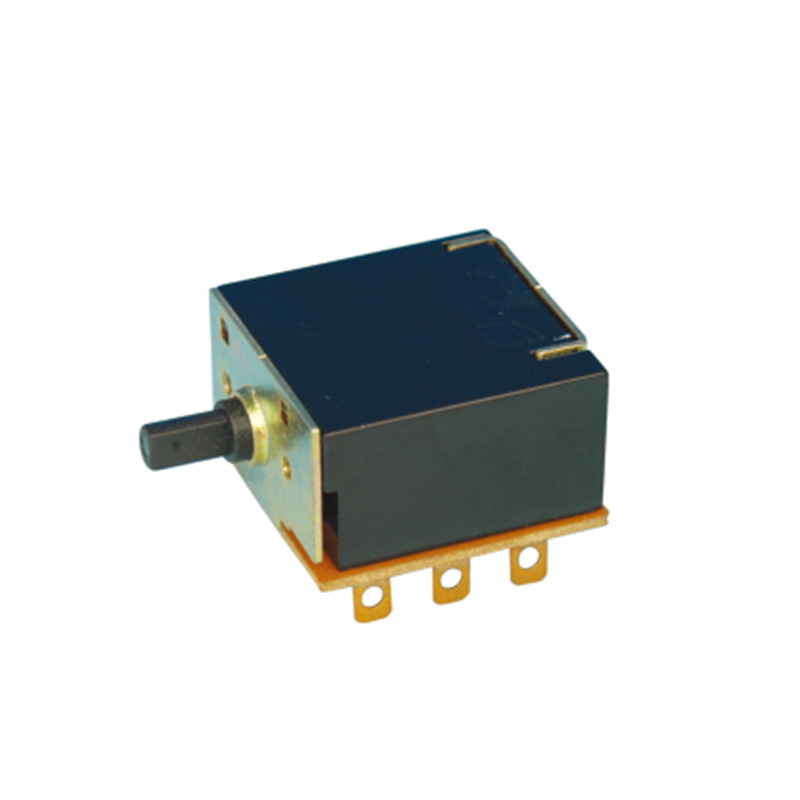
Benefits of Electric Fan Temperature Switches
Enhanced Cooling Efficiency
One of the primary benefits of electric fan temperature switches is their ability to enhance cooling efficiency. By automatically regulating the fan’s operation, these switches ensure that the fan runs only when necessary, preventing excessive energy consumption and prolonging the life of the fan.
Prevention of Overheating
Overheating can lead to severe damage in both automotive and home cooling systems. Electric fan temperature switches help prevent this by ensuring that the fan activates at the right time, maintaining optimal temperatures and protecting critical components.
Improved Comfort
In home cooling systems, electric fan temperature switches contribute to improved comfort by ensuring that fans operate efficiently. This results in a more consistent temperature throughout the space, enhancing the overall comfort level for occupants.
Cost-Effectiveness
By optimizing fan operation, electric fan temperature switches can lead to cost savings on energy bills. Efficient cooling reduces the workload on air conditioning systems, ultimately lowering energy consumption and costs.
Types of Electric Fan Temperature Switches
Mechanical Switches
Mechanical electric fan temperature switches use a bimetallic strip or a thermocouple to detect temperature changes. As the temperature rises, the strip bends, closing the circuit and activating the fan. These switches are reliable and commonly used in various applications, including automotive cooling systems.
Electronic Switches
Electronic electric fan temperature switches utilize semiconductor sensors to detect temperature. These switches offer greater precision and faster response times compared to mechanical switches. They are often used in modern vehicles and advanced cooling systems, providing enhanced control over fan operation.
Adjustable Switches
Some electric fan temperature switches come with adjustable settings, allowing users to customize the temperature at which the fan activates. This feature is particularly useful for those who want to fine-tune their cooling systems for specific conditions or preferences.
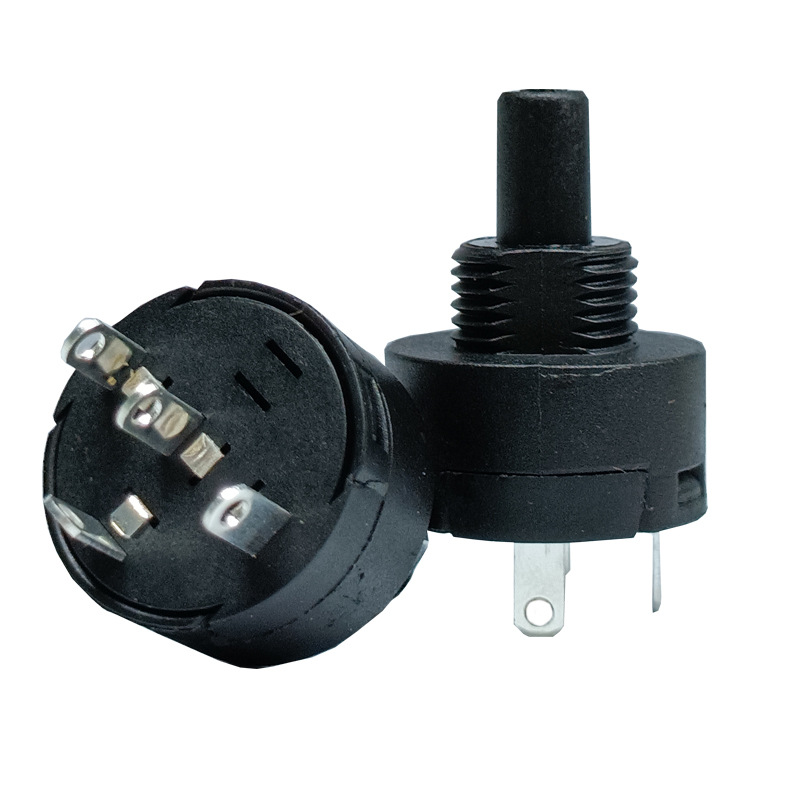
Installing an Electric Fan Temperature Switch
Tools and Materials Needed
Before starting the installation process, gather the necessary tools and materials:
- Electric fan temperature switch
- Wire connectors
- Electrical tape
- Screwdriver
- Wrench
- Multimeter (for testing)
Step-by-Step Installation Guide
- Disconnect the Battery: Before working on any electrical components, ensure that the battery is disconnected to prevent accidental shocks or short circuits.
- Locate the Existing Switch: If you are replacing an old switch, locate it in the cooling system. This is typically found near the radiator or engine block.
- Remove the Old Switch: Use a wrench to carefully unscrew the old switch from its mounting location. Be cautious of any coolant that may spill during this process.
- Install the New Switch: Screw the new electric fan temperature switch into place, ensuring it is securely fastened. Use electrical tape to protect any exposed wiring.
- Reconnect the Wiring: Connect the wiring to the new switch, ensuring that the connections are secure. Use wire connectors to prevent any loose connections.
- Reconnect the Battery: Once everything is in place, reconnect the battery and test the new switch to ensure it operates correctly.
- Test the System: Start the engine and monitor the temperature gauge. The fan should activate when the temperature reaches the set point, indicating that the installation was successful.
Maintaining Electric Fan Temperature Switches
Regular Inspections
To ensure optimal performance, regularly inspect your electric fan temperature switch for any signs of wear or damage. Look for frayed wires, corrosion, or loose connections that may affect its operation.
Cleaning
Keep the area around the switch clean and free from debris. Dust and dirt can accumulate and interfere with the switch’s functionality. Use a soft cloth to wipe down the area as needed.
Testing
Periodically test the switch to ensure it is functioning correctly. Use a multimeter to check for continuity and verify that the switch activates the fan at the appropriate temperature.
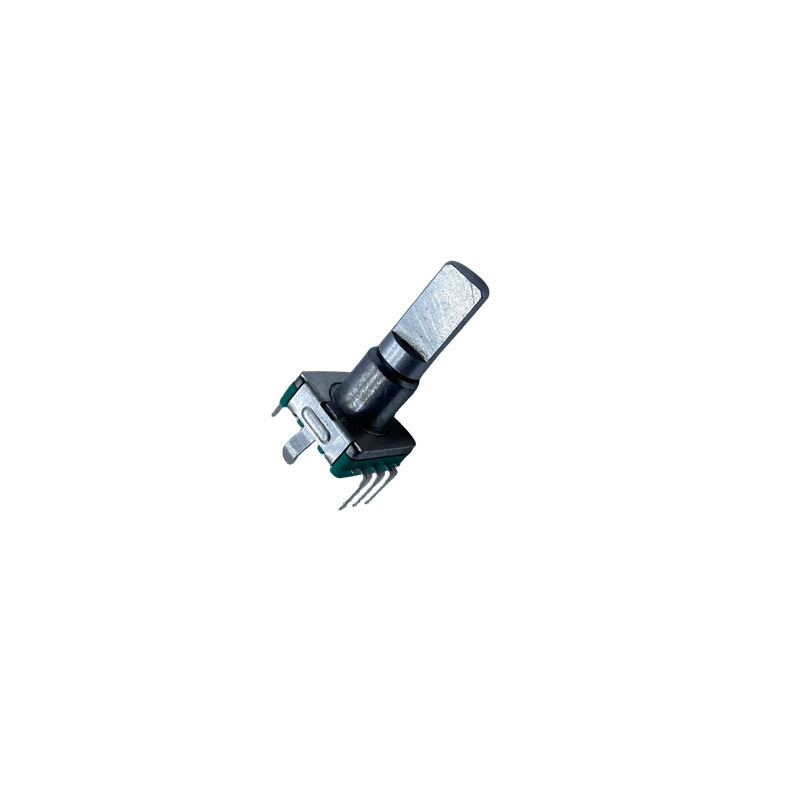
Troubleshooting Common Issues
Fan Not Activating
If the fan does not activate when the temperature reaches the set point, consider the following troubleshooting steps:
- Check the Wiring: Inspect the wiring for any loose connections or damage. Ensure that all connections are secure.
- Test the Switch: Use a multimeter to test the switch for continuity. If the switch is faulty, it may need to be replaced.
- Inspect the Fan: Ensure that the fan itself is functioning correctly. If the fan is not working, it may need to be repaired or replaced.
Fan Running Continuously
If the fan runs continuously, even when the engine is cool, the electric fan temperature switch may be malfunctioning. Check the following:
- Adjust the Settings: If the switch is adjustable, ensure that it is set to the correct temperature.
- Test the Switch: Use a multimeter to check for continuity. If the switch is stuck in the closed position, it may need to be replaced.
Overheating Issues
If the system is still overheating despite having a functioning fan, consider these factors:
- Coolant Levels: Check the coolant levels in the system. Low coolant can lead to overheating.
- Radiator Condition: Inspect the radiator for any blockages or damage that may impede airflow.
- Thermostat Functionality: Ensure that the thermostat is functioning correctly, as a faulty thermostat can affect the cooling system’s performance.
Conclusion
Electric fan temperature switches are essential components in maintaining optimal temperatures in both automotive and home cooling systems. By understanding their functionality, types, installation, and maintenance, you can ensure that your cooling systems operate efficiently and effectively. Whether you’re a DIY enthusiast or a professional mechanic, mastering the use of electric fan temperature switches will enhance your ability to manage temperature control in various applications.
How to purchase:https://looperbuy.com/search?keywords=electric+fan+temperature+switch&globalType=1688
Frequently Asked Questions
- What is the primary function of an electric fan temperature switch?
The primary function is to automatically control the operation of an electric fan based on the temperature of the engine coolant or ambient air.
- How do I install an electric fan temperature switch?
To install, disconnect the battery, locate the existing switch, remove it, install the new switch, reconnect the wiring, and test the system.
- What are the different types of electric fan temperature switches?
The main types include mechanical switches, electronic switches, and adjustable switches.
- How can I maintain my electric fan temperature switch?
Regularly inspect for wear, clean the area around the switch, and periodically test its functionality.
- What should I do if my fan is not activating?
Check the wiring, test the switch for continuity, and inspect the fan itself for functionality.
Hot Tag: electric fan temperature switch, cooling system maintenance, automotive cooling, temperature control technology, installation guide, troubleshooting tips, fan operation efficiency, mechanical vs. electronic switches, DIY maintenance, automotive accessories.