In the complex landscape of global B2B trade, understanding the precise manufacturing and distribution meaning is not just an academic exercise—it is the bedrock of a successful sourcing strategy. Whether you are a brand owner, wholesaler, or manufacturer, navigating these roles determines your supply chain efficiency, profit margins, and ultimate market success freeportcenter bigcommerce.
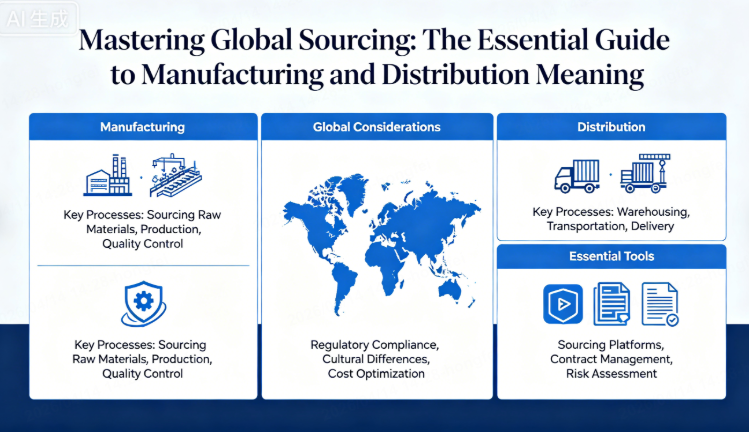
The global market has evolved rapidly. Today, the lines between production, wholesale, and distribution are increasingly blurred by digital innovation. This comprehensive guide dissects the roles of key players in the supply chain, clarifies the distinction between manufacturing and distribution, and provides actionable insights for optimizing your procurement process through modern platforms like LooperBuy.
Table of Contents
The Core Roles in Your Supply Chain
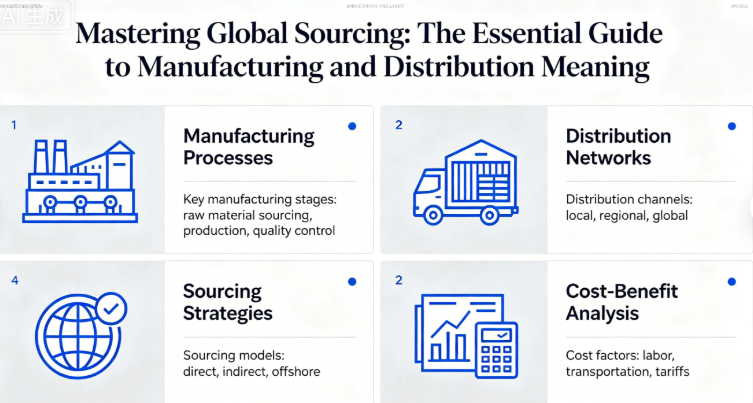
At the heart of global commerce, four primary entities drive the flow of goods from raw materials to the end consumer. Each performs a distinct, yet interconnected, function bigcommerce.
1. The Manufacturer: The Engine of Innovation
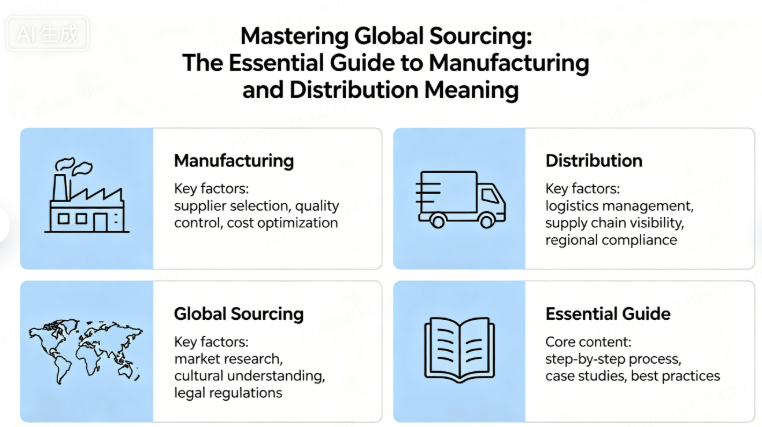
A manufacturer is a business entity that transforms raw materials, components, and parts into finished goods through defined production processes netsuite eswap. They are the genesis of all physical products bigcommerce.
- Primary Focus: Production efficiency, stringent quality control, and continuous R&D freeportcenter netsuite.
- B2B Interaction: Manufacturers typically prioritize high-volume production runs. They often lack the infrastructure for small-parcel shipping, preferring to sell to distributors or wholesalers who can aggregate demand eswap.
2. The Distributor: The Logistics Expert
A distributor bridges the critical gap between the manufacturer and the broader market freeportcenter. They often hold exclusive, regional, or strategic partnerships with manufacturers to market and sell their goods extensiv.
- Primary Focus: Logistics, warehousing, market access, and regional sales strategy freeportcenter axacute.
- Unique Value: They handle the complex logistics of getting products onto shelves or to other business buyers, allowing manufacturers to focus purely on production and product development speedylabs.
3. The Wholesaler: The Aggregator
A wholesaler purchases goods in large quantities, typically from manufacturers or distributors, and sells them to retailers or other B2B entities bigcommerce.
- Primary Focus: Aggregation and bulk reduction axacute.
- Unique Value: They provide retailers with a wide variety of products from multiple sources in one convenient location, drastically reducing the administrative burden for the retailer to manage hundreds of individual manufacturer relationships extensiv.
4. The Retailer: The Final Touchpoint
The retailer is the final point of contact in the supply chain, selling products directly to the end consumer bigcommerce.
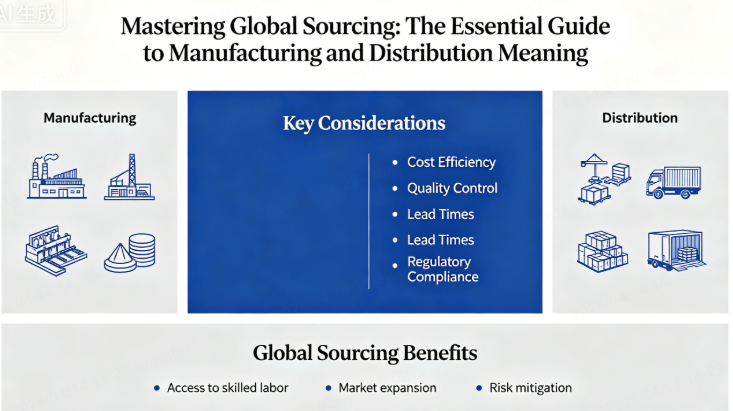
Manufacturing and Distribution Meaning: Key Differences
While these terms are often used interchangeably in casual conversation, their operational roles in a B2B context are distinct. Misunderstanding these differences often leads to supply chain bottlenecks.
| Feature | Manufacturing | Distribution |
|---|---|---|
| Main Goal | Create value from raw materials netsuite | Deliver value to the market efficiently freeportcenter |
| Key Assets | Factory floor, machinery, R&D labs axacute | Warehousing, logistics network, sales force freeportcenter |
| B2B Focus | Production quality & cost efficiency netsuite | Timely delivery & market accessibility axacute |
| Dependency | Needs distributors for market reach eswap | Needs manufacturers for product supply eswap |
Deep Dive: Optimizing the Supply Chain Strategy
The Cost of Intermediaries
One of the most important aspects of manufacturing and distribution meaning is cost structure. Every time a product passes from a manufacturer to a distributor, then to a wholesaler, and finally to a retailer, a markup is added alibaba. For businesses aiming to stay competitive, finding ways to shorten this chain is essential. This is where direct-to-manufacturer platforms provide a significant competitive advantage.
Quality Control and Risk Management
When sourcing internationally, specifically from major manufacturing hubs like China, quality control (QC) is paramount.
- Direct Sourcing: Dealing with the manufacturer allows for direct oversight of the production process.
- The Role of Technology: Today, modern B2B platforms act as a digital layer between the buyer and the factory, providing transparent updates on production status, material sourcing, and shipment tracking.
Practical Steps for Choosing the Right Partner
- Define Your Volume: If you are a high-volume retailer, direct sourcing from manufacturers is often the most cost-effective path speedylabs.
- Assess Your Logistics Capability: If you lack the resources to handle import customs, warehousing, and domestic logistics, a distributor or a full-service platform is better suited to handle these complexities freeportcenter.
- Check for “One-Stop” Capabilities: Look for partners that combine the production reach of a manufacturer with the logistical convenience of a distributor.
Expert Insight: Navigating Global Sourcing with LooperBuy
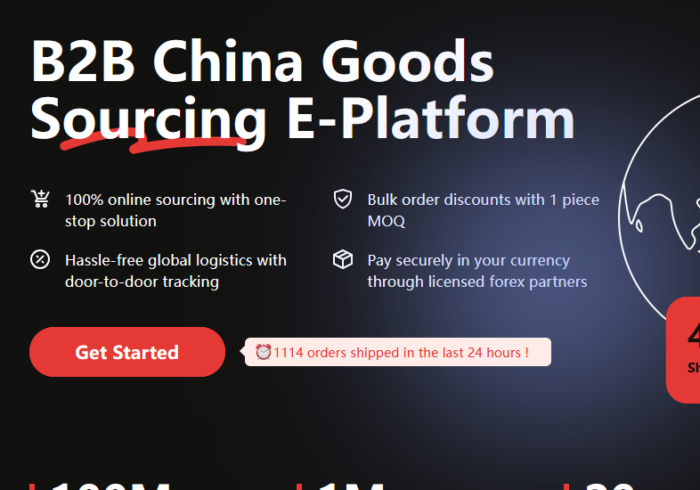
As modern supply chains become more sophisticated, the “one-stop” approach is changing the game. Platforms like LooperBuy integrate these functions, allowing businesses to bypass traditional hurdles.
- Direct Global Access: By bridging the gap directly with Chinese manufacturing centers, platforms remove unnecessary intermediary markups, directly impacting your profit margins freeportcenter.
- Logistics Integration: The primary challenge in international sourcing is often not production, but the complexity of distribution. LooperBuy provides end-to-end logistics solutions that ensure a seamless flow from the factory floor to your warehouse freeportcenter.
- Reduced Risk: By consolidating sourcing and logistics, platforms provide a single point of accountability for quality control and delivery timelines, which is a major pain point for many international wholesalers netsuite.
Visual Suggestion: Insert a flowchart here depicting the traditional 4-step supply chain (Manufacturer -> Distributor -> Wholesaler -> Retailer) versus the streamlined LooperBuy model (Manufacturer -> LooperBuy Platform -> You).
Future Trends in Manufacturing and Distribution
The future of B2B is digital-first. We are observing a significant shift where manufacturers are increasingly adopting direct-to-buyer models, and buyers are utilizing data-driven platforms to source across borders bigcommerce.
- Data Transparency: Buyers now demand real-time visibility into the manufacturing process.
- Sustainability: There is an increasing focus on the ethical sourcing of raw materials, which is easier to track when the relationship is direct netsuite.
FAQ: Your Top Sourcing Questions Answered
Q1: How do I know if I should work directly with a manufacturer or a distributor?
- A: If you need large, consistent volumes and have the infrastructure to manage logistics, manufacturers are often better for pricing. For smaller volumes, broader product variety, and localized logistics support, distributors are the preferred partner eswap extensiv.
Q2: Can a company be both a manufacturer and a distributor?
- A: Yes, many modern companies integrate both functions to maintain greater control over product quality, distribution speed, and cost efficiency freeportcenter.
Q3: What role does LooperBuy play in this supply chain?
- A: LooperBuy acts as a one-stop B2B sourcing platform, connecting global buyers directly to Chinese production sources, streamlining procurement, and managing the complexities of global logistics.
Q4: How does global sourcing affect quality control?
- A: Quality control is inseparable from the manufacturing process netsuite. Working through reputable B2B sourcing platforms often includes built-in verification processes to mitigate risks.
Q5: Is wholesale the same as distribution?
- A: No. Wholesalers typically buy from distributors or manufacturers to sell to retailers, while distributors act as the official representatives of manufacturers to bridge the market gap bigcommerce axacute.
References
- What’s the Difference Between Manufacturing & Distribution – Freeport Center
- The Difference Between B2B vs B2C Supply Chains – ShipBots
- B2B Fulfillment Guide – Midwest AWD
- B2B Ecommerce: Manufacturers vs. Distributors vs. Wholesalers – BigCommerce
- Manufacturing vs. Distribution Supply Chain – YouTube
- B2B vs B2C Product Sourcing – Upack
- Manufacturers vs. Distributors vs. Wholesalers – Alibaba.com
- Distributor vs Manufacturer: What’s the Difference? – SpeedyLabs
- Manufacturing Supply Chains Explained – NetSuite
- Distributor vs Manufacturer vs Supplier – eSwap
- Manufacturers vs Wholesalers vs Distributors – Axacute
- Supply Chain vs Distribution Management – Unis
- Navigating Manufacturing vs Distribution – Extensiv
- Supplier Vs. Manufacturer – Wonnda
Summary:
This article provides a critical analysis of manufacturing and distribution in the B2B sector. It clarifies core supply chain roles, differentiates between production and logistics, and highlights how one-stop sourcing platforms like LooperBuy optimize global procurement. Ideal for brand owners seeking efficiency, lower costs, and expert-level market insight in an increasingly digital and competitive global trade environment.
Hot tags: B2B sourcing platform, global supply chain management, wholesale manufacturer, direct-to-manufacturer, international procurement, industrial distribution, cross-border trade, B2B wholesale marketplace, supply chain optimization, manufacturing and distribution meaning.