Table of Contents
Introduction
In today’s world, where urban living spaces are becoming increasingly compact, the demand for small furniture has surged. Small furniture pieces are not only practical but also stylish, allowing homeowners to maximize their space without sacrificing aesthetics. This article will explore the various types of small furniture available for homes, their benefits, and tips for selecting the right pieces to enhance your living environment. Whether you live in a cozy apartment or a small house, the right small furniture can transform your space into a functional and inviting home.
Understanding Small Furniture
What is Small Furniture?
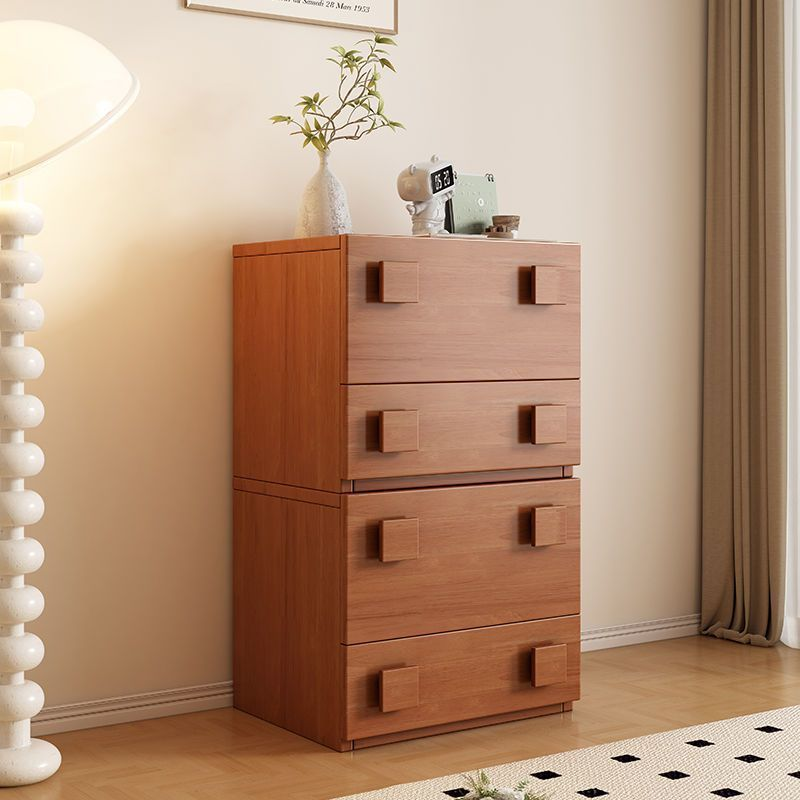
Small furniture refers to compact and versatile pieces designed to fit into limited spaces. These items are typically lightweight, easy to move, and can serve multiple functions. Common examples include:
- Accent Chairs: Stylish seating options that can be easily placed in any room.
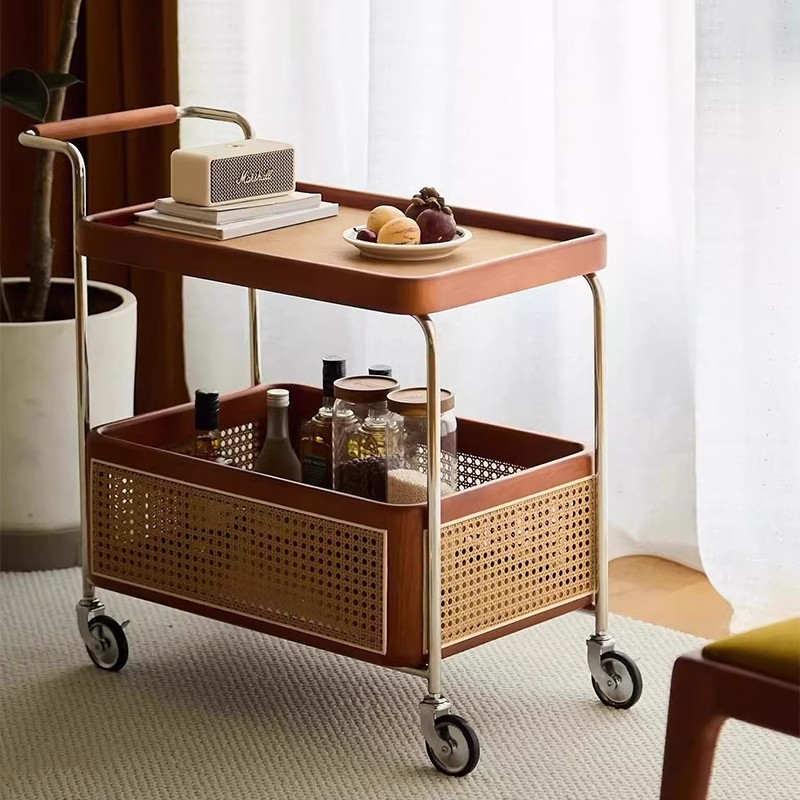
- Side Tables: Compact tables that can be used beside sofas or beds for convenience.
- Storage Ottomans: Functional pieces that provide seating and hidden storage.
- Nesting Tables: Sets of tables that can be stacked together or used separately as needed.
- Compact Desks: Small workspaces that fit into tight corners or small rooms.
Benefits of Small Furniture
Small furniture offers several advantages, particularly for those living in smaller spaces:
- Space Efficiency: Small furniture is designed to maximize functionality while minimizing the footprint, making it ideal for compact living areas. This allows for better flow and usability in tight spaces.
- Versatility: Many small furniture pieces can serve multiple purposes, helping to save space and reduce clutter. For example, a storage ottoman can provide seating and hold blankets or magazines.
- Easy to Move: Lightweight and compact, small furniture can be easily rearranged to accommodate different needs or preferences. This flexibility allows homeowners to adapt their spaces as their lifestyles change.
- Stylish Options: Small furniture comes in a variety of designs, colors, and materials, allowing homeowners to express their personal style without overwhelming their space.
Choosing the Right Small Furniture
Assessing Your Space
Before purchasing small furniture, it’s essential to assess your space to determine what will work best. Consider the following:
- Room Dimensions: Measure the dimensions of the room to understand how much space you have available for furniture. This will help you avoid overcrowding and ensure that your furniture fits comfortably.
- Layout: Think about the layout of the room and how furniture will fit within it. Consider traffic flow and accessibility to ensure that the space remains functional.
- Existing Decor: Take into account the existing decor and color scheme to ensure that new furniture complements your home’s aesthetic. This will help create a cohesive look throughout your space.
Types of Small Furniture
1. Multi-Functional Pieces
Multi-functional furniture is a smart choice for small spaces. These pieces serve more than one purpose, helping to save space and reduce clutter. Examples include:
- Sofa Beds: A sofa that can be converted into a bed for guests, perfect for small living rooms or studios. This allows you to host friends and family without needing a separate guest room.
- Storage Benches: Benches that provide seating and storage for items like blankets or shoes. These can be placed in entryways or at the foot of a bed for added functionality.
- Drop-Leaf Tables: Tables with leaves that can be folded down when not in use, making them ideal for dining areas with limited space. This allows for flexible dining arrangements, accommodating more guests when needed.
2. Modular Furniture
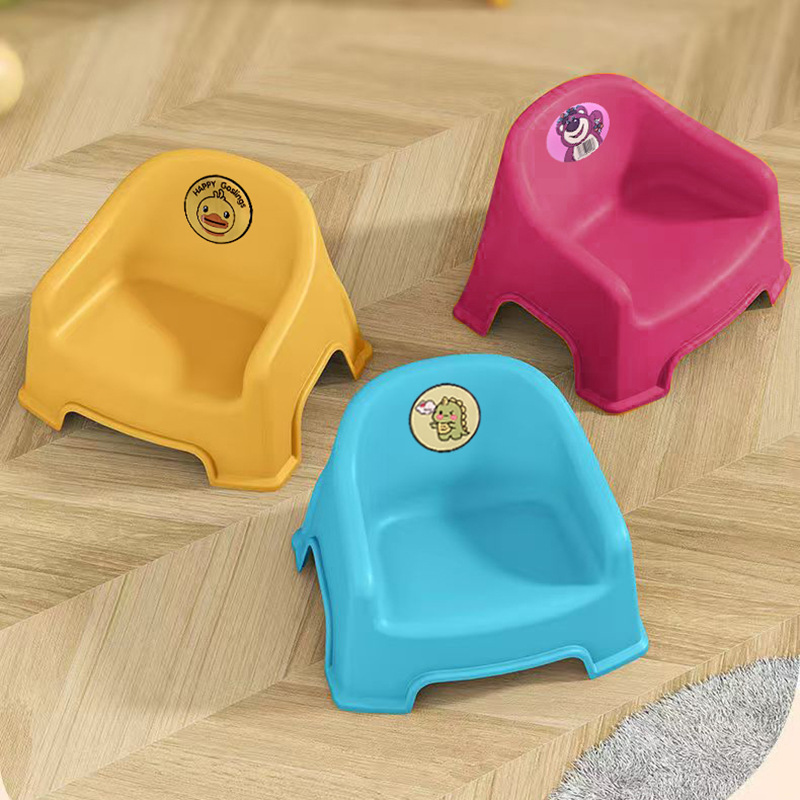
Modular furniture consists of individual pieces that can be arranged in various configurations. This flexibility allows homeowners to customize their space according to their needs. Examples include:
- Modular Sofas: Sofas that can be rearranged to fit different layouts, accommodating various seating arrangements. This adaptability is perfect for entertaining or relaxing.
- Bookcases with Adjustable Shelves: Bookcases that can be customized to fit different items, from books to decorative pieces. This allows for efficient use of vertical space while keeping your belongings organized.
3. Compact Storage Solutions
Storage is often a challenge in small spaces, making compact storage solutions essential. Consider the following options:
- Wall-Mounted Shelves: Shelves that free up floor space while providing storage for books, plants, or decorative items. These can be placed in any room to add both style and functionality.
- Under-Bed Storage: Storage bins that fit under the bed, perfect for keeping seasonal clothing or extra linens out of sight. This is an excellent way to utilize otherwise wasted space.
Styling Small Furniture
Creating a Cohesive Look
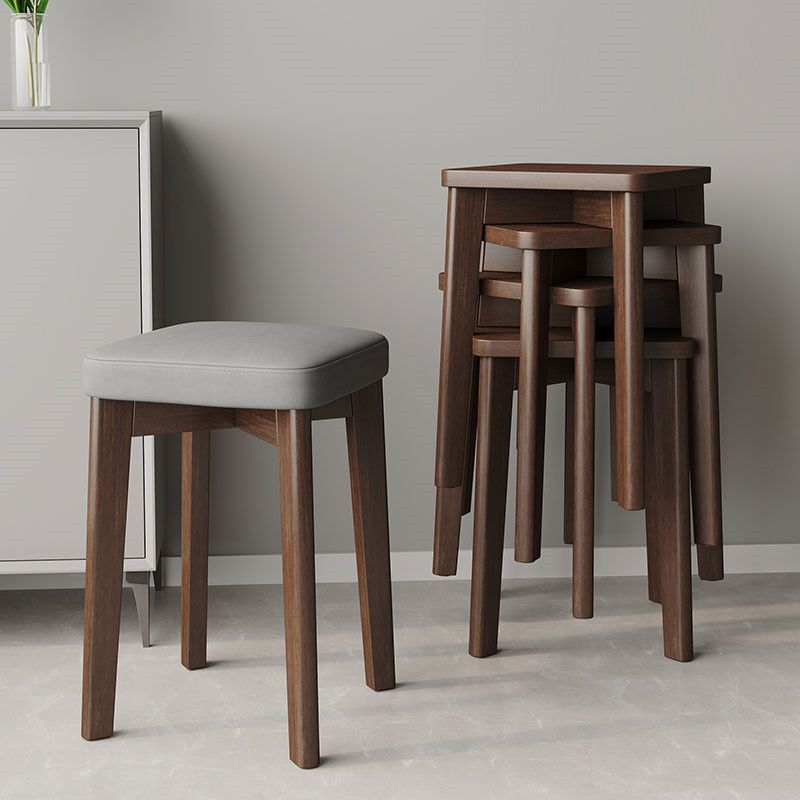
When incorporating small furniture into your home, it’s important to create a cohesive look. Here are some tips:
- Color Coordination: Choose furniture pieces that complement your existing color scheme. Neutral colors can create a sense of openness, while bold colors can add personality and vibrancy to your space.
- Mixing Textures: Combine different textures, such as wood, metal, and fabric, to add depth and interest to your space. This can make small furniture pieces stand out while still fitting into the overall design.
- Layering: Use rugs and textiles to define areas within a room, especially in open-concept spaces. Layering can help create a cozy atmosphere and visually separate different functional areas.
Accessorizing Small Furniture
Accessorizing small furniture can enhance its functionality and style. Consider the following:
- Decorative Pillows: Add pillows to accent chairs or benches for comfort and style. This can also introduce new colors and patterns into your decor.
- Table Decor: Use small decorative items, such as vases or books, to personalize side tables and coffee tables. This adds character and makes the space feel more inviting.
- Lighting: Incorporate stylish lamps or wall sconces to create ambiance and highlight your small furniture pieces. Good lighting can make a small space feel larger and more welcoming.
Practical Tips for Small Space Living
Maximizing Vertical Space
In small homes, vertical space is often underutilized. Here are some ways to make the most of it:
- Tall Bookcases: Invest in tall bookcases that draw the eye upward, creating the illusion of higher ceilings. This can also provide ample storage for books and decorative items.
- Hanging Plants: Use wall-mounted planters or hanging pots to bring greenery into your space without taking up floor space. This adds life and color to your home.
- Over-the-Door Organizers: Utilize the back of doors for additional storage with over-the-door organizers for shoes, accessories, or cleaning supplies.
Choosing the Right Colors
Color can significantly impact how a space feels. Here are some tips for choosing colors in small spaces:
- Light Colors: Light colors can make a room feel larger and more open. Consider using whites, soft pastels, or light grays for walls and larger furniture pieces.
- Accent Colors: Use bold accent colors in smaller furniture pieces or decor items to add personality without overwhelming the space. This can be achieved through throw pillows, artwork, or decorative accessories.
- Monochromatic Schemes: A monochromatic color scheme can create a cohesive look and make a small space feel more unified. Varying shades of the same color can add depth while keeping the space visually appealing.
Incorporating Mirrors
Mirrors are a fantastic tool for making small spaces feel larger. Here’s how to use them effectively:
- Large Mirrors: A large mirror can create the illusion of depth and space. Place it opposite a window to reflect light and brighten the room.
- Mirrored Furniture: Consider furniture with mirrored surfaces, such as coffee tables or accent cabinets, to add a touch of glamour while reflecting light and making the space feel more open.
- Gallery Walls: Create a gallery wall with a mix of artwork and mirrors to add visual interest and depth to your space.
Additional Considerations for Small Furniture
Choosing the Right Materials
When selecting small furniture, the materials used can greatly affect both the look and functionality of the pieces. Here are some popular materials to consider:
- Wood: Solid wood furniture is durable and timeless, but it can be heavy. Look for lighter woods or engineered wood options that provide the same aesthetic without the weight.
- Metal: Metal furniture can be sleek and modern, often providing a minimalist look. It is also typically lightweight and easy to move.
- Plastic: Plastic furniture is often very lightweight and can come in a variety of colors and styles. It’s a great option for outdoor spaces or casual settings.
- Fabric: Upholstered furniture adds comfort and warmth to a space. Choose fabrics that are durable and easy to clean, especially if you have pets or children.
Budgeting for Small Furniture
When furnishing a small space, it’s important to set a budget to avoid overspending. Here are some tips for budgeting effectively:
- Prioritize Needs: Determine which pieces are essential for your space and prioritize those in your budget. For example, a comfortable sofa or a functional dining table may take precedence over decorative items.
- Research Prices: Take the time to research prices for the furniture you want. This will help you identify fair prices and avoid overpaying.
- Look for Sales: Keep an eye out for sales events, especially during holidays or seasonal changes. Many retailers offer significant discounts during these times.
Sustainability in Small Furniture Choices
As consumers become more environmentally conscious, the demand for sustainable furniture options has increased. Here are some ways to incorporate sustainability into your small furniture choices:
- Choose Eco-Friendly Materials: Look for furniture made from sustainable materials, such as reclaimed wood or bamboo. These options are not only better for the environment but often have unique aesthetics.
- Support Local Artisans: Purchasing from local artisans or small businesses can reduce your carbon footprint and support your community. Handmade furniture often has a unique charm and quality that mass-produced items lack.
- Consider Second-Hand Options: Shopping at thrift stores, consignment shops, or online marketplaces can yield unique finds while promoting sustainability. Upcycling or refinishing second-hand furniture can also be a rewarding project.
Conclusion
Small furniture is an excellent solution for maximizing space in compact living environments. By choosing versatile, multi-functional pieces and styling them thoughtfully, you can create a comfortable and aesthetically pleasing home. Whether you’re looking to furnish a small apartment or simply want to optimize your existing space, the right small furniture can make all the difference. Embrace the possibilities that small furniture offers and transform your home into a stylish sanctuary.
How to purchase:Online B2B sourcing platform, China purchase, Chinese suppliers – LooperBuy
Article Summary: This article explores the significance of small furniture for homes, highlighting its benefits, types, and styling tips. It emphasizes how small furniture can maximize space and enhance the aesthetic appeal of compact living environments.
Hot Tags: Small Furniture for Home; Space-Saving Solutions; Multi-Functional Furniture; Compact Living; Home Decor; Modular Furniture; Stylish Storage; Interior Design; Furniture Trends; Urban Living; Sustainable Furniture; Affordable Luxury; Smart Shopping; Consumer Awareness; Home Organization; Minimalist Design; Versatile Seating; Compact Desks; Nesting Tables; Decorative Accents; Functional Decor; Lightweight Furniture; Small Space Solutions; Creative Storage Ideas; Modern Aesthetics; Cozy Living; Efficient Layouts; Customizable Furniture; Trendy Accessories; Eco-Friendly Options; Chic Design; Practical Living; Space Optimization; Stylish Functionality; Compact Solutions; Urban Decor; Innovative Designs; Trendy Furniture; Space-Efficient Choices; Smart Design; Contemporary Living; Timeless Style; Quality Craftsmanship; Affordable Design; Home Improvement; Design Inspiration; Space Management; Functional Aesthetics; Compact Solutions.
Related Questions & Answers
· What are the most popular sustainable fabrics for home textiles?
Popular sustainable fabrics include organic cotton, bamboo, hemp, and recycled polyester, which are eco-friendly and durable.
· How can I ensure the quality of textiles when shopping online?
To ensure quality, read product descriptions carefully, check customer reviews, and look for reputable brands with return policies.
· What are some creative ways to use seasonal decor in my home?
You can use seasonal decor by changing table linens, adding themed throw pillows, or incorporating seasonal colors in your textiles to refresh your space.
· Where can I find the best deals on Absolute Home Textiles?
The best deals can often be found on the official website, through email newsletters, and on coupon websites that aggregate discount codes.
· How do I choose sustainable and eco-friendly home textiles?
Look for certifications like GOTS (Global Organic Textile Standard) or OEKO-TEX, and choose materials that are biodegradable or made from recycled content.