Men’s athletic wear has become a staple in modern wardrobes, transcending its original purpose of merely serving as workout clothing. Today, it embodies a blend of functionality, comfort, and style, making it suitable for various activities beyond the gym. This article explores the significance of men’s athletic wear, its various types, and how to choose the right pieces for your needs.
Table of Contents
The Evolution of Men’s Athletic Wear
From Function to Fashion
Historically, athletic wear was designed solely for performance, focusing on functionality to support physical activities. However, as fitness culture has evolved, so has the design and purpose of these garments. Men’s athletic wear now includes stylish options that can be worn in casual settings, making it a versatile choice for many occasions. Brands have recognized this shift and have started to incorporate trendy designs, colors, and materials that appeal to a broader audience. This evolution reflects a societal change where fitness is not just a hobby but a lifestyle, influencing how men perceive and wear athletic clothing. The integration of fashion elements into athletic wear allows men to express their personal style while staying comfortable and functional.
The Rise of Athleisure
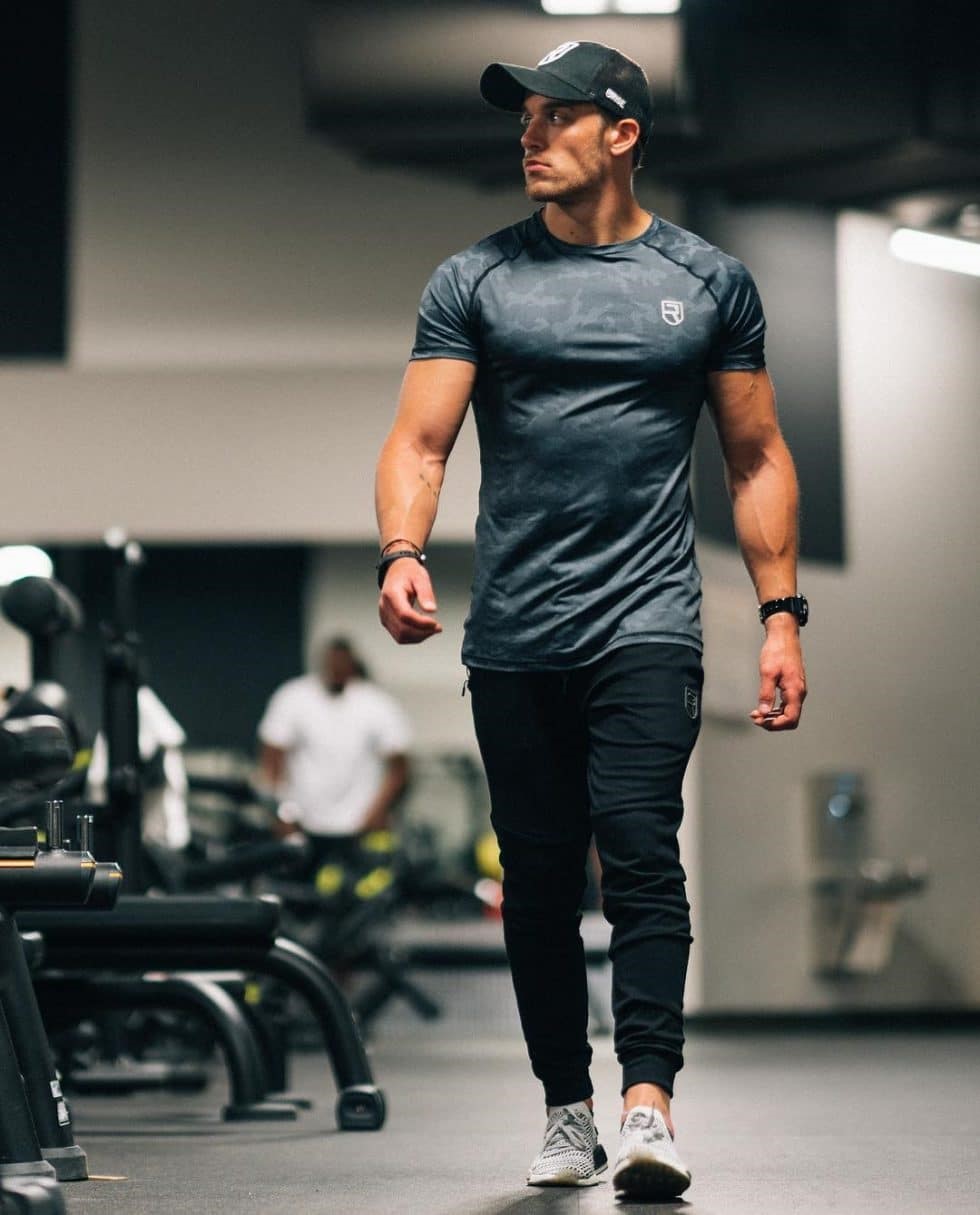
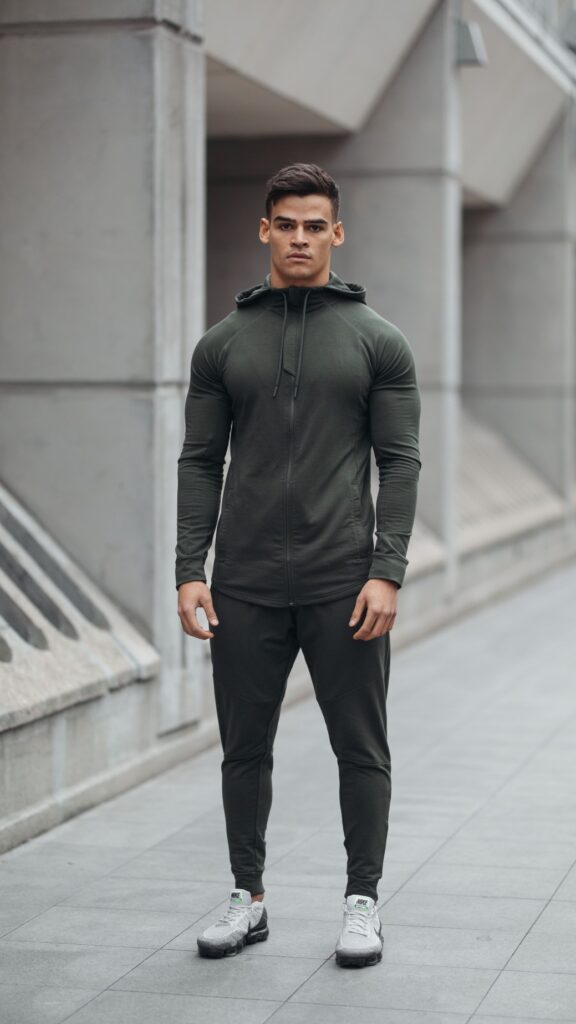
The athleisure trend has significantly influenced men’s athletic wear, blurring the lines between gym attire and everyday clothing. This style combines athletic and leisure clothing, allowing men to transition seamlessly from workouts to everyday activities. Joggers, hoodies, and moisture-wicking t-shirts are now common in casual settings, reflecting a lifestyle that values both comfort and style. Athleisure has become a cultural phenomenon, with many men opting for these versatile pieces not just for exercise but also for social outings, work, and travel. This trend has led to an increase in the variety of athletic wear available, catering to different tastes and preferences, and encouraging men to embrace a more active lifestyle.
Key Features of Men’s Athletic Wear
Comfort and Fit
One of the primary reasons men choose athletic wear is comfort. The right fit is crucial; clothing that is too tight can restrict movement, while overly loose garments may hinder performance. Look for pieces that offer a snug yet comfortable fit, allowing for a full range of motion during workouts. Comfort is not just about the fit; it also involves the feel of the fabric against the skin. Soft, breathable materials can enhance the overall experience, making workouts more enjoyable. Additionally, many brands now offer athletic wear designed with ergonomic cuts and seams that follow the body’s natural movements, further enhancing comfort and performance.
Breathability and Moisture-Wicking
Men’s athletic wear is often made from breathable fabrics that wick moisture away from the body. This feature is essential for maintaining comfort during intense workouts, as it helps regulate body temperature and prevents chafing. Fabrics like polyester and nylon are commonly used for their moisture-wicking properties. The ability to keep sweat away from the skin not only enhances comfort but also helps prevent the growth of bacteria, which can lead to unpleasant odors. Many modern athletic garments also incorporate mesh panels or ventilation zones to increase airflow, making them ideal for high-intensity activities or warm weather.
Durability
Athletic wear must withstand rigorous activities, which is why durability is a key feature. High-quality materials and reinforced stitching ensure that garments can endure the wear and tear of regular use. Investing in durable athletic wear can save money in the long run, as these pieces will last longer than cheaper alternatives. Durability is particularly important for items like shorts and shirts that experience a lot of movement and friction. Brands that focus on performance often test their products under extreme conditions to ensure they can handle the demands of various sports and workouts, giving consumers confidence in their purchases.
Types of Men’s Athletic Wear
Tops
Men’s athletic tops come in various styles, including t-shirts, tank tops, and long-sleeve shirts. Each type serves a different purpose, from providing coverage during colder months to offering breathability during summer workouts. Look for tops with features like mesh panels for added ventilation and flat seams to reduce irritation. The choice of top can also depend on the type of activity; for instance, tank tops are great for weightlifting and running, while long-sleeve shirts may be preferred for outdoor activities in cooler weather. Additionally, many brands now offer tops with built-in UV protection, making them suitable for outdoor sports.
Bottoms
Athletic bottoms include shorts, joggers, and leggings. Shorts are ideal for warm weather and high-intensity workouts, while joggers provide warmth and comfort for cooler days. Leggings, often referred to as compression wear, offer support and can enhance performance by improving blood circulation. The choice of bottoms can significantly affect comfort and performance during workouts. For example, shorts with a liner can provide additional support and reduce chafing, while joggers with elastic cuffs can keep them in place during movement. Compression leggings are particularly popular among athletes for their ability to reduce muscle fatigue and improve recovery times.
Footwear
The right footwear is crucial for any athletic activity. Men’s athletic shoes are designed to provide support, cushioning, and traction. Whether running, lifting weights, or playing sports, choosing the right shoes can significantly impact performance and reduce the risk of injury. Different activities require different types of shoes; for instance, running shoes are designed for forward motion and shock absorption, while cross-training shoes offer stability for lateral movements. It’s essential to consider the specific demands of your chosen activity when selecting footwear, as the right shoes can enhance performance and comfort.
How to Choose the Right Men’s Athletic Wear
Consider Your Activity
When selecting athletic wear, consider the specific activities you will be engaging in. Different sports and workouts may require specialized clothing. For example, running may necessitate lightweight, breathable fabrics, while weightlifting might require more durable materials that can withstand friction. Understanding the demands of your chosen activity can help you make informed decisions about the types of clothing and gear you need. Additionally, consider the environment in which you will be exercising; outdoor activities may require clothing with weather-resistant features, while indoor workouts may prioritize breathability.
Pay Attention to Fabric
The fabric of athletic wear can greatly affect performance. Look for moisture-wicking materials that keep you dry and comfortable. Additionally, consider the climate in which you will be exercising; lightweight fabrics are ideal for hot weather, while thicker materials may be better for colder conditions. Some brands also offer fabrics with antimicrobial properties, which can help reduce odor and keep your gear fresher for longer. Understanding the benefits of different fabrics can help you choose pieces that enhance your performance and comfort during workouts.
Fit and Comfort
Always prioritize fit and comfort when choosing athletic wear. Try on different styles and sizes to find what works best for your body type. Remember that comfort is key to maintaining motivation and performance during workouts. Many brands offer a range of fits, from relaxed to athletic, allowing you to select pieces that align with your personal preferences. Additionally, consider the length and cut of the garments; for example, longer shorts may provide more coverage and comfort for certain activities, while fitted tops can enhance performance by reducing drag.
The Impact of Men’s Athletic Wear on Performance
Enhancing Performance
Wearing the right athletic gear can enhance performance by providing support and comfort. Compression wear, for instance, can improve blood flow and reduce muscle fatigue, allowing for longer and more effective workouts. Additionally, the right footwear can prevent injuries and improve overall performance. Many athletes report that wearing high-quality athletic wear helps them feel more focused and motivated during their workouts, contributing to better results. The psychological aspect of wearing gear that fits well and looks good can also boost confidence, leading to improved performance.
Boosting Confidence
Men’s athletic wear can also boost confidence. When you feel good in what you wear, it can positively impact your mindset and motivation. Stylish and well-fitting athletic wear can make you feel more confident, whether you’re at the gym or out running errands. This confidence can translate into better performance, as feeling good about your appearance can enhance your overall workout experience. Many men find that investing in quality athletic wear not only improves their physical performance but also elevates their self-esteem and body image.
Conclusion
Men’s athletic wear is more than just clothing; it is an essential part of an active lifestyle. With its blend of comfort, functionality, and style, it caters to the needs of modern men who prioritize fitness and fashion. By understanding the various types of athletic wear and how to choose the right pieces, you can enhance your performance and enjoy your workouts even more. As the trend continues to grow, investing in quality athletic wear will not only support your fitness goals but also allow you to express your personal style in every aspect of your life.
How to purchase:https://looperbuy.com/search?keywords=Men%27s+Athletic+Wear
Frequently Asked Questions
1. What materials are best for men’s athletic wear?
The best materials for men’s athletic wear include moisture-wicking fabrics like polyester and nylon, which help keep you dry and comfortable during workouts. Additionally, blends that include spandex or elastane can provide stretch and flexibility.
2. How do I choose the right size for athletic wear?
To choose the right size, refer to the sizing charts provided by brands, and consider trying on different styles to find the best fit for your body type. Pay attention to how the garment feels during movement, as this can indicate whether it is the right size.
3. Can I wear athletic wear for casual outings?
Yes, many athletic wear pieces are designed to be stylish and versatile, making them suitable for casual outings as well as workouts. Pairing athletic tops with jeans or joggers with casual shoes can create a comfortable yet fashionable look.
4. What type of athletic wear is best for running?
For running, lightweight, breathable tops and moisture-wicking shorts or leggings are ideal. Proper running shoes are also crucial for support and comfort, as they are designed to absorb impact and provide stability.
5. How often should I replace my athletic wear?
It is recommended to replace athletic wear every 6 to 12 months, depending on usage and wear. Look for signs of wear and tear, such as fading, loss of elasticity, or visible damage, to determine when it’s time for new gear.