The term multi-channel network has taken on new meaning in B2B procurement. It no longer describes simply selling through multiple outlets. In 2026, it represents an integrated sourcing ecosystem that connects global buyers with verified Chinese manufacturers, consolidates logistics across ocean, air, and rail channels, and delivers real-time visibility from factory floor to final destination. As a B2B sourcing strategist with over 15 years advising international brand owners, wholesalers, and manufacturers, I have watched this shift accelerate dramatically over the past three years. A well-designed multi-channel network is now the backbone of competitive procurement, and China remains its most powerful node.

Why China Anchors Every Serious Multi-Channel Network
China’s manufacturing ecosystem covers 90% of global B2B supply categories, from industrial components and electrical supplies to packaging materials and custom manufacturing parts. No other market offers this breadth. For buyers building a resilient multi-channel network, China delivers three foundational advantages:
- Product diversity across 50+ B2B supply categories, eliminating the need to fragment procurement across dozens of vendors
- Cost efficiency at 25-40% below European or North American alternatives, driven by mature supply chains and economies of scale
- Fulfillment capacity through 200+ major ports and logistics hubs capable of reaching every corner of the globe
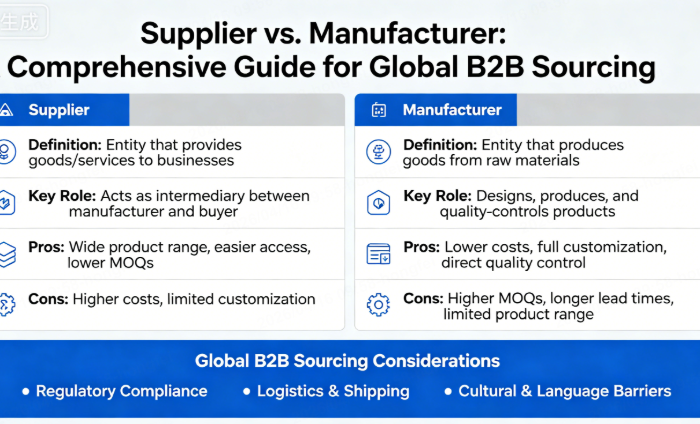
The real challenge is not finding Chinese suppliers. It is connecting with legitimate, pre-vetted ones and managing cross-border logistics without hidden markups. This is precisely where a structured multi-channel network platform transforms sourcing outcomes.
2026 Trends Reshaping Multi-Channel Sourcing
Three data points define the current landscape. First, nearly 80% of cross-border buyers expect online sourcing to increase over the next 12 months, including half of those who currently source exclusively offline. Second, AI and automation adoption leads sourcing priorities at 30%, followed by data-driven decision making at 24%. Third, China’s cross-border e-commerce trade reached 2.84 trillion yuan in 2025, with Guangdong-origin goods surpassing 50% of export volume for the first time.
These trends converge on a single insight: buyers who build structured multi-channel networks that integrate AI-powered supplier matching, transparent cost calculation, and consolidated logistics will outperform those relying on fragmented, relationship-based procurement.
Logistics Cost Optimization: The Multi-Channel Advantage
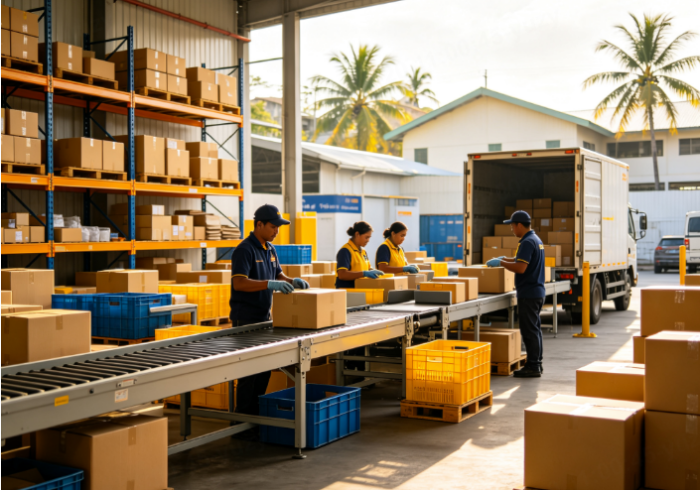
Logistics remains the largest variable cost in cross-border B2B sourcing. Recent infrastructure developments offer concrete savings. Sea-rail intermodal services now reduce overall logistics costs by nearly 20% compared to traditional road-only routes. Consolidated warehousing models cut per-unit delivery costs by at least 15% versus standard FBA warehousing. For small-batch buyers, LCL consolidation allows importing from just 1 CBM while sharing container space, reducing freight costs by up to 40%.
A well-integrated multi-channel network platform captures these efficiencies automatically. LooperBuy’s approach embeds load calculators, dry port integration, and consolidated shipping options directly into the procurement workflow, reducing transit times by 15-20% and providing 24/7 real-time tracking across the entire journey.
Supplier Verification: The Foundation of a Reliable Multi-Channel Network
Unvetted suppliers remain the top risk in cross-border sourcing. A 2026 supplier due diligence framework recommends confirming exact Chinese legal names, cross-referencing business licenses with government registries, and validating certifications such as ISO 9001 and CE through third-party inspection firms like SGS and TÜV Rheinland.
LooperBuy implements an 8-step vetting process covering manufacturing capacity, ISO/CE certification, B2B order fulfillment track record, and quality control protocols. The platform also provides complimentary pre-shipment quality inspections for orders over $5,000, ensuring compliance before goods leave China.
How a European Wholesaler Scaled with a Multi-Channel Network Strategy
A European industrial wholesaler specializing in electrical and construction supplies, serving clients across Germany, France, and the UK, faced three critical roadblocks: high sourcing costs from European intermediaries, limited product diversity requiring multiple vendor relationships, and slow logistics causing missed client deadlines.
After integrating LooperBuy’s multi-channel network into their procurement operations, the wholesaler reduced sourcing costs by over 25%, consolidated suppliers from 14 vendors to 3, and cut average delivery times from 45 days to 28 days. The platform’s real-time tracking and pre-shipment inspection capabilities eliminated quality disputes entirely during the first year.
Actionable Steps to Build Your Multi-Channel Network
- Define sourcing requirements precisely. Input product category, volume, quality standards, destination market, and delivery timeline. Use AI-powered tools to generate a procurement checklist including regulatory compliance requirements for your target market (e.g., EU REACH, US FDA).
- Select only pre-vetted suppliers. Filter by product category, certification, minimum order quantity, and delivery speed. Review supplier profiles and client reviews before committing.
- Lock in all-inclusive cost estimates. Request fixed pricing that includes product costs, freight, customs duties, port fees, and final-mile delivery. Adjust logistics options to optimize for speed versus cost.
- Complete pre-shipment inspections. Verify quality before goods leave China. Ensure all export/import documentation complies with destination market regulations.
- Track shipments in real-time. Monitor every step from factory to warehouse with automated alerts for customs clearance and potential delays.
Frequently Asked Questions
1. What is a multi-channel network in B2B sourcing?
A multi-channel network in B2B sourcing refers to an integrated procurement ecosystem that connects buyers with verified suppliers across multiple channels, including online platforms, consolidated logistics routes, and real-time tracking systems. It streamlines sourcing, payment, and fulfillment into a single coordinated workflow.
2. Why is China critical for multi-channel B2B sourcing?
China covers 90% of global B2B supply categories, offers 25-40% lower pricing than Western alternatives, and operates over 200 major ports capable of shipping worldwide. No other single market matches this combination of diversity, cost, and infrastructure.
3. How does LooperBuy verify Chinese suppliers?
LooperBuy implements an 8-step vetting process verifying manufacturing capacity, ISO/CE certification, B2B fulfillment track record, and quality control protocols. Pre-shipment inspections are included for orders over $5,000.
4. Can LooperBuy handle small-batch orders?
Yes. LooperBuy supports both bulk and small-batch B2B orders with flexible MOQs. Consolidated shipping options help small-batch buyers reduce per-unit logistics costs, making China sourcing accessible for businesses of all sizes.
5. What savings can I expect from LooperBuy?
Clients typically save 20-30% on procurement compared to traditional sourcing channels, through eliminated middleman markups, transparent cost calculators, and optimized logistics via dry port integration.
References
- LooperBuy. (2026). Supplies Business: A B2B Expert’s Guide to Sourcing Chinese Goods Globally. Retrieved from https://blog.looperbuy.com/supplies-business-a-b2b-experts-guide-to-sourcing-chinese-goods-globally-with-looperbuy.html
- HKTDC. (2026). The Future of Hong Kong Trade: How AI, FinTech, and Changing Sourcing Strategies Are Reshaping Cross-Border Trade. Retrieved from https://sourcing.hktdc.com
- 21jingji. (2026). Cross-Border E-Commerce Export: Guangdong Supply Surpasses 50%. Retrieved from https://m.21jingji.com
- Mei.net.cn. (2026). Sea-Rail Intermodal Service Reduces Logistics Costs by 20%. Retrieved from https://www.mei.net.cn
- STCN. (2026). Warehousing Costs Save Hundreds of Thousands Annually: Yiwu Merchants Gain Access to Global Markets. Retrieved from https://stcn.com
- Sino-Shipping. (2026). Consolidação e Cross-Docking de Frete na China. Retrieved from https://es.sino-shipping.com
- QCC KYC. (2026). China Supplier Due Diligence: How to Verify a Supplier Before Sending a Deposit. Retrieved from https://www.qcckyc.com
- Alibaba. (2025). How to Find and Evaluate Quality Product Suppliers: A Strategic Guide for B2B Buyers. Retrieved from https://www.alibaba.com
Hot tags: multi-channel network B2B sourcing, China direct procurement platform, cross-border logistics optimization, verified Chinese suppliers, B2B wholesale sourcing guide, LooperBuy platform review, global supply chain management, small-batch China sourcing, freight consolidation savings, supplier due diligence China