In today’s diverse and inclusive fashion world, Muslim clothing has gained significant attention. It not only reflects religious beliefs and cultural traditions but also showcases unique fashion charm. This article delves into the various styles of Muslim clothing, its cultural significance, and modern fashion trends.
Table of Contents
Understanding Muslim Clothing
Religious and Cultural Significance
Muslim clothing holds deep religious and cultural importance. In Islamic teachings, modesty is highly valued, and clothing serves as a key expression of this virtue. For Muslim women, wearing the hijab is not only a religious obligation but also a symbol of identity and faith. The hijab covers the head and neck, symbolizing modesty and piety. Muslim men’s clothing also emphasizes simplicity and modesty, typically featuring loose-fitting garments that cover the body from the waist to the knees.
Traditional Muslim Clothing Styles
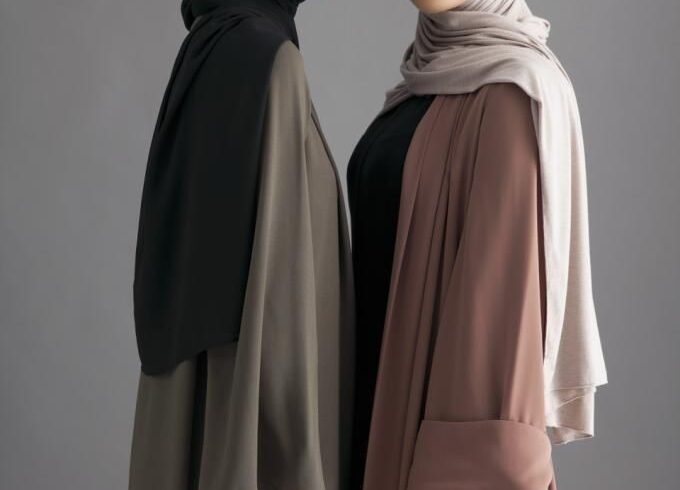
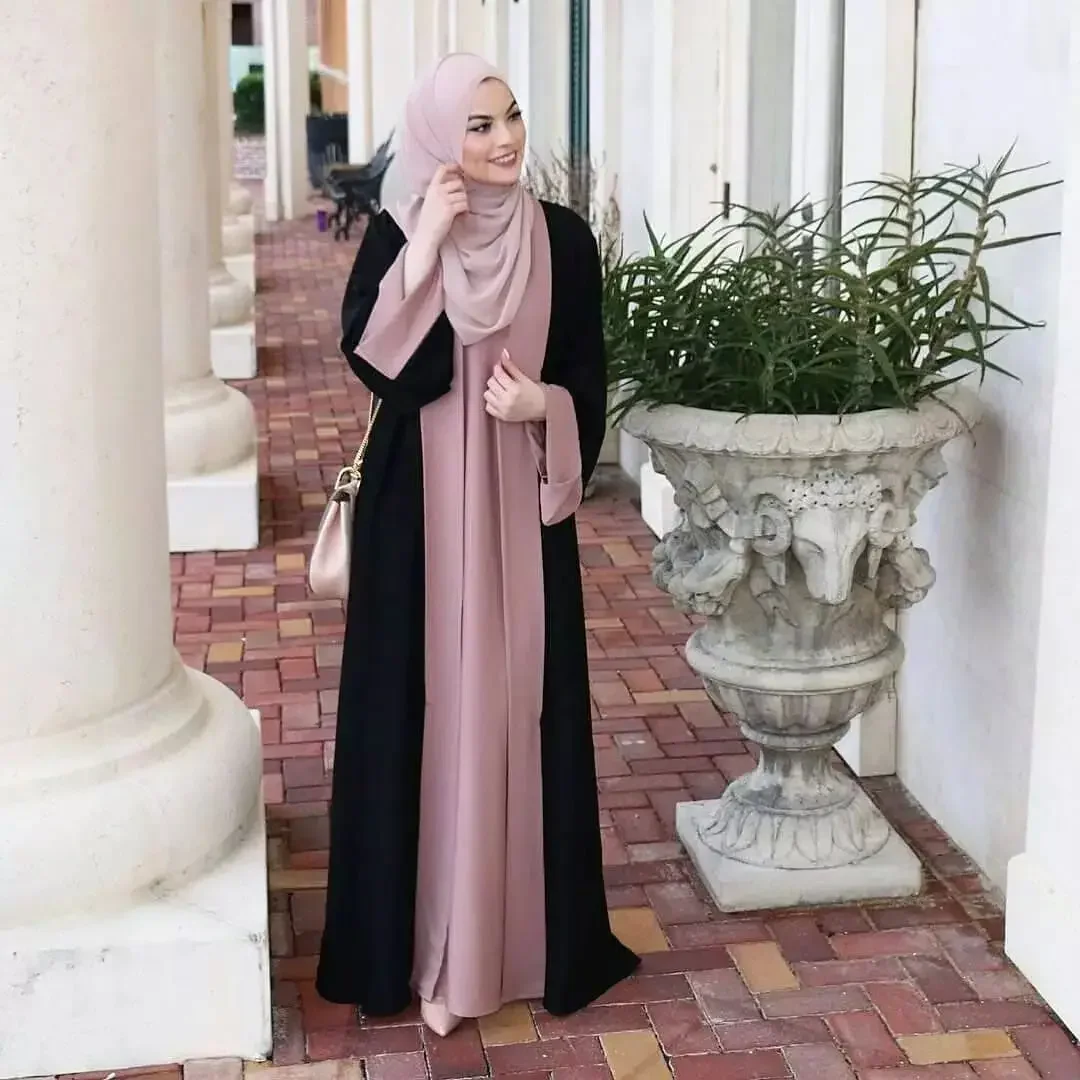
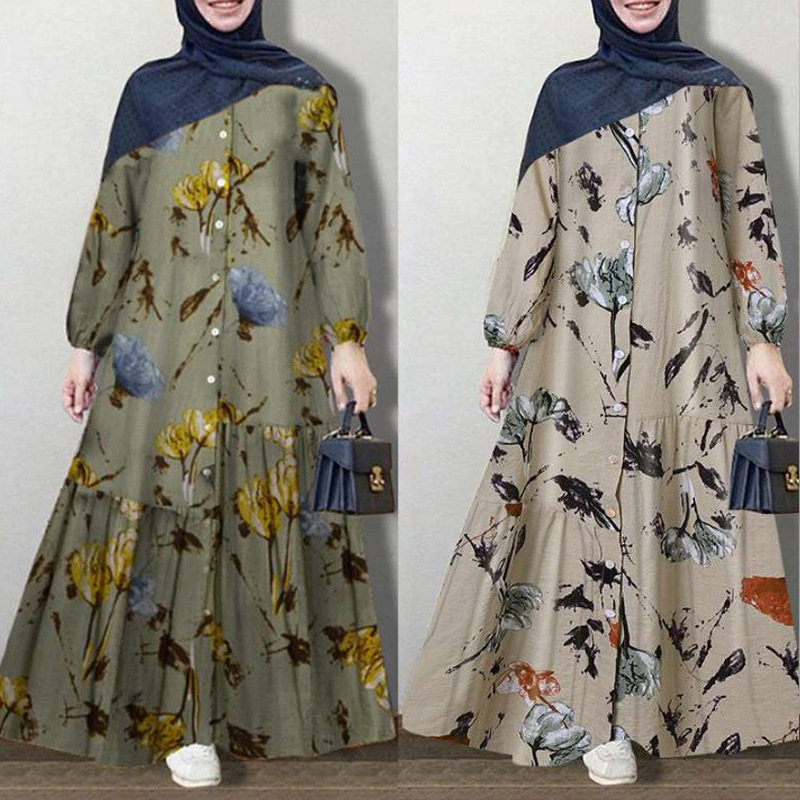
- Women’s Clothing: Abayas are one of the most common traditional garments for Muslim women. These loose, flowing dresses cover the entire body, with simple cuts and minimal embellishments. In some regions, women also wear matching hijabs and shawls. The shayla is a popular style of hijab in the Gulf countries, made of lightweight fabric and draped over the head and shoulders. The niqab, which covers the face, leaving only the eyes visible, is another type of hijab worn in certain areas.
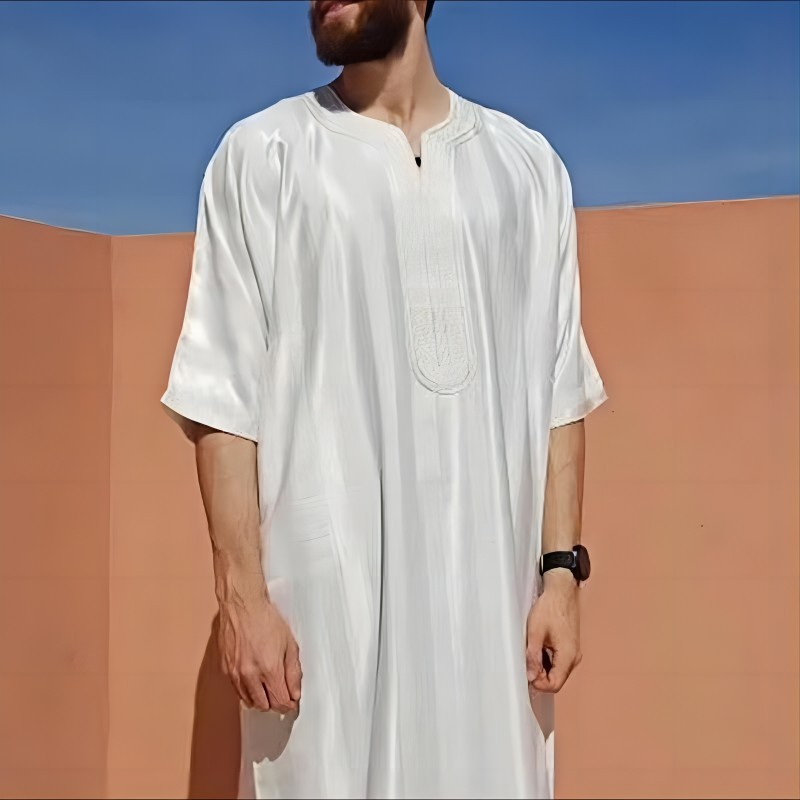
- Men’s Clothing: Traditional Muslim men’s clothing includes the thobe, a long, loose robe that reaches the ankles. It is typically made from cotton or wool and is comfortable to wear. Men also wear head coverings such as the kufi, a small, rounded cap, and the keffiyeh, a square scarf that can be folded and worn in various styles. The agal, a black cord used to secure the keffiyeh, is often worn alongside it.
Modern Muslim Fashion Trends
Diverse Fashion Styles
- Minimalist Style: This style focuses on simplicity and comfort, using clean lines and neutral colors to create a fresh and elegant look. Minimalist Muslim fashion emphasizes the inherent beauty of clothing through high-quality fabrics and precise tailoring, allowing wearers to showcase their inner confidence and poise.
- Bohemian Style: Bohemian-style Muslim clothing features romantic and free-spirited designs. Flowy maxi dresses, embroidered patterns, and layered accessories are key elements. The use of vibrant colors and natural fabrics adds a lively and artistic vibe to the outfits, reflecting a love for life and a carefree attitude.
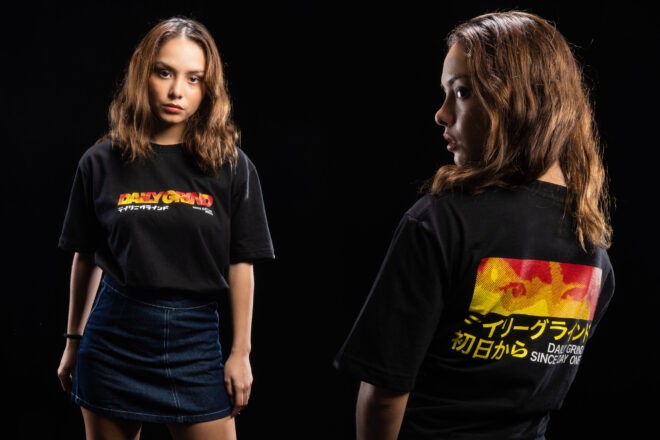
- Street Style: Muslim street fashion combines comfort and style, incorporating elements from hip-hop, skateboarding, and other street cultures. Oversized jackets, hoodies, and运动裤 (sporty pants) are paired with stylish sneakers and caps to create a trendy and urban look. This style showcases the youthfulness and vitality of Muslim communities while emphasizing individuality and self-expression.
Popular Garments and Accessories
- Abayas: Modern abayas come in a variety of styles and designs. Some feature lace or embroidery details, while others are crafted from lightweight fabrics for ease of movement. In terms of color, options have expanded beyond traditional black to include various hues and patterns, catering to different occasions and personal preferences.
- Hijabs: Hijabs are now available in a wide range of fabrics, such as chiffon, silk, and cotton, each offering distinct characteristics. Chiffon hijabs are lightweight and flowy, ideal for layering and creating a sophisticated look; silk hijabs feel luxurious and drape beautifully, making them perfect for special occasions; cotton hijabs are breathable and comfortable, suitable for daily wear. Additionally, printed and embellished hijabs have become popular, with floral, geometric, and other patterns adding visual interest to outfits. Sequins, beads, and embroidery enhance the hijab’s elegance, making it a standout accessory.
- Dresses and Tunics: Long dresses and tunics are essential staples in Muslim women’s wardrobes. These garments come in diverse styles, from simple and elegant to elaborate and ornate. Some dresses feature high necklines and long sleeves for added modesty, while others incorporate asymmetric cuts or unique detailing to create a modern and stylish appearance. Tunics can be paired with wide-leg pants or skirts to form complete outfits.
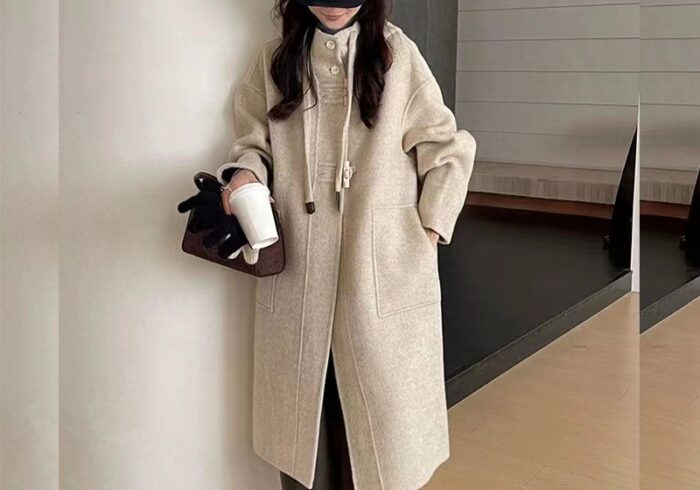
- Outerwear: Muslim women have a variety of outerwear options, including coats, cardigans, and kimonos. These pieces not only provide warmth but also enhance overall style. Long coats made from thick fabrics are ideal for winter wear, while lightweight cardigans and kimonos are perfect for layering in spring and autumn. Outerwear comes in different designs and lengths, allowing for endless styling possibilities.
- Accessories: Accessories play a crucial role in Muslim fashion. Belts, scarves, earrings, and bracelets can elevate a simple outfit to a stylish ensemble. A belt can cinch the waist of a loose dress or tunic, creating a defined silhouette; scarves can add a pop of color or pattern to an outfit; earrings and bracelets serve as finishing touches to complement the overall look.
Muslim Clothing for Different Occasions
Daily Wear
For everyday activities, Muslim clothing emphasizes comfort and practicality without compromising modesty. Women often opt for loose-fitting dresses or tunics paired with wide-leg pants or maxi skirts. These outfits can be paired with simple hijabs and flat shoes or low heels for convenience. Men typically wear cotton shirts and trousers or traditional thobes paired with leather shoes.
Work Attire
In professional settings, Muslim clothing should exude elegance and sophistication. Women can choose well-tailored blazers, pencil skirts, or maxi dresses paired with silk or cotton hijabs. The choice of colors and patterns should align with workplace norms, reflecting professionalism and confidence. Men can opt for formal shirts and trousers or traditional attire paired with suits or waistcoats, presenting a dignified and polished image.
Festive and Special Occasions
During weddings, Eid celebrations, and other festive events, Muslim clothing tends to be more elaborate and luxurious. Women often wear intricately embroidered or embellished dresses and abayas paired with matching hijabs and jewelry. The use of rich fabrics like silk and satin, along with vibrant colors and decorative elements, creates a glamorous and festive look. Men may don embroidered traditional garments or formal suits paired with hats and other accessories to celebrate the occasion.
How to Choose Muslim Clothing
Considering Personal Style and Needs
When selecting Muslim clothing, it’s important to consider your personal style and needs. If you prefer a minimalist aesthetic, opt for simple and elegant designs in neutral colors. For those who enjoy a more vibrant and eye-catching look, bold patterns and colorful garments are a great choice. Additionally, take into account your lifestyle and activity level. If you have an active lifestyle, choose breathable and stretchy fabrics for ease of movement.
Assessing Clothing Quality
The quality of Muslim clothing is reflected in its fabrics, tailoring, and durability. High-quality fabrics feel comfortable against the skin, drape well, and retain their shape after washing. Pay attention to details such as stitching, zippers, and buttons to ensure they are sturdy and well-made. Well-constructed clothing not only looks better but also lasts longer.
Exploring Online and Offline Shopping Options
Today, numerous online and offline retailers offer Muslim clothing. Online shopping platforms provide a vast selection of styles and brands, allowing you to compare prices and read customer reviews conveniently. However, be mindful of potential sizing discrepancies and fabric discrepancies. Offline stores enable you to try on clothes and assess their fit and comfort firsthand. You can also seek advice from sales associates to find the most suitable options.
Conclusion
Muslim clothing encompasses a rich cultural heritage and diverse fashion styles. From traditional abayas and hijabs to modern minimalist and bohemian designs, it offers a wide array of choices for individuals to express their unique styles while adhering to modesty principles. Whether for daily wear, work, or special occasions, selecting the right Muslim clothing can enhance your appearance and boost your confidence. By considering your personal style, assessing clothing quality, and exploring shopping options, you can find Muslim clothing that suits your needs and preferences.
How to Purchase:https://looperbuy.com/search?keywords=clothes+muslim
Related Questions and Answers
Q: What are the key considerations when choosing a hijab?
A: When selecting a hijab, consider factors such as fabric, color, pattern, and size. Choose fabrics that suit the season and occasion, such as lightweight and breathable options for summer and thicker, warmer fabrics for winter. Colors and patterns should align with your personal style and outfit preferences. Ensure the hijab’s size accommodates your head and neck comfortably while allowing for proper draping and styling.
Q: How can Muslim men dress fashionably yet modestly?
A: Muslim men can achieve a fashionable and modest look by combining traditional garments with modern clothing items. For instance, pair a traditional thobe with a stylish blazer or waistcoat for a formal appearance. In casual settings, opt for loose-fitting shirts and trousers made from quality fabrics. Accessories like hats, belts, and watches can further enhance your style. Stay updated on fashion trends and adapt them to fit modesty requirements.
Q: Where can I purchase high-quality Muslim clothing?
A: There are numerous options for buying high-quality Muslim clothing. Online retailers such as Shukr Clothing, EastEssence, and Modanisa offer a wide selection of Islamic clothing styles, including abayas, hijabs, and modest dresses. You can also explore local Muslim clothing stores or boutiques, which may provide personalized fitting services and expert advice. Additionally, some mainstream fashion brands now offer modest fashion lines that cater to Muslim consumers.
Q: What are the latest trends in Muslim fashion?
A: Muslim fashion trends are constantly evolving. In recent years, bold colors, unique patterns, and innovative designs have become increasingly popular. Printed and embellished hijabs, sport hijabs, layered hijab styles, and luxury hijabs are among the emerging trends. Fashion designers are blending traditional elements with modern styles to create Muslim clothing that is both stylish and modest.
Q: How can I style Muslim clothing for different seasons?
A: Adjust your Muslim clothing choices according to the seasons. In spring and summer, opt for lightweight fabrics like chiffon, cotton, and linen to stay cool and comfortable. Choose bright colors and floral patterns for a fresh and lively look. For autumn and winter, layer with knitted cardigans, coats, and scarves. Use thicker fabrics like wool and velvet to keep warm. Neutral tones and earthy shades are ideal for creating a sophisticated and elegant autumn/winter wardrobe.
Hot Tags:Clothes Muslim Wear;Muslim Fashion Trends;Muslim Clothing Styles;Traditional Muslim Clothing;Modern Islamic Clothing;Hijab Fashion;Abaya Styles;Modest Clothing;Islamic Apparel;Muslim Wardrobe Essentials.