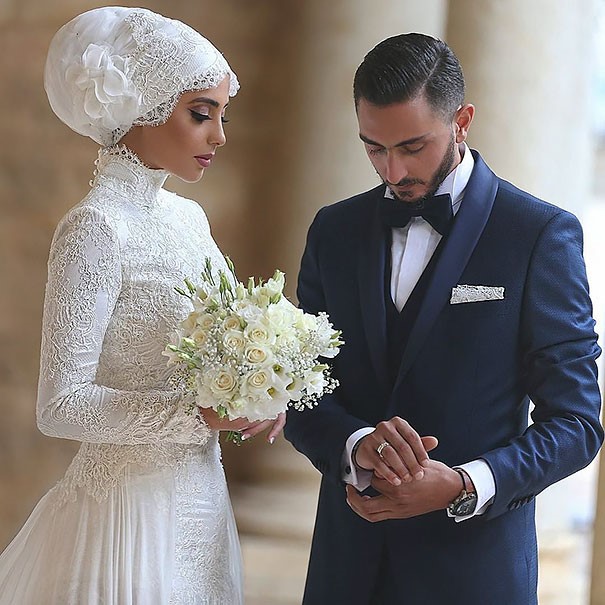
Muslim wedding clothes are a beautiful blend of tradition, culture, and personal expression. They reflect the values of modesty and elegance that are central to Islamic teachings. In this article, we will explore the various aspects of Muslim wedding attire, including styles, fabrics, and cultural significance, while also addressing common questions about these garments.
Table of Contents
Understanding Muslim Wedding Attire
The Importance of Modesty
Modesty is a fundamental principle in Islam, influencing the design and choice of wedding attire. Muslim wedding clothes are typically designed to cover the body while still allowing for personal expression through style and embellishments. This balance of modesty and beauty is crucial for many brides. The concept of modesty extends beyond mere coverage; it encompasses the idea of presenting oneself in a way that is respectful and dignified. This is why many Muslim brides choose outfits that are not only beautiful but also reflect their commitment to their faith. The choice of fabrics, colors, and styles often aligns with the cultural norms of modesty, ensuring that the bride feels both comfortable and confident on her special day.
Traditional Styles
Muslim wedding attire varies significantly across different cultures and regions. However, some common styles include:
– Abayas: These are long, flowing garments that provide full coverage. They are often worn over other clothing and can be adorned with intricate embroidery or embellishments. Abayas are particularly popular in the Gulf countries and are often made from luxurious fabrics that drape elegantly.
– Lehengas: In South Asian cultures, brides often wear lehengas, which are long skirts paired with a blouse and a dupatta (a long scarf). These outfits can be heavily embroidered and come in vibrant colors. The lehenga is not just a garment; it is a symbol of celebration and festivity, often chosen for its ability to showcase intricate craftsmanship.
– Kaftans: In Middle Eastern cultures, kaftans are popular. These are loose-fitting garments that can be made from luxurious fabrics and often feature elaborate designs. Kaftans are versatile and can be styled in various ways, making them a favorite choice for both weddings and other formal occasions.
Fabrics and Embellishments
The choice of fabric plays a significant role in the overall look of Muslim wedding clothes. Common materials include silk, chiffon, and satin, which provide a luxurious feel. Embellishments such as sequins, beads, and lace are often used to enhance the beauty of the garments. The combination of rich fabrics and intricate designs creates a stunning visual impact. Additionally, the choice of fabric can also affect the comfort level of the outfit, especially during long wedding ceremonies. Many brides opt for breathable materials that allow for ease of movement, ensuring they can enjoy their special day without discomfort.
Cultural Significance of Muslim Wedding Clothes
Regional Variations
Muslim wedding attire is not uniform; it varies widely depending on cultural backgrounds. For instance, in Nigeria, brides may wear colorful lace or Ankara fabric, while in South Asia, traditional red or gold lehengas are common. Each region has its unique styles and customs that reflect its cultural heritage. This diversity is a testament to the rich tapestry of Muslim cultures around the world, where each community brings its own traditions and aesthetics to the celebration of marriage. Understanding these regional variations can provide deeper insights into the significance of the attire and the values it represents.
Symbolism in Colors and Designs
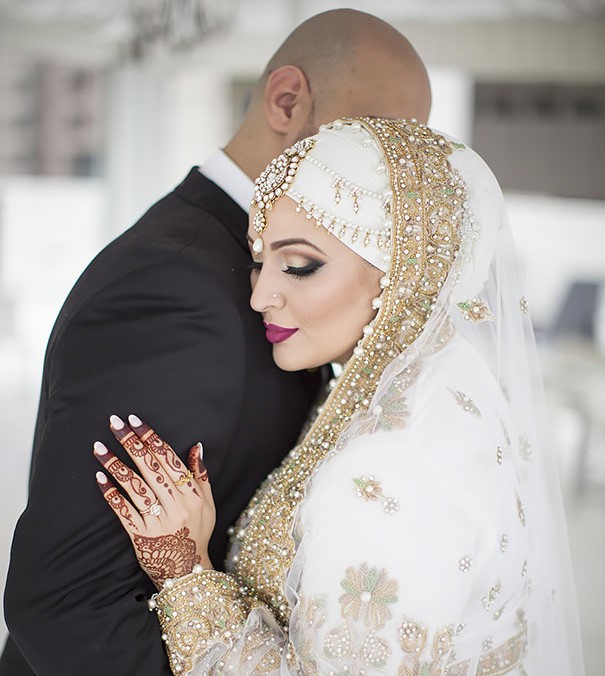
Colors hold significant meaning in Muslim wedding attire. While white is often associated with purity in many cultures, in some Muslim communities, red is a favored color for brides, symbolizing love and prosperity. The designs and patterns used in the clothing can also carry cultural significance, often telling a story or representing family heritage. For example, intricate floral patterns may symbolize fertility and new beginnings, while geometric designs can reflect the beauty of Islamic art. The thoughtful selection of colors and designs allows brides to express their identity and cultural pride on their wedding day.
Modern Trends in Muslim Wedding Clothes
Fusion of Traditional and Contemporary Styles
In recent years, there has been a noticeable trend towards blending traditional and modern styles in Muslim wedding attire. Many brides are opting for contemporary cuts and designs while still adhering to the principles of modesty. This fusion allows for greater personal expression and creativity in wedding outfits. Designers are increasingly experimenting with silhouettes, incorporating elements like off-shoulder tops or high-low hemlines, while ensuring that the overall look remains modest. This trend reflects a broader movement within the fashion industry, where traditional garments are reimagined to appeal to modern sensibilities.
Customization and Personalization
Brides today are increasingly seeking personalized wedding attire that reflects their individual style. Many designers offer customization options, allowing brides to choose fabrics, colors, and embellishments that resonate with their personal taste. This trend has led to a diverse range of styles, making each wedding outfit unique. Customization not only enhances the personal connection to the garment but also allows brides to incorporate meaningful elements, such as family heirlooms or cultural motifs, into their attire. This level of personalization ensures that the wedding outfit is not just a piece of clothing but a cherished memory that embodies the bride’s journey.
Choosing the Right Muslim Wedding Clothes
Factors to Consider
When selecting Muslim wedding attire, several factors should be taken into account:
– Cultural Background: Understanding the cultural significance of certain styles and colors can help in making an informed choice. This knowledge can guide brides in selecting outfits that honor their heritage while also reflecting their personal style.
– Comfort: Since weddings can be long events, comfort is essential. Choosing breathable fabrics and well-fitted garments can enhance the overall experience. Brides should consider the weather and venue when selecting their attire, ensuring they feel at ease throughout the day.
– Season and Venue: The season and location of the wedding can influence fabric choice. Lighter fabrics are preferable for summer weddings, while heavier materials may be suitable for winter. Additionally, the venue’s ambiance can also play a role in the overall aesthetic of the wedding attire.
Accessorizing Muslim Wedding Clothes
Accessories play a crucial role in completing the bridal look. Common accessories include:
– Hijabs: Many brides choose to wear a hijab that complements their outfit. The hijab can be styled in various ways, adding elegance to the overall appearance. Some brides opt for embellished hijabs that match their wedding attire, while others may choose simpler styles to let their outfit shine.
– Jewelry: Traditional jewelry, such as gold or silver pieces, can enhance the beauty of the wedding attire. Necklaces, earrings, and bracelets are often chosen to match the outfit. The choice of jewelry can also reflect cultural traditions, with some brides opting for intricate designs that have been passed down through generations.
– Footwear: Comfortable yet stylish footwear is essential, especially for long wedding ceremonies and receptions. Many brides choose embellished sandals or elegant heels that complement their attire while ensuring they can move gracefully throughout the day.
Conclusion
Muslim wedding clothes are a beautiful representation of cultural heritage, personal style, and the values of modesty and elegance. With a rich variety of styles, fabrics, and designs, these garments allow brides to express their individuality while honoring their traditions. As trends evolve, the fusion of modern and traditional elements continues to shape the landscape of Muslim wedding attire, making each wedding unique and memorable. The careful consideration of cultural significance, personal comfort, and individual style ensures that Muslim wedding clothes remain a cherished aspect of the wedding celebration.
How to purchase:https://looperbuy.com/search?keywords=Muslim+Wedding
Frequently Asked Questions
1.What are the most common colors for Muslim wedding dresses?
Common colors include white, red, gold, and pastel shades, with variations depending on cultural preferences.
2.Can Muslim brides wear non-traditional wedding dresses?
Yes, many Muslim brides opt for non-traditional styles that still adhere to modesty guidelines, allowing for personal expression.
3.What types of fabrics are popular for Muslim wedding clothes?
Popular fabrics include silk, chiffon, satin, and lace, chosen for their luxurious feel and aesthetic appeal.
4.How can brides personalize their Muslim wedding attire?
Brides can personalize their attire through custom designs, fabric choices, and unique embellishments that reflect their style.
5.What accessories should a Muslim bride consider?
Brides often consider hijabs, traditional jewelry, and stylish footwear to complement their wedding attire.