Table of Contents
Introduction to Freight Global Shipping
Freight global shipping is a cornerstone of international trade, facilitating the movement of goods across continents. This intricate network involves various stakeholders, including shippers, freight forwarders, customs brokers, and carriers, all working together to ensure that products reach their destinations efficiently and securely. This article delves into the complexities of freight global shipping, exploring its key components, challenges, and future trends.
The Importance of Freight Global Shipping
Freight shipping is essential for businesses of all sizes, enabling them to access international markets and expand their customer base. It supports economic growth by allowing countries to import raw materials and export finished goods, fostering interdependence and trade.
Key Components of Freight Global Shipping
Modes of Transportation
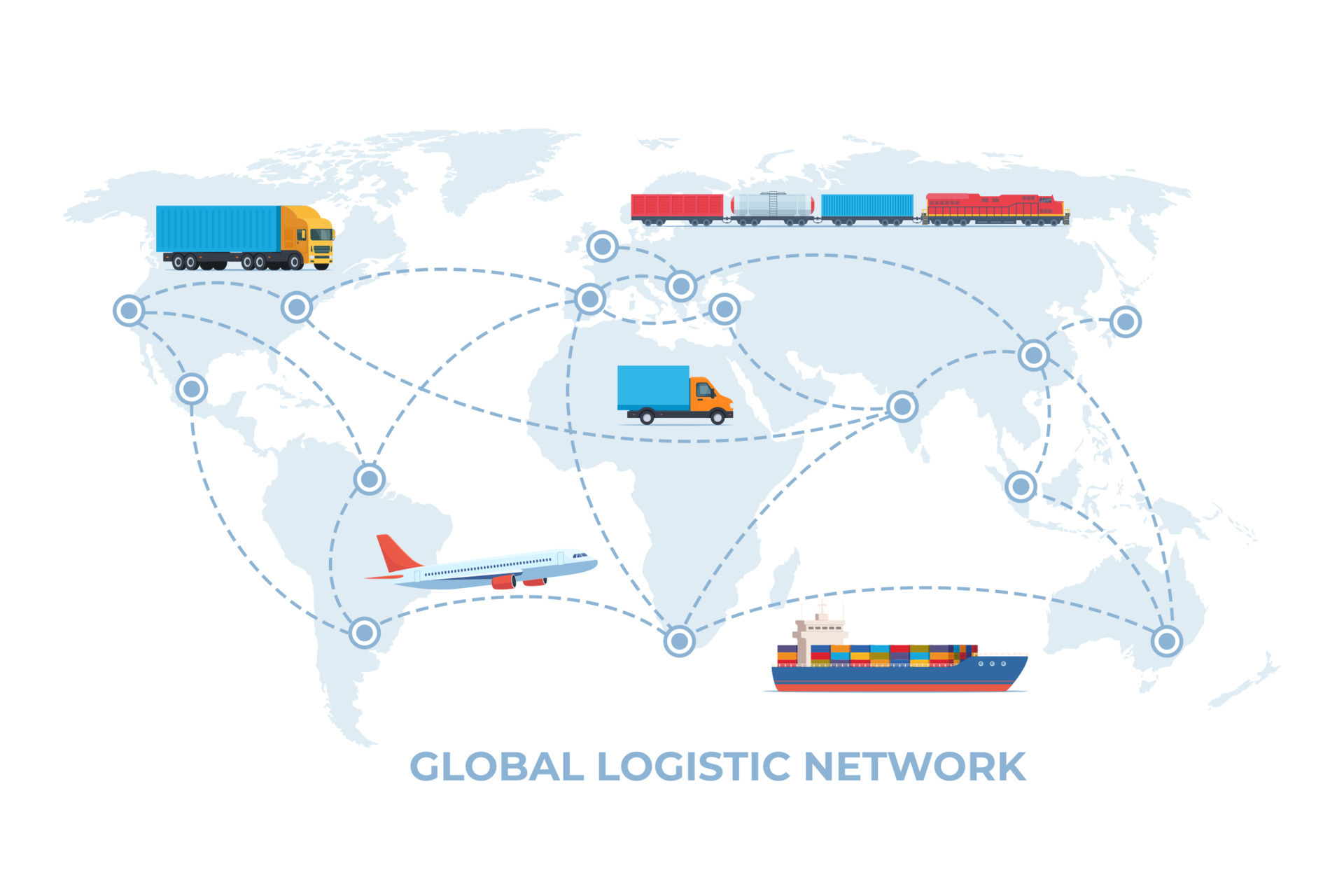
Freight shipping involves multiple modes of transportation, each with its own advantages and challenges.
- Ocean Freight: The most cost-effective method for transporting large volumes of goods over long distances. It is ideal for non-time-sensitive shipments.
- Air Freight: Offers the fastest shipping times, making it suitable for high-value or perishable goods. However, it is more expensive than ocean freight.
- Land Transport: Provides direct access to local markets and is often used for regional distribution. It can be more flexible than ocean or air freight but may face infrastructure limitations.
Freight Forwarders and Logistics Providers
Freight forwarders act as intermediaries between shippers and carriers. They arrange transportation, handle documentation, and provide value-added services such as warehousing and distribution. Logistics providers offer comprehensive solutions, including supply chain management and inventory control.
Customs and Regulatory Compliance
Compliance with customs regulations is crucial for smooth freight shipping. Shippers must prepare accurate documentation, classify goods correctly, and pay applicable duties and taxes. Non-compliance can lead to delays, additional costs, and potential legal issues.
Benefits of Freight Global Shipping
Access to Global Markets
Freight shipping enables businesses to reach customers worldwide, expanding their market reach and increasing sales opportunities. It allows companies to source materials from the most cost-effective locations and distribute products to diverse markets.
Cost Efficiency
By optimizing shipping routes and selecting the most appropriate mode of transportation, businesses can reduce shipping costs. Freight forwarders often negotiate competitive rates with carriers, further enhancing cost efficiency.
Improved Supply Chain Visibility
Advanced tracking technologies provide real-time updates on shipment status, allowing businesses to monitor their supply chains closely. This visibility helps in better planning, reduced lead times, and improved customer service.
Challenges in Freight Global Shipping
Geopolitical and Regulatory Challenges
Political instability, trade policies, and regulatory changes can significantly impact freight shipping. Businesses must stay informed about geopolitical developments and adapt their strategies accordingly.
Infrastructure and Capacity Constraints
The quality of infrastructure varies across countries, affecting transportation efficiency. Ports, airports, and roads must be capable of handling the volume of freight traffic. Capacity constraints can lead to delays and increased costs.
Environmental Concerns
The freight shipping industry is under increasing pressure to reduce its environmental impact. Companies are exploring eco-friendly practices, such as using alternative fuels and optimizing routes to minimize emissions.
Future Trends in Freight Global Shipping
Technological Innovations
Advancements in technology are transforming freight shipping. AI and machine learning optimize routes and predict delays, while IoT devices provide real-time tracking and monitoring. Blockchain technology enhances supply chain transparency and security.
Sustainable Practices
The industry is moving towards more sustainable practices, including the use of electric vehicles, biofuels, and carbon offset programs. Companies are also investing in energy-efficient warehouses and adopting circular economy principles.
E-Commerce Expansion
The growth of e-commerce is driving demand for faster and more reliable shipping services. Freight companies are adapting by offering last-mile delivery solutions and integrating with e-commerce platforms.
Conclusion
Freight global shipping is a complex but essential component of international trade. By understanding its key components, benefits, and challenges, businesses can navigate the global shipping landscape more effectively. As technology advances and sustainability becomes a priority, freight shipping will continue to evolve, offering new opportunities and solutions for businesses worldwide.
If you want to enhance your global shipping efficiency and enjoy the full-process transfer logistics service and ensure that your goods are easily delivered to overseas addresses,you can use looperbuy, a one-stop purchasing-logistics solution:https://looperbuy.com/.
Related Questions & Answers
· What are the primary modes of transportation in freight global shipping?
The primary modes include ocean freight, air freight, and land transport. Each mode has its own advantages and is chosen based on factors such as cost, speed, and the nature of the goods being shipped.
· How can businesses ensure compliance with customs regulations in freight shipping?
Businesses should prepare accurate documentation, classify goods correctly, and pay applicable duties and taxes. Working with experienced freight forwarders can help navigate complex customs requirements and avoid delays.
· What role do freight forwarders play in global shipping?
Freight forwarders act as intermediaries, arranging transportation, handling documentation, and providing value-added services such as warehousing and distribution. They help businesses optimize their shipping processes and reduce costs.
· How is technology transforming freight global shipping?
Technology is enhancing freight shipping through AI and machine learning for route optimization, IoT devices for real-time tracking, and blockchain for supply chain transparency. These advancements improve efficiency, reduce costs, and enhance customer service.
· What steps are freight companies taking to address environmental concerns?
Freight companies are adopting eco-friendly practices such as using alternative fuels, optimizing routes to minimize emissions, and investing in energy-efficient warehouses. They are also exploring circular economy principles to reduce waste and promote sustainability.
Hot Tags: Freight Forwarding Services; Global Logistics Solutions; Ocean Freight Shipping; Air Freight Services; Land Transportation; Customs Compliance; Supply Chain Management; E-Commerce Logistics; Sustainable Shipping Practices