In today’s global marketplace, businesses are increasingly relying on international shipping to reach customers around the world. However, navigating the complexities of international shipping can be challenging. This article aims to provide a comprehensive guide to understanding international shipping, focusing on key aspects such as shipping methods, customs regulations, tracking systems, and best practices for successful delivery.
Table of Contents
Understanding International Shipping
International shipping involves the transportation of goods across international borders. This process can be complicated due to various factors, including different regulations, customs requirements, and shipping methods. Understanding these elements is crucial for businesses looking to expand their reach globally.
The Importance of International Shipping
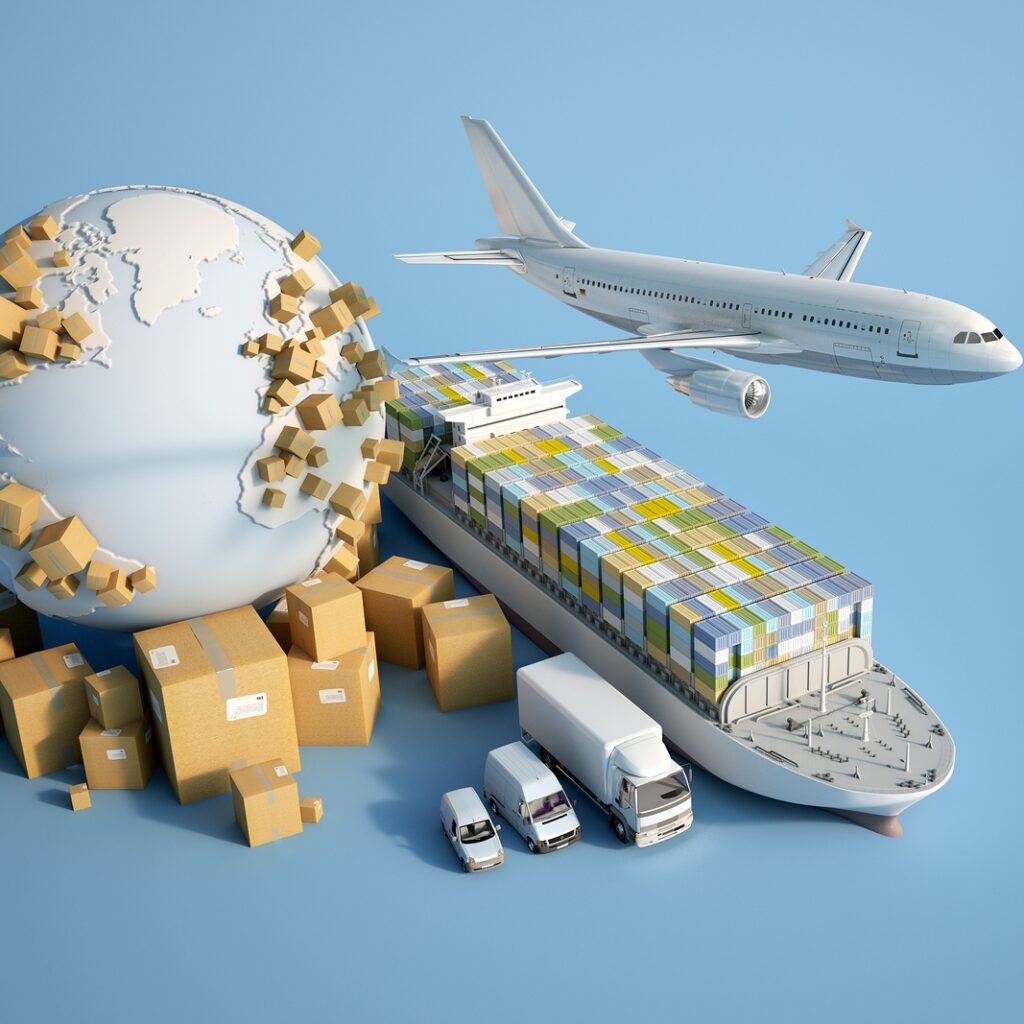
International shipping is essential for businesses that want to tap into new markets. It allows companies to sell their products to customers in different countries, increasing their potential customer base and revenue. However, it also requires a thorough understanding of logistics, regulations, and customer expectations.
Key Components of International Shipping
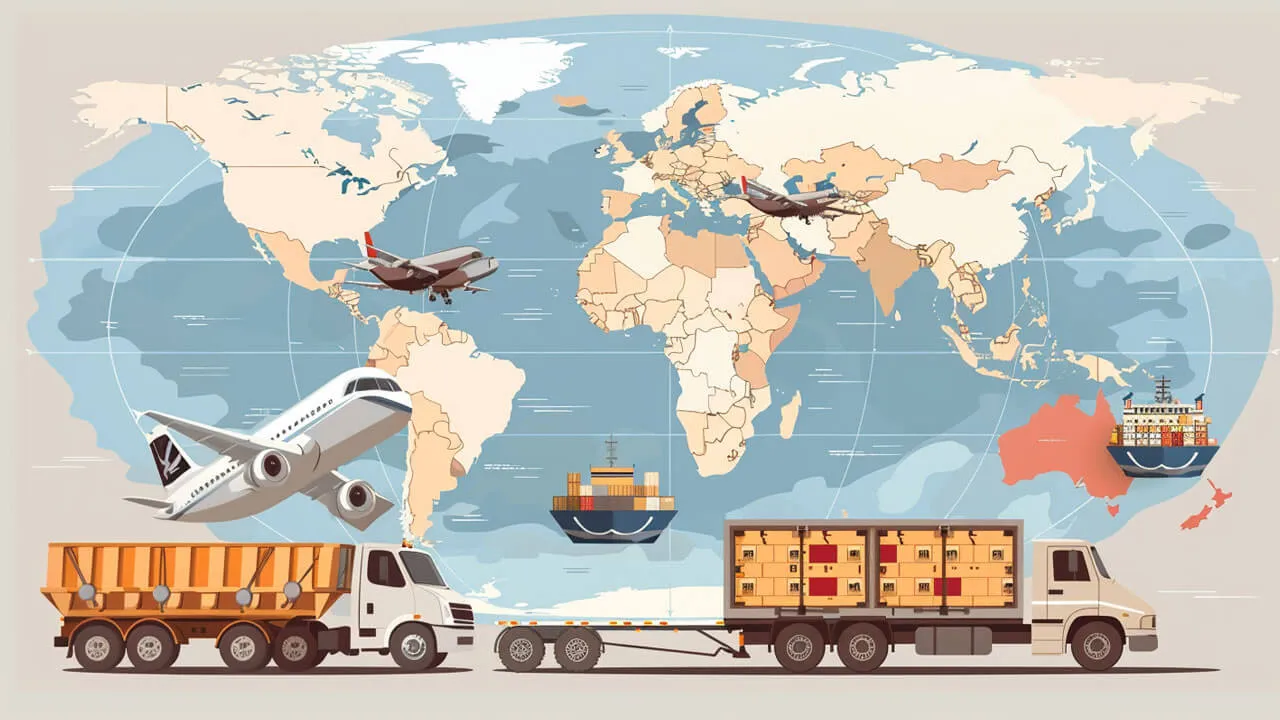
- Shipping Methods: There are several shipping methods available for international shipping, including air freight, sea freight, and courier services. Each method has its advantages and disadvantages, depending on factors such as cost, speed, and the nature of the goods being shipped.
- Customs Regulations: Every country has its own customs regulations that must be adhered to when shipping goods internationally. Understanding these regulations is crucial to avoid delays and additional costs.
- Documentation: Proper documentation is essential for international shipping. This includes invoices, packing lists, and customs declarations. Incomplete or incorrect documentation can lead to delays and fines.
Choosing the Right Shipping Method
Selecting the appropriate shipping method is one of the most critical decisions in the international shipping process. The choice depends on various factors, including the type of goods, budget, and delivery time requirements.
Air Freight
Air freight is the fastest shipping method, making it ideal for time-sensitive shipments. However, it is also the most expensive option. Businesses often use air freight for high-value items or perishable goods that need to be delivered quickly.
Sea Freight
Sea freight is a more cost-effective option for shipping large volumes of goods. While it takes longer than air freight, it is suitable for bulk shipments and heavy items. Businesses should consider sea freight for non-urgent deliveries.
Courier Services
Courier services offer a balance between speed and cost. They are ideal for smaller packages and provide door-to-door delivery. Many courier companies also offer tracking services, allowing businesses and customers to monitor shipments in real-time.
Customs Regulations and Compliance
Understanding customs regulations is crucial for successful international shipping. Each country has specific rules regarding the import and export of goods, and failure to comply can result in delays, fines, or confiscation of goods.
Import Duties and Taxes
When shipping goods internationally, businesses must be aware of import duties and taxes that may apply. These fees vary by country and can significantly impact the overall cost of shipping. It is essential to factor these costs into pricing strategies.
Restricted and Prohibited Items
Different countries have restrictions on certain items that can be imported. Businesses should research these restrictions to avoid shipping prohibited items, which can lead to legal issues and financial losses.
Documentation Requirements
Proper documentation is vital for customs clearance. Businesses must ensure that all necessary documents are prepared and submitted accurately. This includes commercial invoices, packing lists, and any required permits or licenses.
The Role of Tracking Systems
Tracking systems play a crucial role in international shipping, providing visibility and transparency throughout the shipping process. They allow businesses and customers to monitor the status of shipments in real-time.
Benefits of Tracking Systems
- Enhanced Customer Experience: Providing customers with tracking information improves their experience and builds trust. Customers appreciate knowing where their orders are and when to expect delivery.
- Operational Efficiency: Tracking systems help businesses manage their logistics more effectively. They can identify potential delays and take proactive measures to address issues before they escalate.
- Data Insights: Tracking systems generate valuable data that can be analyzed to improve shipping processes. Businesses can identify trends, optimize routes, and enhance overall efficiency.
Popular Tracking Solutions
Many shipping companies offer tracking solutions that integrate with their services. These solutions often include mobile apps and online platforms that provide real-time updates on shipment status.
Best Practices for Successful International Shipping
To ensure successful international shipping, businesses should adopt best practices that streamline the process and enhance customer satisfaction.
Optimize Packaging
Proper packaging is essential for protecting goods during transit. Businesses should use high-quality materials and ensure that items are securely packed to prevent damage.
Communicate with Customers
Clear communication with customers is vital throughout the shipping process. Businesses should provide regular updates on order status and address any concerns promptly.
Leverage Technology
Utilizing technology can significantly improve the efficiency of international shipping. Businesses should invest in shipping software that automates processes, manages documentation, and integrates with tracking systems.
Build Strong Relationships with Carriers
Establishing strong relationships with shipping carriers can lead to better rates and improved service. Businesses should regularly evaluate their shipping partners to ensure they meet their needs.
Conclusion
International shipping is a complex but essential aspect of modern business. By understanding the various components, choosing the right shipping methods, complying with customs regulations, and leveraging tracking systems, businesses can navigate the challenges of international shipping successfully. Implementing best practices will not only enhance operational efficiency but also improve customer satisfaction, ultimately leading to business growth in the global marketplace.
To streamline your international shipping processes and enhance your e-commerce fulfillment strategy, consider exploring the innovative solutions offered by LooperBuy. Visit https://looperbuy.com/ for more information.
Related Questions & Answers
· What are the main shipping methods for international shipping? The main shipping methods include air freight, sea freight, and courier services, each with its advantages and disadvantages.
· How do customs regulations affect international shipping? Customs regulations dictate what can be imported or exported and require specific documentation. Non-compliance can lead to delays and fines.
· What is the importance of tracking systems in shipping? Tracking systems provide visibility into shipment status, enhance customer experience, and improve operational efficiency.
· What are the best practices for packaging goods for international shipping? Using high-quality materials, ensuring secure packing, and optimizing package size are essential for protecting goods during transit.
· How can businesses improve their international shipping processes? Businesses can improve processes by leveraging technology, optimizing logistics, and building strong relationships with shipping carriers.
Hot Tags: International Shipping; Customs Regulations; Shipping Methods; Tracking Systems; Air Freight; Sea Freight; Courier Services; Packaging Solutions; Global Marketplace